
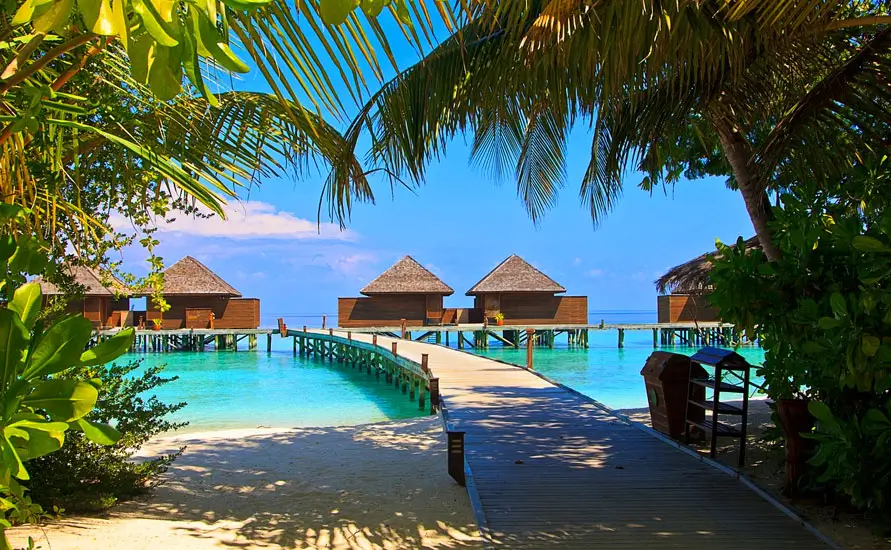
 Kerala Backwaters Escape

South India with Sri Lanka and Maldives
Bangalore – Srirangapatna – Mysore – Bandipur – Ooty – Coonoor – Kochi – Colombo – Pinnawala – Kandy – Bentota
At a glance
Children remember trips by moments: the hoot of a steam whistle, a palace full of lights, a baby turtle racing for the sea. Our South India and Sri Lanka Family Tour strings seventeen days of those moments together at a pace that suits young legs and jet-lagged parents. It opens in garden-filled Bangalore, moves on to the royal city of Mysore and the cool Nilgiri hills around Ooty, then drops to the Kerala coast at Kochi. A short flight carries the family to Sri Lanka for Kandy, a sacred hill town, and four easy nights by the sea at Bentota.
Families tell us that the hardest part of a long trip is constant packing, so this South India and Sri Lanka Family Tour keeps hotel changes to a minimum, with two nights in each Indian stop, three in Kandy and four at the beach. Road sections are broken with ice-cream breaks, playground stops and short walks, and no day is planned around a 5 am start. Guides are chosen for their skill with children, turning temples, forts and spice gardens into stories rather than lectures. Connecting rooms or family suites are requested at every hotel.
This India Sri Lanka family holiday works best for children aged about five and upwards, though we regularly adapt it for toddlers and teenagers. The plan avoids elephant rides and close handling of wild animals, and where the route passes Pinnawala, the visit is for viewing only, with a conservation-led alternative offered. Most families come between October and March, with dry weather on the Bentota coast from about December. Parents receive a printed plan for each day, and our phone line works around the clock if a child falls ill or plans need to change.
Long flights with children are tiring enough, so day one is kept almost empty on purpose. Once you have cleared immigration at Kempegowda International Airport, look for a placard with your family name in the arrivals area, where our staff help with prams, car seats and luggage. We can fit child seats in the car if you request them when booking, since they are not standard in Indian vehicles. Allow sixty minutes or so to the hotel, more when office traffic builds, on a road that passes the new office parks and flyovers of the city often described as the Silicon Valley of India.
Your hotel has been asked for connecting rooms or a family suite, and we request early check-in for families arriving at night or in the early morning so that children can sleep straight away. Once everyone has rested, the hotel pool or garden is often the best entertainment of the day. Our local representative stops by in the afternoon to hand over a printed plan, SIM card options and a short list of child-friendly restaurants nearby. Parents can ask any practical questions here, from pharmacies and baby supplies to safe drinking water and the local power sockets.
In the early evening, if energy allows, a short walk around Cubbon Park is a gentle first outing. This large green space in the center of the city has shady avenues of old trees, a children's play area known as Bal Bhavan with a small toy train ride, and the brick-red State Central Library from colonial times. Families from Bangalore gather here after work to jog, play cricket and buy roasted peanuts from carts. For dinner, a crisp dosa or soft steamed idli rarely fails with young eaters, served in the hotel or at a family eatery close by. Overnight in Bangalore.
A late breakfast sets an easy rhythm for the day before your guide picks you up mid-morning. Start at the Visvesvaraya Museum, the city's big science center, where galleries on motors, electricity, rockets and anatomy invite children to press, pull and test. Children can pedal a bicycle to light bulbs, see a full-size model of an early aircraft and try simple experiments in the fun science gallery. The museum is popular with Indian school groups on weekdays, so the lively mood is part of the visit. Allow about two hours, and there is a small cafe for snacks.
Post-lunch, the children can run free in Lalbagh Botanical Garden, a royal project of the 18th-century Mysore rulers Hyder Ali and Tipu Sultan. Children like the huge banyan trees, the lake with its ducks and the old glasshouse used for the flower shows held around Independence Day and Republic Day. The garden is also built around a large outcrop of very old granite rock, and your guide explains that it is among the oldest rock formations in the world. Wide paths make it easy with a stroller, and there are plenty of shady benches.
In the late afternoon, Tipu Sultan's Summer Palace gives a first taste of the history that comes alive tomorrow at Srirangapatna. The two-storey palace is built mostly of teak, with carved arches and painted walls, and display boards on the ground floor recount the life of the ruler nicknamed the Tiger of Mysore. Afterwards, the busy lanes of the nearby KR Market are worth a short look, as flower sellers stack marigolds and roses in colorful heaps. Back at the hotel, children usually sleep well after a full day. Overnight in Bangalore.
The expressway to Mysore has cut the travel time sharply, and your driver plans a stop at one of the large highway restaurants along the way, where clean restrooms, idli and coffee make the first break easy. About two hours out of Bangalore you reach Srirangapatna, a river-island town in the Kaveri where Tipu Sultan once held court. The fort walls, gateways and the spot where the ruler fell in battle against the British in 1799 are easy for older children to picture as your guide brings alive the siege, the secret passages and the famous mechanical tiger now kept in London.
A short drive away, the Daria Daulat Bagh palace sits in a garden of lawns and cypress trees. Its outer walls are covered in large painted murals showing battle scenes, elephants, horsemen and soldiers in red coats, and children enjoy finding the details hidden in each panel. Nearby, the Ranganathaswamy Temple gives the town its name and still draws daily worshippers, with a large reclining figure of Vishnu inside. If the children are restless, the river bank near the Sangam, where two branches of the Kaveri meet, is a pleasant place to stretch out for half an hour.
Mysore is reached by mid-afternoon, with time to settle into your rooms. Arriving on a Sunday or holiday is a bonus, because that is when the palace gets its evening illumination, a short show that children tend to watch open-mouthed, and the timetable is arranged so the family can watch. On other days, an evening stroll past the colorful stalls of the Devaraja Market, piled with bananas, incense and pyramids of kumkum powder, is a good alternative. Children usually ask for a second piece of Mysore pak, the crumbly local fudge of gram flour and clarified butter. Overnight in Mysore.
Start the morning at Mysore Palace, home of the Wodeyar dynasty, whose current stone palace replaced an older timber one lost to fire in the 1890s. The interiors include a marriage hall with stained-glass ceilings, carved silver doors and long corridors lined with paintings of the Dasara procession. Shoes are left at a counter before you enter, and your guide points out the few areas where pictures may be taken inside. Children enjoy the golden howdah displayed in the museum, once carried on an elephant's back during the Dasara festival. Morning visits are quieter and cooler.
Next, you drive up Chamundi Hill, which rises above the city and has views over Mysore's rooftops and lakes. On the summit is the Chamundeshwari Temple, honoring the goddess said to have slain the buffalo demon Mahishasura, from whom Mysore takes its name. Children are usually fascinated by the large and colorful statue of the demon near the car park. Halfway down the hill, a giant monolithic statue of Nandi, Shiva's bull, was cut from one huge boulder in the 17th century, and local families often stop to leave flowers at its feet.
The afternoon is set aside for Mysore Zoo, which the maharaja opened in 1892 and which is still one of the best-run in the country. Its large, shaded grounds suit families, and its animals include giraffes, gorillas, tigers, elephants and a wide variety of birds, with a battery-operated vehicle available for younger children who get tired of walking. If legs are not too tired, a quick visit to a sandalwood or silk outlet shows two of the region's best-known products. Keep tonight low-key, since tomorrow brings the drive up into the hills. Overnight in Mysore.
After breakfast you head south towards the Nilgiri hills on a road that passes straight through Bandipur Tiger Reserve. Driving through the forest is often a highlight for children, since chital, langurs, peafowl and even elephant herds are often visible right beside the highway. Forest rules forbid parking or stepping out anywhere in the reserve, so your driver slows down for sightings and lets you watch from the windows. Beyond the checkpoint the road enters Mudumalai on the Tamil Nadu side, where the forest becomes greener and the landscape begins to rise.
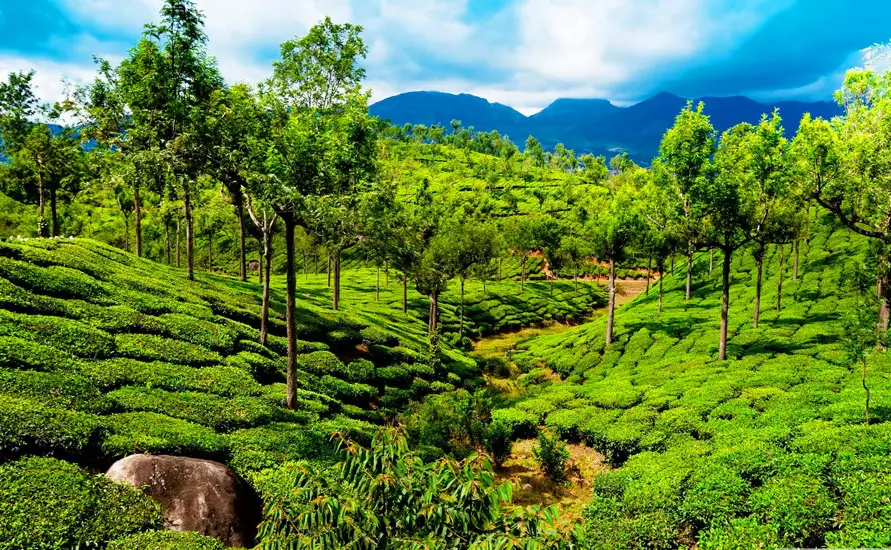
The climb to Ooty follows the Kalhatti ghat road, a steep route with 36 sharp bends, and children enjoy calling out the number on each marker board. Travelers prone to motion sickness should take the front seat and keep a few dry snacks handy, and your driver will stop whenever needed. With every bend the air grows cooler, eucalyptus and pine forests appear and small tea gardens begin to cover the slopes. Ooty lies at around 2,240 meters, so a warm layer will be welcome, especially for the evening, even in April and May.
Rooms are ready by early afternoon, leaving time for a short stroll later. Ooty Lake, made by the British in the 1820s, has pedal boats and rowing boats for hire, and the lakeside has pony rides and small snack stalls. Many hill-station hotels in Ooty have open fireplaces, and children enjoy the novelty of a log fire after the heat of the plains. Homemade chocolate is a speciality of the town, with dozens of small shops selling fudge, truffles and bars in different flavors, so a quick tasting stop is easy to arrange. Overnight in Ooty.
A slow breakfast and a short drive bring you to the Government Botanical Garden, terraced into a hillside on the edge of town. The garden has wide lawns where children can run, a fern house, flower beds that change with the seasons and a very old fossilized tree. Every May, a large flower show is held here, drawing crowds from across South India. Paths are mostly gentle, and your guide can show older children how the British collected plants from around the world to test in this climate. There are pony rides and small vendors outside the gate.
Five minutes away by car lies the Rose Garden, one of the largest in India, with several thousand varieties laid out on slopes facing Ooty town. It is at its best in spring and early summer, but there are flowers through much of the year. Next comes Doddabetta Peak, at about 2,640 meters the top of the Nilgiri range, where children can peer through the telescope house on a clear morning. The air at the top can be cold and windy, and clouds can roll in fast. A small tea factory on the road back lets children watch how tea leaves turn into the dark grains they see at home.
The afternoon is free, and many families choose to go back to the lake or spend time at the hotel. If the children enjoy animals, your guide can suggest a visit to the Thread Garden, where flowers are made entirely from embroidery thread, or a small deer park near the lake. Families of the Toda tribe, herders who lived on these grasslands long before Ooty was built, still keep a few hamlets of curved barrel-roofed huts nearby, and your guide can arrange a short respectful visit with a local contact. Pack tonight with the train ride in mind, keeping a day bag with snacks and water. Overnight in Ooty.
Today is toy-train day: the family rides the Nilgiri Mountain Railway, a UNESCO site, from Ooty downhill to Coonoor, while the car goes ahead with your bags. The narrow-gauge carriages are small and bright blue, and the one-hour ride rattles gently downhill through pine forests, tea gardens, tunnels and halts with small colonial station houses. Tickets in school holidays vanish quickly, so we reserve seats early, choosing the side of the carriage with the better valley views where possible, and our team confirms the departure time with you the day before.
The car picks you up at the Coonoor platform, and after a quick look over the tea valleys from a viewpoint, the road drops through the hairpins towards the plains around Coimbatore. The road from here towards Kerala passes through the Palakkad Gap, a wide break in the Western Ghats, where windmills turn on the ridges and the paddy fields of Kerala begin. Your driver plans stops every couple of hours, with a lunch break at a family-friendly restaurant and time for children to stretch. Tablets, books and car games help, and we provide bottled water throughout the day.
Early evening brings you into Kochi, where your hotel is in the old fort area or on the mainland, as you prefer. Kerala's air is warm and humid after the cool hills, so a quick swim in the hotel pool is a good way to refresh after the drive. Dinner can be simple tonight, perhaps fish curry and appam, the soft lacy rice pancakes of Kerala, or a pizza for fussy eaters, since Kochi has plenty of family restaurants. The long day is rewarded by a lighter schedule tomorrow, with a late start and plenty of breaks. Overnight in Kochi.
Start the morning with a walk on the Fort Kochi seafront to see the Chinese fishing nets, giant wooden frames that rise and fall in the water with the help of heavy stone weights. Crews sometimes invite children to haul on a rope in return for a few rupees, and they often sell the catch on the spot. Just inland, St. Francis Church dates to the early 1500s, and children like hearing that a famous Portuguese sea captain was buried there for a while. Your guide keeps the walk short and lively, with time for coconut water or a fresh lime soda from a cart.
After a break, you drive to Mattancherry, where the Dutch Palace has murals of scenes from the Ramayana, royal portraits and a collection of old palanquins. Note that the palace is closed on Fridays. Close by, in the Jew Town quarter, the Paradesi Synagogue has blue willow-pattern floor tiles and hanging lamps of colored glass; as it does not open to visitors on Friday, Saturday or Jewish feast days, this program is set for a different weekday. The lanes in between are filled with antique shops, spice traders and small cafes, and children can learn to identify cardamom, cloves and pepper by smell.
In the late afternoon, the family heads to a Kathakali center in Fort Kochi, where the actors paint their faces while the audience takes its seats. Children are fascinated by the green faces, the eye movements and the huge skirts, and the short performances for visitors usually include an explanation of the hand gestures. If your children are very young, a shorter martial arts demonstration of Kalaripayattu is an option. Back at your hotel, pack for the morning flight across to Sri Lanka and make sure your passports and visa printouts are ready. Overnight in Kochi.
Breakfast is early, since reaching the airport from the old town needs around ninety minutes. Older children may like knowing that this airport makes all its electricity from huge fields of solar panels, which you can sometimes see from the plane window on take-off. The hop to Colombo lasts about an hour; some days have a direct service and others route via a stop. Allow three hours at the terminal for check-in and emigration. Before your trip, our team confirms what entry permit each family member needs for Sri Lanka, children included, since the system has changed several times recently.
At Bandaranaike International Airport, a Sri Lanka driver-guide meets the family with a name board and loads your bags into an air-conditioned van or car with child seats if requested. The drive into Colombo takes about an hour on the expressway, and the family has its rooms by the afternoon. After a rest, your guide takes you through the Fort district, where the colonial Dutch Hospital now houses eateries and shops, and on to the Pettah mosque known as the Red Mosque, banded in red and white, a building children tend to remember for its candy-cane look.
Sunset belongs to Galle Face Green, a grassy strip along the ocean that fills up with local families in the cool of the evening. Kite sellers walk the promenade, and buying one for the children is an easy way to join in. Food stalls along the edge sell isso wade, a spicy prawn fritter, along with roasted corn and fresh fruit, and your guide can recommend milder options for younger eaters. Swimming is not allowed here because of strong currents, but paddling at the water's edge is a common evening pastime. Overnight in Colombo.
Leaving Colombo after breakfast, you drive inland on the road to Kandy, with a stop at the cashew stalls of Cadjugama, where sellers in bright clothing offer roasted and spiced nuts. Around midday you reach Pinnawala, home to the government-run Elephant Orphanage. We should be honest with families: the orphanage is controversial among conservationists, as many of its elephants live their whole lives in captivity. For that reason, our visit is for viewing only, with no feeding, bathing, touching or riding of elephants, and we do not include bottle-feeding packages that some operators sell.
From a riverside viewing area, you can watch the herd walk down to the Maha Oya river at bathing time, a sight children usually find exciting. Your guide explains how Asian elephants live in family groups led by the oldest female, and why wild elephants in Sri Lanka are under pressure from habitat loss. For families who would prefer to skip Pinnawala, we recommend the Udawalawe Elephant Transit Home instead, which rehabilitates orphaned calves and releases them back into the wild, with visitors watching feeding times from a platform. It can be added as a two-night extension in southern Sri Lanka.
After lunch, the road carries on up to Kandy, seat of Sri Lanka's final kingdom, set in a ring of green hills around a large lake. The road climbs through rubber and spice plantations, with a halt at a spice garden where children can rub cinnamon bark, smell nutmeg and taste fresh pepper. You check in to your Kandy hotel in the late afternoon. Before dinner, a short walk along the lake path is pleasant, and children like watching the monitor lizards that sometimes rest by the water. Overnight in Kandy.
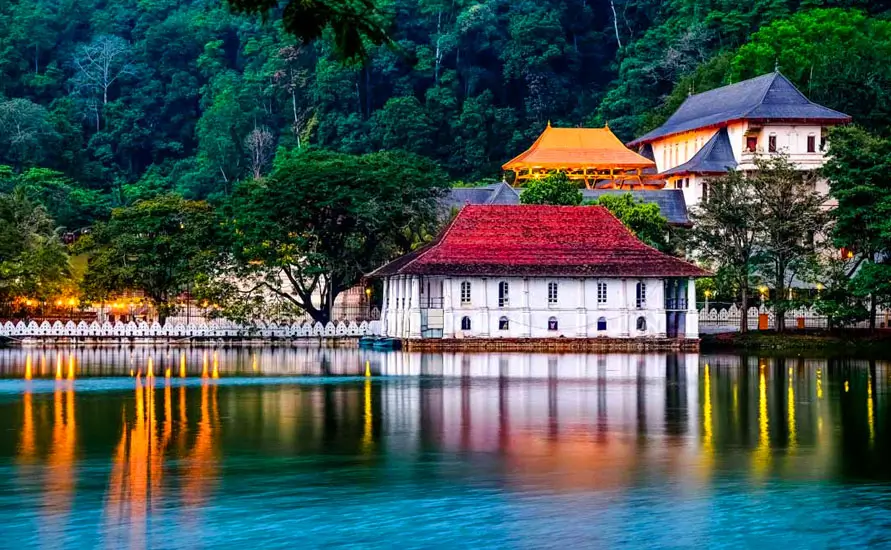
First on the list is the Temple of the Tooth, the golden-roofed shrine at the center of a UNESCO site, where Buddhists honor a sacred tooth relic of the Buddha. Everyone, including children, must have shoulders and knees covered, and all shoes go into the rack by the gate. Arriving for the morning puja means drums, incense and pilgrims holding lotus blooms. Your guide explains the story of how the relic arrived on the island and why kings once needed it to rule. The temple complex also has a small museum and an elephant hall with the stuffed remains of a famous temple tusker.
After lunch, the family can nap through the midday heat or stroll around the Kandy Lake on foot. Sri Wickrama Rajasinghe, the island's final king, had the lake dug in 1807, and its edges are topped with a low cloud-shaped parapet. Children can count the turtles and fish in the water, and spot cormorants drying their wings on the lakeside railings, and small boats can be hired for a short ride on some days. A short walk away is the town market, where fruit sellers offer rambutan, mangosteen and many types of banana, depending on the season.
In the early evening, a Kandyan dance show at a cultural center near the lake brings together drummers, acrobatic dancers and colorful costumes. It runs for about sixty minutes and ends with performers walking over hot coals, which older children often find the most exciting part. Seats are best booked early, and your guide arranges the tickets. Families traveling in the summer school holidays may catch the Esala Perahera, with processions of drummers, dancers and decorated elephants through the streets, and we advise on dates and viewing options. Overnight in Kandy.
Fifteen minutes from town are the Peradeniya botanical gardens, one of the best gardens in Asia and an easy place to spend a morning with children. The paths lead past an avenue of royal palms, a vast Javan fig that forms a living umbrella over the lawn, and an orchid house full of color. Families picnic on the big lawns, and children enjoy the colonies of fruit bats that hang in the tall trees by the river. Your guide can point out the trees planted by visiting royals and leaders, including one planted by King George V.
Later, you visit a working tea factory in the hills around Kandy, where staff explain how leaves are picked, withered, rolled and dried. Children are usually amazed by how much noise the old British-era machines make and how quickly the leaves change color. The tour ends with a cup of tea and, for younger visitors, juice or a biscuit. The Ceylon Tea Museum at Hantane, a short drive away, has more old machinery and a top-floor tea room with views over the Kandy hills, if the children still have patience for it.
Free time follows, for the pool or for a short ramble in the Udawattakele Forest Reserve behind the Temple of the Tooth, where shaded paths lead past giant bamboo, monkeys and colorful birds. Your guide knows the easier routes for small children. In the evening, the family can choose a casual dinner in town, where Sri Lankan rice and curry comes with many small dishes, so even picky eaters can find something they like. Tomorrow is a travel day to the beach, so pack swimwear and sunscreen in an easy-to-reach bag. Overnight in Kandy.
After breakfast, the family leaves the hills and drives down towards the coast, first on the road back to Colombo and then on the Southern Expressway, which runs fast and smooth to the south-west beaches. Your driver plans comfortable breaks, including one at a highway rest area with clean facilities and snacks. The scenery changes gradually from tea and spice hills to rubber plantations and coconut groves, and finally to the wide rivers and lagoons near the coast. Children who enjoy maps can track the route as it nears the Indian Ocean.
Bentota lies where the Bentota River meets the sea, with a long golden beach on one side and a calm lagoon on the other. It is one of the most popular family beach areas in Sri Lanka, as the resorts here have pools, shallow areas and plenty of space for children. The sea here changes with the monsoons, and swimming is generally safest between December and April. Lifeguards are not present on every stretch, so children should only swim where the hotel or a local guide says it is safe.
By early afternoon you have the keys to your beach resort, and nothing else is planned. Many families head straight for the pool, while others walk on the sand or sit under a palm tree with a fresh king coconut, the bright orange local variety. As the sun sets over the ocean, the beach turns gold, and fishermen sometimes pull their nets in by hand along the shore. Eat at the resort or at a shack on the sand, where grilled fish and prawns are the local specialties. Overnight in Bentota.
This morning the family boards a small motorboat for a trip on the Madu River, a short drive south of Bentota near Balapitiya. The river is lined with mangrove forests and dotted with small islands, and its wetland is protected for its birds, fish and reptiles. Children enjoy spotting water monitors sunning themselves on branches, kingfishers diving for fish and the occasional crocodile resting on the bank. The boatman cuts the engine in the narrow mangrove channels, where branches arch overhead, and your guide shows how the tangled roots shield the shore and shelter young fish.
Midway through the trip, the boat stops at a small island where a family produces cinnamon by hand, peeling the inner bark from cut stems and rolling it into quills to dry. Children can try the peeling themselves and take home a small bundle of fresh cinnamon. Another island holds an old Buddhist temple, which can be visited quietly with your guide. Some boats also stop at a fish spa, where small fish nibble at your feet, though many parents prefer to skip this for hygiene reasons. Plan on two hours on the water, with life vests for every passenger.
Afternoon hours in Bentota are for sand and swimming. Bentota is one of the main water sports centers in Sri Lanka, and the calm lagoon is used for banana boat rides, kayaking and paddle boarding, which older children often enjoy under the watch of an instructor. Younger children may prefer building sandcastles or searching for shells at the edge of the sea. Please check with the hotel about the safety of the operators and the conditions before booking any water sports, as these are optional and paid locally. Overnight in Bentota.
The coast between Bentota and Kosgoda is a nesting area for several species of sea turtle, including green turtles and olive ridleys, and this morning the family visits a turtle hatchery set up to protect the eggs from poachers and predators. We select a hatchery that follows ethical practices, such as returning hatchlings to the sea quickly and limiting the handling of animals, and we avoid places that keep turtles in small tanks for display. Your guide explains the life cycle of the turtles, from the moment the female comes ashore at night to dig her nest to the day the tiny hatchlings make their way to the water.
If timing allows, children may watch hatchlings being released into the sea, usually in the late afternoon or at dusk, when the risk from birds is lower. This is a moment many families remember long after the trip, though it depends on nesting seasons and cannot be promised. Your guide also explains the threats turtles face today, including plastic waste, fishing nets and the loss of nesting beaches, and what visitors can do to help. Children may enjoy collecting a few pieces of plastic from the beach afterwards, a small contribution to cleaner nesting areas.
After lunch, the family heads a few kilometers inland to Brief Garden, a hillside estate that the landscape designer Bevis Bawa shaped over several decades. The garden is a maze of terraces, statues and shady paths, and children like the surprise views around each corner, including sculptures hidden among the plants. The house is filled with art and photographs from the mid-20th century, and the caretakers can explain its history. Back in Bentota, the evening is free, and you may like to arrange a seafood barbecue at the resort as a family treat. Overnight in Bentota.
Today the family drives south along the coast road to Galle, a town where the Portuguese, Dutch and British left their mark over four centuries. The road follows the shore, past fishing villages and the stilt fishermen perched on poles near Koggala. Galle Fort, listed by UNESCO, is a walled town first fortified by the Portuguese and rebuilt in stone by the Dutch from 1663, and its ramparts are an easy walk for children, with sea views on one side and old houses on the other. The lighthouse, the clock tower and the bastions are good photo spots, and your guide shares the story of the fort's history with plenty of detail.
Within the fort walls, quiet streets are lined with old Dutch villas, small museums, boutiques and cafes. The Dutch Reformed Church has gravestones set into its floor, and the National Maritime Museum, where open, has displays on the sea life of the area. Children often enjoy watching the local boys diving from the rocks near Flag Rock, although this should be watched rather than copied. For lunch, the fort has many family-friendly cafes serving everything from Sri Lankan curries to pasta and smoothies. Galle is very hot at midday, so a long lunch break in the shade is sensible.
Heading home, you can pause at the Japanese Peace Pagoda above Unawatuna or at one of the beaches nearby for a swim if conditions allow. Ninety minutes later you are back in Bentota, and children often sleep in the car after a busy day. Tonight is your last evening of the trip, so the family may like a farewell dinner on the beach or a quiet evening at the resort. Pack carefully, as tomorrow is your departure day, and keep any fragile souvenirs, such as wooden masks or tea, in your hand luggage. Overnight in Bentota.
Breakfast faces the ocean one last time, and an evening flight leaves room for a final dip. Rooms are due back at midday, though a late checkout can be arranged in advance on request. Your driver then takes the family north to the airport at Katunayake, about two hours away via the expressway and the Colombo outer ring road, depending on traffic. We recommend arriving three hours before an international flight, especially with children.
Over seventeen days, the family has watched palaces light up, ridden a mountain train, seen elephants and turtles, and spent time on two coastlines. With luck, the children will be asking for dosa and king coconut back home. If you would like to return, the Maldives, the tea hills of Nuwara Eliya and the wildlife parks of southern Sri Lanka make easy additions to a future trip. Safe travels home.
Your Journey

N.S. Rathore & Mrs. Omlata Rathore · Managing Director
We still read every enquiry ourselves. Tell us the places you liked and our planners will send a day-by-day route with drive times and a clear price.
Every package can be customised and no pressure to book. A planner from our office replies within 24 hours with a route written for your group.
Fill this in and your planner will send a first draft itinerary.
Explore more
Kerala Backwaters Escape Kerala Backwaters Escape
 Kerala Backwaters Escape
 Kerala Backwaters Escape
 Kerala Backwaters Escape
 Kerala Backwaters Escape
 Kerala Backwaters Escape
 Kerala Backwaters Escape
 Kerala Backwaters Escape
 Kerala Backwaters Escape
 Kerala Backwaters Escape
 Kerala Backwaters Escape
 Kerala Backwaters Escape
 Kerala Backwaters Escape Kerala Backwaters Escape Kerala Backwaters Escape Kerala Backwaters Escape