
Wildlife Tours in South India, Planned Around the Animals
The forests of southern India hold some of the largest populations of wild tigers, Asian elephants, leopards and gaur left anywhere, yet they see a fraction of the visitors that crowd the better-known northern parks. Our South India wildlife tours are private safari holidays for international travelers who want quality time in the field: early starts, seasoned naturalists, sensible driving distances and lodges set right on the forest edge. Every package is planned around safari seasons, park closures and the hours when animals are most active.
The 21 itineraries on this page cover the Western Ghats, one of the world's recognized biodiversity hotspots, along with the coral reefs of the Andaman Islands. For travelers who want more than one landscape, several trips add celebrated tiger reserves in central and north India, the lions of Gir or the rhinos of Kaziranga before or after the southern forests.
Kabini, Nagarhole and the Nilgiri Biosphere
A Kabini safari is the reason many wildlife lovers come south. On the backwaters of the Kabini reservoir, herds of elephants gather along the shore in the dry months, and boat outings sit alongside jeep drives in Nagarhole National Park. Next door, Bandipur in Karnataka and Mudumalai in Tamil Nadu form one continuous stretch of protected forest that runs into Wayanad in Kerala. All of them fall within the Nilgiri Biosphere Reserve, the first such reserve declared in the country, forming one landscape in which tigers, leopards, wild dogs, sloth bears and sambar deer move freely across state lines.
Our tiger safari packages in the south focus on this connected forest. Jeep and canter safaris are booked through official forest department systems, the number of vehicles in each zone is limited, and no sighting can ever be promised. What we can do is give you enough drives, in the right season and with a sharp naturalist beside you, to make good encounters far more likely.
Birding in Kerala and the Western Ghats
Birders have plenty to look forward to. A Kerala bird watching tour usually begins at Thattekad, the Salim Ali Bird Sanctuary, where the Sri Lanka frogmouth and Malabar trogon are among the prized sightings, before climbing to the shola forests and grasslands of Munnar and the Nilgiri tahr of Eravikulam. Our longer Western Ghats birding route adds Ranganathittu, Kabini, Ooty and Valparai to chase endemics such as the white-bellied treepie, Nilgiri flycatcher and the laughingthrushes of the high hills. Specialist birding guides join the trips where they make the biggest difference.
Combining South India With North and Central India
Some travelers want to see the whole range of Indian wildlife in one holiday. For them we have paired the southern parks with Ranthambore and its lakes below a hilltop fort, with the meadows of Kanha and the dense forests of Bandhavgarh and Pench, with Tadoba in Maharashtra, Jim Corbett in the Himalayan foothills, Keoladeo in Bharatpur for wintering birds, Gir for the only wild Asiatic lions and Kaziranga for the one-horned rhinoceros. Domestic flights link the regions, and the itineraries follow each park's own season and weekly closure days.
Beyond Safaris: Treks, Reefs and Photography
Not every trip happens from a jeep. Our Western Ghats trekking tour climbs Tadiandamol in Coorg and the grassy ridges of Kudremukh before reaching the rainforest at Agumbe. The Andaman marine tour swaps the forest for mangroves, limestone caves and coral reefs, with snorkeling and introductory dives. Photographers can choose a dedicated wildlife photography tour with a photography naturalist, extra drives and evening editing sessions.
Responsible Wildlife Travel
We follow park rules closely and avoid anything that harms animals. There are no elephant rides on our itineraries, no feeding or baiting, no playback calls to lure birds and no off-road driving. Naturalists brief you on park etiquette before the first drive, and we choose lodges that respect the forests they sit beside. Prices depend on the season, the lodge category and the number of safaris, and we put together a full costing as soon as you share your dates and the species on your list.
Most parks in this collection are best between October and June, with the dry months from February to May offering the highest chance of seeing animals at waterholes. Several central Indian reserves close during the monsoon, so planning ahead matters. Pick a package below as your starting point and we will tailor it to the wildlife you most want to see.
Every itinerary can be customised: adjust cities, pace and nights to suit your travel style.
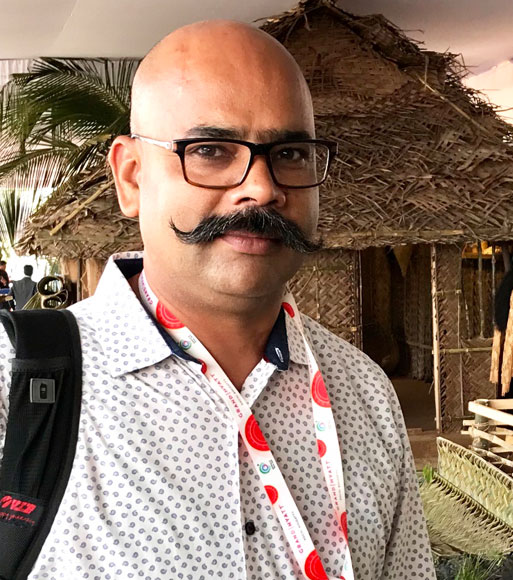
N.S. Rathore & Mrs. Omlata Rathore · Managing Director
We still read every enquiry ourselves. Tell us the places you liked and our planners will send a day-by-day route with drive times and a clear price.
Every package can be customised and no pressure to book. A planner from our office replies within 24 hours with a route written for your group.
Fill this in and your planner will send a first draft itinerary.
Good to know
October to June is the main season. Between November and February the air is cool, which makes for easy game drives and good birding, while February to May is hotter but often better for seeing large mammals near water. Some parks restrict safaris during the monsoon, and Eravikulam closes for a few weeks each year while the Nilgiri tahr give birth.
No responsible operator can promise a tiger sighting. Our itineraries give you several safaris in parks with healthy tiger populations, in the right season and with skilled naturalists, which improves your chances considerably. Elephants, gaur, deer, langurs and a wide range of birds are seen on almost every trip.
Safaris in Indian national parks are booked through official forest department systems, and the number of vehicles allowed in each zone is limited. We reserve your safaris as soon as you confirm, which is why booking early matters in peak months. Zones are allotted by the park authorities rather than chosen freely.
A jeep, often called a gypsy, carries up to about six guests and gives more flexibility and better photography angles. A canter is a larger open vehicle shared by more people. Some parks also offer boat safaris, such as on the Kabini backwaters and Periyar lake. Your itinerary lists which type is included.
Yes. Several packages pair Kabini or Bandipur with Ranthambore, Kanha, Bandhavgarh, Pench, Tadoba or Jim Corbett, and others add Gir for Asiatic lions or Kaziranga for one-horned rhinos. Domestic flights connect the regions, and we plan around each park's season and closure days.
Very much so. We have dedicated birding itineraries in Kerala and across the Western Ghats, plus a North and South India birding tour that includes Keoladeo National Park in Bharatpur. Specialist birding guides accompany the key sites, and each day is arranged so that you are in the field at first light, when bird activity peaks.
Yes. Our South India Wildlife Photography Tour includes a photography naturalist, extra drives, advice on light and positioning, and editing sessions in the evenings. Photographers on other packages can also ask for a private jeep to avoid sharing space with other guests.
Wear clothes in neutral colors such as olive, khaki or brown, and carry a warm layer for early mornings, a hat, sunscreen and insect repellent. Binoculars make a big difference, and a camera with a zoom lens is useful. Bright colors, perfume and loud conversation are best avoided in the parks.
Yes. We use well-run lodges and resorts on the edge of each park, with private bathrooms, good food and naturalist-led activities. Many jungle lodges include all meals because they sit far from towns. Luxury lodges are available on request for most destinations.
No. We do not include elephant rides or any activity that involves captive animals performing for visitors. All safaris on our wildlife tours are by jeep, canter, boat or on foot with forest department guides, and we watch elephants in the wild from a respectful distance.
Yes, with some planning. Early starts and long drives can be tiring for younger children, so we suggest shorter packages such as the Kabini Nagarhole Bandipur Wildlife Tour or the Kerala Wildlife and Backwaters Tour. Some parks set a minimum age for certain activities, and we confirm these in advance.
Prices include accommodation, the meals listed in each itinerary, the number of safaris stated, naturalist or birding guides, a private car with driver, any domestic flights or trains mentioned and all taxes. Park entry and camera fees where not stated, monument entrance fees, extra safaris, flights to and from India, visas, insurance and tips are all extra.