
 Kerala Backwaters Escape

South India with Sri Lanka and Maldives
Kochi – Alleppey – Colombo – Kandy – Dambulla – Sigiriya – Polonnaruwa – Maldives
At a glance
Most travelers who want India, Sri Lanka and the Maldives in a single holiday end up with a plan that changes hotel every night. Our India Sri Lanka Maldives Tour does the opposite. Over 17 nights you spend three in Kochi, two in the Alleppey backwater country, one in Colombo, three in Kandy, three around Sigiriya and five on a Maldivian resort island. Only two flights link the countries, Kochi to Colombo and Colombo to Male, and both are short hops of well under two hours.
The first week belongs to Kerala and the hill capital of Sri Lanka. You walk the old port lanes of Fort Kochi, paddle a small canoe into canals too narrow for houseboats, then spend a full night on the water before flying to Colombo. In Sri Lanka a private car and English-speaking chauffeur guide take you up to Kandy and on into the Cultural Triangle, where the Temple of the Tooth, the Dambulla cave temple, Sigiriya rock fortress and the ruined royal city of Polonnaruwa are all UNESCO World Heritage Sites.
The last five nights are spent on a resort island reached by speedboat from Male, so arrival time matters less than with a seaplane. Each Maldives day has its own plan, from house reef snorkeling and a local island visit to a sandbank picnic and a dolphin cruise, with plenty of empty hours in between. Retired couples, families with teenagers and friends traveling together from Britain, Germany, the Netherlands, North America and Australia often pick this India Sri Lanka Maldives Tour, especially those wanting a three-country holiday that never feels like a race. November to April brings the most settled weather across all three countries.
Three countries begin at Cochin International Airport, where a Kochi team member with your family name written on a board pushes the trolley out to a cool, private sedan or van. Expect roughly ninety minutes on the road to Fort Kochi, since Nedumbassery, where the runway lies, is some distance from the old port and the route crosses several bridges and islands. On the way he gives you a folder covering India, Sri Lanka and the Maldives, explains how to buy a local SIM card and adds our 24-hour helpline to your contacts. For flights that touch down before dawn, it pays to reserve an early check-in, so a bed is waiting rather than a lobby sofa.
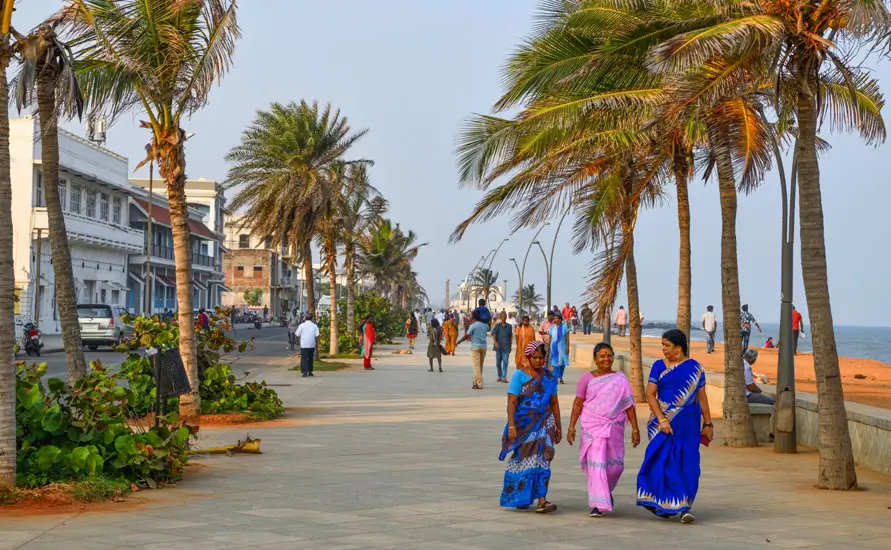
Fort Kochi is the best possible place to start a long trip, because it is small, flat and walkable, and nobody minds if you spend the first afternoon doing very little. We place you in a restored heritage property or a small boutique hotel close to the seafront. Once you have rested, wander out to the beach road, where old rain trees shade the pavement and carts sell lime soda, paper cones of roasted peanuts and green mango dusted with chili salt. The air here smells of salt, wood smoke and frying fish, a good first impression of the Malabar Coast.
Toward evening, the wide promenade near the harbor mouth fills with local families, students and couples watching the ships slide past on their way into the port. Giant container ships and wooden fishing boats squeeze through one narrow channel, and around sunset the western horizon tends to glow orange and pink. For dinner, your representative can point you to a simple seafood restaurant where you choose the fish and the kitchen grills it with Kerala spices, or to a quieter garden restaurant inside a colonial bungalow. Keep the first night early, since tomorrow brings a full walking tour. Overnight in Kochi.
Following breakfast, a licensed Kochi guide joins you for an unhurried walk through streets that three colonial powers, one after another, rebuilt to suit themselves. The route starts at St. Francis Church, a plain whitewashed church from the early 1500s; Vasco da Gama died in Kochi and lay here for over a decade before his body was shipped to Portugal. Inside, the tombstones set into the walls carry Dutch and English names of merchants, soldiers and their children, and your guide translates some of the older inscriptions. Nearby, the Dutch cemetery holds weathered graves from the 1700s behind a locked gate that can be viewed from outside.
From there you continue past Bastion Bungalow, a Dutch-era building on the seafront, and through streets of tiled-roof merchant houses with wooden verandas and carved doors. Your guide explains how pepper, the black gold of the Malabar Coast, drew European fleets to these shores and how the old trading families divided the town by community. A stop at the Indo-Portuguese Museum shows church silver, carved altarpieces and processional crosses from Catholic parishes around Kochi. The museum is small, which suits a first full day, and its basement holds a section of the original Portuguese fort walls uncovered during excavation.
Leave the Chinese fishing nets on the northern shore for late afternoon, when the light turns soft and the crews time their lifts to the incoming tide. Instead of only watching from the promenade, ask your guide to introduce you to one of the older fishermen, many of whom have worked the same net for decades and can describe how the catch has changed. Big rocks hanging on ropes act as counterweights, and the crew lowers each net by walking out along a wooden beam together. Dinner tonight is at leisure, with plenty of small cafés along Princess Street. Overnight in Kochi.
Mattancherry, the trading district of the old port, lies just a few minutes by car from the fort area. Portuguese builders put up the Mattancherry Palace in the mid-1500s and presented it to the ruling Raja, and the walls of its upstairs chambers carry Ramayana scenes painted with mineral and vegetable colors. The scenes from the Ramayana cover entire walls and are best seen slowly, with your guide pointing out individual characters. Friday is the palace's weekly closing day, while the Paradesi Synagogue down the lane closes on Fridays, Saturdays and Jewish holidays; we slot this day in to suit your calendar.
The synagogue sits at the end of a narrow lane in Jew Town, where a small community of Jewish traders lived for centuries before most families moved to Israel after 1948. Cantonese porcelain tiles in blue and white pave the floor, no two quite the same, and clusters of glass lamps hang from the ceiling. Outside, the lane leads past old godowns where laborers spread ginger and turmeric to dry and past dealers in carved doors, brass lamps and teak chests. After lunch in a converted warehouse café, the afternoon is free.
After dark comes Kathakali, Kerala's dance-drama, in a hall seating only a few dozen people. Doors open well before the show, so you can watch the actors lie back while colleagues build up their faces with rice paste, green pigment and black and red lines, as a drummer warms up his chenda. A short talk then covers the mudras, or hand signs, and why green faces belong to noble heroes and red beards to wicked ones. The performance runs around an hour and acts out one episode from the epics using rhythm, song and gesture, with no spoken words at all. Overnight in Kochi.
After a relaxed breakfast you leave Kochi and drive south toward Alleppey, also spelled Alappuzha, a town of canals that early British visitors compared to Venice. It is an easy ninety-minute run on a road lined with pastel-painted churches, fish stalls and coconut groves. Instead of going straight onto a houseboat, you check in for one night at a small lakeside resort or a family-run backwater homestay, which gives you a softer introduction to the waterways and a full night on land before tomorrow's cruise. Many homestays here are run by farming families who grow their own rice.
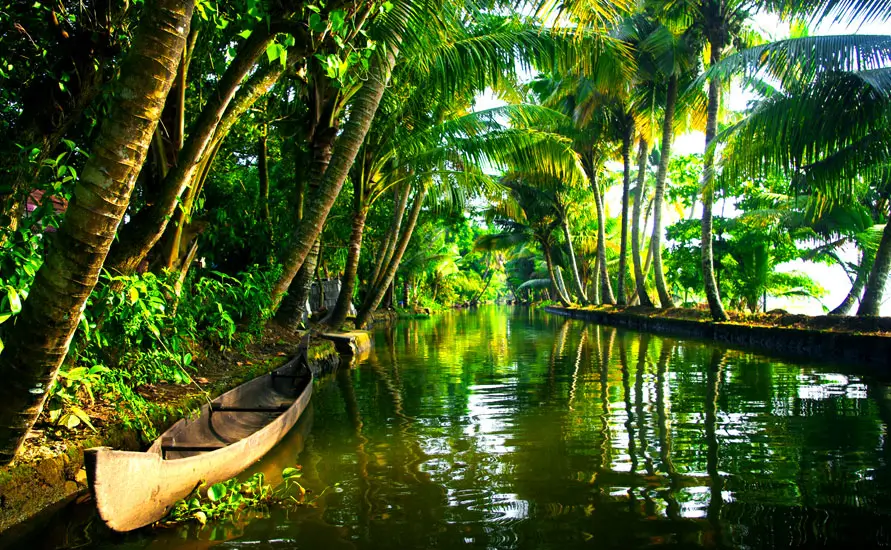
In the afternoon a local boatman takes you out in a country canoe, a narrow wooden boat paddled by hand, into canals far too narrow for any houseboat. This is the part of Alleppey most visitors never see, where houses open straight onto the water, coir is spun in front yards and children wave from small bridges. The boatman stops at a toddy shop if you are curious about the mildly fermented palm drink, and at a village tea stall for a cup of sweet milky chai. With no engine noise, birds such as kingfishers, egrets and purple herons let you come surprisingly close.
Evening is quiet at your lodging, with canoes drifting past on their way home. If you are staying with a family, the host often invites guests into the kitchen to watch a simple Kerala dinner being prepared, perhaps a fish curry soured with kudampuli, the dried smoky fruit cooks here prefer to tamarind, simmered in an earthenware pot. Dinner may be served on a banana leaf on request. Mosquito nets or repellent are provided in rooms near the water, and it is worth wearing long sleeves after dusk. Overnight in Alleppey.
The morning starts without hurry, since houseboat check-in is around noon. Early risers can stroll the dyke paths of Kuttanad, one of the few places on earth where rice is farmed below sea level. At the jetty your private Kerala houseboat waits with a three-man crew: captain, cook and deckhand. Expect one or two en-suite bedrooms, an open lounge in the bow and a galley in the stern, all reserved for your party alone. Shaded cushions on the front deck make the best seats, and the crew will happily rearrange the chairs so everyone gets a view of the water.
The first meal arrives shortly after departure: red rice, a coconut vegetable stir-fry, crisp fried fish and moru curry made with spiced buttermilk. Through the afternoon the boat follows the wider channels, passing church spires, small temples and long fields where ducks are herded across the water by men in tiny boats. This time you are watching from a higher deck than yesterday's canoe, so the landscape opens up, and you can see how the canals connect the villages, schools and markets that depend on them. The pace is slow enough that reading a book on deck fits perfectly between the sights.
Regulations require every houseboat to halt in the early evening, so your captain moors beside a quiet village bank. This is the best time for tea and fried snacks on deck while the sky changes color over the paddy fields. After dark the crew turns on soft lights and serves dinner, which usually includes a chicken or prawn dish and chapatis made in the boat's small kitchen, with mild versions for anyone who prefers less spice. The generator runs the air conditioning in the bedroom at night, and the only other sounds are frogs and crickets. Overnight on the houseboat.
Morning tea and breakfast come out on deck while the boat returns to the landing, and you step off at about 9 am. Then comes a two-hour drive north to Cochin International Airport and your short flight across to Colombo. Remember to keep your passport and the Sri Lanka entry approval at hand. Sri Lanka's visa and ETA system has been revised often lately, so please let us check what currently applies to your passport before you book. The flight itself is short, usually around an hour and a quarter.
Your Sri Lankan chauffeur guide waits at Bandaranaike International Airport, and the expressway gets you into Colombo in under an hour on most days. After check-in at a city hotel near the seafront, go out in the late afternoon to Galle Face Green, a long open lawn beside the Indian Ocean where families fly kites and food stalls fry isso wade, spicy lentil fritters topped with prawns. Your guide can suggest a nearby restaurant for a first Sri Lankan rice and curry dinner, which arrives as a spread of small dishes around a central mound of rice. Overnight in Colombo.
Before leaving the capital, your chauffeur guide gives you a short morning tour of the parts of Colombo that are worth a visit. Start at Gangaramaya Temple, an unusual Buddhist complex filled with statues, clocks, ivory carvings and gifts from devotees across Asia, then cross the road to Seema Malaka, a small meditation pavilion floating on Beira Lake that was the work of Geoffrey Bawa, the island's best-known modern architect. At both sites, hats and shoes come off and clothing should reach past the knees and over the shoulders. If time allows, a quick drive through the Pettah market district shows Colombo at its busiest, with wholesale stalls selling everything from saris to dried fish.
Leaving the city before lunch avoids the heaviest traffic, and the road to Kandy climbs gradually from the coastal plain into green, rolling hills. Along the way you pass rubber plantations, roadside stalls stacked with pineapples and rambutan, and towns specializing in cashew nuts, which are sold roasted with chili or plain. A good stop for lunch is one of the rest houses along the highway, where rice and curry is cooked fresh. Allow three and a half hours including breaks, plenty of time for your guide to tell how the hill kingdom of Kandy resisted the Portuguese and Dutch and fell to the British only in 1815.
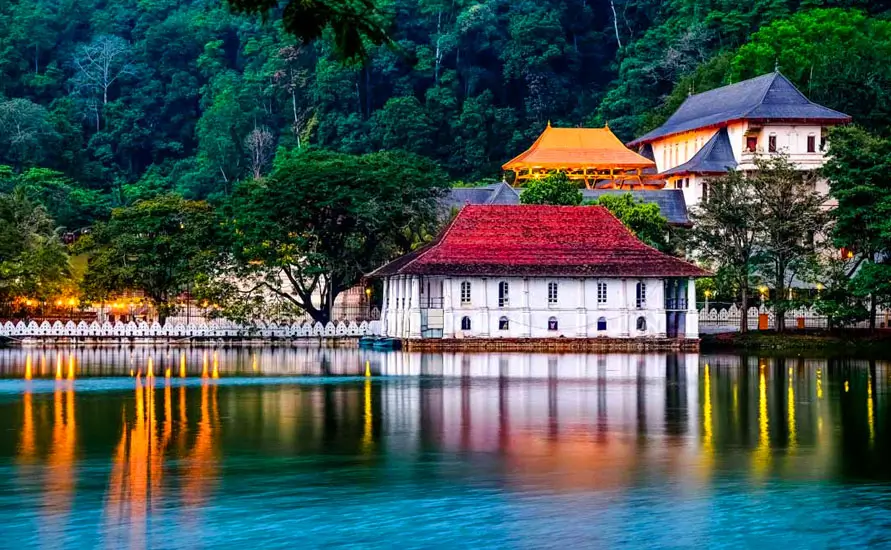
Your hotel stands on a ridge above town, looking over wooded slopes and terracotta roofs. At roughly 500 meters, the town cools off after dark, so pack a light sweater. Once settled, take a short walk or drive around Kandy Lake, which the last king of Kandy created in the early nineteenth century and which still sits beside the royal palace complex. Cormorants dry their wings on the railings and fruit bats leave the trees at dusk. Dinner is at your hotel, where the kitchen usually offers both Sri Lankan curries and familiar Western dishes. Overnight in Kandy.
Known locally as Sri Dalada Maligawa, the Temple of the Tooth is the island's holiest Buddhist shrine; it stands on the north shore of the lake and guards a relic that Buddhists revere as a tooth of the Buddha himself. Your guide leads you through the moat, the painted entrance tunnel and the inner shrine during one of the daily pujas, when drums and conch shells sound and devotees bring lotus and jasmine flowers. Wear light clothes that cover shoulders and knees, and white is the most respectful choice. Shoes stay at a counter outside, and the stone floors can get hot by midday, so socks are a sensible idea.
Plan on a full morning, since the complex spreads well beyond the main shrine. The old royal palace buildings and the audience hall, with its carved wooden pillars, sit just beside the shrine, and a museum within the complex covers the history of the relic and the kings who guarded it. Every year in July or August, the city holds the Esala Perahera, a festival procession with drummers, dancers and decorated elephants, and if your dates coincide, we will reserve seats along the route well in advance. Lunch follows in a simple eatery in the old grid of streets by the clock tower.
Around five, a lakeside hall stages a Kandyan dance program. Dancers in silver headdresses and beaded costumes perform to the sound of the geta bera, a double-headed drum played with the hands, and the show ends with a short fire-walking display outside. It lasts about an hour and is a lively, easy introduction to the island's performing arts. If you wish, go back to the shrine for the evening puja, usually calmer than the morning session and with fewer groups. Drummers play from the upper balcony while pilgrims queue quietly with flowers, a scene well worth a second look. Overnight in Kandy.
A short drive west of Kandy, the Royal Botanical Gardens at Peradeniya fill a loop of riverbank and give you a gentle, shady start to the day. Your guide follows a route through the avenue of royal palms, the spice garden, where nutmeg, clove and cinnamon trees grow side by side, and the orchid house, which holds dozens of species in flower at almost any time of year. The highlight for many visitors is the giant Javan fig tree on the great lawn, whose branches spread wide enough to shade a crowd. Locals come here for picnics on weekends, so a weekday visit is quieter.
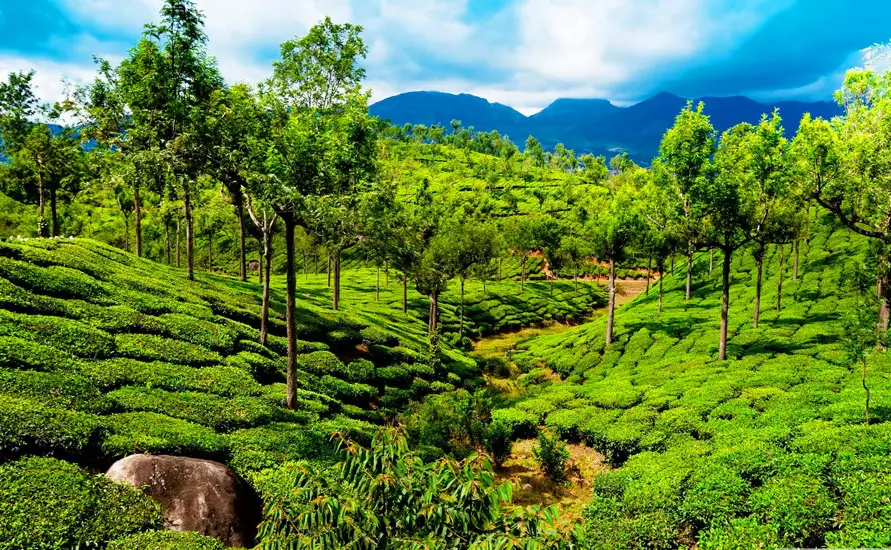
After lunch you drive into the hills around Kandy to a working tea factory, where leaf picked that morning goes through withering, rolling, fermenting and drying in machines that in some places date back to the British planting era. A staff member explains how altitude changes the flavor of the tea, and why leaf from the highest gardens brews paler and more delicate than the dark, malty low-country leaf grown near the south coast. The visit ends with a tasting of several grades, from broken orange pekoe to silver tips, and you can buy fresh packs straight from the factory shop if you want to carry some home.
Nothing is planned after that, a deliberate breather ahead of the trip north. You could return to the town center for the small Kandy market, where stalls sell fresh fruit, spices and batik cloth, or take a gentle walk on the forested Udawattakele reserve trails just above the temple. Alternatively, an hour at your hotel pool with a view across the hills is a fair reward after two busy days. For dinner, ask your guide about a family kitchen making hoppers, crisp bowl-shaped pancakes of fermented rice batter, best eaten with an egg set in the center. Overnight in Kandy.
Heading north from Kandy, the road drops gently toward the dry zone and the landscape changes from tea and forest to rice paddies, coconut groves and rocky outcrops. A first stop in the Matale area takes you to a spice garden, where a guide shows how cinnamon is peeled from young branches, where vanilla vines grow and how cardamom pods form at the base of the plant. Many gardens here offer short Ayurveda demonstrations and products for sale, but there is no need to buy anything. Close by is the brightly painted Sri Muthumariamman Temple, a Hindu temple with a tall tower covered in colorful figures.
By late morning you reach the Dambulla cave temple, a UNESCO-listed complex of five caves carved under an overhanging granite rock. The climb from the road takes about fifteen minutes on uneven steps, and monkeys watch from the trees, so keep food in your bag. Inside, the caves hold well over a hundred Buddha statues, including a long reclining Buddha, and the ceilings are painted edge to edge with scenes and patterns, some dating back many centuries. Footwear stays at the gate and clothing must cover knees and shoulders. The view from the terrace stretches across the plains to Sigiriya rock on a clear day.
Under an hour later you arrive at Sigiriya, base for the next three nights in a resort ringed by jungle, reservoirs and rice fields. The base gives you time for the main sights without long daily drives, and you will see the giant rock looming over the trees from many points in the area. Keep the evening lazy and eat early, because tomorrow the alarm rings before dawn and the climb is best done in the cool first hours. Some resorts here offer short evening bird walks, and the area is good for peacocks, hornbills and bee-eaters. Overnight in Sigiriya.
Sigiriya opens at dawn, and starting early lets you climb before the heat and the large groups arrive. King Kashyapa turned Sigiriya rock fortress into a royal citadel in the late fifth century, building his palace on the flat top of a sheer column of rock now listed by UNESCO. Your guide begins in the water gardens at the base, where channels and pools still fill during the rains, then leads you up through boulder gardens to the first stairs. Expect around 1,200 steps in total, some of them on metal staircases fixed to the cliff, so comfortable shoes and a bottle of water are essential.
Halfway up, a spiral staircase leads to a sheltered gallery with the famous Sigiriya frescoes, painted women holding flowers and trays whose colors have survived for well over a thousand years. Photography with flash is not allowed here. Beyond them runs the polished mirror wall, covered with ancient graffiti in which visitors wrote verses about the paintings centuries ago. The last climb starts between two giant stone lion paws, which are all that remain of a gateway shaped like a lion, and leads to the flat summit, where the foundations of the palace, its pools and terraces look out over the forest for kilometers in every direction.
Back at the resort before noon, lunch and a siesta follow. In the afternoon, a gentle village tour shows another side of the area: a short ride in a bullock cart or tuk-tuk, a canoe crossing on a lotus-filled tank and a visit to a farming family who prepare a simple lunch or tea using clay pots over a wood fire. If you still have energy, the nearby Pidurangala rock offers a shorter, steeper climb with a direct view of Sigiriya at sunset, though the last part involves scrambling over boulders. Your guide will help you decide whether it suits you. Overnight in Sigiriya.
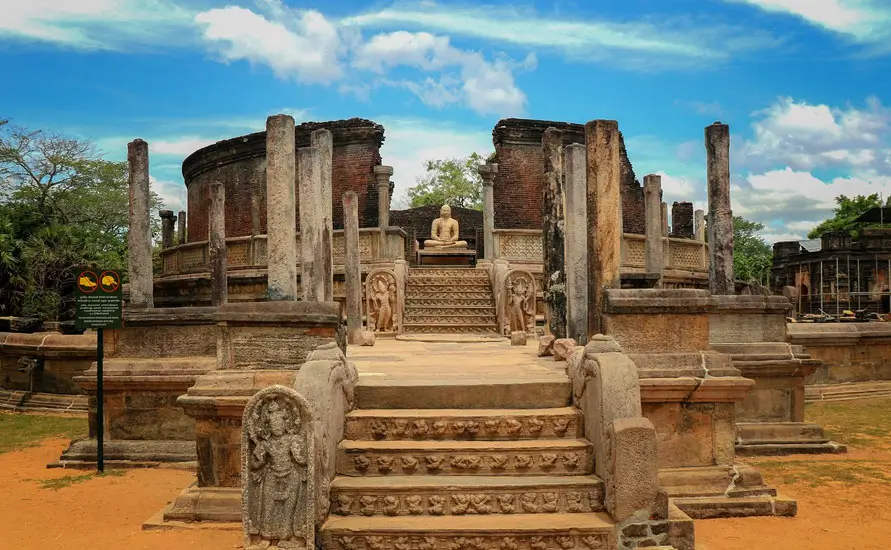
The medieval capital of Polonnaruwa lies about an hour's drive east of Sigiriya, and its ruins are spread across a wide, flat area beside a vast reservoir called Parakrama Samudra, built by King Parakramabahu in the twelfth century. Your guide leads you through the royal palace walls, the council chamber with its carved elephants, and the Quadrangle, a raised terrace holding some of the island's finest early religious buildings. Many visitors cover the site by bicycle on flat shaded paths, while others prefer to stay in the air-conditioned car between stops. Both options are fine, and your guide will match the pace to the heat.
The highlight of Polonnaruwa is Gal Vihara, where four Buddha images were cut out of one long granite rock face, including a standing figure and a reclining Buddha that stretches more than fourteen meters. Note the calm faces and the folds carved into the robes; worship continues here, so take off your shoes, stay behind the barrier and never turn your back to a statue for a photo. Lunch is at a local restaurant near the site, where you can try curd, a thick buffalo yogurt, served with kithul palm treacle, a specialty of this region.
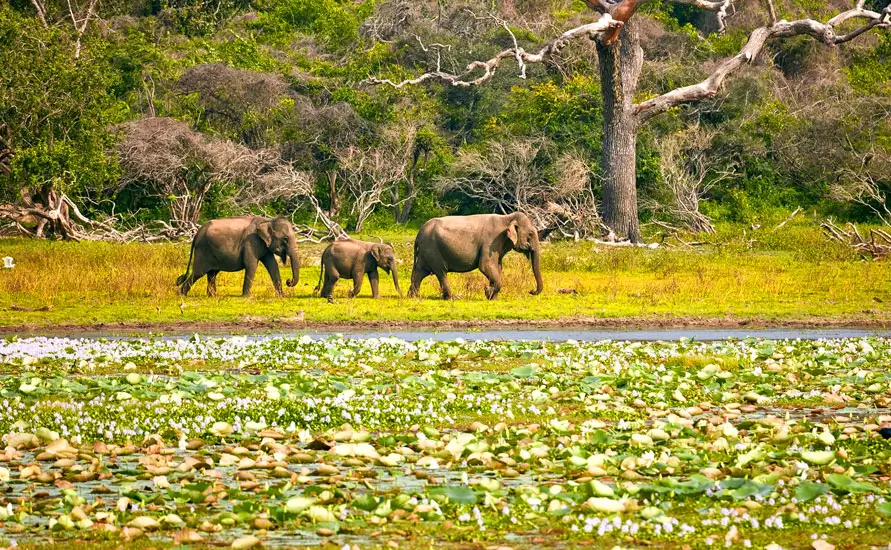
In the late afternoon you set off on a jeep safari in Minneriya or Kaudulla National Park, choosing whichever park the elephants are using at that time of year. Herds come to graze on the grassy edges of the old reservoirs, and in the dry months, roughly from July to October, groups of a hundred or more can gather in one area, known locally as the Gathering. Even outside that period, sightings are common, along with water buffalo, eagles and crocodiles in the shallows. Your driver keeps a safe distance from the animals at all times. You return to the resort after sunset. Overnight in Sigiriya.
After an early breakfast you leave Sigiriya and drive south-west to Bandaranaike International Airport, a trip of roughly four hours on a mix of country roads and expressway, timed around your flight. The chauffeur guide who has been with you since Colombo says goodbye at the terminal. You fly from Colombo to Male in about eighty minutes, and on landing every nationality with a confirmed hotel booking receives a free thirty-day tourist visa. Before departure you must also fill in the online IMUGA traveler declaration, and we email the link a few days ahead.
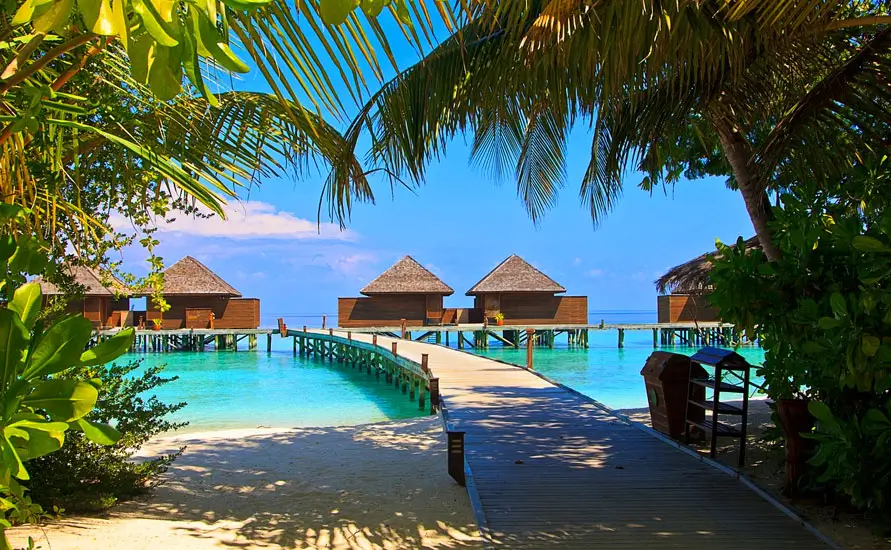
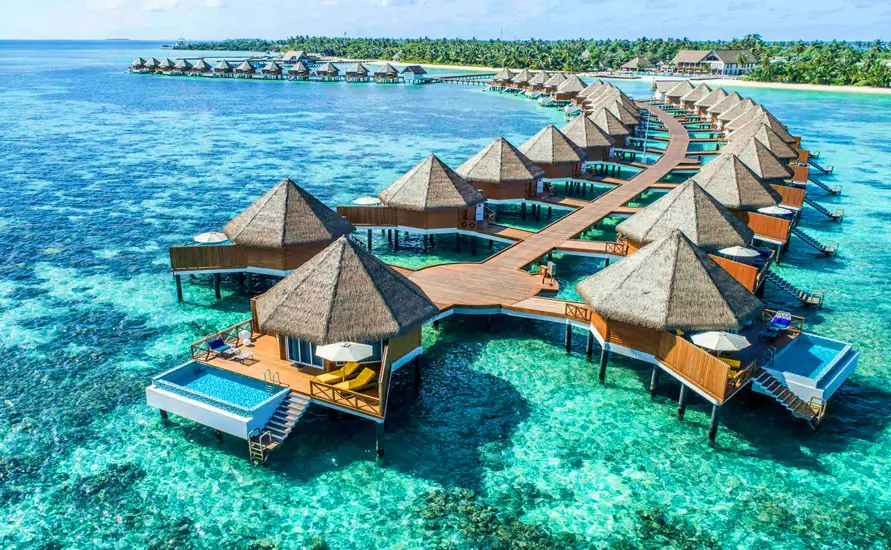
Resort staff greet you at Velana International Airport and walk you straight to the boat jetty for the speedboat transfer. We have deliberately chosen a resort reached by boat rather than seaplane, because speedboats can run after dark and you are not tied to a narrow afternoon window. Crossing times vary by island, generally somewhere under an hour. The island team hands you a cold drink, a short briefing and a tour of the island, and your beach villa opens onto the sand. Dinner is included under your meal plan. Overnight in the Maldives.
Your first full Maldives day starts at the dive center, where staff check your snorkel gear fit and give a short reef briefing covering entry points, currents and the rule never to stand on coral. Most resort islands have a house reef close to the beach, where the shallow lagoon drops away into deeper blue water, and the best snorkeling is usually along that edge. In the morning the light is clear and the water is calm, so this is a good time to look for parrotfish, butterflyfish, moray eels and, with luck, a reef shark or turtle passing along the drop-off. Life jackets are available for anyone who feels unsure in deep water.
After lunch, spend the warmest hours in the shade with a book, or try a stand-up paddleboard or a clear-bottom kayak from the water sports center. The lagoon is shallow and sheltered on most islands, which makes it an easy place to learn, and small rays and baby sharks often rest on the sandy bottom just a few meters from the beach. Reef-safe sunscreen is recommended, since ordinary creams can harm coral, and a long-sleeved rash guard helps with the strong equatorial sun. The resort shop sells both if you forgot them, though at island prices.
In the evening, walk the full shoreline of your island at sunset, which on many resorts takes only twenty to thirty minutes. Herons stand still in the shallows waiting for small fish, hermit crabs cross the sand in their borrowed shells, and the sky turns deep orange over the water. Alcohol is served on resort islands, so a sundowner at the beach bar is easy to arrange, though it is charged separately under most meal plans. Dinner is at the main restaurant, where the menu often mixes international dishes with Maldivian tuna curry and spiced fish. Overnight in the Maldives.
Today you leave the resort for a half-day excursion to a local inhabited island, a side of the Maldives that most visitors never see. A resort boat takes you across the atoll to a small community where fishermen, teachers and shopkeepers live in coral-stone houses along sandy streets. Bring clothes that cover shoulders and knees, and remember local islands are alcohol-free. A guide walks you past the mosque, the school and the boat yard, where traditional dhonis are built and repaired, and you can stop at a small café for sweet black tea and short eats, small fried pastries filled with tuna.
Returning, the skipper pulls up at a sandbank, a bare white strip in pale blue water where the crew plant a parasol and little else. Here you swim, snorkel and enjoy a simple picnic lunch with fresh fruit and cold drinks. Tides and monsoon currents keep reshaping these banks, and usually yours will be empty apart from your own group. With not a single tree for shade, a hat and a light shirt matter, and the crew watches the tide for you. Children love hunting for crabs at the water line, and the swimming here is in clear, shallow water over pure sand, with small reef fish gathering around any piece of coral rubble.
You are back on your own island by mid-afternoon, free to rinse off the salt and nap. Many resorts hold a weekly themed dinner on the beach, often a seafood grill or a Maldivian buffet, and your host can tell you which evenings these take place. If you prefer something quieter, ask about the resort's stargazing evenings, as the night sky away from Male is extremely clear and you can often see the Milky Way. Before bed, a stroll on the jetty with a torch may reveal small reef sharks and rays hunting under the lights. Overnight in the Maldives.
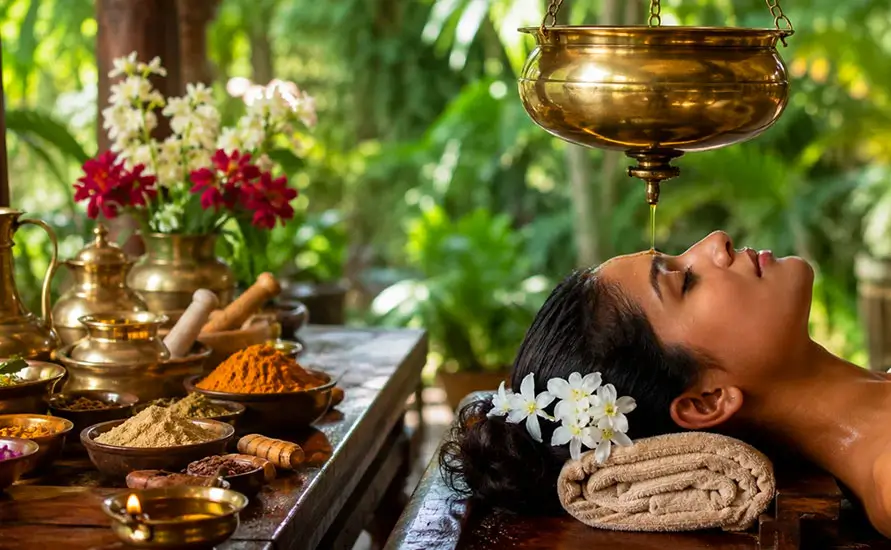
After two active days, this morning is deliberately left open. Sleep in, take a late breakfast, or swim straight from the beach outside your villa before the sun gets high. For something gentle, book a massage at the spa, where many treatments use coconut oil and some rooms sit on stilts above the lagoon. Booking a day ahead is advisable, as the best slots fill quickly. Other guests prefer a session of yoga on the beach or a quiet hour in the library, which many resorts keep stocked with books and board games.
After lunch, the dive center may offer a guided snorkel trip to a reef further out in the atoll, which can show you different coral formations and larger schools of fish than the house reef. Marine life varies widely by season and location, so the guides decide the site on the day based on currents and visibility. If you are interested in scuba diving, an introductory pool session can be booked now for a try-dive later in the stay, with no previous certification needed. A medical form must be completed beforehand, and the instructors will advise if diving is not suitable for you.
At about five o'clock a wooden dhoni collects you for a sunset dolphin cruise. Spinner dolphins are common in many atolls and often swim alongside boats, leaping and spinning out of the water in small groups, though sightings in the wild can never be guaranteed. The crew keeps a respectful distance and does not chase the animals. Heading home, you watch the sun sink behind the atoll with a chilled drink in hand. For dinner, try the resort's à la carte restaurant or ask for a table on the beach. Overnight in the Maldives.
Two quite different mornings are on offer for the final full day. If you completed the pool session, your introductory dive takes you a few meters down on the house reef with an instructor holding your hand, a calm way to see corals, clownfish and groupers at eye level. If diving is not for you, take a kayak around the island and across the lagoon to a nearby reef patch, with a waterproof bag for your phone and a snorkel set to jump in whenever you see something interesting. Either way, the early hours offer the calmest water and the best light.
Use the midday hours for a long lunch, some shade and slow packing. Settle your bill at reception now and confirm tomorrow's boat time, so the morning stays calm. If you have children with you, the kids' club on many resorts runs activities such as hermit crab races, coconut painting or fish feeding, which gives parents an hour or two to themselves. Others take a final swim at the house reef, where turtles often feed on the seagrass in the shallows during the afternoon, often unbothered by snorkelers nearby, so a quiet float above them is easy.
At dusk you join a traditional night fishing trip, a favorite pastime of Maldivian fishermen. Using simple hand lines with baited hooks, guests drop their lines over the side of a dhoni anchored on a reef while the crew shows how to feel for a bite. Snapper, grouper and jackfish are common catches, and on many resorts the chef will grill your catch for dinner if you wish. The boat returns under the stars, and the island lights shine across the water as you approach. It is the final night of the whole trip. Overnight in the Maldives.
Take your time over breakfast and one last swim before you check out. The resort team arranges the speedboat transfer back to Velana International Airport in Male, timed so that you arrive about three hours before your international flight. A porter picks up your bags from the villa, and staff help with check-in procedures on arrival at the airport jetty. Guests booked on a night flight can ask the resort, for an extra charge, to hold the villa longer or provide a day room.
Over eighteen days you have walked the old port streets of Kochi, slept on a houseboat in the Kerala backwaters, climbed Sigiriya, stood beside the shrine of the sacred tooth relic in Kandy and snorkeled on a Maldivian reef. Many guests come back to us later for a deeper look at one of the three countries, such as a tea country and hill train trip in Sri Lanka or a longer route through Tamil Nadu and Kerala. Tell us when you are ready and we will start on the next one. Safe travels home.
Your Journey

N.S. Rathore & Mrs. Omlata Rathore · Managing Director
We still read every enquiry ourselves. Tell us the places you liked and our planners will send a day-by-day route with drive times and a clear price.
Every package can be customised and no pressure to book. A planner from our office replies within 24 hours with a route written for your group.
Fill this in and your planner will send a first draft itinerary.
Explore more
Kerala Backwaters Escape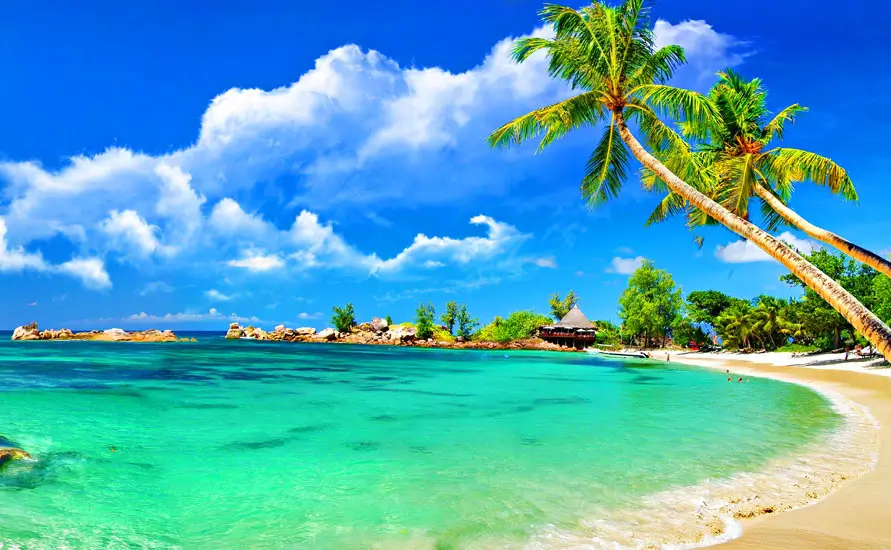 Kerala Backwaters Escape
 Kerala Backwaters Escape
 Kerala Backwaters Escape
 Kerala Backwaters Escape
 Kerala Backwaters Escape
 Kerala Backwaters Escape
 Kerala Backwaters Escape
 Kerala Backwaters Escape
 Kerala Backwaters Escape
 Kerala Backwaters Escape
 Kerala Backwaters Escape
 Kerala Backwaters Escape
 Kerala Backwaters Escape Kerala Backwaters Escape Kerala Backwaters Escape Kerala Backwaters Escape