 Kerala Backwaters Escape

Kerala Tour Packages
Kozhikode – Wayanad – Kannur (Theyyam) – Bekal – Mangalore
At a glance
Most visitors to Kerala never travel north of Kochi, and that is exactly why the Malabar coast rewards the ones who do. Our North Kerala tour follows the old spice-trade shoreline from Kozhikode, where Vasco da Gama dropped anchor in 1498, up through the coffee hills of Wayanad to Kannur, the home ground of Theyyam, and on to the sea fort at Bekal before you fly out of Mangalore. Crowds are thin, beaches are long and empty, and the food, from Thalassery biryani to Kozhikode halwa, is a cuisine of its own.
The heart of this Malabar tour is Theyyam, a ritual art in which a performer, after hours of make-up and song, is believed to become a living deity for the people of the village. It happens in small family shrines called kavus, mostly between December and March, with some events from October to May. Village schedules are set by local custom and can shift at short notice, so our Kannur team tracks the calendar and adjusts your nights to catch a performance. Parassinikadavu, where the Muthappan Theyyam is held almost daily, is the reliable backup.
Drives on this Theyyam tour of Kerala run from two to four hours, and you sleep two nights in each base, so there is time to sit through a long ritual without worrying about an early checkout. A single chauffeur and his air-cooled sedan remain yours from the first airport to the last, while guides who grew up in Malabar take over in Kozhikode, Wayanad, Kannur and Bekal. It works well for curious visitors flying in from America, Britain, Europe or Australia, and for Malabari NRI households keen for their overseas-raised kids to meet the region their grandparents left.
Calicut International Airport sits on a hilltop at Karipur, roughly an hour's drive from the city, and our Malabar representative will be waiting for you beyond the customs doors holding a sign bearing your name. Many flights from the Gulf land here in the early morning, so if you arrive before dawn booking the room from the prior night lets you check in on landing, at a small extra cost. The road into town winds through low laterite hills, rubber plantations and mosques with green-painted minarets, a first sign that the north of Kerala looks and sounds quite different from the backwater south.
When the jet lag has eased a little, a guide collects you around four o'clock for an easy first look at Kozhikode, the trading port that Arab, Chinese and later European merchants all knew as Calicut. You begin at Mananchira Square, a green space built around an old tank that once belonged to the Zamorin rulers, and then walk into SM Street, which locals expand as Sweet Meat Street. Shop counters here are stacked with slabs of Kozhikode halwa in shades of red, green and black, made with coconut oil, jaggery and rice flour, and the sellers will happily cut you a sample of several flavors.
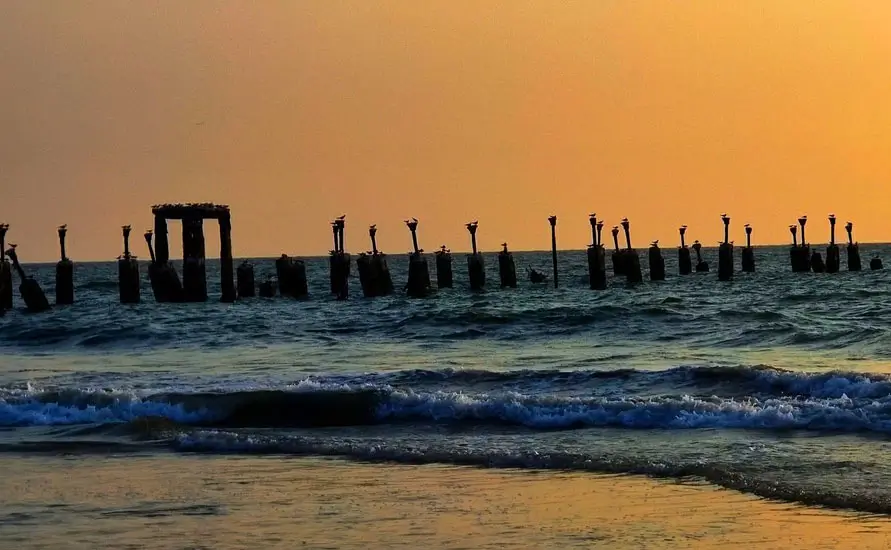
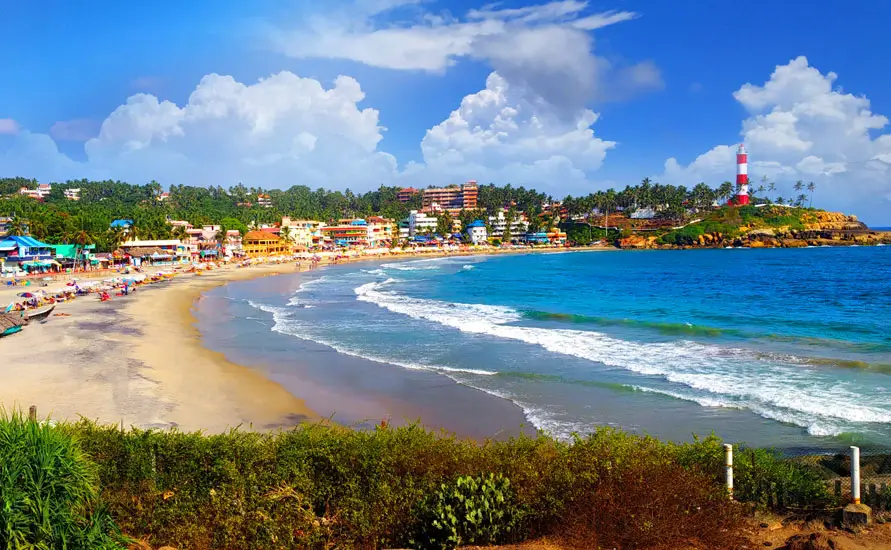
As the light fades you drive the short distance to Kozhikode Beach, where families walk along the promenade, vendors sell sliced raw mango with chili and salt, and the ruins of two old piers stand in the water like a row of broken teeth. The beach faces due west, so the sunset over the Arabian Sea can be very good on a clear evening. Dinner tonight is a chance to try the city's own biryani, made with small-grained kaima rice layered with chicken or mutton in a sealed pot. Overnight in Kozhikode.
A twenty-kilometer run up the coast brings you this morning to Kappad Beach, a quiet sweep of sand with black rocks at one end and a small stone pillar marking the landing of Vasco da Gama in May 1498. Your guide explains why this landfall mattered so much: it gave Lisbon its first all-water link to the pepper ports and led, within a few years, to Portuguese forts along this coast and a century of conflict over pepper. Fishermen usually drag their boats above the tide line nearby, and early in the day you may see them sorting sardines and mackerel straight from the nets.
Back in town you visit Kuttichira, an old Muslim quarter of large joint-family houses built around a pond. The Mishkal Mosque here was raised during the 1300s by Nakhuda Mishkal, a rich Arab shipowner, and it is a striking example of Kerala mosque design, with four storeys of timber, sloping tiled roofs and no dome at all. Visitors of all faiths may usually see the exterior and, with permission, parts of the ground floor; women should cover their hair and everyone should dress modestly. Close by stands the Tali Shiva shrine of the old Zamorin dynasty; only Hindu devotees may pass its gates, so you see it from the street.
Post-lunch, Beypore is a twenty-minute ride away at the Chaliyar estuary. Its shipwrights have been making large wooden dhows called urus for many centuries. Craftsmen still shape the hulls from teak and other hardwoods using hand tools, wooden pegs and coir, and a single vessel can take a team several years to complete. Many of these boats are ordered by buyers in the Gulf. You can watch the work from the yard, then walk the long breakwater at the river mouth as the sun goes down. Dinner tonight could feature kallummakkaya, local mussels stuffed with spiced rice and fried. Overnight in Kozhikode.
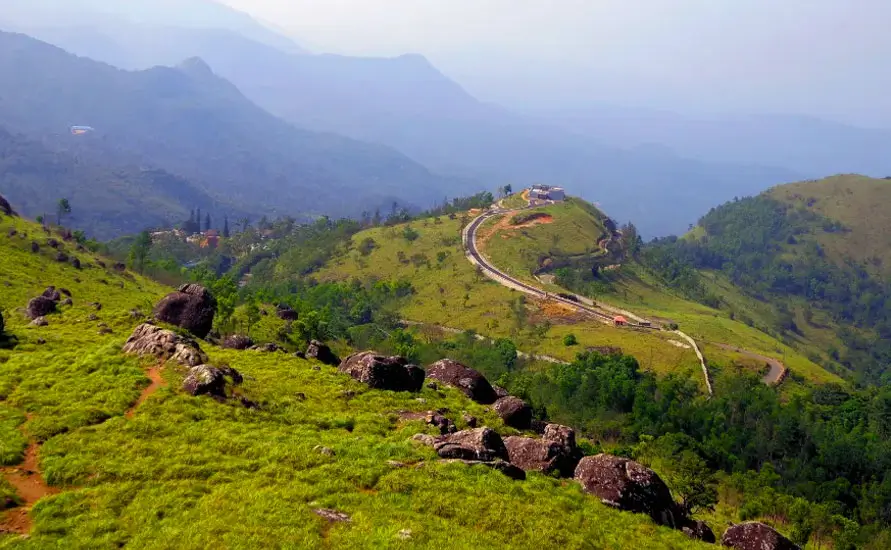
Luggage is loaded once you have eaten, and the car swings east toward the hills. For the first hour you roll across flat coastal country, with areca palms, banana groves and small towns full of shops selling gold jewelry and textiles. Then the road begins to climb up the Thamarassery Ghat, also called the Wayanad Churam, a stretch of nine hairpin bends that rises steeply through the forest. Your driver takes it slowly, and a few lay-bys let you stop and gaze down at the green lowlands stretching to the coast. Weekend traffic can slow this section, so we time the departure to avoid the busiest hours.
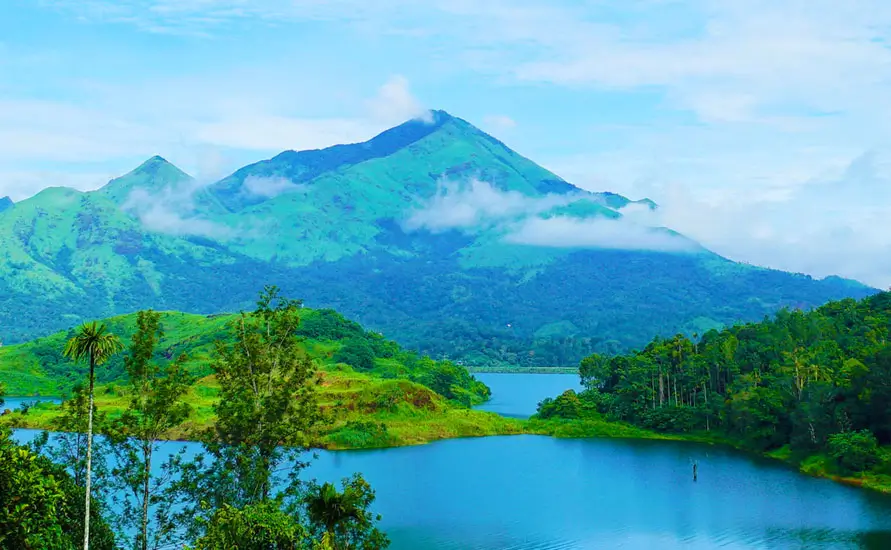
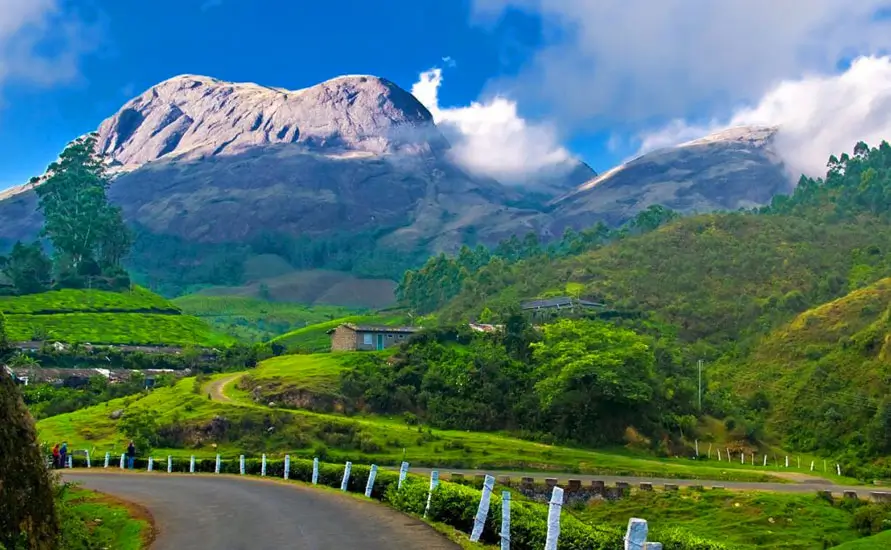
At the top you stop at the Lakkidi viewpoint, often wrapped in cloud, before continuing a few kilometers to Pookode Lake, a spring-fed lake wrapped by evergreen woodland. A paved path loops around the water and pedal or rowing boats can be hired if you want to spend an hour on the lake. Wayanad is one of the few districts in Kerala with a large population of Adivasi communities, and your guide explains how farming, forest rights and tourism have changed life in these hills over the last few decades. The air here is noticeably cooler than on the coast.
You settle for two nights into an estate bungalow or plantation stay among coffee bushes, pepper vines climbing silver oak trees and patches of cardamom. In the afternoon a short walk with the estate staff shows you how coffee cherries ripen, how robusta differs from arabica and how pepper is picked and sun-dried on mats. Wayanad grows a large share of Kerala's coffee, and the fresh filter coffee served on the veranda is a good reason to linger. If you prefer, you can simply rest, read and listen to the birds calling from the canopy as evening sets in. Overnight in Wayanad.
Leave right after an early breakfast for Ambalavayal and the Edakkal Caves. Strictly speaking they are a rock shelter, formed where a giant boulder wedged itself into a fissure high on Ambukuthi Mala. The final climb is steep and takes around 30 to 45 minutes on foot, using a mix of rough paths, steps and iron ladders, so wear proper walking shoes and carry water. Inside, the rock walls are covered with carved figures, symbols and patterns which researchers believe are several millennia old, placing them among the earliest petroglyphs found anywhere in the south. Mondays are a closing day, and daily tickets are capped, so an opening-time arrival is the plan.
Once you are back at the bottom, your guide picks a local eatery and orders Wayanad specialties such as bamboo rice payasam or a plain plate of red rice, fish curry and coconut-laced vegetables. Next comes Banasura Sagar Dam, which holds back a Kabini tributary and is said to be the biggest earthen dam in the country. Small islands rise from the reservoir, formed when the valley flooded, and speedboat rides are available if you would like to get out on the water. On clear days the hills behind the dam stand out sharply against the sky.
If you still have energy, the return route can include a short stop at a spice and coffee shop run by a local farmers' group, where pepper, cardamom, cinnamon and honey are sold by weight. For keen hikers, a guided climb up Chembra Peak to the small lake shaped like a heart can replace the dam visit, though it needs a forest permit, an early morning start and a good level of fitness, and it may be closed at certain times of year. Back at your resort, crickets and the odd rustle in the branches are about all you will hear after dark. Overnight in Wayanad.
Once breakfast is done you roll north through Mananthavady and then down a second, quieter ghat road toward the coast. The descent passes through forest patches and rubber estates, while each lower bend feels a degree or two warmer. On the way your guide can arrange a short stop at a roadside tea shop for banana fritters and sweet milky tea, which is how most local travelers break the trip. By early afternoon you reach Kannur, a coastal district that many Keralites still call by its old name, Cannanore, and your rooms wait at a seafront hotel or heritage homestay.
Kannur is known across Kerala for three things: handloom weaving, Theyyam and some of the best beaches in the state. After lunch your guide takes you into a handloom weaving cooperative, where weavers produce cotton bedsheets, towels and furnishing fabric on large wooden looms, much of it for export. You can watch the warp threads being prepared and the shuttle flying back and forth, and there is a small shop if you want to buy something directly from the makers. The craft took root here during the colonial period, when a German mission trained local weavers in new techniques.
In the evening your Kannur guide briefs you on the week's Theyyam calendar. Shrines usually announce their festival dates on posters, in local newspapers and by word of mouth, and the ritual can begin in the late evening or continue through the night and into the dawn. If a performance is scheduled tonight at a nearby kavu, you can go for a few hours after dinner and return to the hotel whenever you like. If not, your guide uses this time to explain what you will see: the invocation song, the make-up, the costume and the moment the deity is believed to arrive. Overnight in Kannur.
If a village shrine holds its ritual at dawn, you leave the hotel very early and sit with local families on the ground near the shrine courtyard. A Kannur Theyyam usually begins with the thottam, a long invocatory song sung to the beat of the chenda drum while the performer stands in a simpler costume. Then, after a break for make-up made from rice paste, turmeric and natural pigments, he returns in a towering headdress and a skirt of tender coconut fronds and begins a powerful, often fierce dance. Some forms involve fire. Dress modestly, keep a respectful distance, never use flash and follow your guide's lead on where to stand.
Following a nap and a late breakfast, it is roughly 20 km down the coast to Thalassery, where the English East India Company kept an early factory, and today known for its biryani, its cakes and its place in the early history of cricket and the circus in India. Your guide leads you around the old Thalassery Fort, raised by the Company's traders around 1708, and the Gundert Bungalow at Illikunnu, home for years to Hermann Gundert, the Württemberg scholar whose pioneering dictionary and grammar shaped written Malayalam. Lunch is the famous Thalassery biryani, cooked with fragrant kaima rice and fried onions, at a long-running local eatery.
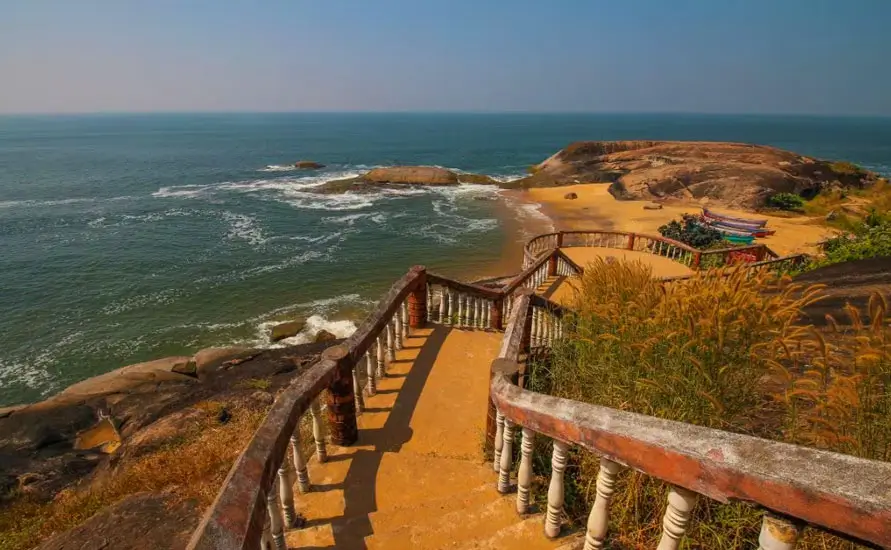
Heading back north you pull in at Muzhappilangad Beach, a beach so compact underfoot that families park and even drive their cars along the waterline at ebb tide. Your driver can take the car onto the sand for a slow run along the water's edge if conditions are safe. You then visit St. Angelo Fort in Kannur town, a triangular laterite fort built by the first Portuguese viceroy in 1505 then passed to Dutch and later British hands, and the nearby Arakkal Museum, set in the palace of Kerala's only Muslim royal family. Evening Theyyam is possible again if a shrine is active. Overnight in Kannur.
Early this morning you drive about 20 km to Parassinikadavu, on the bank of the Valapattanam River, where the Muthappan Temple holds a Muthappan Theyyam almost every day, usually at dawn and again in the evening. Unlike many Kerala temples, it welcomes visitors of every faith and background, and after the ritual devotees and guests are offered tea and boiled beans as prasadam. The deity is associated with hunters and the working poor, so the offerings include toddy and dried fish, which your guide explains in context. This is the most dependable place in Malabar to see the art form if no village festival falls on your dates.
After breakfast you continue north toward Kasaragod district, crossing several rivers and passing the old trading town of Payyanur, known for its bronze and bell-metal lamps. The coastline here is lined with coconut palms, fish-drying racks and small mosques, and traffic is light compared with central Kerala. Around midday you arrive in Bekal, where a seaside resort is home for two nights. Bekal was chosen by the Kerala government as a special tourism area, but development has been slow and careful, so the beaches remain open and uncrowded, with only a handful of resorts set back among the palms.
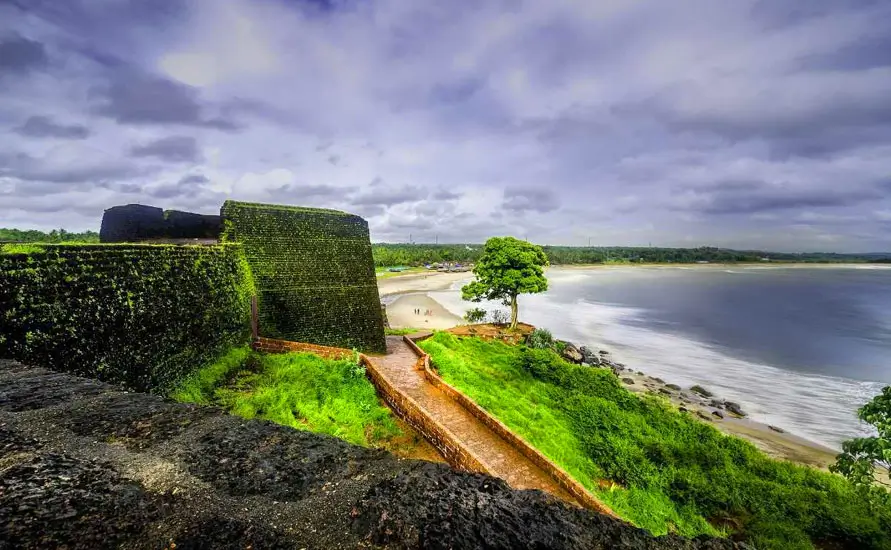
When the heat drops in late afternoon, head up to Bekal Fort. No fort in Kerala covers more ground, and it went up in the 1600s when the Keladi Nayaka ruler Shivappa Nayaka controlled this coast. Seen from above, its laterite walls trace a keyhole shape across a rocky promontory pushing out into the waves, and an observation tower in the center was used to keep watch over shipping. Indian film fans may recognize the walls from a well-known song in the 1995 movie Bombay. Walk the ramparts as the sun sinks toward the horizon, then descend to the beach below for a cool breeze before dinner. Overnight in Bekal.
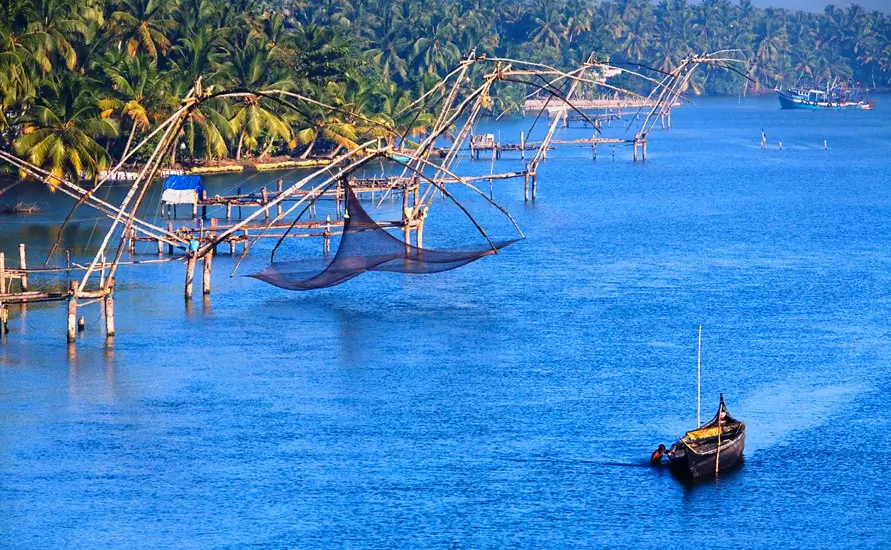
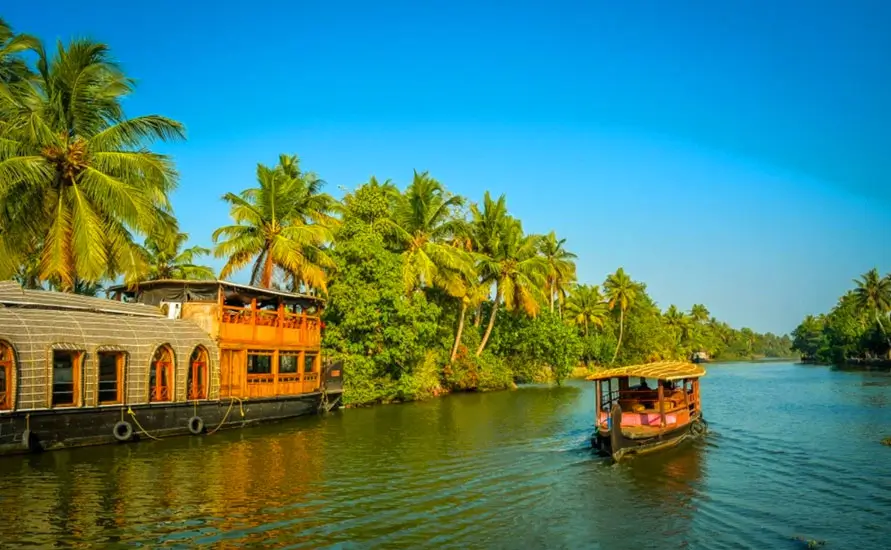
Most people link Kerala's backwaters only with Alleppey, but the north has its own quieter version at Valiyaparamba, a long, narrow island strip between the sea and a lagoon fed by several rivers. After breakfast you drive about 40 km south to the jetty near Nileshwar and board a private day boat for a cruise of several hours. There are only a few boats operating here, so the water often feels almost empty, with fishermen casting nets from canoes, mussel farms marked by bamboo poles and small villages along the banks. Lunch of Kerala fish curry, rice and vegetables is served on board.
On the way back to Bekal you stop at Chandragiri Fort, a compact laterite stronghold perched over the Chandragiri River and tied to the same Keladi ruler. Hardly anyone comes here, and its walls give a clear view over the estuary where fresh water runs into the Arabian Sea, with paddy fields and coconut groves stretching inland. Your guide may also take you past the Malik Dinar Mosque in Kasaragod town, associated with one of the earliest Muslim missionaries said to have reached Kerala. Non-Muslim visitors can usually view it from the outside, and shoulders and knees should stay covered around it.
You have the remaining hours of the day to yourself back at the resort. You might book an Ayurvedic massage, swim if the sea is calm and a lifeguard is present, or walk the shore at Kappil or Pallikere Beach as the fishing boats come in. Kasaragod has its own food traditions, influenced by neighboring Tulu-speaking Karnataka, and your hotel kitchen can prepare dishes such as neer dosa or a coconut-rich chicken curry if you ask in advance. Pack this evening, as tomorrow you cross the state border for your flight home. Overnight in Bekal.
After breakfast and checkout, you drive north along the coastal highway into Karnataka, crossing the Netravati River as you approach Mangalore. A later departure leaves time for a brief visit to St. Aloysius Chapel, whose walls and ceilings are covered with paintings by an Italian Jesuit artist, or for a quick lunch of Mangalorean fish curry. Mangalore International Airport is on a plateau at Bajpe, north of the city, with direct flights to the Gulf and connections through Mumbai and Bengaluru to Europe and North America. Your driver will have you at departures comfortably ahead of the check-in deadline.
These nine days have shown you a part of Kerala that most tourists miss: a medieval trading port, coffee hills, two coastal forts, a backwater with almost no boats and a ritual art that still belongs to the villages that perform it. If you would like to return in another season, we can plan a trip that links this coast with Coorg, Mysore or the southern backwaters around Alleppey, or time a visit to a specific Theyyam festival. Our Malabar team wishes you a smooth flight back.
Your Journey

N.S. Rathore & Mrs. Omlata Rathore · Managing Director
We still read every enquiry ourselves. Tell us the places you liked and our planners will send a day-by-day route with drive times and a clear price.
Every package can be customised and no pressure to book. A planner from our office replies within 24 hours with a route written for your group.
Fill this in and your planner will send a first draft itinerary.
Explore more
Kerala Backwaters Escape Kerala Backwaters Escape
 Kerala Backwaters Escape
 Kerala Backwaters Escape
 Kerala Backwaters Escape
 Kerala Backwaters Escape
 Kerala Backwaters Escape
 Kerala Backwaters Escape
 Kerala Backwaters Escape
 Kerala Backwaters Escape
 Kerala Backwaters Escape
 Kerala Backwaters Escape
 Kerala Backwaters Escape
 Kerala Backwaters Escape