 Kerala Backwaters Escape

Kerala Tour Packages
Kochi – Guruvayur – Munnar – Alleppey – Trivandrum
At a glance
Grandparents in Kerala often say the same thing to families who live in Dubai, London or New Jersey: the children should see where they come from. Our Kerala tour for NRI families turns that wish into eight practical days. You start in Kochi, spend a morning at the Guruvayur temple town, cool down in the tea hills of Munnar, float through the Alleppey canals on a private houseboat and close the trip at the Padmanabhaswamy temple in Trivandrum. Guides are briefed to explain rituals, food and family customs in plain English, so a twelve-year-old raised abroad follows every story.
Pace matters when you travel with children and older parents. Drives are broken with lunch and restroom stops, most mornings start after a relaxed breakfast, and the plan leaves room for a nap, a swim or a visit to relatives on the way. The Kerala tour for NRI families keeps one vehicle with you all week, big enough for the luggage of three generations, with child seats on request and a driver fluent in both English and Malayalam. Meals can be kept mild for young eaters, and we can arrange vegetarian, Jain or non-vegetarian food at every stop.
Please note that the Guruvayur temple admits Hindus only, and the same applies to the inner shrine of Padmanabhaswamy in Trivandrum; we plan alternatives nearby for family members who cannot enter. Many families use this Kerala family tour package to book a first-rice ceremony (choroonu) or a thulabharam offering, and we help with the paperwork and timing. Dates, hotel category and the order of stops can be adjusted. Families who dislike heat usually book between October and March, when humidity eases, while the Onam weeks in August or September suit families who want festival food and flower carpets.
Most flights from the Gulf, Singapore and Europe touch down at Cochin International Airport either at dawn or late in the evening, and at both hours someone from our Kochi office stands at the exit gate with your surname written in large letters. Luggage goes into a vehicle chosen for your group size, whether that is a seven-seater for four people or a tempo traveler for three generations. The drive to your Kochi hotel takes roughly an hour, depending on traffic on the airport road. Bottled water and a short printed plan for the week are in the car, so the children know what is coming.
The first afternoon is deliberately empty. Jet lag hits young travelers hardest, and a long nap or a swim in the hotel pool does more good than any sightseeing. If relatives live in Ernakulam or nearby towns, this is a sensible evening to meet them, and your driver can take you there and back. Parents who want to change money, buy a local SIM card or pick up forgotten toiletries can do that at a mall close to the hotel. Our local coordinator calls in the evening to confirm timings for tomorrow and to note any food preferences, allergies or special requests for the trip.
Families with energy left can stroll along the Marine Drive walkway in Ernakulam around sunset, when the breeze comes in from the harbor and local families come out for ice cream and roasted corn. Small boats cross toward Bolgatty and the container terminal glows on the far side of the water. It is a gentle introduction to city life in Kerala, with no tickets, no queues and no dress code. For dinner, choose the hotel restaurant or a family-run place serving appam, stew and fried fish, with milder dishes for the children. Overnight in Kochi.
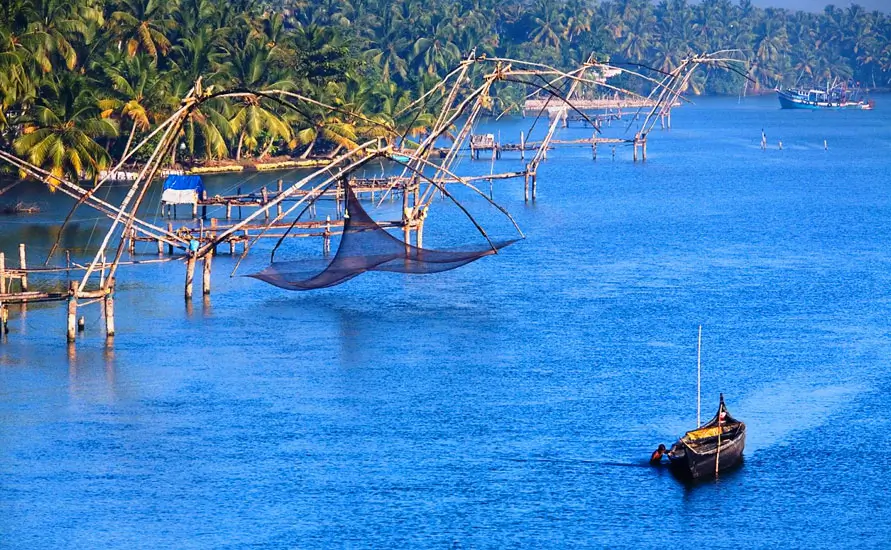
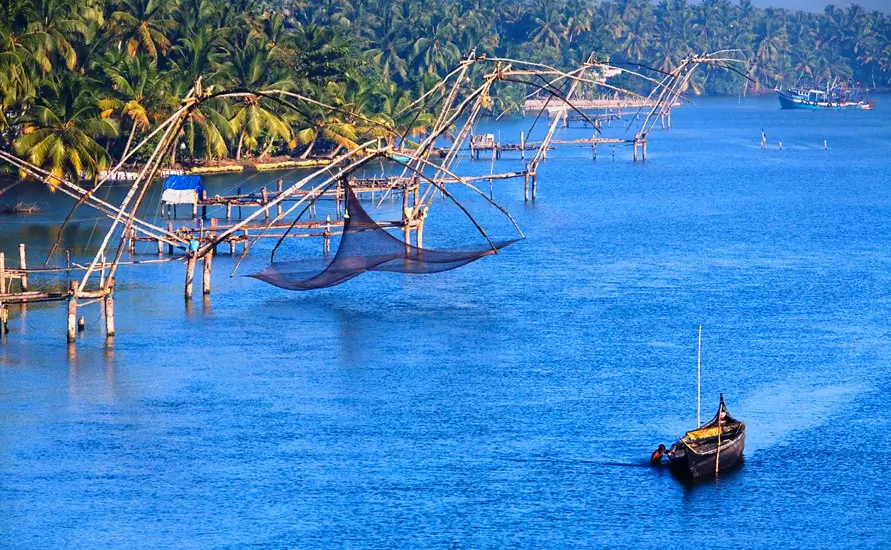
After breakfast your guide meets the family for a morning in Fort Kochi, which is where many Kerala stories about trade and travel begin. Children usually love the Chinese fishing nets most, because the fishermen sometimes let visitors help pull the ropes and lift the net out of the water. Your guide explains how the cantilever works with heavy stones as counterweights, and how the catch is sold straight to stalls nearby. A few minutes on foot brings you to St. Francis Church, the old resting place of Vasco da Gama before his remains went back to Lisbon, and then the walled Dutch cemetery, which most children find quietly fascinating rather than spooky.
Later the car carries you a short way to Mattancherry. Inside its Dutch Palace, painted bedroom walls retell Ramayana episodes, and a gallery shows the Kochi rajas in their robes and turbans. Fridays are its weekly closing day, and if yours lands on one, we swap the order around. Around the corner, Jew Town's narrow streets are packed with spice godowns, antique shops and small cafes, and the Paradesi Synagogue can be visited except on Fridays, Saturdays and Jewish holidays. Guides who work with NRI families tend to link these places to the bigger picture: why pepper pulled one European power after another to this coast, and why Kerala has Jewish, Christian and Muslim communities that go back centuries.
Lunch is a good chance to sit down for a proper Kerala meal, with rice, sambar, avial, thoran and payasam, while the guide explains what each dish is and how it is eaten with the right hand. The afternoon is free for rest. Around 5 pm the car takes you back across to the Kathakali theater, timed so you sit down early to watch an artist apply his own green face paint, rice-paste frame and red eye color. Ask your guide to point out the hand gestures for anger, love and fear before the show, so the children can spot them on stage. Overnight in Kochi.
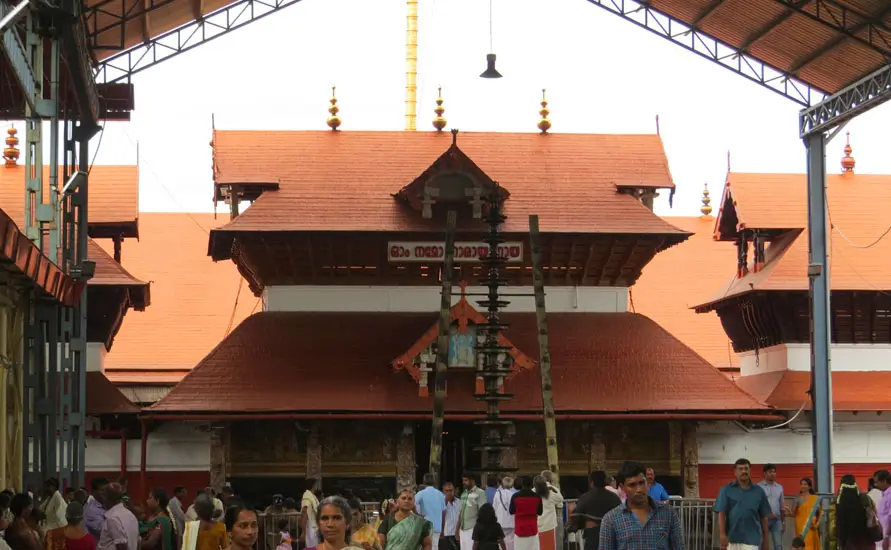
An early breakfast sets up the drive north to Guruvayur, one of the most visited Krishna temples in India and a place many NRI grandparents speak about with deep feeling. The road passes through Paravur and Kodungallur, with small churches, mosques and temples standing side by side, which is worth pointing out to children who are used to very different neighborhoods abroad. You check in to a hotel within walking distance of the temple around late morning, change into traditional clothes if you plan to go inside, and leave valuables, phones and leather items in the room or at the counters near the entrance.
Only Hindus may pass the gates of the Guruvayur temple, and staff at the entrance check clothing closely: a bare chest and a mundu for men, and for women a saree, a long skirt with blouse, or a salwar kameez. Weekend and festival-day lines can stretch for hours, so your guide suggests the quieter windows. Families often book a choroonu, the first rice-feeding ceremony for a baby, or a thulabharam, where a person is weighed against bananas, sugar or another offering that is then given to the temple. We can arrange the booking through the temple office in advance if you send us the details before you travel.
Family members who do not enter can spend the afternoon at the Guruvayur Devaswom Institute of Mural Painting, where students trace gods and epic scenes in natural pigments, and visitors of any background are welcome to watch. The streets around the eastern entrance are full of brass lamp shops, sandalwood paste sellers and stalls selling the small banana chips the town is known for. In the evening, the temple lamps are lit and devotional music drifts across the square, which your guide can explain from outside the walls. Dinner is simple vegetarian food, in keeping with the town. Overnight in Guruvayur.
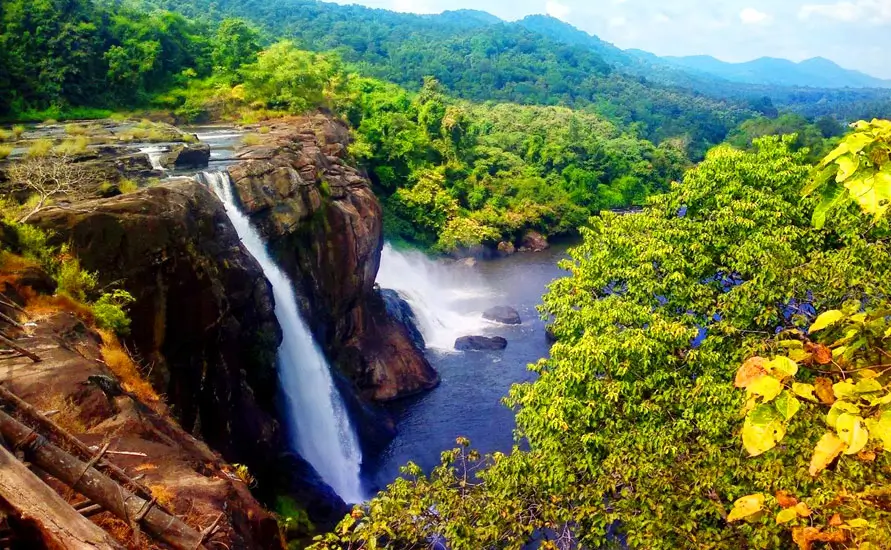
No other day of the week has as many hours on the road, so we split it into sensible pieces. You leave Guruvayur after breakfast and head south through Thrissur, where the driver can point out the Vadakkunnathan temple grounds that host the Pooram festival every spring. About two hours in, a detour to Athirappilly Falls gives the children a reason to stretch their legs: a paved path leads to a viewpoint above the falls, and a steeper trail goes down toward the base. Water volume peaks once the rains have filled the Chalakudy river, roughly August to November, and thins to a gentler curtain by March and April.
After a lunch break near Chalakudy, the road climbs through rubber estates and then into cardamom and tea country beyond Adimali. Children prone to motion sickness do better in the front row with a travel tablet taken before the hairpin bends begin, and the driver will stop whenever needed. Roadside waterfalls like Cheeyappara and Valara appear on the left after Neriyamangalam, especially in the wetter months, and a quick photo stop there is a family tradition for many Kerala households. By the final hour the air turns cool enough for a sweater, so keep one on top of the bags rather than in the trunk.
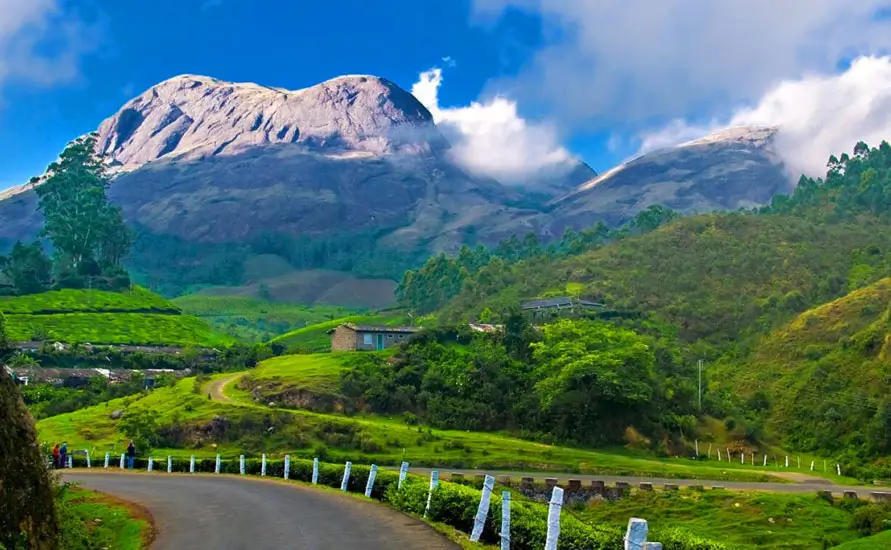
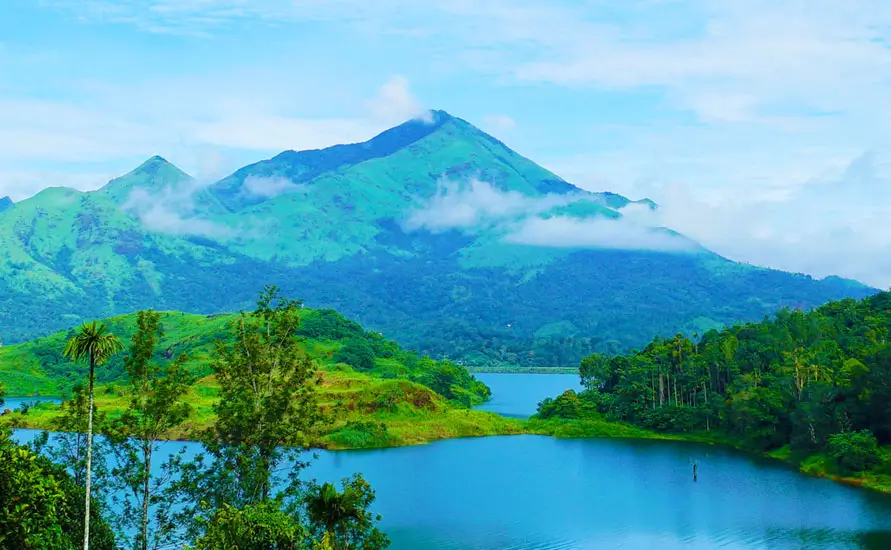
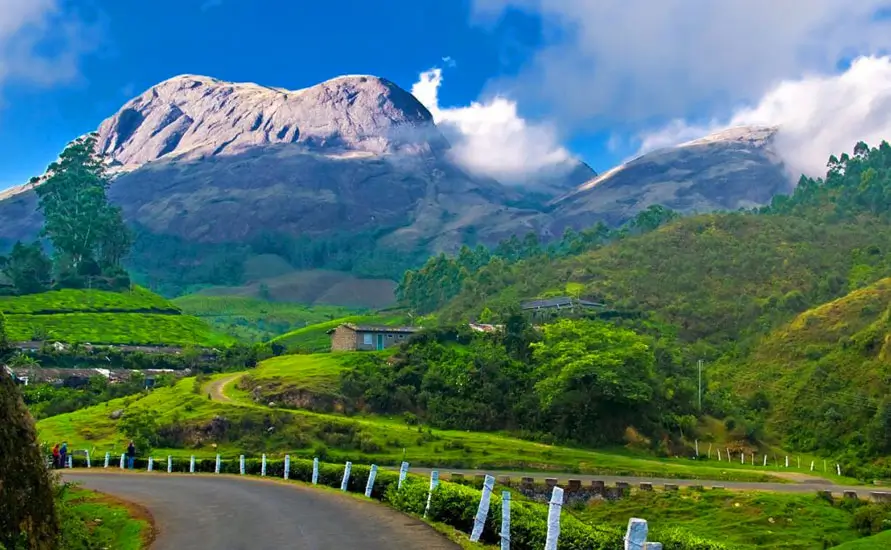
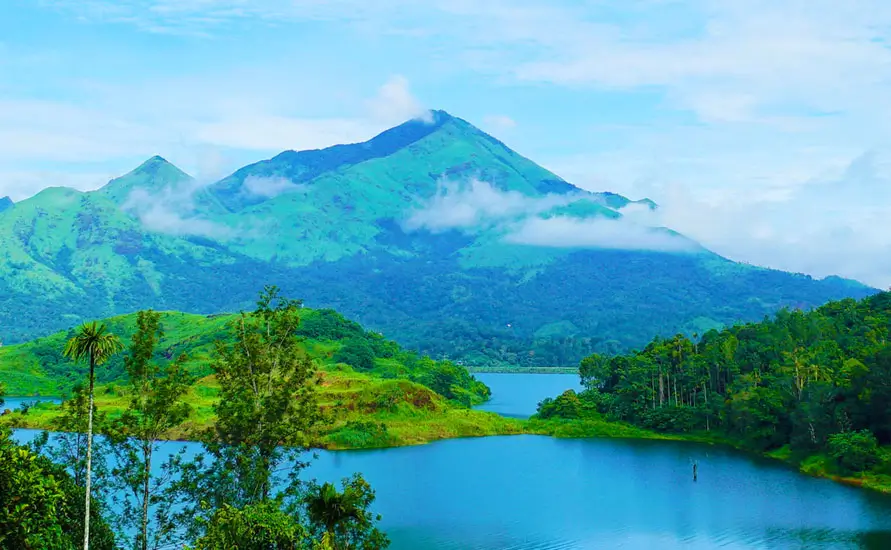
Arrival in Munnar comes around four or five o'clock, with tea bushes clipped into neat green rows on every slope around town. Your hotel or tea estate resort is chosen with families in mind, often with interconnecting rooms or a cottage that sleeps everyone together. Evenings in the hills can be cool even in April, and a hot cup of local tea with banana fritters by the fire is a welcome end to the drive. There is nothing planned for tonight beyond dinner, so the children can rest before a full day outdoors tomorrow. Overnight in Munnar.
Start with the Munnar tea museum run by Kanan Devan Hills Plantations, where a short film and an old rolling machine explain how leaves picked on the slopes outside become the tea your grandparents drink every morning. The working factory section shows withering, rolling, drying and sorting, and the smell alone tends to stay with children for years. Afterward, your guide can take the family to a tea estate road where pluckers are at work, so the kids can see the baskets and the speed of their hands. Please ask before taking photos of the workers, and keep a respectful distance from the bushes.
Mid-morning, weather permitting, you head for Eravikulam National Park, leaving the car at the gate and boarding the official shuttle that climbs toward Rajamala. Nilgiri tahr, the sure-footed wild goat of these hills, often graze near the road, though no ranger can promise them on a given morning. Around February and March calving keeps the gates closed for several weeks, and in that window we swap it with Lockhart Gap viewpoint or the Pothamedu view over the valley. Bring water and a cap, since the walking section is open and the sun can be strong at this height.
After lunch the family heads toward Top Station road, stopping at Mattupetty dam and then at Kundala lake, where pedal boats and rowboats are available for hire. Echo Point sits on the same road, and children rarely leave before testing it with their own names called out over the lake. Back in town, the market has homemade chocolate, cardamom, cinnamon sticks and Kerala tea packed for travel, which makes useful gifts for families and friends abroad. In the evening, you can join a short guided walk around the resort or simply sit out under the stars, which are easy to see on clear nights here. Overnight in Munnar.
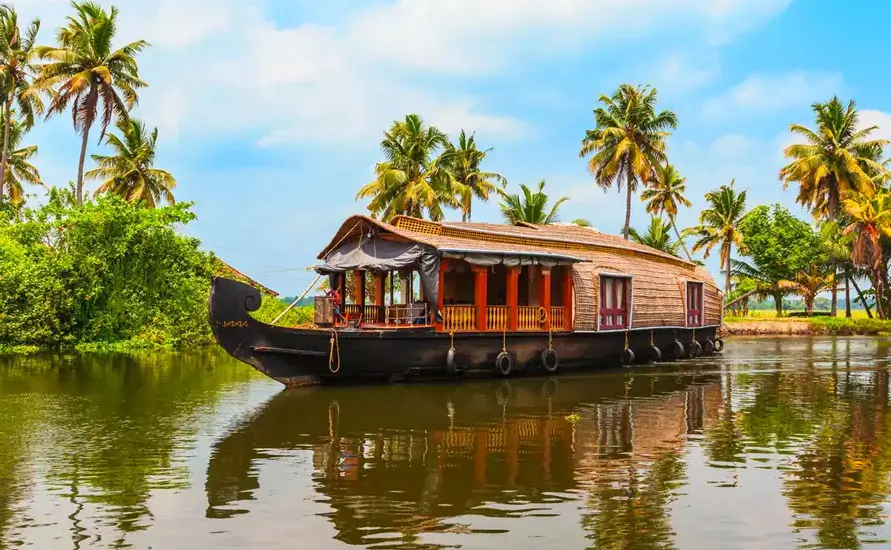
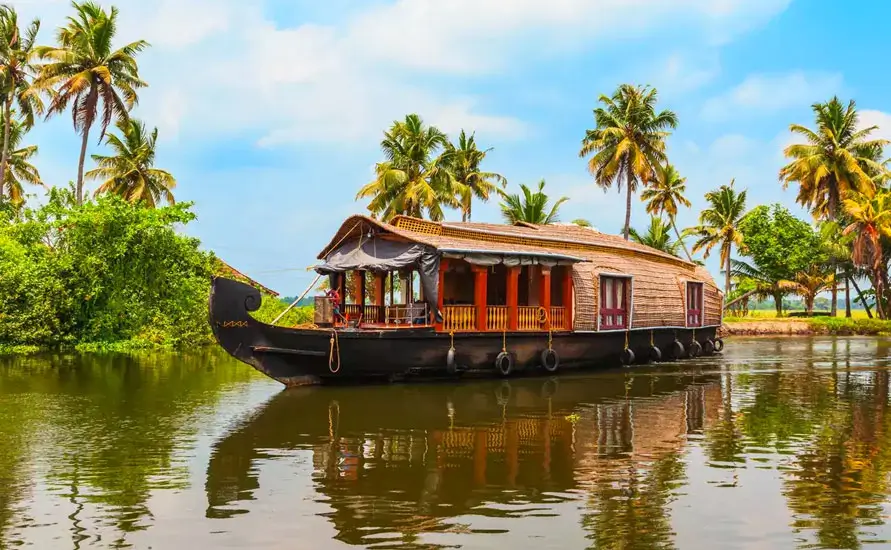
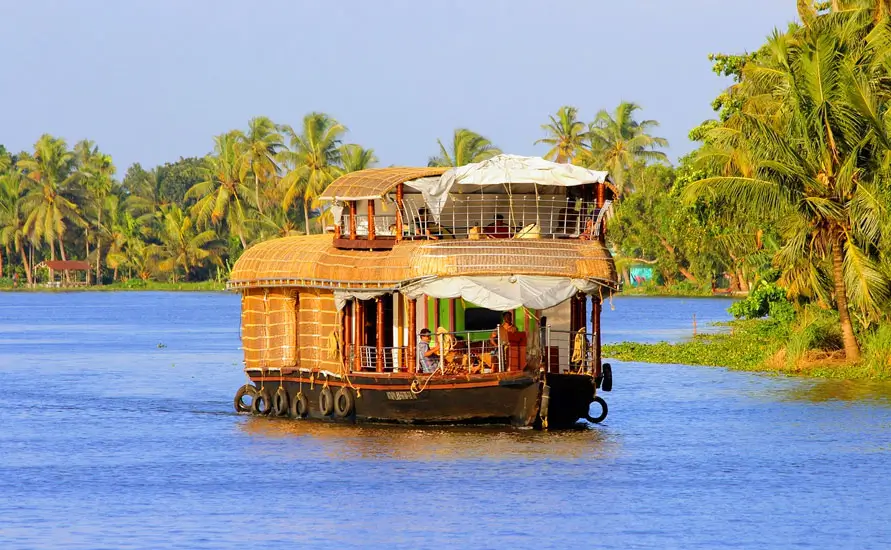
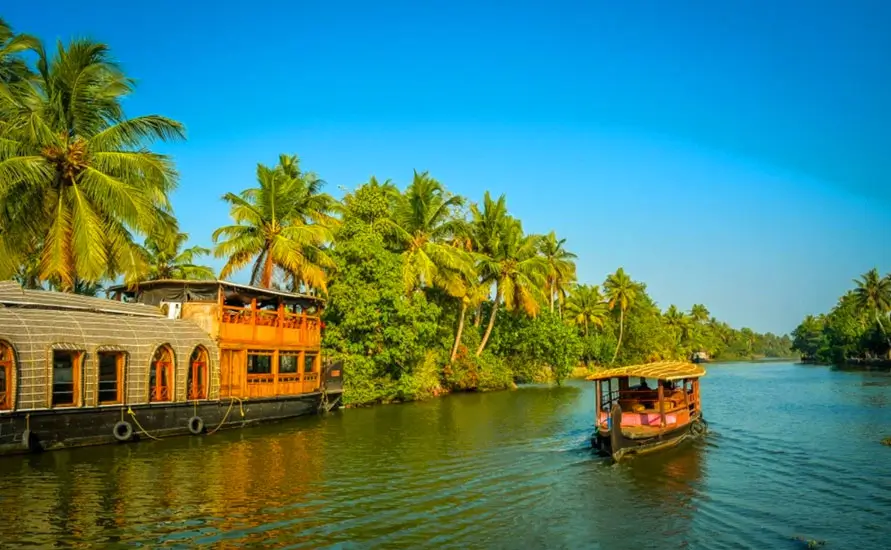
An early start from Munnar means you are on the water in Alleppey by lunchtime. The drive descends through spice gardens and pineapple fields around Kothamangalam, then joins the flat, busy plains toward Kottayam and Alleppey. Your driver times a break midway so nobody arrives hungry or cranky. Houseboat check-in is usually around noon or early afternoon, and the crew of two or three welcomes you with fresh coconut water. Families get a boat with an upper deck railing, life jackets in children's sizes, and private cabins, each with its own bathroom, cooled by an air conditioner the crew switches on after dark.
Once you are settled, the boat glides away from the jetty into canals lined with coconut palms, rice paddies sitting lower than the canal itself, and small homes with laundry steps leading down to the water. Ask the cook in advance for mild curries without too much chili, and for familiar items such as chapati or plain rice and dal if the children are fussy. Lunch is typically fish fry, vegetable stir-fries, sambar and rice, served on the open deck. Later the crew ties up beside a hamlet, giving everyone half an hour on the earthen bund to watch coir rope twisted by hand and peek into a small chapel or temple.
Rules require the engine off by early evening, so the crew moors beside a quiet stretch of bank until morning. This is when families tend to remember the trip best: children fishing with a simple line, grandparents telling stories of their own childhood on the backwaters, and the sound of ducks being herded home. Mosquito repellent is useful at dusk, and the crew sets up nets or plug-in repellents in the rooms. Dinner follows around 8 pm, often with a karimeen fish fry or chicken curry for those who want it, and vegetarian dishes on the side. Overnight on the houseboat.
Breakfast on board is usually puttu with kadala curry or dosa, before the boat heads back to its home jetty for a 9 am checkout. The drive south to Trivandrum follows the coastal highway through Kayamkulam and Kollam, where the canals of the backwaters meet the sea. Your driver can stop at the Ashtamudi lake viewpoint or at a cashew factory outlet in Kollam, which produces some of the best cashews in India. Reaching the capital around lunchtime, you settle into either a city hotel or a beach property at Kovalam, whichever fits the family.
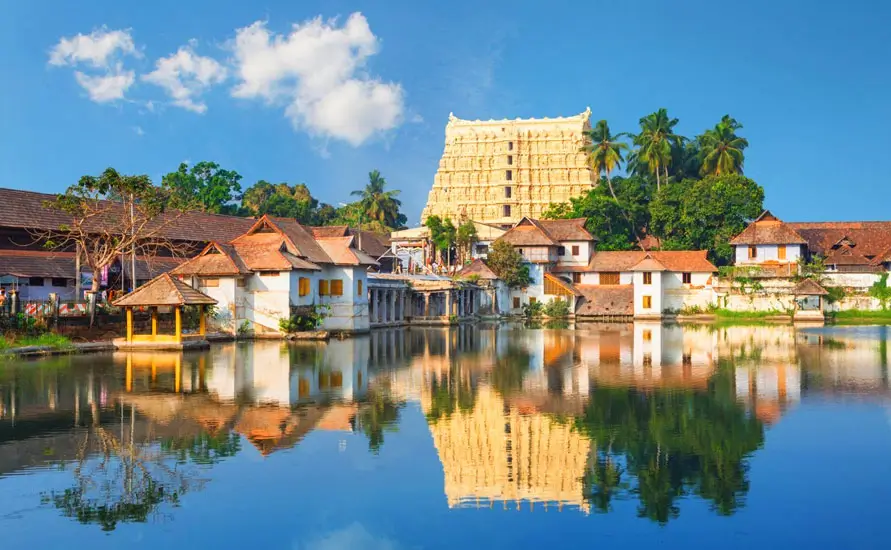
After lunch your guide waits by the east gate of the Padmanabhaswamy Temple, whose deity is Vishnu lying on the coils of a serpent, a sight that draws pilgrims from across South India. Entry is restricted to Hindus, and the dress code is firm: men in a mundu without a shirt, women in a saree or a dhoti worn over trousers, with no phones or cameras inside. Anyone not going inside can spend the hour at Kuthiramalika, the palace museum beside the temple tank, built by the Travancore king Swathi Thirunal, with carved wooden brackets shaped like horses; the museum is closed on Mondays. The guide can tell the children how the royal family ruled Travancore until 1949.
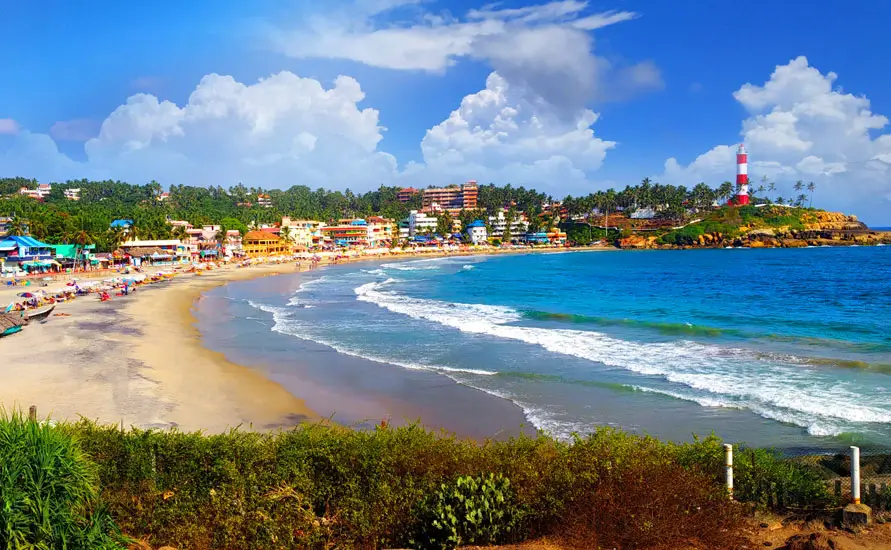
Around 4:30 pm the car heads to Kovalam, about 30 minutes away, where the lighthouse beach is a lively place to watch the sun go down. The lifeguard flags tell you where swimming is safe; the waves can be strong, so children should stay close to the shore. Cafes along the promenade serve fresh seafood, fruit juices and simple pasta for the kids, and you can pick up a final round of souvenirs such as handloom cotton or wooden toys. This is the last evening of the trip, a good time to take a family photo with the lighthouse behind you. Overnight in Trivandrum.
After a last breakfast, an afternoon or evening flight leaves room for one more swim, a stroll on the sand or a short stop at the Napier Museum gardens in the city. Your driver transfers the family to Trivandrum International Airport, about 20 to 30 minutes away, leaving a comfortable margin for check-in. Direct flights connect Trivandrum with the Gulf, and onward connections reach the UK, the US, Canada and Australia.
Over eight days your children have seen the temple traditions their grandparents grew up with, eaten from banana leaves, watched tea being made where it grows, and slept on a houseboat. We hope the trip gives them their own memories of Kerala to carry home. Should Onam, Vishu or a cousin's wedding bring you back, our team can plan a new trip around the dates.
Your Journey

N.S. Rathore & Mrs. Omlata Rathore · Managing Director
We still read every enquiry ourselves. Tell us the places you liked and our planners will send a day-by-day route with drive times and a clear price.
Every package can be customised and no pressure to book. A planner from our office replies within 24 hours with a route written for your group.
Fill this in and your planner will send a first draft itinerary.
Explore more
Kerala Backwaters Escape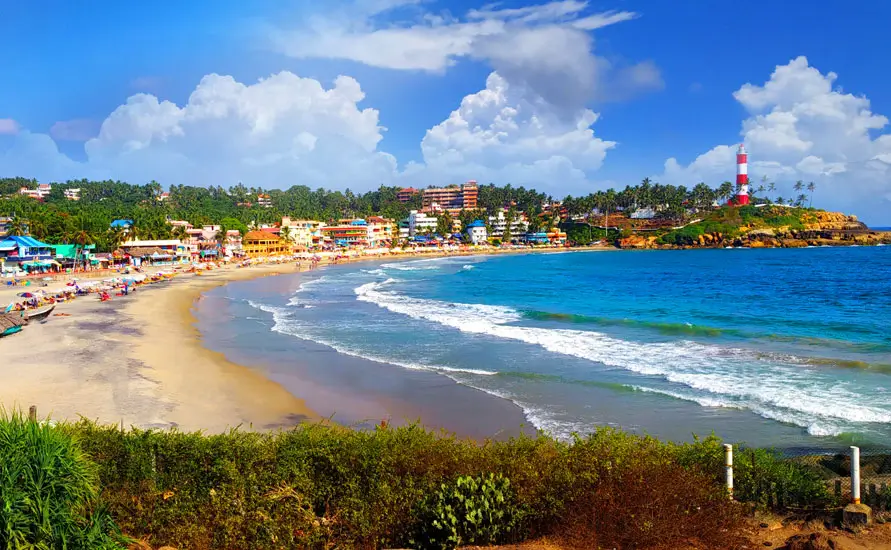 Kerala Backwaters Escape
 Kerala Backwaters Escape
 Kerala Backwaters Escape
 Kerala Backwaters Escape
 Kerala Backwaters Escape
 Kerala Backwaters Escape
 Kerala Backwaters Escape
 Kerala Backwaters Escape
 Kerala Backwaters Escape
 Kerala Backwaters Escape
 Kerala Backwaters Escape
 Kerala Backwaters Escape
 Kerala Backwaters Escape