 Kerala Backwaters Escape

Kerala Tour Packages
Kochi (cooking class) – Kumarakom (village cooking) – Thekkady (spice farm) – Alleppey – Kochi
At a glance
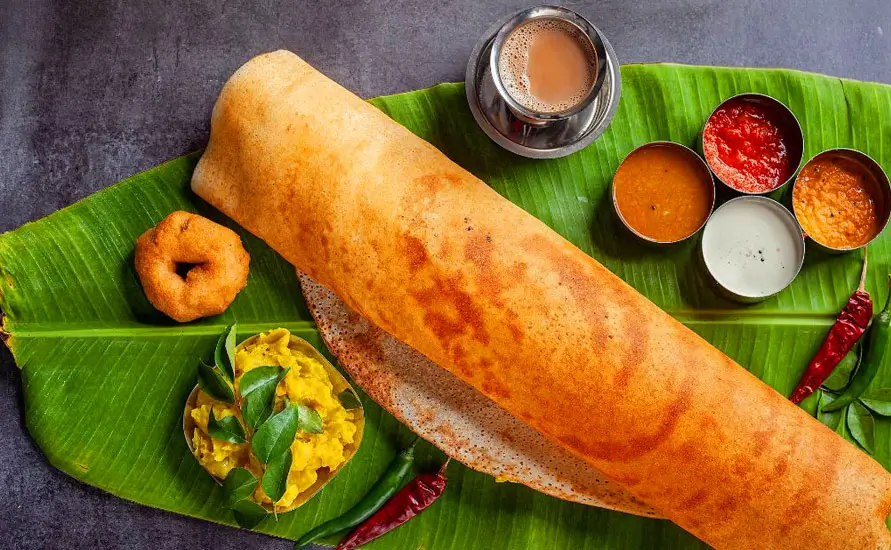
Kerala food makes the most sense when you stand next to the person cooking it, so our Kerala cooking and culinary tour puts you at the stove almost every day. Over ten days you learn coconut-based curries with a home cook in Kochi, grill pearl spot fish over a wood fire in a Kumarakom village, pick green pepper and cardamom on a Thekkady spice farm, and watch a houseboat crew turn a tiny galley into a full kitchen on the Alleppey backwaters. Every lesson ends the same way, with you sitting down to eat what you made.
The route is short and gentle on purpose. No single drive tops roughly four hours, most hotels hold you for two or three nights, and the sessions are hands-on rather than demonstrations behind a counter. Classes are private, so a vegetarian, a nervous beginner or a keen home chef from Toronto all get a lesson pitched at the right level. Between the cooking you still see the sights that matter, from the spice warehouses of Mattancherry to the paddy fields of Kuttanad, with a private car, driver and local guides throughout.
This Kerala culinary tour works well for couples, small groups of friends and NRI families who want children to learn the dishes their grandparents cooked. Recipes are written down for you after each Kerala cooking class, with notes on which ingredients you can find at home and what to swap if you cannot. Dry, comfortable weather lasts from October to March, yet the rainy season from June to August suits cooks too, with lush fields, softer hotel rates and steaming bowls of pepper rasam on every table.
Day or night, someone from our Kerala office stands outside the Cochin airport terminal with a name board, ready to load your bags. Reaching the Fort Kochi side of the city means ninety-odd minutes on the road, over the bridges and islands of greater Kochi, and your driver will point out the banana chip fryers and fish sellers working beside the highway. Standard check-in begins after lunch, so for a dawn landing we recommend booking your room from the night before, which means a pillow the moment you arrive and a clearer head for the first tasting walk.
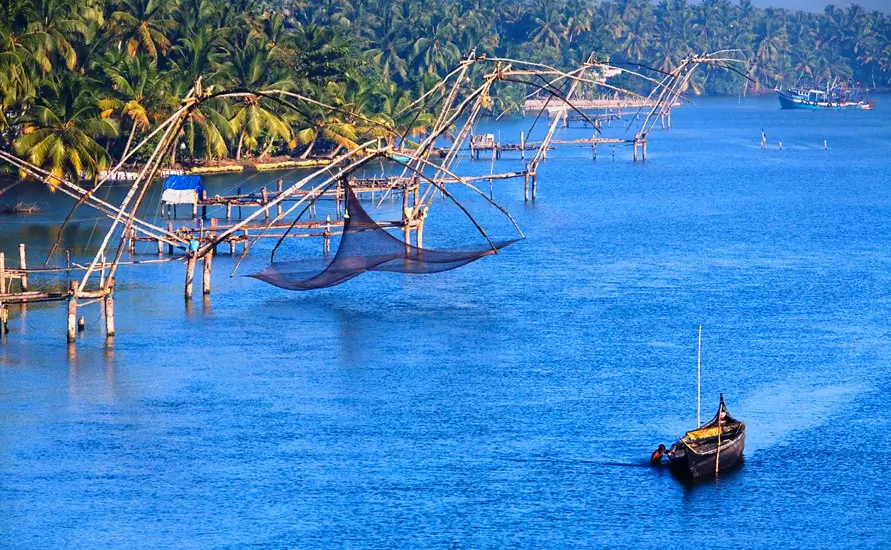
After a rest, your guide collects you around five o'clock to wander the sea wall and sandy fringe of Fort Kochi. The large cantilevered fishing nets are being worked at this hour, and the best part for a food lover is what happens behind them: a row of small fish stalls selling the day's catch, from tiger prawns and squid to red snapper and the occasional lobster. You can point at what you want, haggle a little with help from your guide, and carry it to one of the tiny kitchens nearby that will fry or grill it with a Kerala masala for a small charge.
While you eat, your guide goes over the week ahead and notes any allergies, how much chili you enjoy and foods you avoid, details we share with each cooking host before you arrive. You also get a first look at the core ingredients that turn up in nearly every lesson: coconut in three forms, curry leaves, black pepper, the sour fruit called kudampuli and fresh coconut oil. After dinner the short walk back to the hotel passes old Dutch and Portuguese houses that now serve as guesthouses and cafés. Overnight in Kochi.
The morning belongs to Mattancherry, the old trading quarter where pepper, ginger and turmeric were weighed and shipped for centuries. Your guide leads you down Bazaar Road, where wholesale merchants still work from high-ceilinged godowns and sacks of dried ginger lie open in sunny courtyards. Two short visits follow: the Mattancherry Palace, with its finely kept wall paintings from the Ramayana, and the 16th-century Paradesi Synagogue a few lanes beyond. Friday closes both buildings, and Saturday plus Jewish holy days close the synagogue as well, so the Kochi days get swapped around if your dates clash.
After a light lunch you head to a family home in Fort Kochi for the first proper Kochi cooking class of the trip. Your host, usually the woman of the house who has cooked for her family for decades, welcomes you into a working kitchen rather than a studio. Sitting on a low wooden stool fitted with a serrated blade, you shred fresh coconut the old way, squeeze out thick and thin coconut milk, and learn why the order in which you add them matters. The main dish is fish molee, a mild, turmeric-yellow curry with green chilies and ginger that shows the Portuguese and Syrian Christian influence on Kochi cooking.
Alongside the molee you make soft, lacy appam from a fermented rice batter, swirling it in a small curved pan so the edges crisp while the center stays spongy. A quick beetroot or cabbage thoran, stir-fried with grated coconut and mustard seeds, completes the plate. Your host shares stories about Christmas and Easter feasts in her family and the dishes that come out only on those days. You eat together at the family table as the evening cools, and leave with a handwritten recipe card for each dish. Overnight in Kochi.
An early start takes you across the water to the Ernakulam market, the main wholesale bazaar of the mainland city. Between seven and nine in the morning the stalls are at their busiest, with porters carrying baskets of plantains, drumsticks, ash gourd and bitter gourd on their heads, and sellers calling out prices for curry leaves by the bundle. Your food guide explains how locals judge a good coconut by shaking it and listening, which bananas are for frying and which for eating raw, and how to tell fresh fish by its eyes and gills. A hot cup of tea and a crisp parippu vada at a corner stall makes a fine second breakfast.
Late morning you return to Mattancherry to meet a home cook from the Konkani community, whose families came down the coast from Goa several centuries ago and settled around the old temples of this quarter. Konkani food here is largely vegetarian and quite different from the Christian and Muslim cooking of Kochi, using less coconut milk and more roasted spice pastes, tamarind and asafoetida. Over about three hours you prepare a lentil and vegetable dish, a jackfruit or raw banana stir-fry and a tangy tamarind curry, with your host explaining how each one fits into a festival meal.
The afternoon is free, and many guests use it to shop for spices to take home. A trusted wholesale dealer in Jew Town, known to your guide, sells vacuum-packed pepper, cardamom and cloves that travel far better than loose spices in a paper bag. In the evening, an optional Kathakali show in Fort Kochi is worth considering, mainly for the hour beforehand when performers grind natural pigments and paint their faces, a slow ritual not unlike preparing a complex dish. Dinner is at a place of your choice. Overnight in Kochi.
Leaving Kochi after breakfast, you head toward Kumarakom, a string of farming and fishing villages where the land meets Vembanad Lake on its eastern side. The road passes through Tripunithura and then a long stretch of green countryside where rubber trees, coconut palms and rice fields take turns along the roadside. Ask for a halt at a chip shop, where plantain slices are fried in big woks of coconut oil next to sharkara upperi, a sticky jaggery-coated version best eaten warm. You reach your lakeside resort around midday, giving you time to settle in and enjoy a slow lunch by the water.
Kumarakom sits at the edge of Kuttanad, the low-lying rice bowl of Kerala, where many paddies sit lower than the lake itself, held dry by earthen bunds. This landscape shapes the local diet: duck farmed on the canals, freshwater fish such as karimeen and prawns, and rice grown right next to the house. In the late afternoon a short walk with your guide along the village path shows you how families live with water on every side, with small boats tied up where a western home would have a car. It is a gentle introduction to the cooking day that follows tomorrow.
As the sun drops, the resort's jetty or a hired country canoe is the best place to watch the colors change over Vembanad Lake, which stretches for nearly 100 km along the coast. Fishermen paddle home with their catch, and flocks of egrets and cormorants settle in the trees along the shore. Dinner tonight could include duck roast, a Kuttanad specialty slow-cooked with onions, pepper and roasted coconut, which many resorts here prepare well. Ask the kitchen to show you how they make it if you are curious, since most chefs are glad to chat once service is over. Overnight in Kumarakom.
Bird lovers can begin with an optional early walk at the Kumarakom Bird Sanctuary, where herons, darters and kingfishers feed busily soon after sunrise. After breakfast a local guide collects you in a traditional country boat, poled slowly through narrow canals that motorboats cannot enter. Along the way villagers show you their daily work: a toddy tapper climbs a coconut palm to collect sap, a group of women twist coconut husk fiber into coir rope by hand, and a fisherman casts a round net into the water and pulls in whatever is swimming beneath.
The boat stops at a village home where a kitchen has been set up under a thatched shelter with clay pots and a wood-fired hearth. This is the heart of the Kumarakom village cooking session. You clean and score a whole karimeen, coat it in a paste of shallots, red chili, ginger and pepper, wrap it in a banana leaf and roast it slowly on a flat clay pan to make karimeen pollichathu. Next comes a fiery red fish curry soured with kudampuli and cooked in an earthen chatti, a style that tastes better the day after it is made, as your host will happily tell you.
No Kuttanad meal is complete without boiled tapioca, so you peel, cut and cook kappa, then mash it lightly with coconut, green chili and curry leaves. Your hosts lay out banana leaves on the veranda for lunch and usually sit down to eat with you, which gives you a chance to ask about farming, floods and family life on the canals. A boat takes you back to the resort later on, leaving time to swim, rest or book an Ayurvedic massage at extra cost. Dinner by the lake tonight is at your own pace. Overnight in Kumarakom.
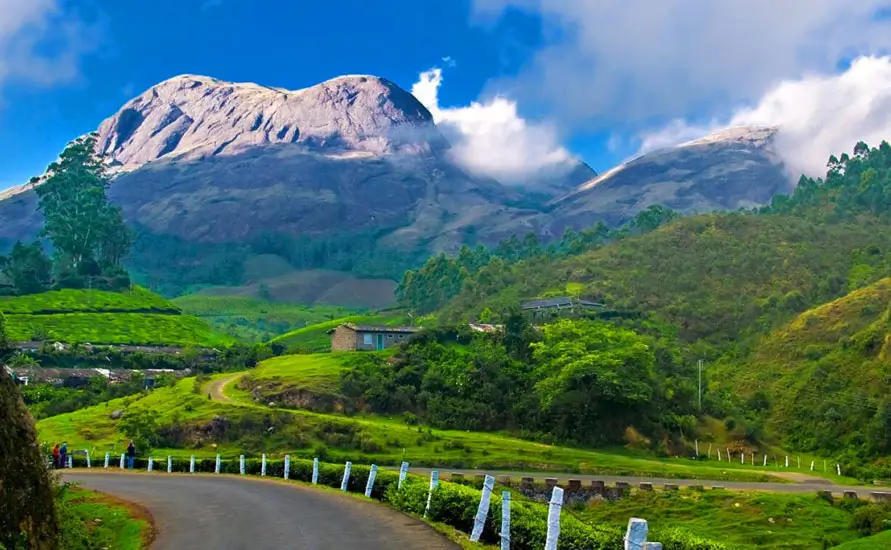
The drive east to Thekkady climbs from sea level into the cardamom-growing ranges of the Ghats, and the change in scenery is part of the appeal. After Kottayam the road winds through rubber estates, then past small towns with church steeples and roadside tea shops, before the forest closes in and the air turns noticeably cooler. Halfway along, a tea shop with glass jars of snacks on the counter is the place to try pazham pori, sweet plantain slices fried in a light flour coating. Kumily, the spice town beside the Periyar reserve, comes into view soon after lunchtime, and your hotel sits among tall trees just outside it.
Toward dusk your guide walks you through the Kumily spice market, a single long street lined with shops selling cardamom, nutmeg, mace, star anise, vanilla pods and freshly ground masalas. Prices are generally better here than in the cities, and many sellers are farmers or relatives of farmers, so you can ask where the spice was grown and how it was dried. Your guide shows you how to judge green cardamom by its color and the number of seeds inside each pod. Small tea stalls along the way sell cardamom tea, the local way to finish a shopping stop.
Kumily also has a couple of small halls where Kalaripayattu, the centuries-old combat discipline of Kerala, is performed each evening for anyone who wants to watch. Young fighters leap, spin and clash with long bamboo staffs, curved blades and round shields, and the strength and balance on display come from years of training that starts in childhood. Seats are paid for at the hall itself, and the whole display is over in roughly an hour, leaving plenty of time for supper. For supper, a flaky Kerala parotta with vegetable stew from a family-run eatery near the hotel makes a hearty end to a day on the road. Overnight in Thekkady.
Spices taste different once you have seen them growing, so the whole morning goes to a working Thekkady spice farm with the farmer or a trained plantation guide. The walk leads under tall shade trees where black pepper vines climb the trunks, and you can pick a green peppercorn and bite it to feel the fresh heat. Low cardamom bushes grow in the damp shade, with their pods sprouting from runners near the ground rather than on the branches. You also see clove, nutmeg, cinnamon, allspice and vanilla, and learn how each one is harvested, dried and sorted for market.
After the walk you join the family in their kitchen for a lesson built around what you have just picked. A typical menu includes a Kerala-style chicken or mushroom curry built on roasted coriander, pepper and fennel, a vegetable dish finished with crackling mustard seeds and curry leaves, and a pepper rasam that the farmer may suggest as a cure for a cold. Your host shows you how to toast whole spices until they release their oil, how to grind them on a stone and why Kerala cooks add curry leaves at the very end. Lunch is served on the farm veranda, looking out over the plantation.
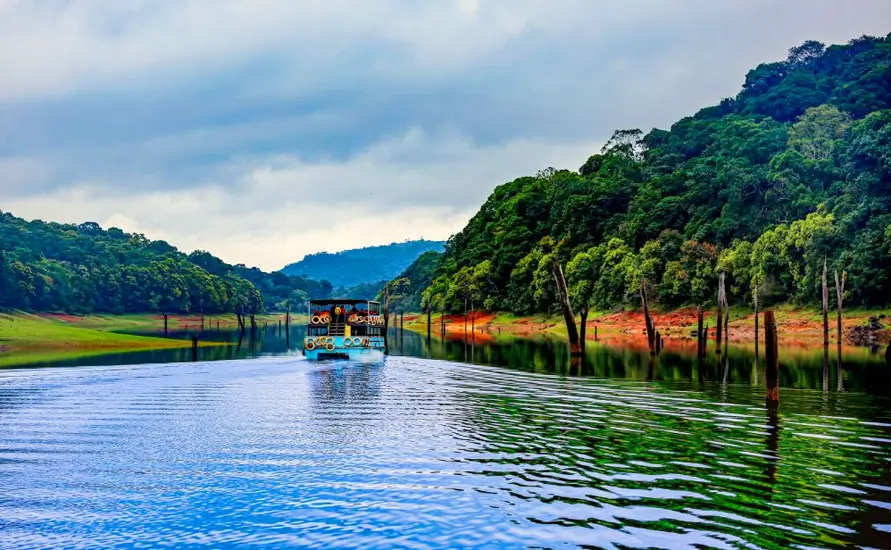
The afternoon offers a choice. Many guests take the boat ride on Periyar Lake inside the tiger reserve, where wild elephants, bison and deer sometimes come down to the water, although sightings depend on luck and season and cannot be promised. Others prefer a short guided nature walk organized by the forest department, a visit to a small tea factory in the hills nearby or simply time on the hotel veranda. Whatever you choose, keep space for dinner, as Thekkady's simple restaurants serve good tapioca and beef fry or vegetable kurma. Overnight in Thekkady.
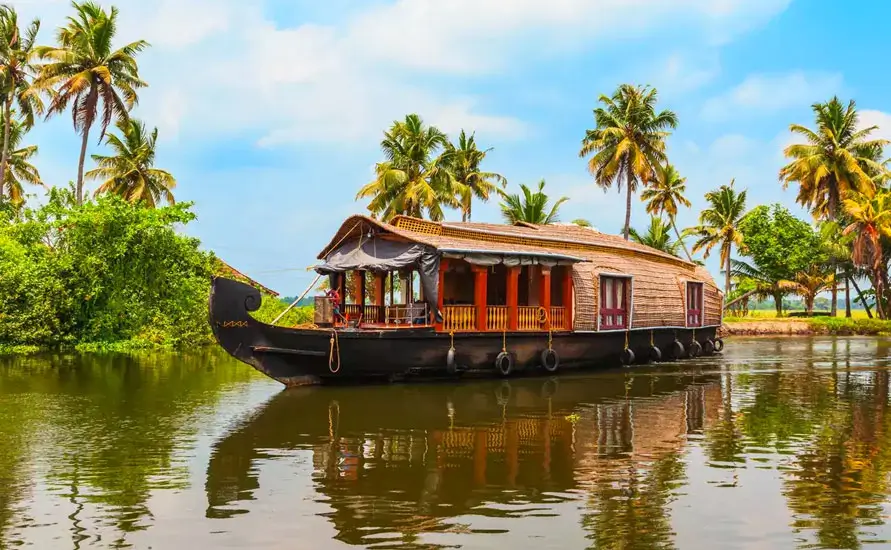
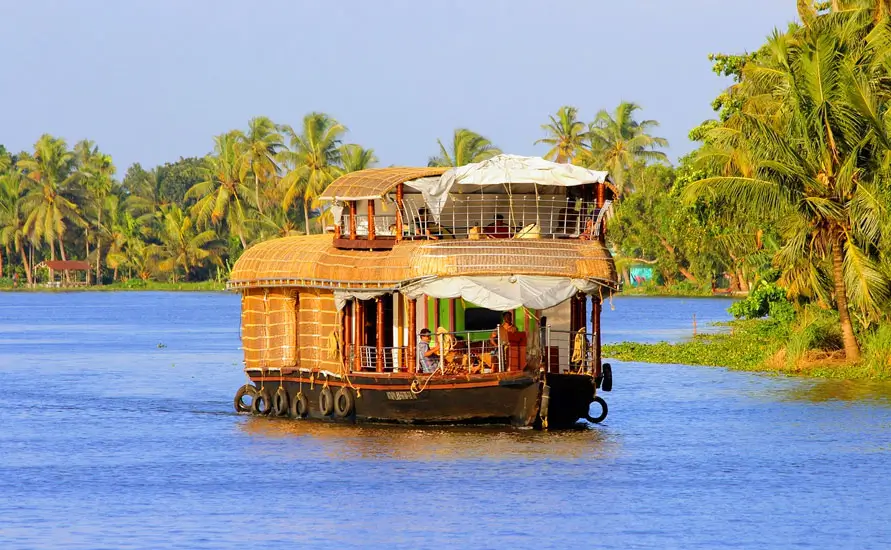
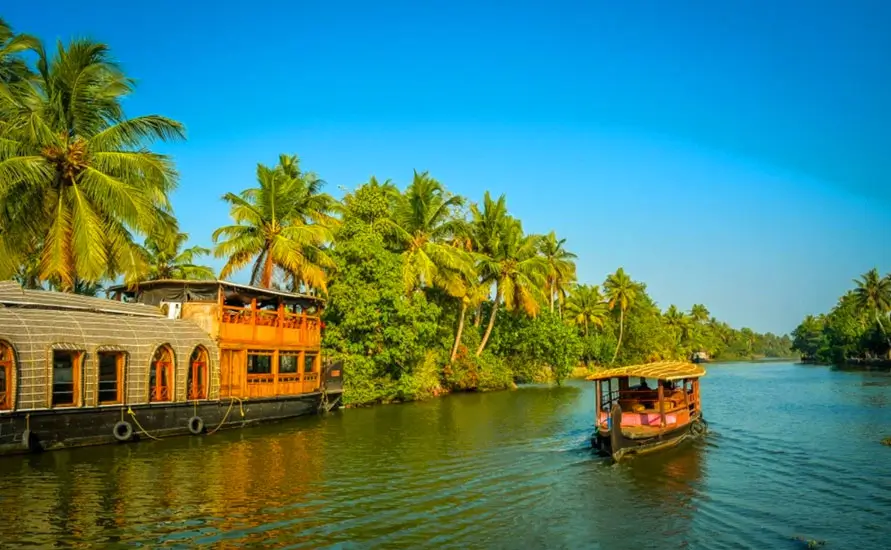
Plan to be on the road around eight after an early breakfast, since boarding at the Alleppey jetty normally happens close to noon. The road drops steadily through the Ghats to the plains of central Kerala, then heads west past Kottayam toward the coast. Fruit sellers along the way have rambutan, mangosteen or jackfruit in season, and a quick halt is easy to arrange. Your private houseboat is waiting at the jetty, with a three-man crew that handles the wheel, the kitchen and the housekeeping, and you are shown to a bedroom with an attached bathroom.
For a food traveler the most interesting corner of the boat is the galley at the back, and the cook will usually be glad to have you there. By the time the jetty is out of sight, lunch is nearly ready: red Kerala rice, fish simmered in coconut gravy, thoran, pickles and pappadam. You can watch how the cook works with a single gas burner and a few pans, making several dishes in a small space, and ask him to show you his version of the backwater fish fry. Many cooks also buy fresh prawns or crab from fishermen along the canals if you would like seafood for dinner.
Through the afternoon the boat moves past villages, churches and small temples, with paddy fields stretching away below the water level on either side. Tea is served with fried banana fritters or a local snack, and the boat ties up for the night in a quiet canal before dark, because Alleppey rules ask every houseboat to drop anchor by sunset. You can help prepare dinner, perhaps rolling chapatis or stirring a pot of chicken curry, and then eat on the open deck by lamplight with the sounds of the village around you. Overnight on the houseboat.
Breakfast on board brings puttu, rice flour and grated coconut steamed in a tall tube, served with a spicy black chickpea curry called kadala. The cook may show you how it is packed in layers into a tall steamer, a technique that takes a little practice to get right. Back at the jetty by roughly nine, you say goodbye as the crew carries your bags to the car. The drive north to Kochi follows the coastal highway, passing coir factories and village fish markets, and needs under two hours unless traffic is heavy.
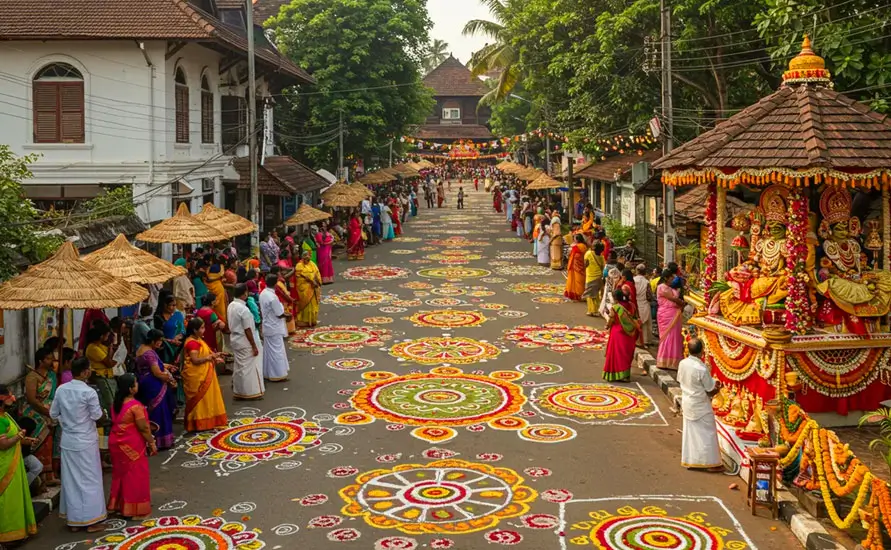
In the afternoon you meet your last cooking host in a home in Kochi for a lesson in Kerala sweets. The star of the session is payasam, the creamy pudding served at the end of every feast, made with rice, vermicelli or lentils cooked slowly in milk or coconut milk with jaggery and cardamom. You may also make unniyappam, small round cakes of rice flour, banana and jaggery fried in a cast-iron pan dotted with small cups, or ada pradhaman, a richer payasam made with rice flakes. Your host explains which sweets belong to which festival and how families prepare them for Onam.
Tonight is your farewell dinner, held at a restaurant your guide trusts for traditional Kerala dishes, from Malabar biryani to prawn roast with coconut slivers. It is a relaxed way to compare what you ate at the start of the trip with what you now know how to cook, and to ask your guide any last questions about ingredients or recipes. Before the evening ends we hand over a printed booklet with all the recipes from your classes, along with a short list of shops abroad and online that stock Kerala spices. Overnight in Kochi.
After a final breakfast of dosa or idiyappam, there is usually time for a last stroll through Fort Kochi or a quick stop at a spice shop if you have room left in your luggage. Pickup is timed against your departure, with a cushion for traffic, since Cochin International Airport lies roughly ninety minutes from Fort Kochi. For a night flight, ask us about keeping your room into the evening or booking a day-use room, both at extra cost.
One of our staff waits beside you until the point at the terminal door where only ticketed passengers may continue. From Kochi, Gulf and Asian airlines carry you to their hubs for onward flights to Europe, the Americas and Australia. Customs officers are used to travelers carrying home spices, tea and coffee, but sealed packs are always the easiest to get through. We hope you take home not just recipes but the confidence to cook a proper Kerala meal for your family and friends, and if a second visit to South India appeals, simply write to us when the time comes.
Your Journey

N.S. Rathore & Mrs. Omlata Rathore · Managing Director
We still read every enquiry ourselves. Tell us the places you liked and our planners will send a day-by-day route with drive times and a clear price.
Every package can be customised and no pressure to book. A planner from our office replies within 24 hours with a route written for your group.
Fill this in and your planner will send a first draft itinerary.
Explore more
Kerala Backwaters Escape Kerala Backwaters Escape
 Kerala Backwaters Escape
 Kerala Backwaters Escape
 Kerala Backwaters Escape
 Kerala Backwaters Escape
 Kerala Backwaters Escape
 Kerala Backwaters Escape
 Kerala Backwaters Escape
 Kerala Backwaters Escape
 Kerala Backwaters Escape
 Kerala Backwaters Escape
 Kerala Backwaters Escape
 Kerala Backwaters Escape
 Kerala Backwaters Escape
 Kerala Backwaters Escape
 Kerala Backwaters Escape
 Kerala Backwaters Escape Kerala Backwaters Escape Kerala Backwaters Escape Kerala Backwaters Escape Kerala Backwaters Escape Kerala Backwaters Escape Kerala Backwaters Escape Kerala Backwaters Escape