
 Kerala Backwaters Escape

Kerala Tour Packages
Kochi – Kumarakom – Thekkady – Marari Beach
At a glance
Retired travelers tell us the same thing again and again: they want to see Kerala properly, but not at the speed of a typical package that changes hotels every night. Our Kerala tour for seniors is built around just four bases in fourteen days. You stay four nights in Kochi and three each at Kumarakom, Thekkady and Marari Beach, which means only three hotel changes in the whole trip. Most sightseeing happens between nine and noon, afternoons are kept for rest, and the evenings bring one gentle outing at most.
Pace matters on this Kerala slow travel tour, but so does comfort. We request ground-floor or lift-access rooms, walk-in showers where available and beds of normal height, and we flag every place with steps, sand, slippery jetties or uneven paving before you set off. A folding wheelchair or walking frame fits in the car, and your guides are briefed to walk at your speed and to offer a seat at each stop. Two of the drives last under two hours. The longer two, into and out of the hills, include long coffee and lunch breaks.
The trip suits active older couples, friends traveling together, NRI parents visiting from the US or UK with grown children, and anyone recovering from a busy working life who simply wants time. You will cruise the backwaters by day and sleep in a lakeside cottage rather than a cramped cabin, sit through a short Kathakali show from a chair with a back, and see spice gardens on flat paths. Private transport, a driver who stays with you throughout and 24-hour phone support make this senior citizen Kerala tour package easy to manage from start to finish.
Twenty hours of planes and lounges wear anyone out, which is why Day 1 holds no plans at all. A member of our Kochi staff stands at the meeting point outside baggage claim at Cochin International Airport and, if you have asked for one, an airport wheelchair and porter will already be arranged to bring you through immigration and baggage claim. Our car has a low step and space in the trunk for a folding frame or chair. Allow an hour, perhaps ninety minutes, before you reach your hotel, and the driver will stop at any point if you need a restroom or a drink.
We usually book a heritage hotel or a quiet waterfront property in Fort Kochi or on one of the harbor islands, and if you touch down at dawn we pay for the prior night as well, so you can sleep straight away instead of waiting in the lobby. The hotel team knows you are traveling at a slow pace, and we ask in advance for a room close to the lift or on the ground floor, away from the kitchen and the street. A small welcome folder in your room explains the plan for each day, who to call, and the name and number of your driver, whom you will see every day until the end of the trip.
Spend the afternoon sleeping, reading or sitting in the garden with a fresh lime soda. Should your legs want some movement near dusk, the beach road along the harbor is flat and only a few minutes from most Fort Kochi hotels, and you can watch ferries and container ships sliding past from a shaded bench. Dinner tonight is best kept light: a bowl of vegetable stew with soft appam is gentle on a tired stomach. Your guide will phone in the evening to agree on a comfortable starting time for tomorrow. Overnight in Kochi.
Today begins at half past nine, after an unhurried breakfast. Rather than covering the old town entirely on foot, your guide uses the car to hop between sights and keeps each walk to ten or fifteen minutes. St. Francis Church comes first. Its simple lime-washed walls went up under Franciscan friars from Portugal not long after 1500, making it one of the oldest European-built churches anywhere in Asia. There is a single low step at the entrance and wooden pews inside where you can rest while hearing about the European spice merchants who arrived on this coast. Sit long enough and you will hear the punkah fans creaking overhead.
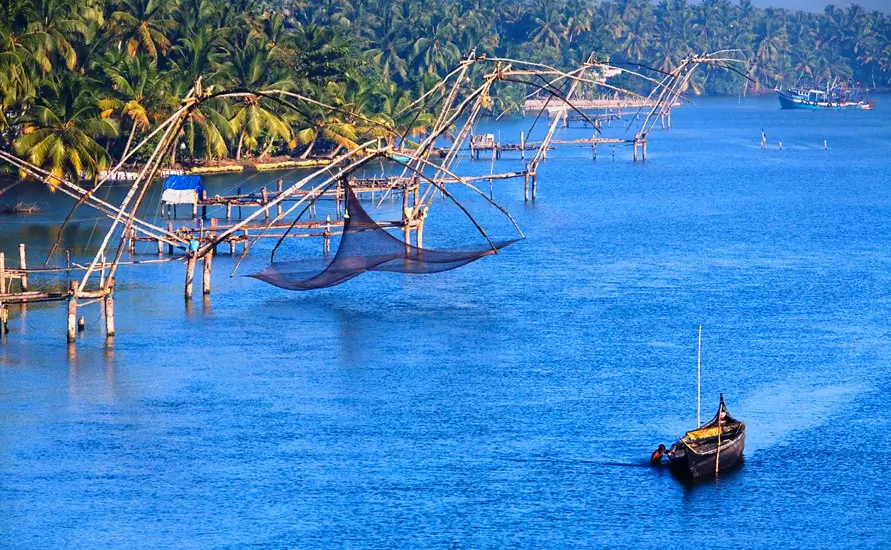
A few minutes away by car is the Santa Cruz Cathedral Basilica, whose bright interior is painted with scenes from the Passion and lit by stained glass; the main doors have a gentle ramp. Then the car drops you next to the cantilevered Chinese fishing nets along the shore. Pavements here are uneven in places, so your guide picks a level spot where you can stand or sit and watch the fishermen work the long wooden levers. Ask them about the catch: in a good hour the nets bring up mullet, small prawns and silver pomfret, sold within minutes to waiting buyers.
By late morning the heat starts to build, and that is the cue to stop. Lunch is at a garden café in a converted colonial bungalow, where ceiling fans, high ceilings and cool tiled floors make a pleasant break. Then it is back to your room for a siesta through the midday glare. Toward five o'clock you might take a cycle rickshaw or tuk-tuk ride along Burgher Street and Princess Street to see the painted shutters and old Dutch gables without walking. Your driver can then take you back for dinner whenever you are ready. Overnight in Kochi.
This morning is devoted to Mattancherry, the old market district a few minutes inland. Built by Portuguese hands as a present for the local king, the two-storey palace is prized for murals, painted on the walls of the bedchamber and the coronation hall with natural colors made from plants and minerals. Note that the galleries are on the upper floor and reached by a wooden staircase with a handrail, so allow time and take it one step at a time; there is no lift. The palace closes on Fridays, and we always plan this day around that.
From the palace it is a short, flat walk, or a one-minute car ride, to the Paradesi Synagogue at the end of Synagogue Lane. Inside you find Chinese porcelain tiles, each painted by hand, a brass rail around the central platform and hanging glass lamps from Belgium. Remember that Friday, Saturday and Jewish holy days are closing days here, and a couple of steps lead up to the door. Afterward you step into a nearby spice godown where ginger and turmeric are still sorted on wide floors, and you can sit with a cup of cardamom tea while the owner explains how prices are set.
Rest through the afternoon. Around five, you ride to an intimate Kathakali hall for a trimmed, one-hour version of the dance-drama. We reserve seats with backs near the front, so you can see the actors' eyes clearly, and coming forty minutes ahead lets you see the green and red faces take shape without leaving your seat. Drums are loud in a small room, so earplugs are handy if you are sensitive to noise. Dinner is at a calm restaurant near the theater, and by eight you are in your room. Overnight in Kochi.
No sightseeing is planned before lunch today. Many older guests use this free morning to book a consultation with a qualified Ayurveda doctor, who will ask about your health, medications and sleep before suggesting a mild treatment. A gentle head and shoulder massage or a foot massage is a good place to begin, and you should mention any heart condition, blood pressure issues or recent surgery. Treatments can be arranged at your hotel or at a certified center nearby. If you would rather not, the hotel library and pool are equally good ways to spend the hours.
After lunch, a local cook may visit your hotel or welcome you to her home in Fort Kochi for a relaxed cooking demonstration. You sit at the table while she prepares a classic fish molee with coconut milk and turmeric, a vegetable thoran and a simple rasam, explaining each spice as it goes into the pan. There is no need to stand at the stove. You then eat what she has made, and she will happily write down the recipes and tell you which ingredients can be found in supermarkets at home in the US or Europe.
Around five, the car drops you at a private jetty for a one-hour harbor cruise on a small motorboat. Two crew members hold your arm stepping down and back up, the boat has a covered seating area with cushions, and life jackets are provided. You pass Willingdon Island, the shipyard, fishing trawlers and the long waterfront of Ernakulam, with the sun setting behind the Chinese nets as you turn for home. It is a fitting last evening in the city, with very little walking. Tonight is packing night, ready for the lake tomorrow. Overnight in Kochi.
Checkout is at a civilized hour, around ten, and the drive south-east to Kumarakom ranks among the briefest transfers on this itinerary. The road crosses the city and then winds through Tripunithura and Vaikom, past rice paddies, small churches and ponds covered with water lilies. If you would like a break halfway, your driver knows a clean roadside restaurant where you can have coffee and use the restroom. Arrival is in time for lunch, and your lakeside resort is usually arranged so that the main buildings and cottages are on level ground or connected by paved paths.
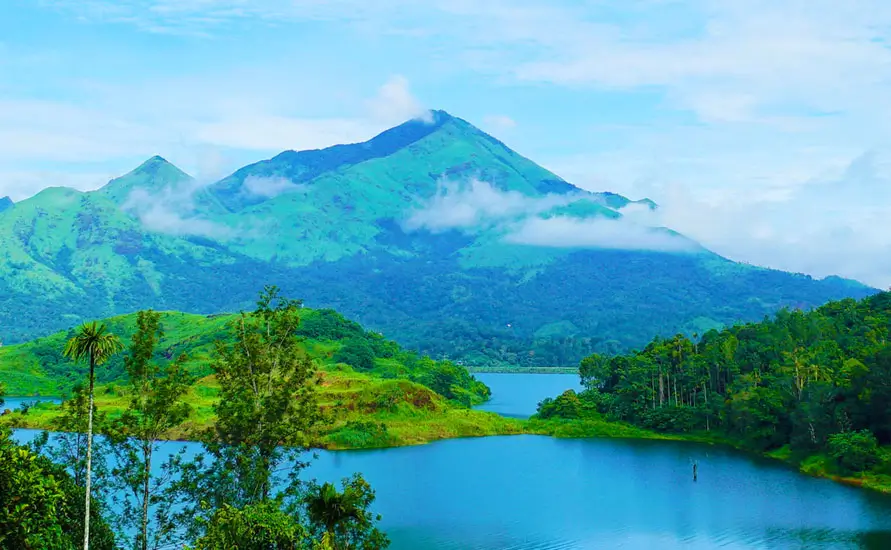
Kumarakom faces west across Vembanad Lake, which stretches farther than any other lake in the country, yet the village is far calmer than the houseboat hub at Alleppey. Instead of sleeping on a boat, you stay in a cottage with a proper bed, a full bathroom and a veranda facing the water, which most of our older guests find far more comfortable. Ask the resort for a cottage near the restaurant if walking distances are a concern. Nothing is booked after lunch, and plenty of guests simply sit on the veranda watching the canoes go by.
As the sun goes down, the lake turns gold and then pink, and fishermen in small canoes paddle home with their catch. Some resorts offer a short sunset ride on a country boat, which needs a step down from the jetty with a crew member's help, or you can stay on dry land and watch from a lawn chair. Evening meals are taken in the resort dining room, where Kerala dishes and simpler continental food both appear on the menu. Insects can be active near the water after dark, so long sleeves and repellent are a good idea. Overnight in Kumarakom.
Kumarakom is famous for its bird sanctuary, but the main trail is about 1.5 km of earthen path that can be muddy, with roots and puddles, so we offer a gentler option. Shortly after sunrise, you board a small wooden country boat with a cushioned seat, rowed or poled by a local boatman. In this way you see the same egrets, herons, cormorants and kingfishers from the water, without walking at all. Between November and February, migratory birds arrive from the north, but birdlife is present in every season. The trip takes about ninety minutes.
Later in the morning you are driven to a village household close by where the family still makes coir from coconut husks. You watch them soak, beat and spin the fibers into rope, then weave doormats on a simple wooden frame. Nearby, if one of the climbers is working, you may also watch a toddy tapper climb a coconut palm to collect the sap that becomes palm wine. Chairs are set out for you in the shade, and nothing here involves long standing. Fresh tender coconut water is offered as a welcome drink.
Lunch is back at the resort, followed by a long afternoon with nothing scheduled. Swim in the pool, which in many resorts has steps and a rail for easy entry, read on your veranda or book another gentle massage. In the early evening, a short drive to a neighborhood church or temple is possible to see the lamps lit, if you wish. Supper follows in the resort, and the chefs can adapt dishes for diabetic, low-salt or soft diets if asked in advance. Frogs and lapping water are the only night sounds. Overnight in Kumarakom.
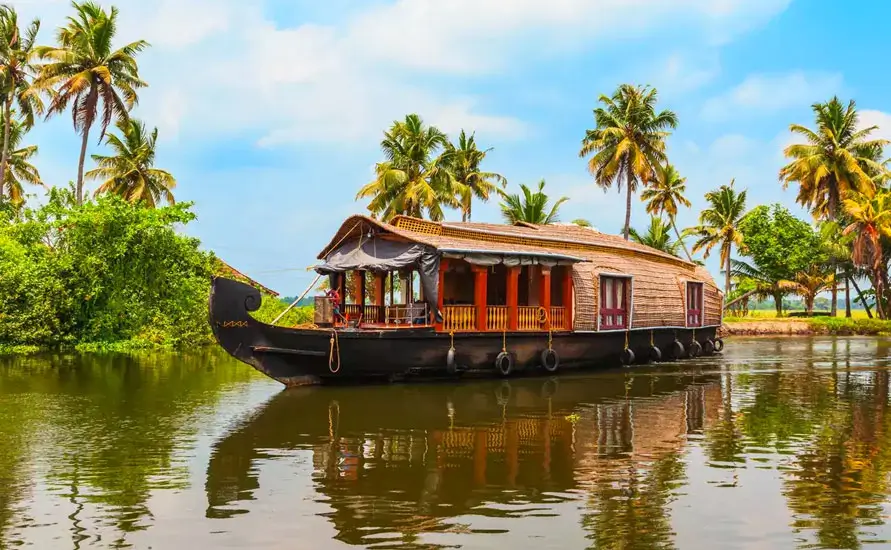
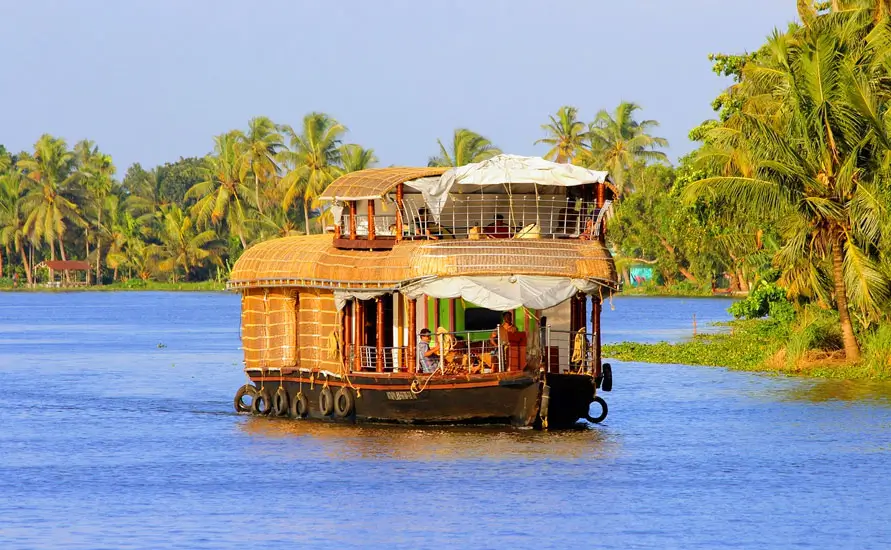
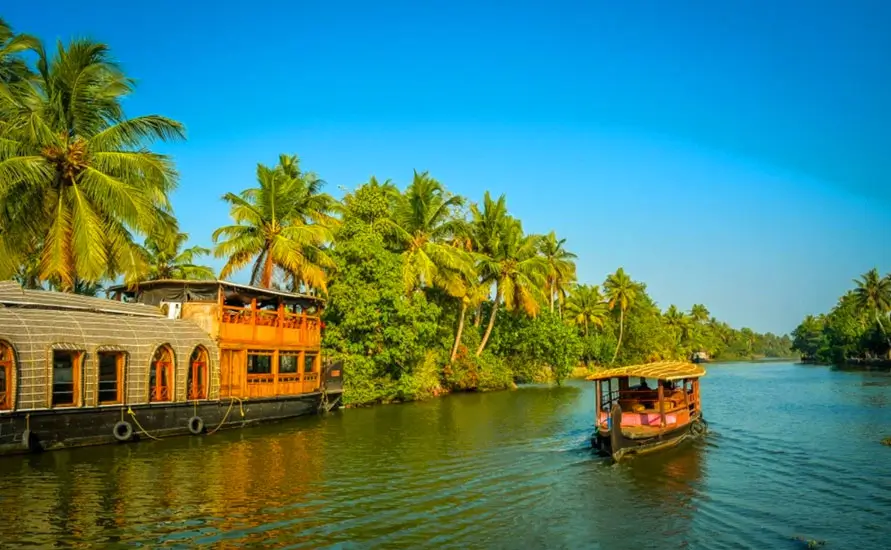
Rather than an overnight houseboat, this tour uses a day cruise so you can enjoy the backwaters and return to your cottage at night. A private houseboat picks you up at the resort jetty at about ten. Boarding uses a short gangway or a step from the jetty, and the crew will help you aboard; if steps are a problem, tell us beforehand and we will choose a boat with a lower deck. The front sitting area has armchairs and cushions, and the boat has a clean western-style toilet, which is not always the case on cheaper boats.
Your captain steers first over the wide expanse of Vembanad Lake, then turns into Kuttanad's narrow channels, where farmers plant paddy on reclaimed fields below the level of the surrounding water. You glide past houses whose front doors open onto the canal, women scouring pans at the water steps, schoolchildren crossing by ferry and church spires rising behind the palms. The galley turns out a full Kerala lunch, carried to a deck table: red rice, sambar, a mild curry of fish or chicken, cabbage thoran, mango pickle and sweet payasam. The cook will make the curries mild if you prefer.
By about four, the boat turns back toward Kumarakom, and you return to your resort well before dark. Kerala's regulations make all houseboats anchor around sunset anyway, and coming back now gives you time to shower and rest before dinner. Curious about a toddy shop? Your guide can pull in at one on the way back, where you can try kappa (tapioca) with spicy fish curry, without needing to drink anything alcoholic. The evening is quiet, and tonight it is worth asking the resort to pack your luggage early. Overnight in Kumarakom.
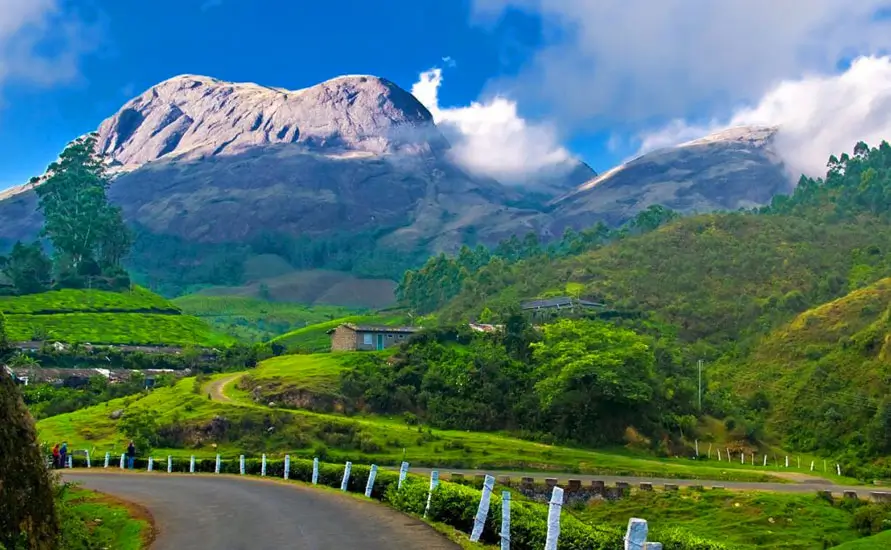
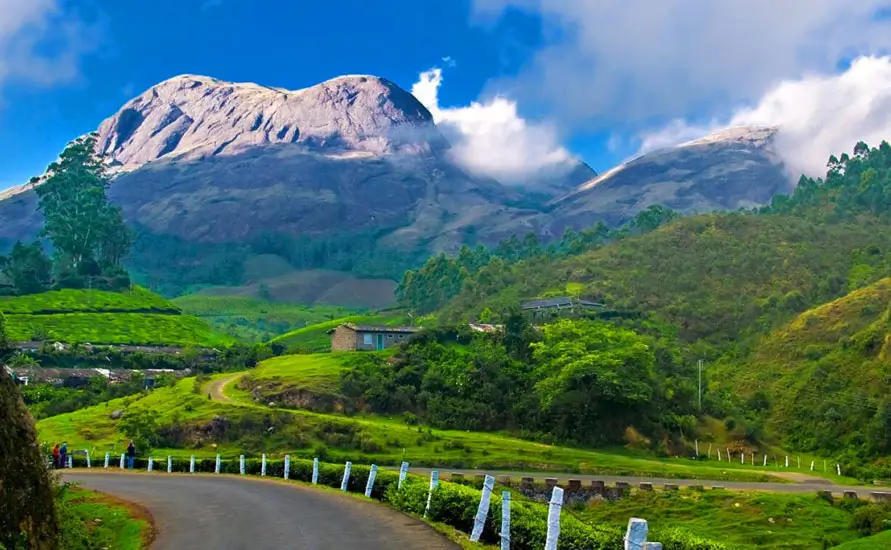
This is the longest drive so far, so we break it into easy stages. You leave around nine and pass through Kottayam, a town of churches, rubber traders and bookshops, before the road starts climbing through rubber estates and then tea gardens near Peermade. Halfway up, your driver stops at a roadside tea stall or a small hotel with clean restrooms, where you can stretch your legs and try a cup of strong local tea. Seats in our cars recline a little, and you can ask the driver to slow down on the bends at any time.
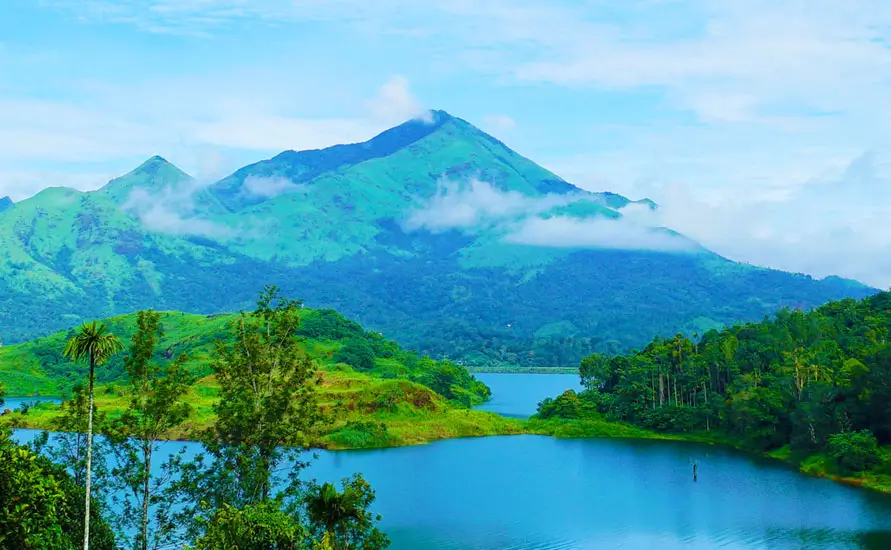
The higher you climb, the cooler and greener the air becomes. The road beyond Peermade passes Vandiperiyar, a tea town on the Periyar River, and then reaches Kumily, the small town hugging the outer limit of the Periyar Tiger Reserve that visitors generally know as Thekkady. You check in at about one, in time for a late lunch. We choose resorts here with few stairs and rooms close to the main building, since many Thekkady properties are built on hillsides with steep paths. If any part of the property involves slopes, staff can drive you in a buggy or golf cart.
The afternoon is for rest after the drive. In the late afternoon, when you feel ready, a short walk in the resort garden is a nice way to spot giant squirrels, langurs and noisy hornbills in the trees, although you never know what will appear. Pack a light jacket, because winter nights up here, from November into February, turn chilly. Dinner at the resort tends to feature spices grown in the area, especially cardamom and pepper, and the kitchen is happy to cook dishes without chili on request. Bed early tonight, as tomorrow's boat is early. Overnight in Thekkady.
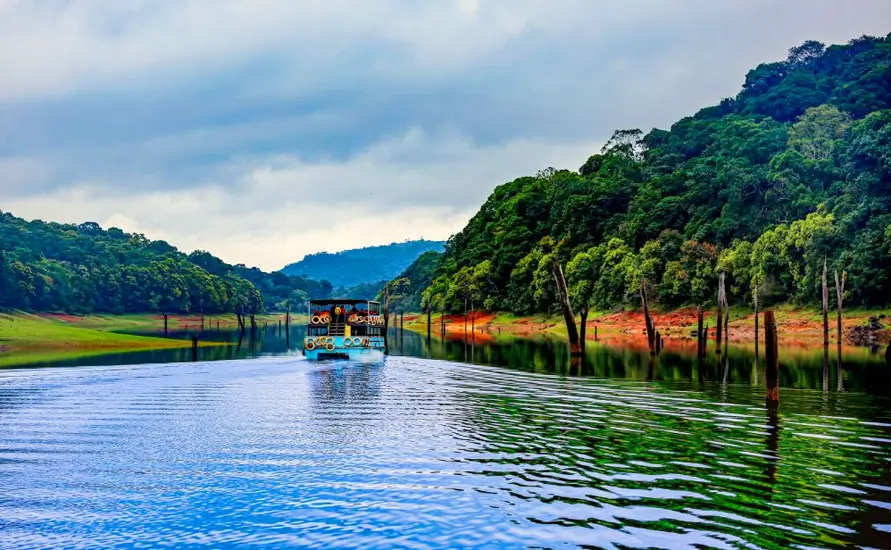
The early boats on Periyar Lake are the calmest, so your guide meets you before seven and takes care of tickets. From the parking area, a forest department bus or your guide's arranged vehicle covers most of the way, but the last stretch to the boat landing involves a walk of a few hundred meters on a sloping path, followed by a few steps onto the boat. Take your time, and use the handrails. Once on board, you sit for about ninety minutes on a covered upper or lower deck while the boat moves slowly across the reservoir.
Since 1895, when a masonry wall across the Periyar turned this valley into a reservoir, bleached dead trunks have stood in the water, giving it a ghostly look in the morning light. Animals sometimes come to the water's edge, such as sambar, boar, the massive Indian bison called gaur and occasionally elephants, but none are guaranteed. Pack binoculars and a shawl, as it can be chilly on the water. Back at the resort you have a late breakfast followed by a long rest, since early starts are tiring. Lunch can be served in your room if you prefer not to walk to the restaurant.
At about six you are driven to a small Kumily arena to watch Kalaripayattu, the martial art of Kerala. The performance lasts about an hour in a sunken arena, with spectators seated on benches or tiered steps around it; ask your guide to find seats on the lowest level, close to the exit, to avoid climbing. Performers leap, wrestle and fight with sticks, swords and flaming torches, which can be loud and fast but is always well controlled. You are back at the resort for dinner by half past seven. Overnight in Thekkady.
Thekkady is surrounded by family spice farms, and today's visit is at a farm with mostly level paths, chosen with your comfort in mind. Your guide walks slowly, stopping beside each plant to crush a leaf or pod so you can smell it: black pepper, cardamom, nutmeg, clove, cinnamon, vanilla, coffee and cocoa all grow side by side here. Benches are placed along the route, and the tour takes about an hour at a gentle pace. The farmer can explain how pepper prices and the monsoon both affect the family's income from year to year.
Back in town, a local family welcomes you to their kitchen for a cooking demonstration focused on spices from the hills. You watch them prepare a cardamom-scented chicken curry or a vegetable korma, a sweet rice pudding and a fresh coconut chutney, and you can join in at the table chopping and mixing if you like. This is a good chance to ask questions about daily life in Kerala, from schooling to pensions, as many families here are happy to talk about how things have changed. Lunch is the meal you have just watched being made.
Spend the afternoon however suits you, perhaps with a nap, some laps of the pool or a gentle Ayurvedic massage. Kumily town is full of shops selling spices, teas and essential oils, and your driver can drop you outside a reputable store so you can shop with very little walking. Buy whole spices rather than powders, which keep better on the flight home. After dark, some resorts light a campfire or arrange a music performance, and you can join or skip it as you wish. Pack your suitcase before bed, because tomorrow the car carries you to the seaside. Overnight in Thekkady.
Moving from the cardamom ranges to the Arabian Sea is the longest of the tour, so we plan it as a relaxed day of travel rather than a rush. You leave at about nine and descend slowly through tea and rubber country to Kottayam, with a coffee stop on the way. A long lunch break follows at a comfortable restaurant or heritage hotel in Kottayam, around midday, so the hours in the car fall into two manageable halves. Restrooms there are clean and step-free, and the menu includes mild dishes. Your driver keeps the air-conditioning set to your liking and plays music only if you want it.
After lunch the road crosses into the flat backwater country of Kuttanad and then turns north along the coast toward Marari Beach, close to Mararikulam village and some 11 km above Alleppey. Around three you pull up at a beach resort, chosen for its cottages on level, sandy ground with paved paths to the restaurant and the beach. If paths are sandy and soft, ask the staff for a buggy, which most resorts here can offer. Your cottage will have a veranda, ceiling fans and air-conditioning, and staff will carry your bags from the car so you can walk in with empty hands.
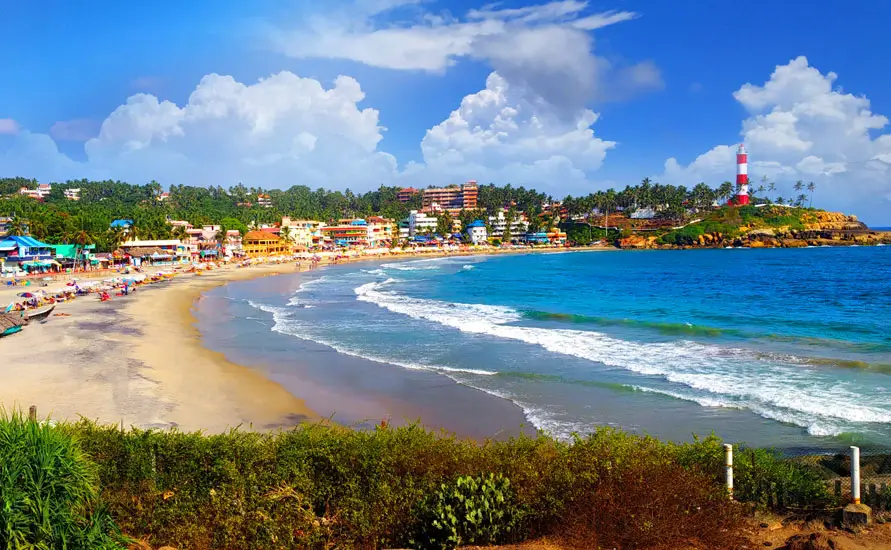
Marari is one of the quietest beaches on the Kerala coast, with no hawkers, few buildings and long stretches of palm-lined sand used mostly by local fishermen. After settling in, wander to the sand for sunset, or simply watch the sea from the resort's shaded seating area. The waves can be strong, so swimming is best limited to the resort pool. Dinner is often seafood, freshly caught, and the kitchen will suggest the day's catch. After a long day of travel, sleep comes quickly with waves rolling in beyond the palms. Overnight in Marari Beach.
If you are an early riser, head to the waterline around seven, when crews haul their shore seines in by hand, sometimes twenty men working together on each rope while singing to keep time. The beach is flat and firm near the water, which makes walking easier than on soft dry sand, and the resort can provide a walking stick if you need one. Afterward, your guide takes you a few minutes inland to the fishing village of Mararikulam, where you can see the boats being repaired and the day's catch auctioned on the sand.
Late morning is the time for a gentle wellness session. Many resorts at Marari have an in-house Ayurveda center and a resident doctor, and a series of three treatments across your stay can be arranged for those wanting a fuller course. Yoga sessions on a covered deck are also offered, adapted for older bodies with chairs and cushions for support. If neither appeals, simply sit in the shade of the palms with a book. Lunch at the resort features lighter Kerala fare, such as fish grilled in banana leaf and vegetable stew.
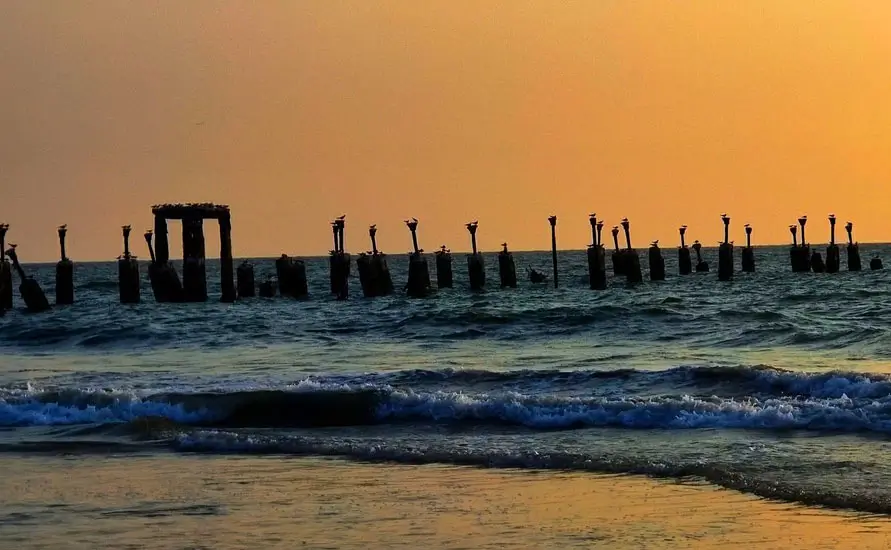
The afternoon is fully free. A few guests ask for a quick drive into the nearby town of Cherthala or to a local market, while others prefer to stay put and enjoy the quiet. Around sunset, the beach turns orange and pink, and children from the village play cricket on the sand, often inviting guests to join in for a ball or two. Dinner tonight could be set on the beach at a table under the stars, if the weather allows, which the resort can arrange for a small additional charge. Overnight in Marari Beach.
For a last short outing, your driver takes you about 15 km north to Arthunkal, where St. Andrew's Basilica, a broad white-fronted church first established by Portuguese priests, draws pilgrims of many faiths. The main hall is on the ground floor with wide doors and few steps, and pews are available if you want to sit and rest. Your guide explains the yearly feast in January, when thousands of devotees gather on the beach. Allow roughly an hour there, and you will be back at the resort well before the midday heat.
The afternoon is your last chance to swim, rest or book a final massage, and the resort can arrange a coir or handloom demonstration on site if you would like to see local crafts without leaving. Many guests use this time to write postcards, nap in the shade or sort out the spices, tea and fabrics they have collected over the past two weeks. Your guide will check your departure details with you, confirm the time the car will collect you tomorrow and answer any questions about the airport or customs.
For your final evening, we arrange a farewell dinner at the resort, either in the restaurant or on the beach, with a Kerala menu chosen to your taste. Your driver, who has been with you since the first day, is often invited to say goodbye. Raise a glass to thirteen nights that moved, without any hurry, from Kochi's harbor to Kumarakom's lake shore, Thekkady's spice hills and finally this beach, with plenty of time to rest along the way. Sleep well tonight before the trip home. Overnight in Marari Beach.
Linger over one more breakfast by the sea. Getting to Cochin International Airport means about two hours north on the coastal highway, and we time your departure leaving a full three-hour margin for international check-in. Our car takes you right to the terminal door, and we can book an airport wheelchair and porter again to help you through security and boarding. For a midnight flight, the resort can extend your room until late afternoon, or a rest room close to the airport can be booked, both at extra cost.
Your Kerala slow travel tour has given you fourteen days at your own pace: four nights in historic Kochi, three on the shores of Vembanad Lake, three in the spice hills of Thekkady and three by the sea at Marari. We hope it has shown you that a country as busy as India can still be enjoyed slowly and comfortably. A future visit could follow the same unhurried rhythm to Tamil Nadu's temple towns or to the hill station of Ooty. Our whole Kerala team wishes you a comfortable flight back.
Your Journey

N.S. Rathore & Mrs. Omlata Rathore · Managing Director
We still read every enquiry ourselves. Tell us the places you liked and our planners will send a day-by-day route with drive times and a clear price.
Every package can be customised and no pressure to book. A planner from our office replies within 24 hours with a route written for your group.
Fill this in and your planner will send a first draft itinerary.
Explore more
Kerala Backwaters Escape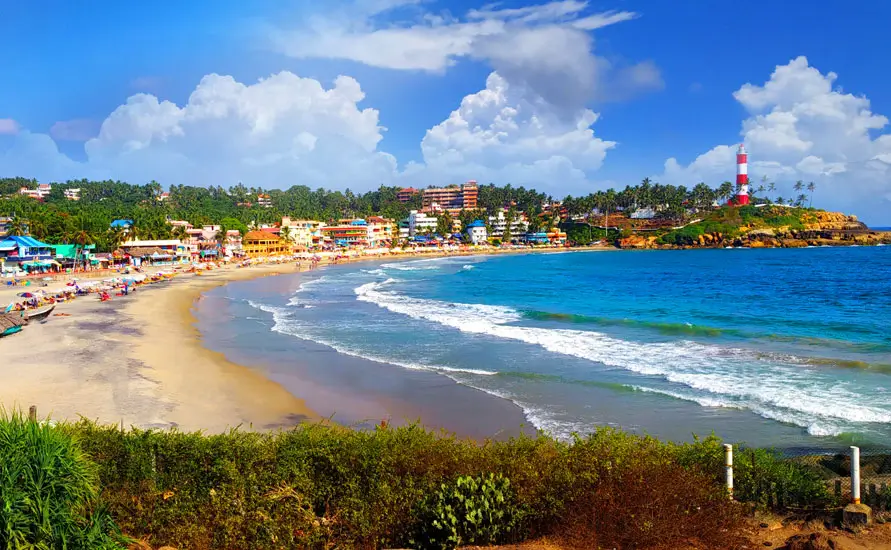 Kerala Backwaters Escape
 Kerala Backwaters Escape
 Kerala Backwaters Escape
 Kerala Backwaters Escape
 Kerala Backwaters Escape
 Kerala Backwaters Escape
 Kerala Backwaters Escape
 Kerala Backwaters Escape
 Kerala Backwaters Escape
 Kerala Backwaters Escape
 Kerala Backwaters Escape
 Kerala Backwaters Escape
 Kerala Backwaters Escape
 Kerala Backwaters Escape
 Kerala Backwaters Escape
 Kerala Backwaters Escape
 Kerala Backwaters Escape
 Kerala Backwaters Escape Kerala Backwaters Escape Kerala Backwaters Escape Kerala Backwaters Escape Kerala Backwaters Escape Kerala Backwaters Escape Kerala Backwaters Escape