
 Kerala Backwaters Escape

South India Wildlife Tours
Guwahati – Kaziranga – Guwahati – (flight) Kochi – Thattekad – Thekkady – Kumarakom
At a glance
Two corners of India, each with wildlife found almost nowhere else, come together on this Kaziranga and Kerala Wildlife Tour. In Assam, the floodplain grasslands of Kaziranga National Park shelter roughly two-thirds of the world's greater one-horned rhinos, along with wild water buffalo, eastern swamp deer and a high density of tigers. After four nights there, a connecting flight carries you across the subcontinent to Kerala, where the evergreen forests of Thattekad, the hills of Thekkady and the lake edge at Kumarakom add Western Ghats birds, primates and elephants to your list.
All Kaziranga safaris on this itinerary are by open jeep, run through the forest ranges at Kohora, Bagori and Agaratoli, with zones allocated by the park authorities. We do not book elephant-back rides. In Kerala the pace slows: dawn walks with a specialist birding guide at Thattekad, a forest department boat on the Periyar lake and an early-morning visit to the Kumarakom bird sanctuary. Sightings are never guaranteed, but rhinos in Kaziranga are seen on almost every drive in good season, and the birding in Kerala is rewarding for beginners and keen listers alike.
Kaziranga opens roughly from November to April, with some ranges sometimes opening a little earlier in October, so the Kaziranga and Kerala Wildlife Tour runs between November and April. Winter brings cool mornings in Assam and dry, pleasant weather in Kerala. The trip suits overseas wildlife enthusiasts, photographers and families who have already seen India's big-name sights and want something different. Everything is private: car and driver in each state, naturalists on safari, and lodges chosen for their position close to the park boundaries.
Most international travelers reach Guwahati through Delhi, Kolkata or Bangalore, and our Assam representative will be at Lokpriya Gopinath Bordoloi International Airport whatever time your connection lands. The city sits on the south bank of the Brahmaputra, one of the great rivers of Asia, and is the commercial center of India's north-east. Count on forty minutes or so to reach the hotel. After checking in, take a few hours to rest; north-eastern India runs on the same clock as the rest of the country, but the sun rises and sets much earlier here, so evenings come sooner than you might expect.
Around mid-afternoon your guide takes you up Nilachal Hill to the Kamakhya Temple, one of the most important Shakti shrines in India and a major pilgrimage site for Hindus from across the country. The present temple was rebuilt in the 17th century, with a beehive-shaped dome and carved panels on the outer walls. Queues for the inner sanctum can be very long, and non-pilgrims usually walk around the complex rather than wait. Your guide explains the Tantric traditions linked to the temple and the annual Ambubachi Mela, when the shrine closes for several days in June.
Nilachal looks down on the braided channels of the river, and at dusk a riverside promenade near Uzan Bazar is the place to watch the sun drop behind the water. In the winter months, migratory ducks and gulls rest on the sandbanks in the middle of the river. Dinner at the hotel is a good introduction to Assamese food, often cooked with mustard oil and local herbs, which is lighter and less spicy than many visitors expect: try masor tenga, a tangy fish curry, and a cup of strong local tea. Overnight in Guwahati.
The road east to Kaziranga follows the southern bank of the Brahmaputra through the central Assam plain. Leaving after breakfast, you pass rice paddies, small ponds full of water hyacinth, villages of bamboo houses raised on stilts and the first of Assam's famous tea gardens, with their neat rows of bushes shaded by tall trees. Your driver stops for tea at a roadside dhaba, and lunch is usually taken around Nagaon or Jakhalabandha. Expect slow stretches where the highway runs through towns, because Assam's main east–west road also carries most of the region's freight traffic.
For the final hour, the highway hugs the southern boundary of the national park. National Highway 715 passes right beside the grasslands, and it is common to see rhinos or deer grazing within sight of the road, especially in the late afternoon. Speed limits here are enforced with cameras and patrols, and several animal corridors cross the highway; during the monsoon floods, wildlife moves south over the road to the higher ground of the Karbi Anglong hills. Halting on the carriageway is forbidden, so if an animal shows up close the driver looks for a proper lay-by first.
You reach your lodge near the Kohora range, the main entry point for the central zone, in the afternoon and check in for four nights. Breakfast and dinner are included at the lodge. In the evening your naturalist explains the plan for the coming days and how the safari system works: jeep permits are issued by the forest department for each range and time slot, vehicles must stay on the marked tracks, and no one is allowed to step out except at the designated watchtowers. Pack a light fleece for tomorrow, because winter mornings in the open jeep can be surprisingly cold. Overnight in Kaziranga.
Your first drive enters the Kohora (central) range soon after the gates open, when mist often lies over the grassland and rhinos appear as dark shapes in the haze. Kaziranga National Park was declared a UNESCO World Heritage Site in 1985, and its success story is one of the best in Asian conservation: from a few dozen animals in the early 1900s, the one-horned rhino population has grown to well over two thousand. Rhinos here graze in the open, wallow in muddy pools and often cross the track in front of the jeep, so your naturalist reminds you to keep voices low and stay seated.
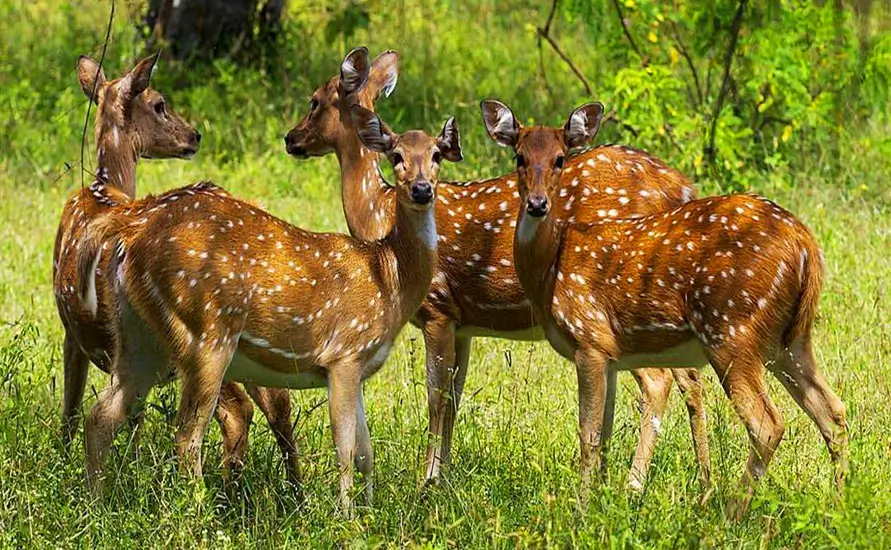
The central range is a mix of tall elephant grass, shallow lakes called beels and patches of woodland. Wild water buffalo, heavier and darker than village buffalo and with huge swept-back horns, gather near the water. Hog deer dart across the tracks, and herds of eastern swamp deer, a subspecies of barasingha found mainly in Assam, graze in the wetter areas. Watchtowers at points along the route let you step out of the jeep under supervision and scan the plains with binoculars. Elephants may also appear, usually in family groups moving through the grass toward the woodland.
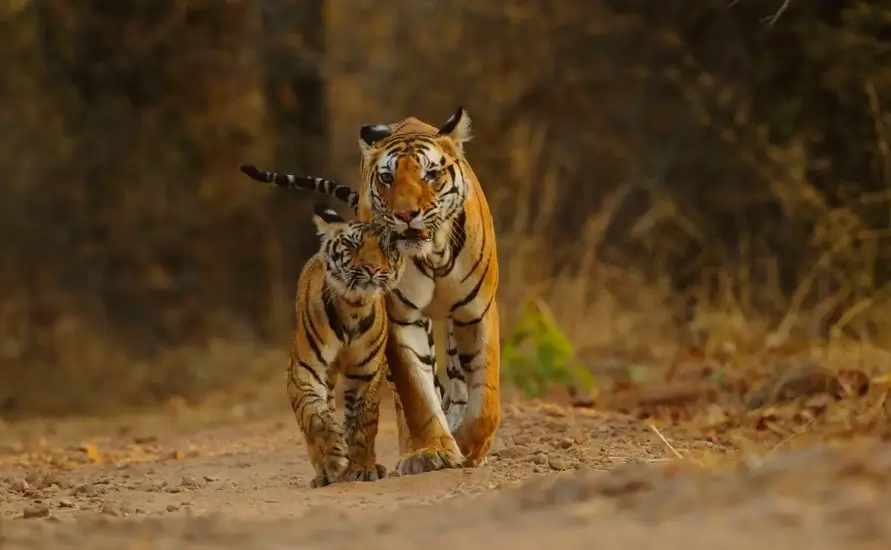
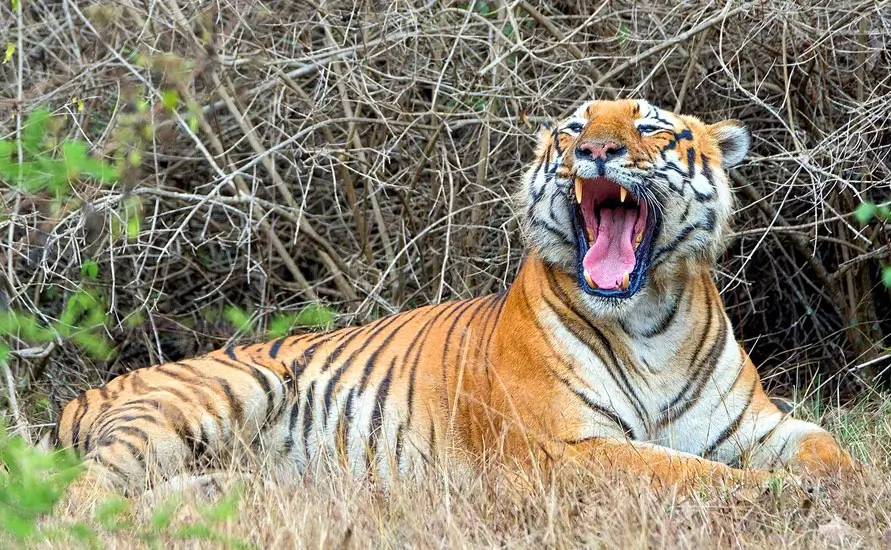
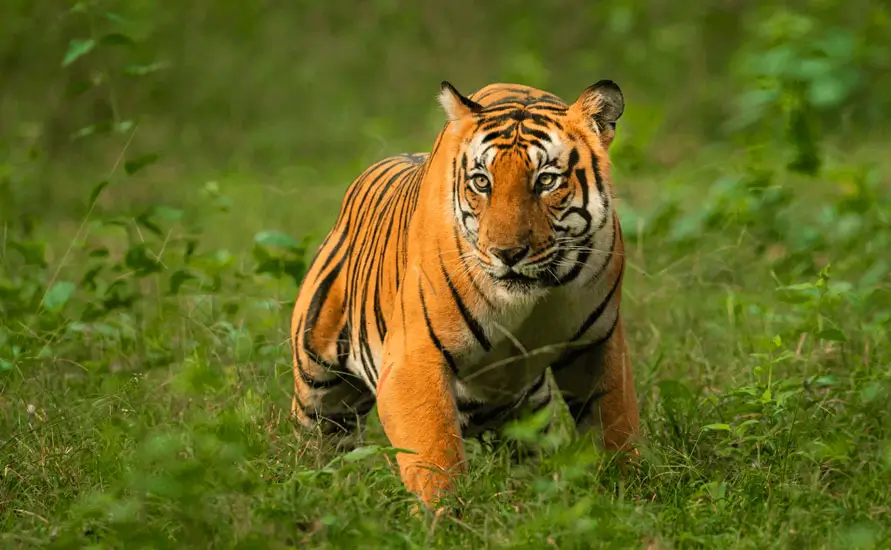
Midday means lunch and a rest at your lodge; whether the afternoon permit sends you back to Kohora or elsewhere depends on the allocation. The light is warm and low by four o'clock, and the wetlands fill with birds: lesser adjutant storks, black-necked storks, grey-headed fish eagles and, in winter, bar-headed geese and ruddy shelducks that have flown in from Central Asia. Tigers live here in good numbers, yet grass taller than the jeep hides them so well that a sighting counts as pure luck, and your naturalist will point out fresh pugmarks on the muddy tracks instead. Overnight in Kaziranga.
Morning brings a drive into the Bagori (western) range, often described as the best area for rhino density in the park. The grassland is shorter here, so animals are easier to spot, and it is not unusual to count twenty or more rhinos on a single drive in the dry season. Watch for the way they mark their territory with communal dung piles, and for the egrets and mynas that follow them to catch insects stirred up from the grass. Your naturalist will explain how the park protects its rhinos from poaching, with anti-poaching camps spread across the floodplain and armed patrols on duty day and night.
Back at the lodge for lunch, you have time to walk through a nearby tea garden with your guide. Assam produces more than half of India's tea, and the strong, malty leaf grown in these lowlands is the base of many English breakfast blends. Pickers move along the rows in small groups with baskets on their backs, and your guide describes how the plucked leaf is withered, rolled and fired, and why Assam makes both loose-leaf orthodox grades and the granular CTC used in tea bags. Short tea tastings are often possible at local estates, and you can buy fresh leaf to take home at a fraction of the price you pay abroad.
The afternoon safari heads to the Agaratoli (eastern) range, a quieter part of the park with large lakes and good birding. The Sohola beel and the wetlands around it attract spot-billed pelicans, which nest in tall trees at certain times of year, along with cormorants, darters and the occasional Pallas's fish eagle. Otters and Gangetic river dolphins are sometimes seen where the park borders the Brahmaputra, though these are rare. The eastern range is also good for the Bengal florican, a grassland bird that is now endangered. Overnight in Kaziranga.
A fifth and final jeep drive takes you back to whichever range the forest department allocates, and many guests choose to return to the central zone to see it in a different light. Four drives in, the daily pattern of the grassland has become clear: rhinos feeding in the early hours, buffalo moving to the water by mid-morning and raptors circling once the air warms. Look for the small, shy Indian muntjac at the forest edge and for the hoolock gibbon, India's only ape, whose loud whooping calls carry from the canopy of the woodland patches if the troop is nearby.
Late morning is set aside for an easy walk on the fringe of the Panbari Reserve Forest, a patch of semi-evergreen woodland on the Karbi hills side of the highway. Walking is only allowed on established paths outside the national park, and a forest guard may accompany the group. The forest is a good place for hornbills, woodpeckers, sunbirds and noisy flocks of laughingthrushes, and with luck you may spot capped langurs moving through the treetops. Wear long trousers and closed shoes, as leeches can be active after rain, and bring binoculars with a close focus for the small birds in the undergrowth.
After lunch nothing is planned. You might visit the Kaziranga orchid and cultural park in Kohora, where local Karbi and Mishing communities show their traditional dances and crafts, or simply rest at the lodge and sort through your photographs. Over dinner, your naturalist reads back the full Assam species tally and fills in names you may have missed, from the smaller raptors to the warblers and chats in the grass, so your notes are complete before you leave. Pack tonight for an early departure, because tomorrow is a road day back to Guwahati before the long flight south to Kerala. Overnight in Kaziranga.
Once breakfast is over, the highway carries you west again to Guwahati, with a final look across the grassland as the road skirts the park boundary. Lunch is taken on the way at a highway restaurant. Arrival is mid-afternoon at an airport-side hotel, chosen to keep tomorrow's start short. For anyone still keen, a paid sunset cruise on the Brahmaputra passes the river islands as the city lights come on.
Otherwise, the evening is free for rest and repacking. Check your hand luggage for tomorrow's two flights: binoculars, chargers and a warm layer for the plane are useful, while knives and large power banks should follow airline rules. Before dinner our team calls to run through both flight numbers and the layover, and the driver is booked for an early pickup. Overnight in Guwahati.
Nonstop services between Guwahati and Kochi are rare, so the ticket routes through Bangalore, Delhi or Kolkata, whichever hub gives the shortest layover on your date. Total travel time is typically seven to nine hours from takeoff to landing. With both sectors on one booking, bags are normally tagged through to Kochi at the Guwahati counter. Meals on domestic flights are often for purchase, so a snack from the airport is a good idea.
Waiting outside arrivals at Cochin International Airport is a member of the Kerala team, ready for the hour-long ride to Fort Kochi, the old port on the Arabian Sea. Humidity hits you as soon as the doors open, and the shift from the floodplains of the north-east to the coconut palms of the Malabar coast is striking after a single day. Eat simply, perhaps grilled fish near the hotel, and turn in early. Overnight in Kochi.
A short morning walk around Fort Kochi gives you a taste of Kerala's coastal history before you head inland. Your guide starts on the waterfront at the cantilevered fishing nets, where at this hour fishermen are hauling up the first catch and crows and kites wait on the poles for scraps. Behind the nets lie the parade ground, Dutch-era houses with tiled roofs and the whitewashed Portuguese church where the navigator Vasco da Gama lay buried for some years. Brahminy kites and white-bellied sea eagles hunt along the harbor mouth, and your guide points out the birds that live alongside the old port.
Breakfast is late and unhurried, then the car heads east for about two hours to Thattekad, a village on the Periyar River. The road leaves the coast through pineapple and rubber plantations near Kothamangalam, a district that grows much of Kerala's pineapple crop. You arrive at a riverside homestay or small nature lodge for two nights, with meals included, run by hosts who often have deep knowledge of the local birds. The surroundings are quiet, with tall trees, small paddy fields and the river flowing past at the bottom of the garden.
Around four o'clock your specialist birding guide sets off on an introductory walk along the edge of the sanctuary and nearby village tracks. Thattekad was made famous by Dr. Salim Ali, the pioneer of Indian ornithology, who described it as one of the richest bird habitats in peninsular India, and the Salim Ali Bird Sanctuary is named in his honor. More than 300 species have been recorded in the area, from tiny flowerpeckers to large raptors. Likely first ticks include the flame-throated bulbul, Malabar parakeets and a white-bellied treepie or two. Overnight in Thattekad.
Birding at Thattekad Bird Sanctuary starts at first light, when the forest is cool and calling birds are at their most active. Your guide leads you on foot along forest trails and clearings, stopping to scan the canopy and the undergrowth. Most visiting birders come for the Sri Lanka frogmouth, which hunts after dark and roosts by day on a low branch, mottled grey and brown like a dead stump. Local guides know its regular roosting spots and can show you one through a spotting scope without disturbing it. The Malabar trogon, with its crimson belly and black head, is another highlight in the evergreen patches.
Late morning brings a break for breakfast and rest at the lodge. In the afternoon you go out again, this time by country boat along the Periyar River near the Bhoothathankettu dam, a good way to see kingfishers, darters, Indian cormorants and the occasional crested serpent eagle perching above the water. Your guide may also take you to a patch of scrub and paddy where the grey-headed bulbul, the Indian pitta in season and several species of munia feed. Good birding etiquette applies here: no call playback, no approaching nests and quiet voices at all times.
Thattekad is also a good place for reptiles, butterflies and dragonflies, and many guests are surprised by the variety of insects and lizards along the trails. Southern birdwing butterflies, the largest in India, glide between the trees, and the forest floor holds tiny frogs and skinks that your guide can point out. Supper back at the lodge is home cooking: red rice, a tamarind fish curry and a cabbage thoran with fresh coconut. Your guide helps you update the trip list, which by now usually includes many endemic species of the Western Ghats. Overnight in Thattekad.
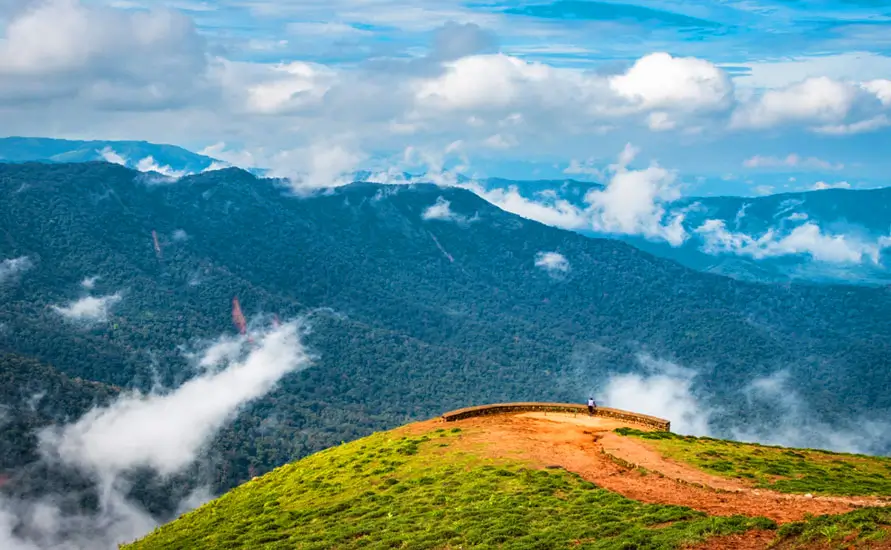
After a final early bird walk around the lodge, you leave Thattekad and drive south-east into the Cardamom Hills to Thekkady, the town at the entrance to Periyar Tiger Reserve. The road climbs gradually through rubber estates, cardamom plantations under tall shade trees and hill towns full of cardamom auction houses and spice traders. Allow three and a half hours plus a lunch break, and expect hairpin bends as the road gains height near Kuttikkanam. At roughly 900 m the town stays noticeably cooler than the lowlands, so keep a light jacket within reach for the evenings.
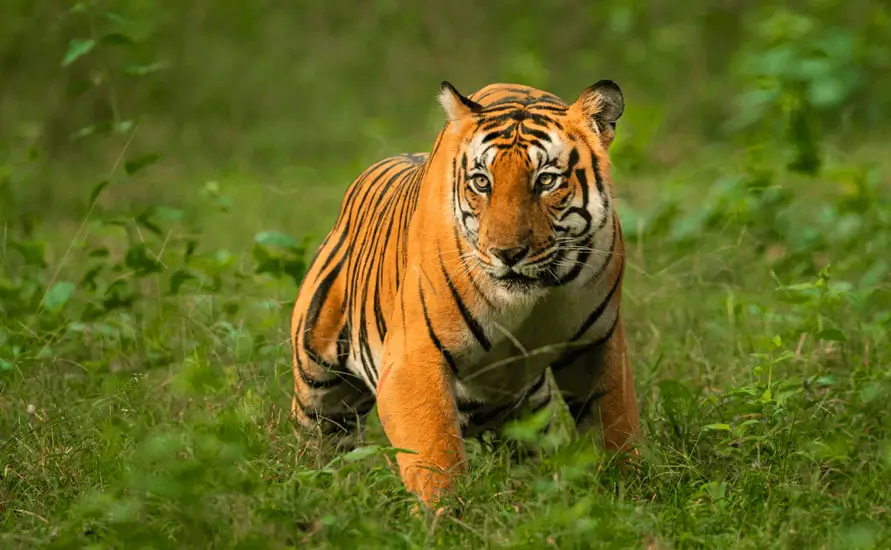
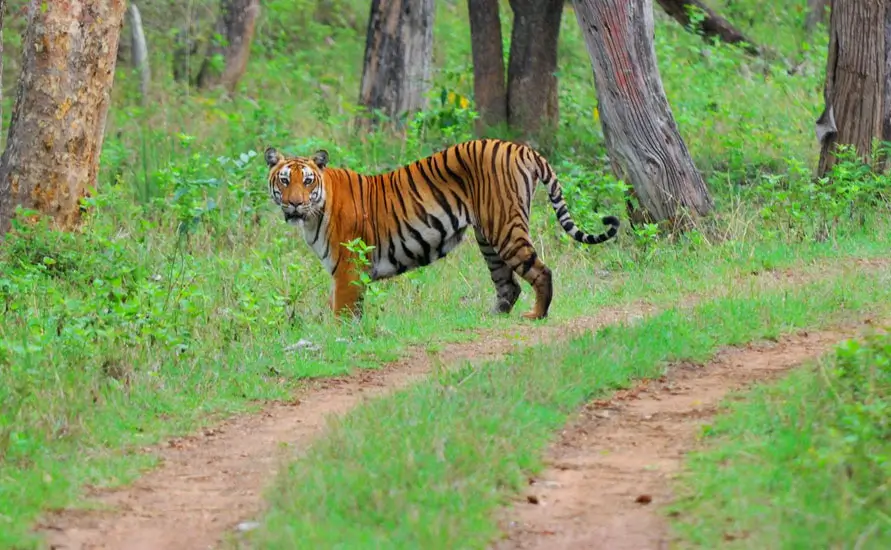
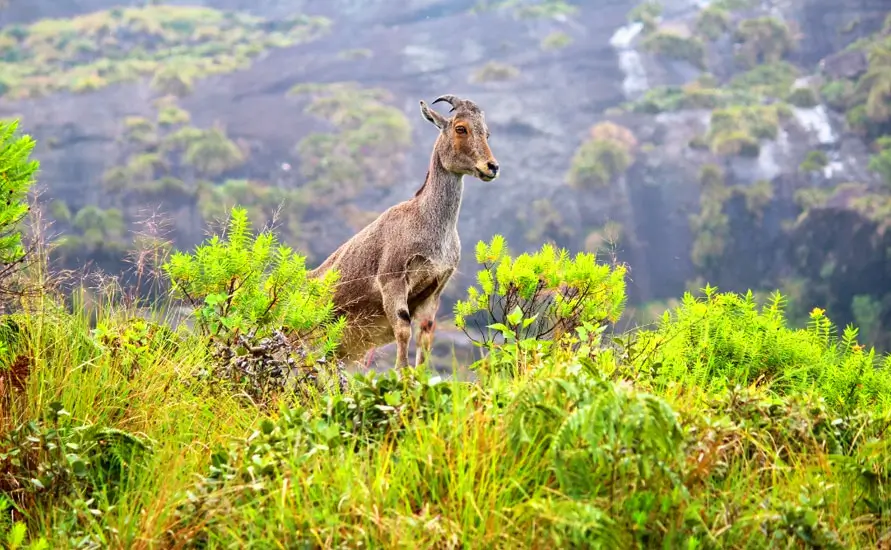
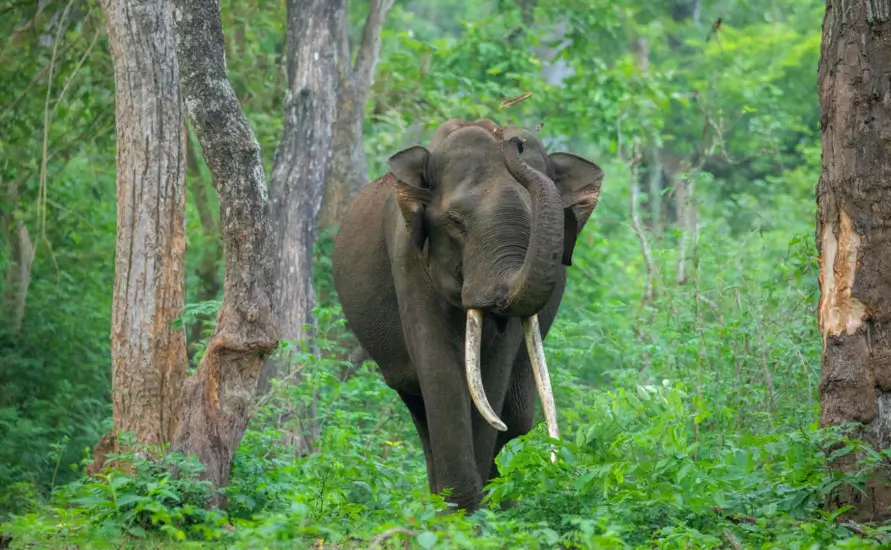
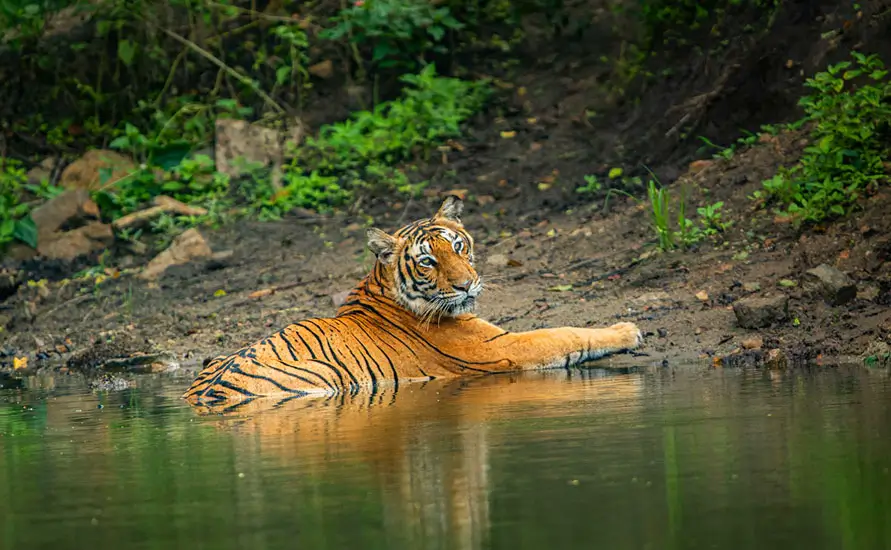
Two nights follow at a resort on the forest edge, close to the reserve gate, with breakfast and dinner in the rate. Periyar was declared a tiger reserve in 1978 and protects a large area of evergreen and moist deciduous forest around the Periyar lake, created when a dam was built across the river in 1895. Tigers live here but are very rarely seen; the reserve is better known for elephants, gaur, sambar, Nilgiri langurs and lion-tailed macaques in the deeper forest, as well as hornbills and many other Western Ghats birds.
Toward evening, a farmer on the edge of town opens his spice plot for a guided stroll. Roman and Arab ships once sailed here for these crops, and on the walk you find them growing side by side: pepper twining up shade trees, cardamom pods sprouting from runners at the base of the plant, plus nutmeg, clove, vanilla and allspice. The owner explains how each spice is harvested and dried, and you can smell and taste fresh green pepper straight from the vine. After dark, an optional Kalaripayattu show in town features leaping sword-and-shield fighters trained in this old Kerala combat tradition, followed in some venues by a short Kathakali excerpt for those who want more. Overnight in Thekkady.
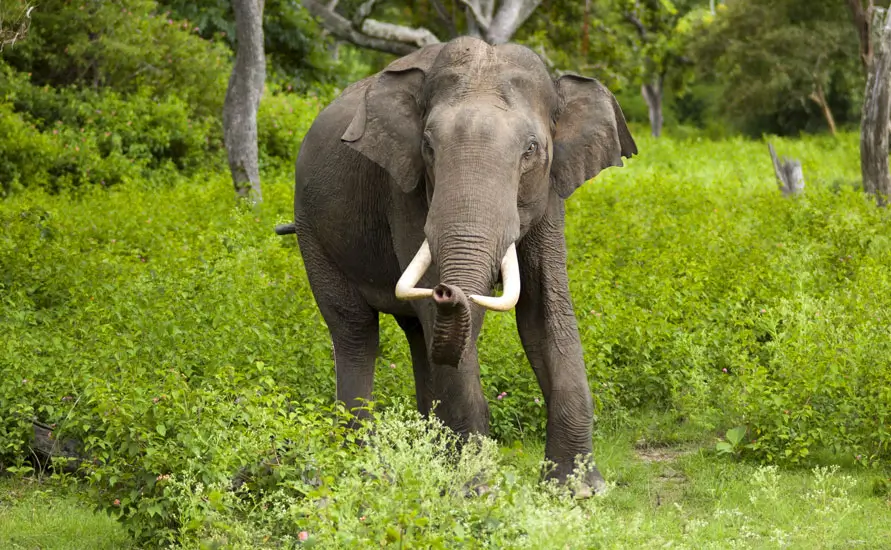
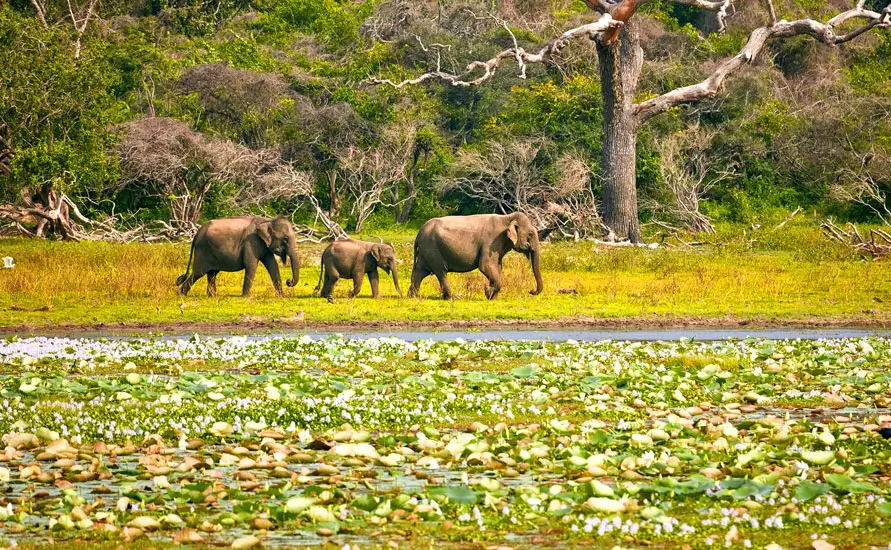
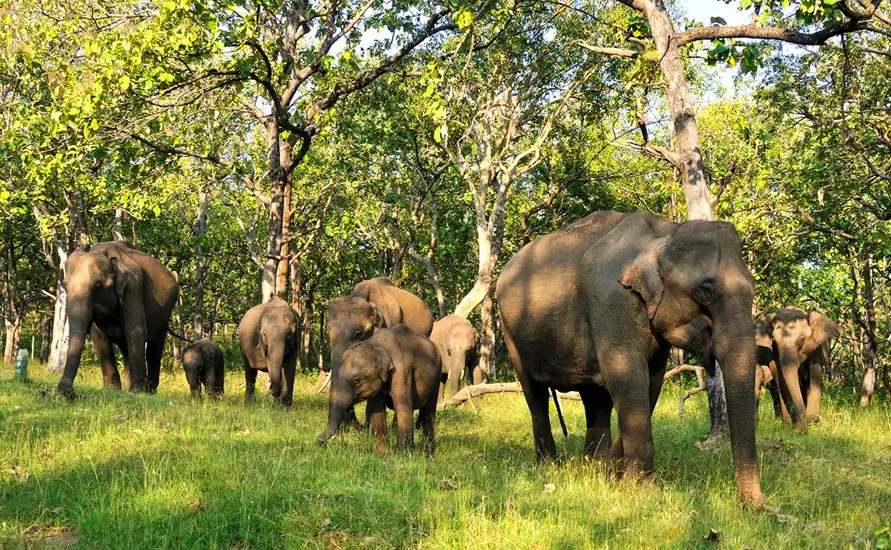
Kerala's Forest Department operates the Periyar boat cruise, and the earliest sailing tends to find more animals at the shoreline and gentler light for photographs. Tickets are few and released through the department's own counter and online system, which is why we reserve early. The boat moves slowly across the lake, past the bleached trunks of trees drowned when the dam was built, now used as perches by cormorants, darters and kingfishers. Herds of elephants are often spotted along the shoreline, and in the dry months gaur, sambar and wild boar graze the open banks.
Back on land, you can sign up for walks and treks guided by men and women from the forest-dwelling communities around Periyar, many of them former forest produce collectors now employed by the department. The most popular is a guided nature walk of two to three hours, with a chance of seeing Malabar giant squirrels, Nilgiri langurs and many birds. For more time in the forest, the full-day bamboo rafting program combines trekking and paddling on the lake, while border hiking follows the edge of the reserve. These activities are optional, limited in numbers and booked through the eco-tourism office, so let us know your preference early.
Afternoons here are slow. A short drive above Kumily, the market town beside Thekkady, leads to a lookout where the Tamil Nadu plains spread out below the Ghats. Shops in town sell fresh cardamom, pepper and tea at reasonable prices, and some offer free tastings of local coffee. Back at the resort, dinner is a good time to compare the wildlife of Periyar and Kaziranga: two very different forests, but both shaped by water, one by the yearly Brahmaputra floods and the other by a reservoir more than a century old. Your guide can share stories of how Periyar's elephant and tiger populations have recovered since the reserve was declared. Overnight in Thekkady.
Leaving the Cardamom Hills behind, you head west to Kumarakom, a group of small islands and villages on the eastern shore of Lake Vembanad, Kerala's largest lake. The road descends through tea gardens and spice estates near Vandiperiyar, then passes rubber plantations and the town of Kottayam before reaching the backwaters. Slowly the slopes flatten, the temperature climbs and water channels begin to run alongside the tarmac. Around Kottayam you pause for a Kerala meal on a banana leaf: red rice, sambar, avial and pickles arrive one after another, and the servers keep coming back with more rice until you wave them off.
You check in to a lakeside resort in Kumarakom for two nights, with breakfast and dinner included. Many resorts here sit right on the water, with canals running through the grounds and views across the lake. The afternoon is free for rest, a swim or a walk around the resort's gardens, which often attract kingfishers, bee-eaters and sunbirds. If you would like an Ayurvedic massage, most resorts in Kumarakom have treatment centers, and a gentle session can be a welcome change after many early mornings on safari. Ayurveda treatments are optional and charged separately.
Before dusk a village boatman paddles you along the narrow canals behind the resort in a small wooden canoe. The slow pace lets you see village life up close: women washing pots on the steps, men casting nets from small boats and children rowing home from school. Purple herons wait in the reeds, and with luck a stork-billed kingfisher, all orange and red bill, crosses in front of the bow. Canoes are quieter than motorboats, which makes them the best way to watch birds in these channels without disturbing them. Overnight in Kumarakom.
Roughly 14 acres of mangrove, woodland and marsh make up the Kumarakom Bird Sanctuary on Lake Vembanad, and an early start pays off here. A paved and dirt path runs through the trees, with a few watchtowers along the way. Your guide helps you pick out resident birds such as the oriental darter, the little cormorant, the black-headed ibis and the Indian pond heron. In the winter months, migratory birds arrive from northern India and Central Asia, and the sanctuary becomes noisier and busier with herons and egrets nesting in the trees.
Breakfast waits at the resort, and the hours after it are yours. Kumarakom is also a good base to see the wider backwaters, and an optional half-day houseboat cruise on Lake Vembanad can be arranged for a few hours, returning to the resort before sunset. Alternatively, a short drive brings you to a village where local people demonstrate coir-making, toddy tapping or traditional duck farming in the paddy fields. These activities are relaxed, and your guide adjusts the plan to suit your interests and energy levels at the end of a long trip.
In the afternoon, you can relax at the resort, read in a hammock by the water or take a final walk to look for birds along the lake shore. At sunset, lines of egrets head across Vembanad to their night roosts. Your guide will give you the final species list for the Kerala part of the trip, to add to your Kaziranga notes, and many guests find they have recorded well over two hundred species in two weeks. Your farewell dinner at the resort often includes karimeen pollichathu, pearl spot fish cooked inside a folded banana leaf with a shallot and chili masala, and the chef may add a tender coconut payasam for dessert. Overnight in Kumarakom.
The final transfer to Cochin International Airport runs via Kottayam and the edge of Kochi, roughly a two-and-a-half-hour ride, timed to give plenty of slack before the international check-in opens. For a late-evening departure, we can add a day room near the terminal or another night in Fort Kochi for an extra charge. Our duty manager remains on the phone line until your bags are through the terminal doors, and can help with anything that comes up on the road, from a forgotten charger at the resort to a last-minute change in flight times.
Over fourteen days you have watched one-horned rhinos and wild water buffalo on the Kaziranga floodplain, searched for frogmouths in Thattekad, cruised among drowned trees on the Periyar lake and walked through the Kumarakom bird sanctuary at dawn. Assam's open floodplain and Kerala's wet hill forest share almost no species, yet both repay quiet patience. Karnataka's tiger forests or the reserves of central India would make a fine next chapter, and until then, safe travels.
Your Journey

N.S. Rathore & Mrs. Omlata Rathore · Managing Director
We still read every enquiry ourselves. Tell us the places you liked and our planners will send a day-by-day route with drive times and a clear price.
Every package can be customised and no pressure to book. A planner from our office replies within 24 hours with a route written for your group.
Fill this in and your planner will send a first draft itinerary.
Explore more
Kerala Backwaters Escape Kerala Backwaters Escape
 Kerala Backwaters Escape
 Kerala Backwaters Escape
 Kerala Backwaters Escape
 Kerala Backwaters Escape
 Kerala Backwaters Escape
 Kerala Backwaters Escape
 Kerala Backwaters Escape
 Kerala Backwaters Escape
 Kerala Backwaters Escape
 Kerala Backwaters Escape
 Kerala Backwaters Escape
 Kerala Backwaters Escape
 Kerala Backwaters Escape
 Kerala Backwaters Escape Kerala Backwaters Escape Kerala Backwaters Escape Kerala Backwaters Escape Kerala Backwaters Escape