 Kerala Backwaters Escape

South India Wildlife Tours
Bangalore – Kabini – Bandipur – Mudumalai – Masinagudi – Mysore – Bangalore
At a glance
Good wildlife pictures come from three things: time in the field, the right light and a guide who knows where an animal is likely to step next. Our South India Wildlife Photography Tour was planned with those needs first and sightseeing second. Over twelve days you work four nights on the Kabini backwaters, then two each in Bandipur and Mudumalai, a night on the open Masinagudi plateau and a final night in Mysore. Each morning and afternoon slot is matched to the hours when the sun sits low and the forest is most active.
A dedicated photography naturalist travels with you from Kabini to Masinagudi. Part field guide and part tutor, they position the vehicle for clean backgrounds, explain animal behavior before it happens and run short editing sessions during the hot middle of the day. On the water, the low deck of the Kabini boat gives eye-level frames of elephants and birds that a jeep cannot match. Where the forest department allows it, we book jeeps rather than larger canters, so you have room to shift sides and rest a long lens on a bean bag.
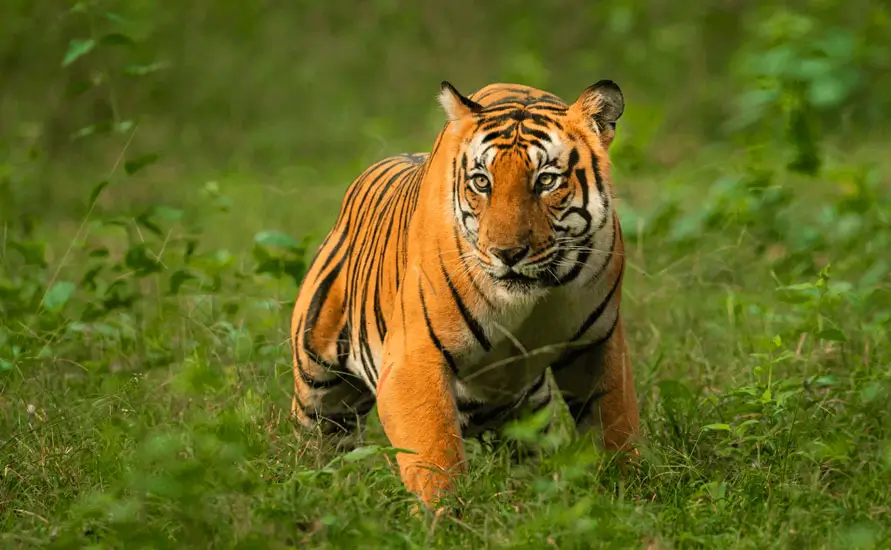
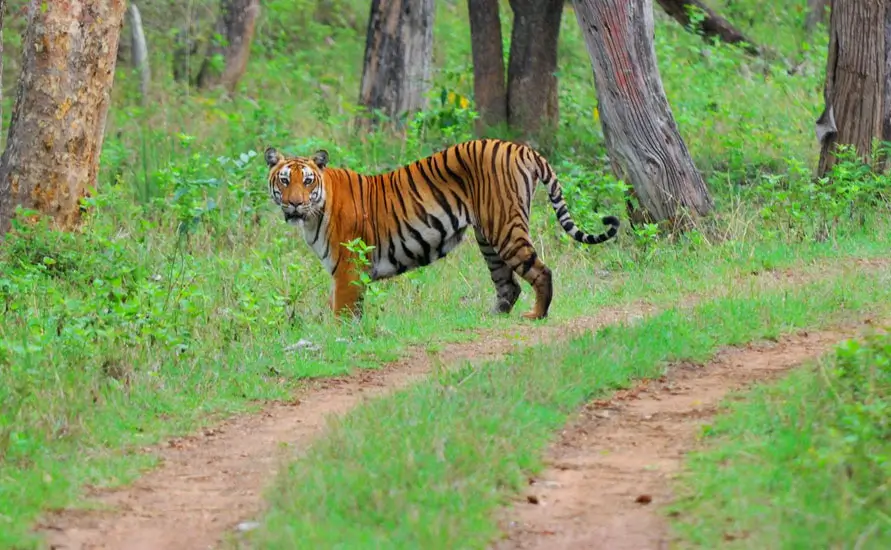
We designed this wildlife photography tour in India for committed amateurs and semi-professionals, solo or in a private party of no more than four shooters. Subjects can include leopard, tiger, elephant, gaur, dhole and a long bird list, yet nature sets the schedule and nothing is guaranteed. Ethics run through every day: no baiting, no calling animals with recordings, no flash at wildlife and no pressure on the driver to crowd a subject. Suggested travel months are October to June, with dry-season water holes from March onward.
Your arrival at Kempegowda International Airport is handled by our airport host, who meets you past customs, helps load hard cases and tripods into the vehicle and drives you to your hotel. Photographers usually travel heavy, so we send a larger car for this transfer. Since most overseas flights land in darkness, the morning stays empty and the schedule starts after lunch. Use the gap to sleep off the flight and let your body clock catch up. If you arrive in daylight, the hotel can arrange a quiet room facing away from the road, which is useful if you need to charge batteries or clean sensors in peace.
In the late afternoon, your photography naturalist comes to the hotel for a first meeting. This is a practical session rather than a lecture. You lay out your gear and talk through what works in South Indian forests: a 100-400mm or 150-600mm zoom covers most situations, a 500mm or 600mm prime helps with distant cats and birds, and a wider lens of 24-105mm is ideal for elephant herds and forest scenes. The naturalist also confirms you carry a bean bag, rain cover and enough memory cards, and suggests settings for fast-moving subjects in dim light.
Before dinner you go over the field rules together. National parks in India do not allow drones, vehicles must stay on marked tracks, flash on wildlife is not permitted and there are no drives after dusk. Safari permits are booked through the forest department and are limited, so timings can shift slightly once seats are released. Your guide also explains the ethics that run through the trip, including keeping distance from nesting birds and never asking a driver to block an animal's path. Eat early and sleep well; the forest starts tomorrow. Overnight in Bangalore.
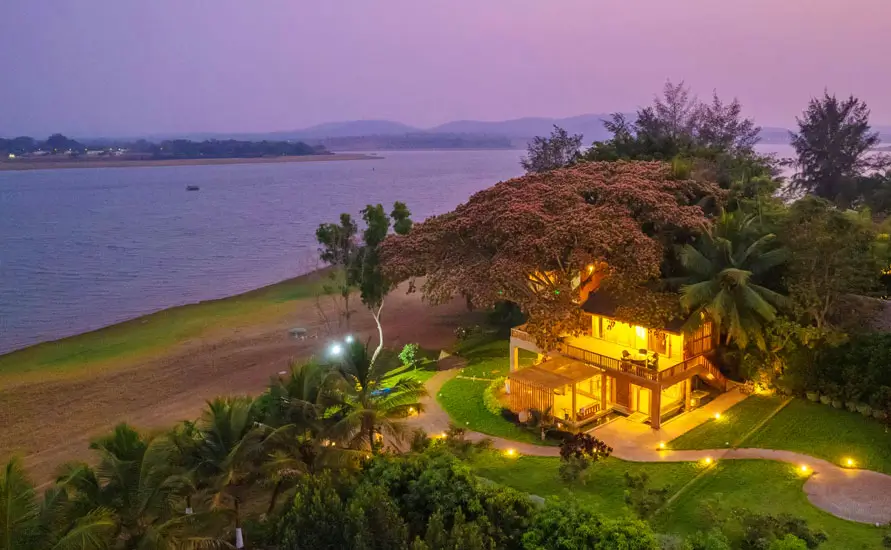
Roll out straight after breakfast to stay ahead of Bangalore's morning queues; a roomier vehicle with plenty of room for camera bags makes the five-hour drive comfortable. After Mysore the countryside opens into coconut groves, paddy fields and small villages, and your naturalist may point out raptors on electric wires, such as black-winged kites and shikras, which make good practice subjects if you stop briefly. Lunch is waiting at the riverside lodge on the Kabini backwaters, and once in your room it pays to spread the gear out on a clean towel.
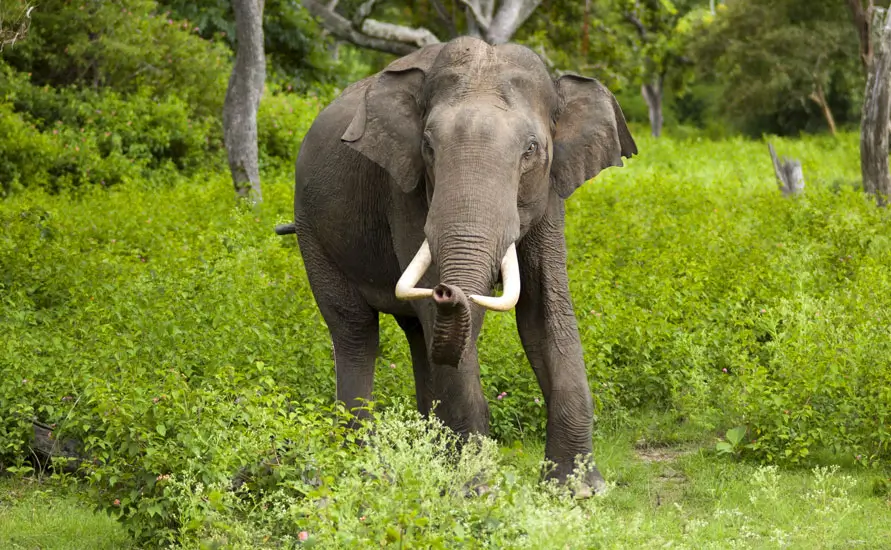
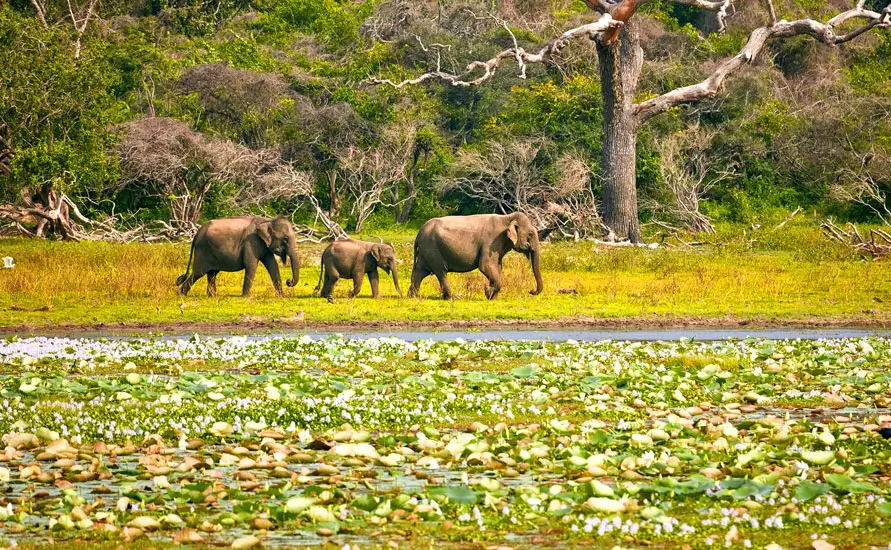
The Kabini boat safari is a favorite with photographers because the camera sits close to the waterline. From this low angle, elephants drinking at the shore fill the frame against the forest behind, and birds flying over the water give clean backgrounds without clutter. Your naturalist explains how to brace a long lens on the boat's railing or on your knees, since the deck can move slightly. Faster shutter speeds help, and image stabilization should be set to the mode your manufacturer recommends for moving platforms. A polarizing filter is useful for reducing glare off the water.
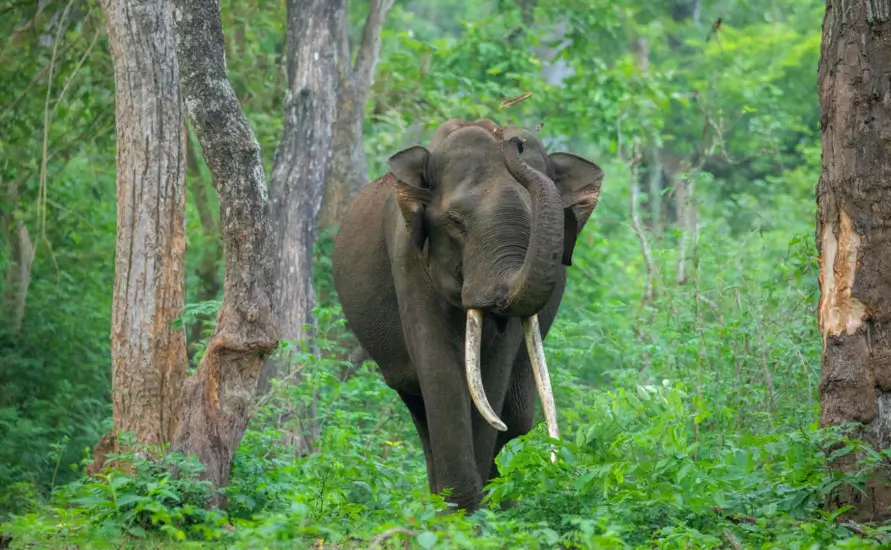
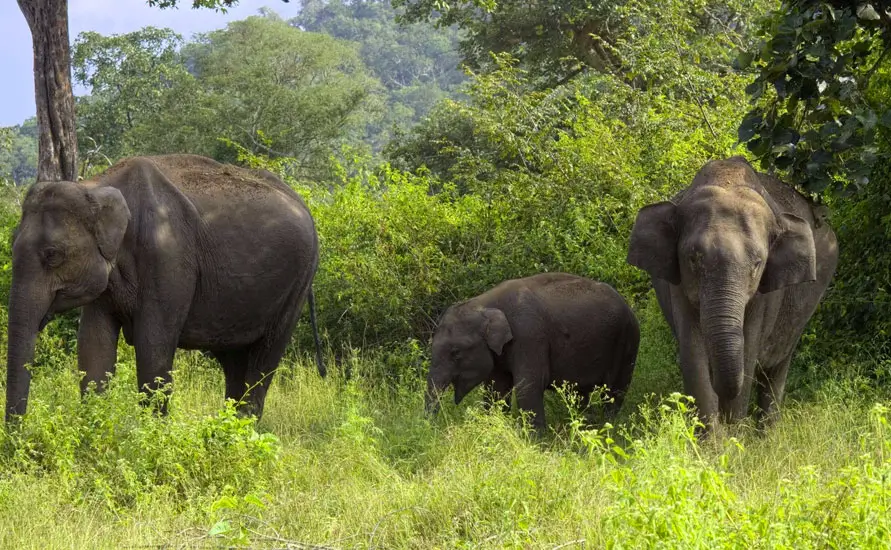
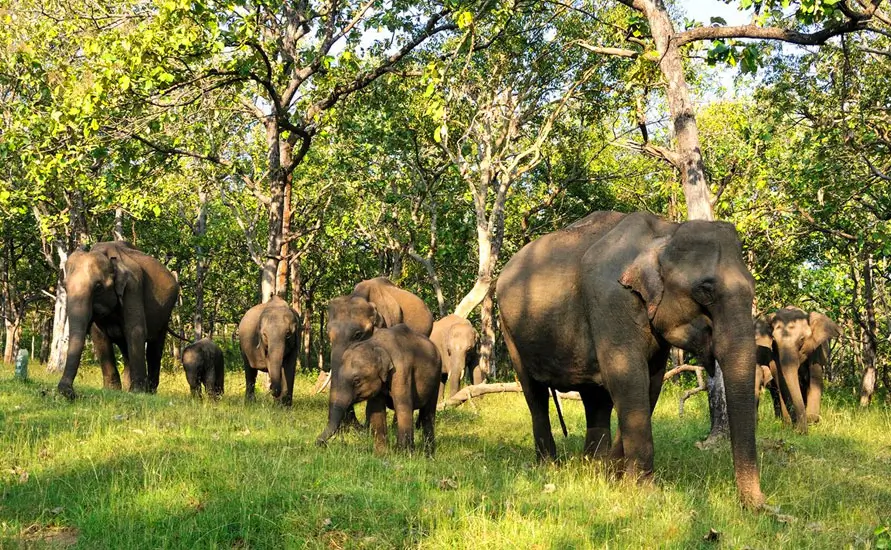
The boat leaves around 3:30 pm and returns near sunset, giving you the best of the afternoon light. From March to May, families of elephants assemble by the dozen on the exposed meadows, and marsh crocodiles lie on the mud with their mouths open. Ospreys, river terns, darters and pied kingfishers give plenty of chances for action shots. As the sun drops, the water turns golden and silhouettes become possible. Back at the lodge, the naturalist runs a short session on backing up the day's images before dinner. Overnight in Kabini.
First light in Nagarhole comes a little after 6 am for most of the year, and your jeep is at the gate when it opens. The early hours give soft, warm light that flatters the gold of a leopard's coat and the grey of an elephant's skin, but light levels are low, so your naturalist suggests a wide aperture and higher ISO settings at the start. Most modern cameras handle noise well, and a sharp image at higher ISO is better than a blurred one at a lower setting. Your guide also shows you how to sit so you can switch sides quickly when an animal appears.
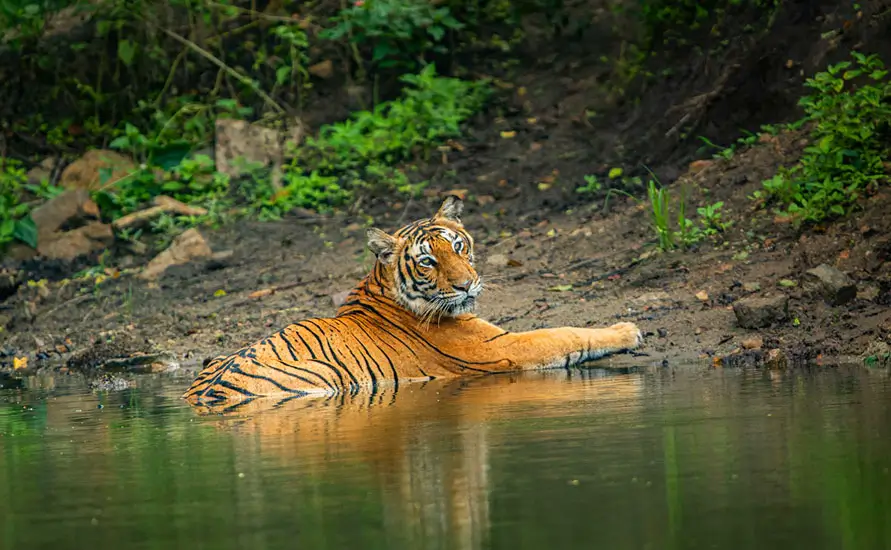
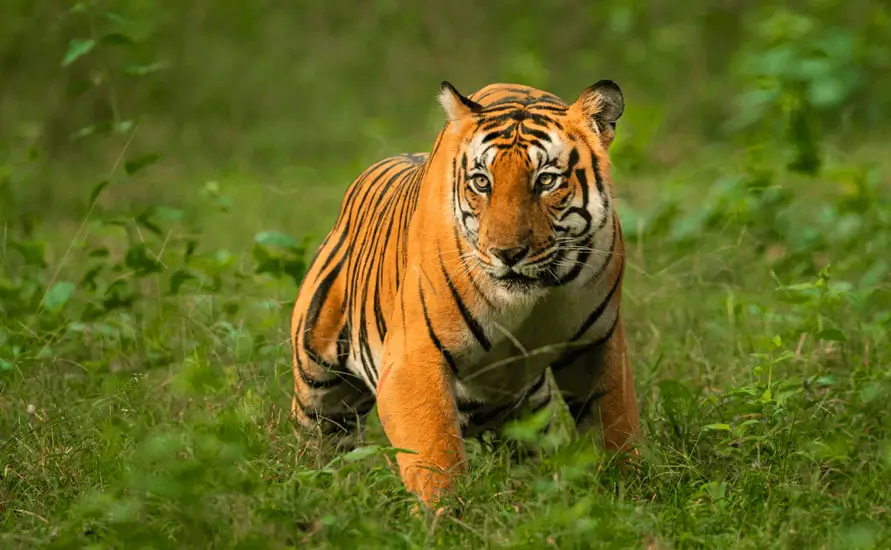
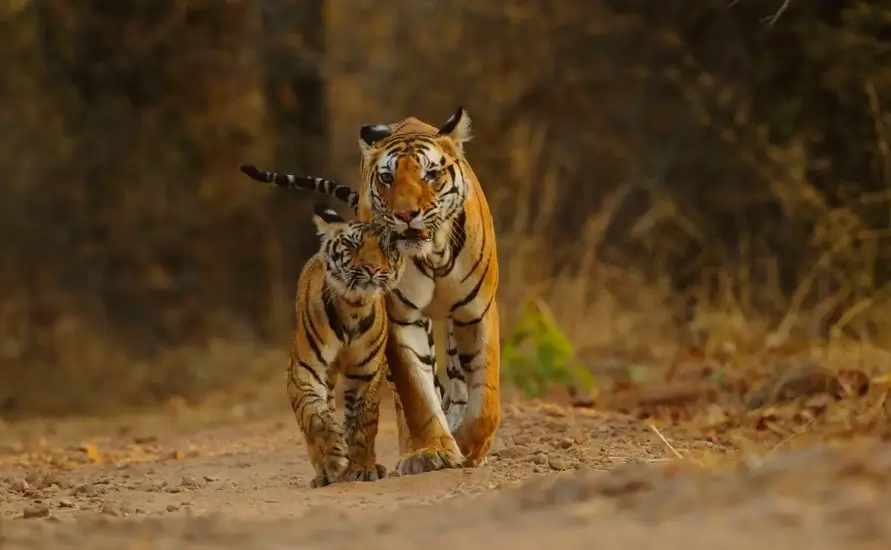
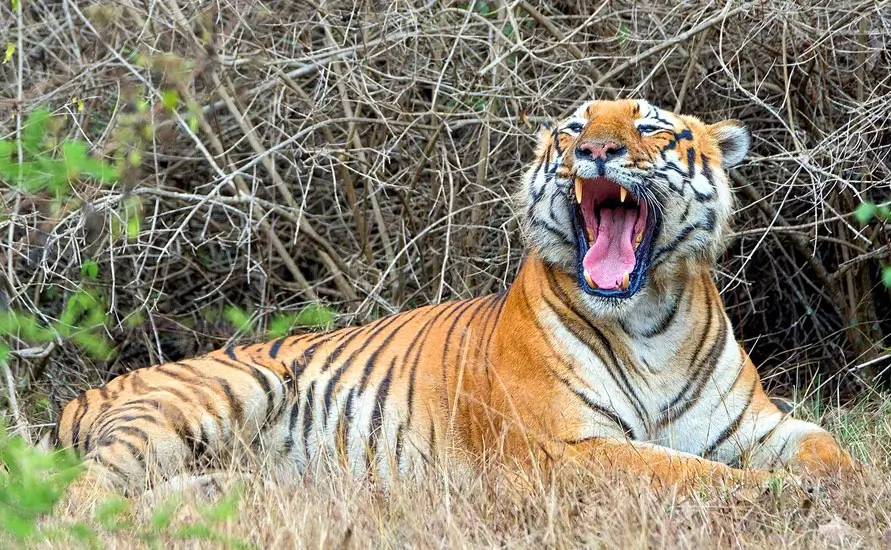
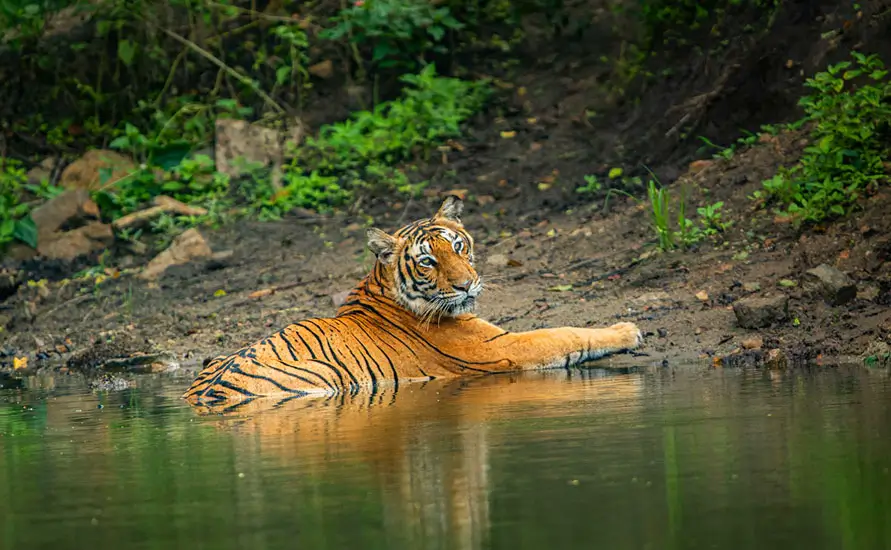
The forest around Kabini is well known for leopard photography, and these cats often rest on low branches or fallen logs. When one is found, your naturalist positions the jeep to avoid clutter between you and the subject, often waiting for the animal to move into a clearer spot rather than pushing closer. Tigers, dholes, gaur and sloth bears are also possible. Between sightings, look for smaller subjects such as Malabar giant squirrels, crested serpent eagles and jungle owlets, which make good portraits with a long lens. Breakfast follows around ten, once the jeep is back.
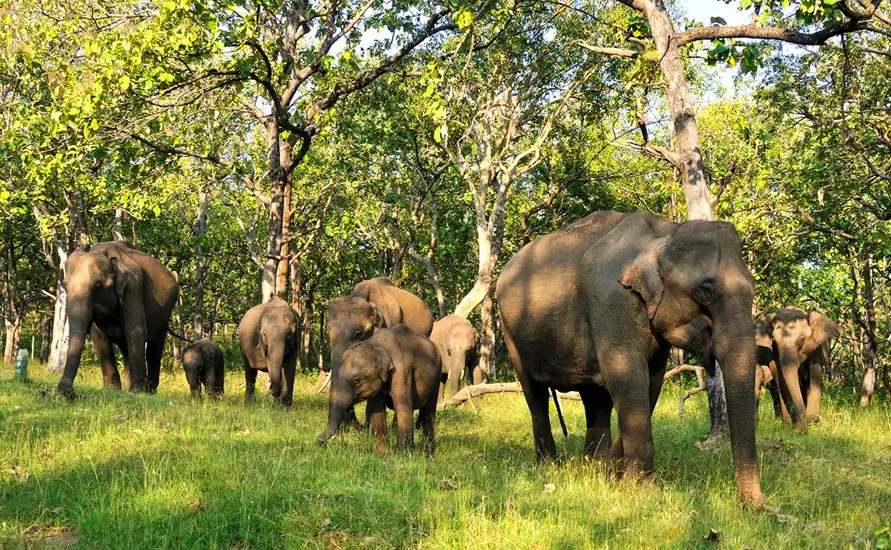
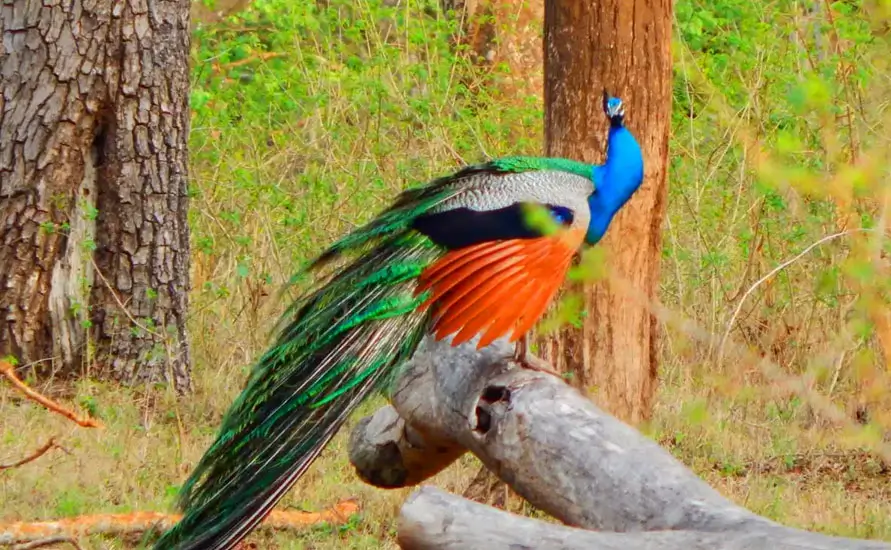
After a rest during the midday heat, the afternoon jeep leaves around 3 pm. Late light comes from a lower angle and creates side lighting and rim light, which can add depth and drama to your images. Your naturalist talks you through exposure for backlit animals and how to use dust or mist in the air for atmosphere. Elephants crossing the road, deer feeding in open glades and peafowl displaying are all common subjects. After the drive you meet for a short review of the day's best frames and talk through what to try tomorrow. Overnight in Kabini.
The morning jeep follows the same routine, though by your third outing the rhythm feels natural. Your naturalist often suggests a different photographic goal for the drive, such as environmental portraits that show an animal within its habitat, rather than tight close-ups. This might mean a wider lens for an elephant family walking through bamboo or a deliberately small leopard in a large frame of forest. Changing your approach keeps the drives fresh and adds variety to your portfolio. You return to the lodge around mid-morning, ready for breakfast and some well-earned rest.
Once breakfast is done, the first editing session begins. Your naturalist sits with you on the lodge veranda or in a shaded common room, laptop open, and walks through a simple workflow for culling, rating and processing wildlife images. Topics include white balance in forest shade, recovering highlights in bright sky, cropping for a strong composition and keeping noise under control. Bring your own laptop with your usual software, and an external drive for backups. These sessions are informal, and you are welcome to ask questions about anything from autofocus settings to choosing which images to print.
The afternoon returns you to the water for the second Kabini boat safari. With one boat trip already behind you, it is a good time to try slower shutter speeds for motion blur as elephants walk through the shallows, or panning shots of birds in flight. Your naturalist can ask the boatman to hold a steady position where the light is best, though the rules require boats to keep a set distance from the shore and from animals. Sunset over the reservoir gives one more chance for silhouettes and reflections. Dinner is at the lodge. Overnight in Kabini.
Your last full day at Kabini begins with another dawn drive. Drawing on the last two days of tracking, your naturalist may return to a stretch of forest where leopards or tigers have been seen, or try a new track if the zone allocation allows. Patience is the key skill here. Photographers often spend long minutes with the engine off, camera ready, waiting for an animal to step out of cover or turn toward the light. When it happens, keep shooting in short bursts and resist the urge to check the screen until the moment has passed.
Between drives, the lodge grounds offer good bird photography. Many lodges on the Kabini backwaters have mature trees, fruiting figs and small water features that attract a wide range of species, including Indian golden orioles, Tickell's blue flycatchers, white-cheeked barbets and several species of kingfisher. Your naturalist can suggest spots with clean backgrounds and good light, and explain how to approach without disturbing birds. Please follow the lodge rules on staying on paths and keeping noise down. The midday heat is also a good time for a nap or a quick editing session.
The afternoon jeep is your last drive in Nagarhole, and your naturalist will try to make the most of it, whether that means waiting at a waterhole where a big cat has been active or following elephant herds toward the reservoir. As the day ends, take a moment to shoot a few wide frames of the forest itself, the tall teak trunks, slanting light and dust in the air, since these scenes help tell a fuller story. Back at the lodge, you look through your Kabini images together and pick a handful of favorites. Overnight in Kabini.
After a relaxed breakfast you pack up and leave the lodge. The drive south to Bandipur takes about two hours and passes farmland near H.D. Kote and Gundlupet, where the light over open fields can be striking in the morning. Your naturalist may suggest a stop if there are interesting subjects such as Indian rollers on wires or herds of goats against the hills, though most of the photography today will happen in the reserve. Your base is a small resort beside the reserve, a few minutes from the safari counter, and the batteries go straight on charge.
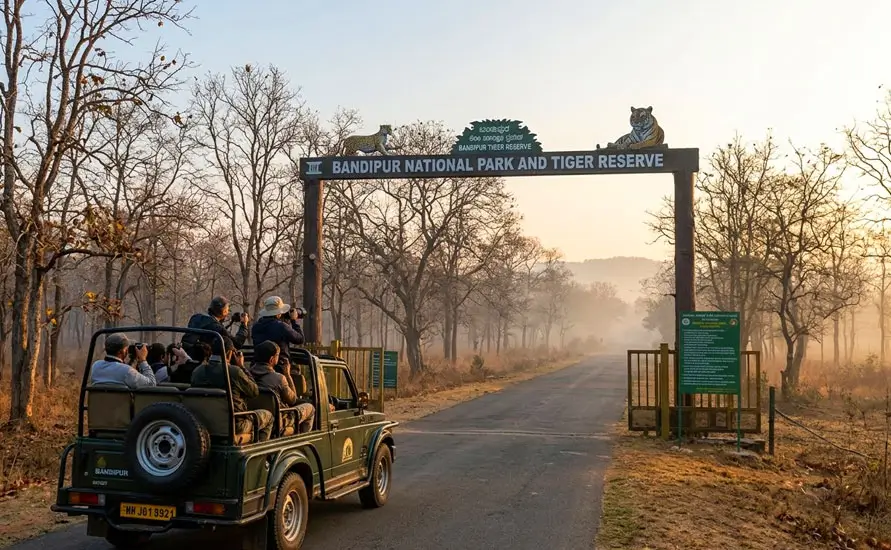
Bandipur offers a different look from Kabini. The forest is drier and more open, with scrub, bamboo, rocky outcrops and wide grassy clearings, which make it easier to photograph animals at a distance and in context. Your naturalist explains how this changes your approach: longer focal lengths for distant subjects, more attention to backgrounds and horizon lines, and a wider lens for elephants moving across open ground. Gaur, chital, sambar and wild boar are commonly seen, and tigers and leopards are possible, especially in the dry season when animals gather near water.
For the afternoon Bandipur safari, the park decides if your seat is in a jeep or a canter. On a canter, your naturalist will help you find a seat on the side facing the best light. Late-afternoon light across the grasslands can produce warm, glowing images, and dust raised by passing animals adds texture. Watch for peafowl displaying in the cooler months and for changeable hawk eagles perched on dead trees. The national highway through the reserve closes to private vehicles at night, so transfers here happen in daylight. Overnight in Bandipur.
Morning mist over the Bandipur grassland can create soft, layered images, especially when animals stand partly hidden in the haze. Your naturalist helps you set exposure for these low-contrast scenes, often suggesting a slight positive exposure compensation to keep the mist bright. Elephants walking through the fog and gaur standing in silhouette are classic Bandipur frames. Big cats may show on any outing, so keep one ear on the langurs and chital, whose warning calls often give the first clue. As the sun rises, the light warms quickly, so make the most of the first hour.
The second editing session of the trip follows a late breakfast. This time the focus is on building a coherent set of images rather than single shots. Your naturalist talks about sequencing, telling a story with behavior, habitat and portraits, and choosing images that work together. If you plan to enter competitions or share your work online, this is a good moment to discuss captions, ethics statements and what judges look for. The rest of the midday break is free for rest, a walk in the resort grounds or more time with your photos.
Your vehicle heads out again at about three. Now that Bandipur's terrain is familiar, try different perspectives: low angles from the vehicle floor where safe, tight crops of eyes and textures, or slow shutter speeds to show movement. Your naturalist may suggest waiting at a waterhole near sunset, when animals come to drink and the low light falls across the water. Remember that the forest department sets the routes and closing times, and the jeep must return before dusk. Dinner tonight is at the resort, followed by an early night. Overnight in Bandipur.
The last Bandipur drive leaves at dawn and gives you one more chance in this open landscape. Your naturalist may focus on a subject you have not yet captured well, perhaps a gaur herd at close range or a raptor perched in clear light. Breakfast and checkout come next, then a quick hop over the Moyar bridge, which marks the border with Tamil Nadu. Forest lines both sides of the road, and an elephant can step out without warning, so the car moves at a crawl. Stopping inside the reserve is not allowed, so keep your camera in your bag on this stretch.
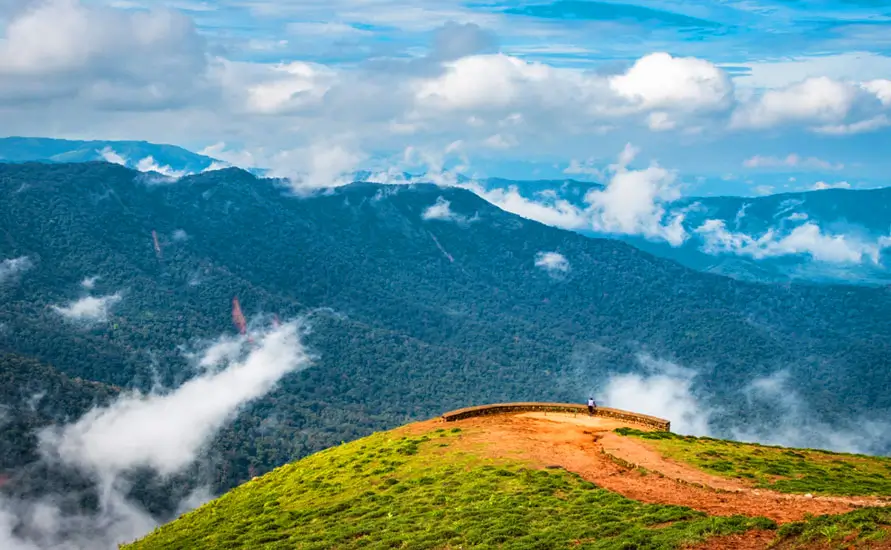
Across the state line, Mudumalai Tiger Reserve brings new framing options with its hills, streams and bamboo. The forest is more varied, with dry deciduous woodland, bamboo thickets and patches of evergreen along the streams, and the blue line of the hills rising behind gives a strong backdrop for landscape and habitat images. A small resort near Theppakadu is home for two nights, with lunch and a siesta before the next drive. Here only department-run vehicles enter the core, and your naturalist explains how seating and timings are handled, and which side usually catches the late sun.
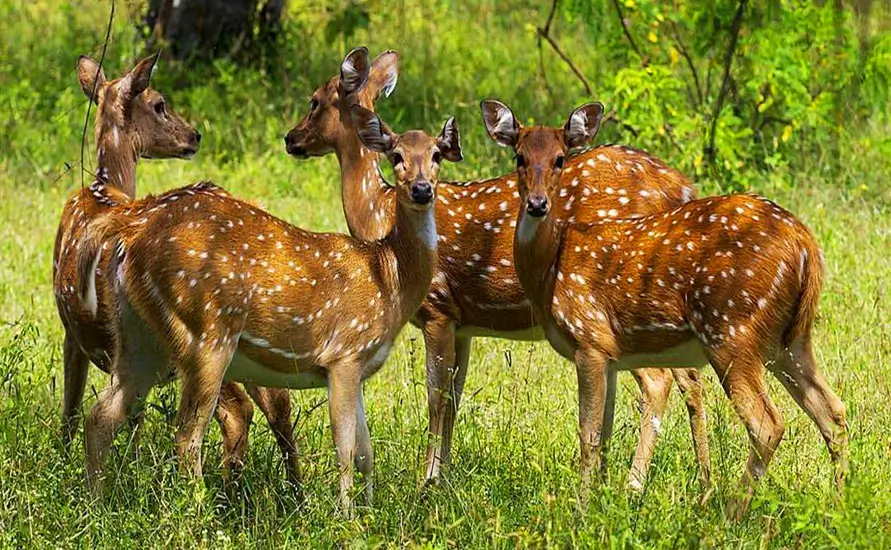
The afternoon drive in Mudumalai follows forest roads along the Moyar river. Malabar giant squirrels, with their deep red and black fur, are common in the tall trees and make striking portraits. Elephants, gaur and spotted deer are frequent, and tigers, leopards, sloth bears and dholes are all possible. In the shade of the riverine forest, light levels drop quickly, so higher ISO settings and steady technique help. Your naturalist will also look out for birds such as the Indian pitta and the white-bellied treepie. Dinner is at the resort. Overnight in Mudumalai.
Mudumalai's morning drive starts in the cool air under the hills, and light filtering through bamboo and tall trees creates patches of brightness that can isolate an animal beautifully. Your naturalist explains spot metering and exposing for highlights in these conditions. Packs of dhole are a regular sight in this reserve, often lying up near the track, and they make good subjects for behavior images when the pack interacts. Leopards and tigers are possible, and birders should watch for the Malabar trogon in the evergreen patches. A hot breakfast waits back at base.
Late morning brings a stop at the Theppakadu elephant camp, where working elephants of the forest department are cared for between patrol and rescue duties. Visitors watch bathing and feeding from the public viewing area, and photography from there is allowed. Riding, feeding and touching are all off the table on our trips. Your naturalist talks about the ethics of photographing captive animals and suggests ways to show the bond between mahouts and their elephants without staging, such as waiting for an unposed moment at the river. The visit adds a human story to your set of wildlife images.
After lunch the jeep goes out once more. By now your naturalist knows which areas have been productive and where light is best at different times. Try to vary your images with a mix of portraits, behavior and environmental frames. Toward sunset, the hills behind the reserve often glow, giving a strong backdrop for elephants or deer in the foreground. After the drive, a short review session helps you pick out the best images from Mudumalai and plan your final days. Dinner is at the resort, and bedtime comes early. Overnight in Mudumalai.
The final Mudumalai safari leaves at dawn and is your last formal drive of the tour. Your naturalist will try to make it count, returning to an area where a big cat has been active or setting up near the river for elephants crossing. After the drive and breakfast, you move a short distance to a small resort in Masinagudi, a village on the open plateau in the buffer zone of the reserve. Compared with the core, the ground here is open and dry, with scrub, grassland and scattered trees set against the steep slopes of the Nilgiri Hills.
The Masinagudi area offers different photographic chances. Sweeping frames with the hills as a wall behind, chital herds in the fields and open-country birds like rollers, larks and green bee-eaters all reward a patient eye. The nearby Sigur plateau is known for several vulture species, which have declined sharply across India, and your naturalist can talk about the conservation work in this area, including the ban on veterinary drugs that poisoned the birds. Some parts of the buffer are restricted, and your naturalist will keep to public roads and areas where photography is allowed, following forest department rules.
In the late afternoon, your naturalist leads a walk or a slow drive along permitted roads for landscape photography as the light softens. Golden light on the hills, silhouettes of trees and wide skies can provide strong images to round out your portfolio. After dark, the resort grounds may offer chances for night sky photography if conditions are clear and light pollution is low, using a tripod and a wide lens. Remember that no night drives are allowed inside the reserve. Supper is served at the resort. Overnight in Masinagudi.
After breakfast you leave Masinagudi and drive north through Mudumalai and Bandipur toward Mysore. Both reserves lie across the road, and a careful driver often gives you one last glimpse of gaur or elephant, although halting in the forest is forbidden. Once out of the reserves, the road passes through farmland and small towns. Mysore comes into view by lunchtime, and the hotel has your rooms ready so you can shower off the forest dust and spread your gear out one final time before packing it properly for the flight. The afternoon begins with a rest, and your naturalist joins you for the last time for a portfolio review.
The review is a relaxed session where you look back at the best images from the whole trip. Your naturalist helps you choose a final set, talks through any images that could be improved with further editing and suggests how to present your work, whether in print, online or in a club competition. Use the hour to talk about future trips too, such as central Indian tiger reserves or the rainforests of the Western Ghats, and to ask any last questions. Many photographers find this session one of the most useful parts of the tour.
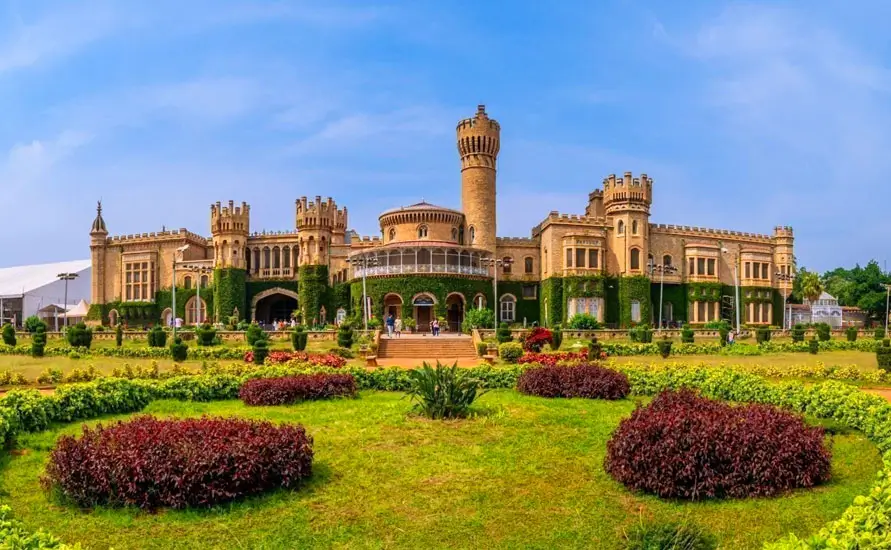
Toward evening a city guide walks you round the Mysore Palace, seat of the Wadiyar dynasty. Photography is not allowed inside the palace halls, but the exterior and gardens offer plenty of subjects, and shoes must be deposited before entry. When the short illumination runs on a Sunday or public holiday evening, it is a fine chance for architectural photography with a tripod if allowed. If your visit falls on another day, a stroll through the Devaraja Market offers colorful street scenes of flowers and spices. Dinner is at the hotel. Overnight in Mysore.
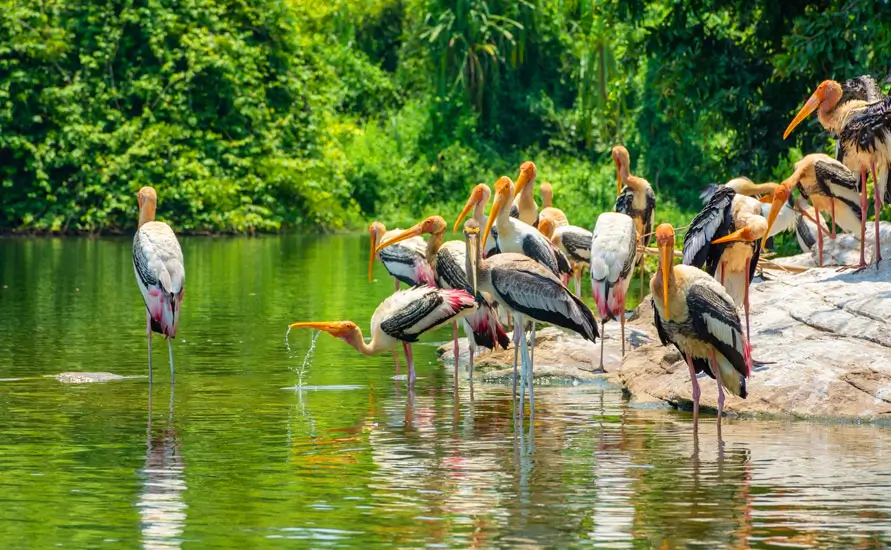
Allow about four hours on the expressway for the return to Kempegowda International Airport. A late flight leaves room for the Ranganathittu Bird Sanctuary beside the Kaveri, where a short rowing-boat circuit passes islets crowded with nesting storks, spoonbills and night herons in the breeding months. Your driver plans the timings to give you a comfortable margin at the airport, and we make sure your camera gear is packed safely for the flight home.
Twelve days in the forests of Kabini, Bandipur, Mudumalai and Masinagudi give photographers a wide range of subjects, light and habitats in one connected region of South India. We hope you leave with images you are proud of and a deeper understanding of these forests and their wildlife. Central Indian tigers and Western Ghats rainforest birds make natural next shoots, and we will gladly plan one. Safe travels home.
Your Journey
N.S. Rathore & Mrs. Omlata Rathore · Managing Director
We still read every enquiry ourselves. Tell us the places you liked and our planners will send a day-by-day route with drive times and a clear price.
Every package can be customised and no pressure to book. A planner from our office replies within 24 hours with a route written for your group.
Fill this in and your planner will send a first draft itinerary.
Explore more
Kerala Backwaters Escape Kerala Backwaters Escape
 Kerala Backwaters Escape
 Kerala Backwaters Escape
 Kerala Backwaters Escape
 Kerala Backwaters Escape
 Kerala Backwaters Escape
 Kerala Backwaters Escape
 Kerala Backwaters Escape
 Kerala Backwaters Escape
 Kerala Backwaters Escape
 Kerala Backwaters Escape
 Kerala Backwaters Escape
 Kerala Backwaters Escape
 Kerala Backwaters Escape
 Kerala Backwaters Escape
 Kerala Backwaters Escape
 Kerala Backwaters Escape
 Kerala Backwaters Escape
 Kerala Backwaters Escape