
 Kerala Backwaters Escape

Luxury South India Tours
Goa (Benaulim) – Old Goa – Chandor – Ponda – Port Blair – Havelock (Swaraj Dweep) – Port Blair
At a glance
Few beach holidays let you wake up beside two different oceans under the same hotel name. Our Taj Exotica Goa and Andaman Luxury Holiday pairs the Taj Exotica Resort & Spa, Goa, set on the Arabian Sea sands of Benaulim in South Goa, with the Taj Exotica Resort & Spa, Andamans, which faces Radhanagar Beach on the Andaman Sea. The first week mixes beach time with Goan history: Baroque churches in Old Goa, Portuguese-era mansions in Chandor and a spice farm near Ponda. The second half is about coral, clear water and long, quiet afternoons.
Getting from one coast to the other takes planning, and we handle every link. There is no direct flight between Goa and Port Blair, so you fly with one connection, usually in Chennai, Bangalore or Kolkata, and spend one night in Port Blair to see the Cellular Jail and Ross Island before a private catamaran takes you to Havelock, now officially Swaraj Dweep. Five nights on the island leave time for Andaman snorkeling and diving at Elephant Beach and the outer reefs, with rest days in between.
This Taj Exotica Goa and Andaman Luxury Holiday suits couples, honeymooners and families who would rather settle in than move every night. You sleep in only three hotels in twelve nights, a chauffeur-driven car and private guides cover the Goa and Port Blair sightseeing, and our team meets you at every airport and jetty. The best months for both coasts are November to April, when seas are calm and visibility for diving is at its best. Entry permits for the islands depend on nationality, so we check the requirements for your passport at booking.
Goa has two airports, and our representative will be waiting at whichever one your flight uses. Landing at Dabolim puts you some 40 minutes from Benaulim, while the long run down from Mopa airport in the far north takes closer to two and a half hours by highway. A chilled towel, cold water and a quick briefing on the days ahead are waiting in your chauffeur-driven car. The road to South Goa passes paddy fields, whitewashed chapels and laterite-walled houses with red tiled roofs, a quieter side of the state than the busy northern beach strip.
Your home for six nights is the Taj Exotica Resort & Spa, Goa, spread over about 56 acres of lawns, palms and a nine-hole golf course behind Benaulim Beach. The low buildings take their cue from Mediterranean and Goan-Portuguese styles, with arches, terracotta and whitewashed walls, and around 140 rooms and villas are scattered across the grounds. Garden villas sit among frangipani and bougainvillea, some with private plunge pools, while the sea-facing rooms in the main building look out over the dunes. Ask for a room on the sunset side if you want the evening light over the Arabian Sea from your balcony.
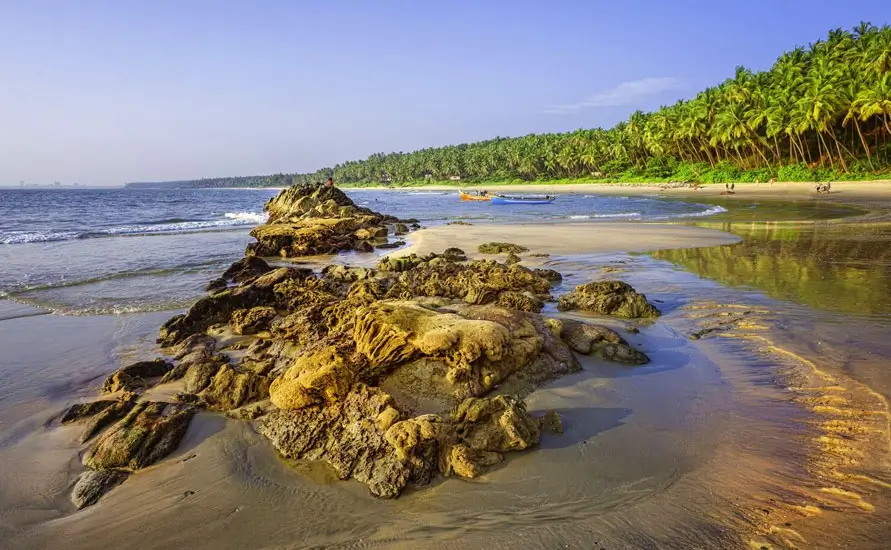
Nothing is scheduled for this first afternoon, so you can rest, swim or simply sit on the veranda. A barefoot walk along the resort's long stretch of sand is the best cure for a long-haul flight, as the beach here is wide and far less crowded than those in the north. Fishermen pull their wooden canoes up the shore late in the afternoon, and the sun drops straight into the water. For dinner, the beachside Lobster Village grills the day's catch over open flames, or you can order a light meal in your room and sleep early. Overnight in Goa.
A morning drive of about an hour takes you north to Old Goa, which was once the capital of Portuguese India and, at its peak in the 16th and 17th centuries, a city often compared with Lisbon in size. Cholera, malaria and a silting river slowly drove its people away, leaving cathedrals and convents scattered across empty green lawns. The tour opens at the Basilica of Bom Jesus, its bare red laterite front left unplastered, where a silver casket keeps the remains of St. Francis Xavier. Modest dress with covered shoulders and knees is expected in all the churches.
Facing it is the Se Cathedral, among Asia's largest churches, which took close to eight decades to finish and is famed for its Golden Bell and a gilded altar honoring St. Catherine. Close by are the Church of St. Francis of Assisi, with painted wooden panels inside, and the ruined tower of the Church of St. Augustine, which still rises above the trees at the top of a nearby hill. Together these monuments form the UNESCO-listed Churches and Convents of Goa. Visit in the morning, when it is cooler and the tour groups have not yet arrived from the northern beaches.
After lunch at a Goan restaurant in Panjim, you walk through Fontainhas, the city's Latin Quarter, where narrow lanes are lined with old homes painted ochre, indigo and lime green, with tiled house names and wrought-iron balconies. Your guide points out the small chapel of St. Sebastian, bakeries selling bebinca and family homes where Portuguese is still spoken by older residents. Panjim's white church of Immaculate Conception, reached by a criss-cross flight of steps above the main square, is the final photo stop before heading south. Dinner is at leisure at the resort. Overnight in Goa.
Today stays close to Benaulim and looks at the Goa of the old landowning families. In Chandor, about 30 minutes inland, the Braganza House stretches along one side of the village square and is still lived in by descendants of the family who built it. One wing has a long ballroom with Belgian glass chandeliers, carved rosewood furniture and Chinese porcelain, while the private chapel in the other wing keeps a family relic. Visits are by arrangement with the family and a donation is customary, so our team books the time in advance and briefs you on house etiquette.
From Chandor you continue to Loutolim, a village of tree-shaded lanes and grand homes with oyster-shell windows and long verandas. Several of these houses open their doors to small groups, and an owner may tell you how the family estate worked when coconut, rice and cashew were its main income. Your guide also points out the small roadside crosses and shrines that appear at almost every junction in South Goa. Lunch is at a Goan home kitchen or a local restaurant, where pork vindaloo, xacuti and fish recheado give you a sense of how Portuguese and Konkani cooking merged over four centuries.
In the afternoon you stop at the covered market in Margao, the main town of South Goa, where stalls sell chouriço sausages hanging in strings, local cashews, kokum and red chili masala pastes. It is a working market rather than a tourist one, and your guide helps you buy spices that will pass customs at home. Back at the Taj Exotica Goa, late afternoon is a good time for the pool or a session at the J Wellness Circle spa, whose treatments draw on Indian therapies. Sala da Pranzo, the all-day restaurant, serves a relaxed dinner if you want to stay in tonight. Overnight in Goa.
Goa is not only churches and beaches, and today's drive inland to Ponda, about an hour from Benaulim, shows the Hindu side of the state. When the Portuguese pressed hard on the coastal districts in the 16th century, many families carried their temple deities into these forested hills, which lay beyond colonial control. The temples were rebuilt here, and several of them mix Hindu plans with features you would expect in a church, such as tall lamp towers, domes and chandeliers. Your guide explains how this history shaped Goa's mix of faiths, festivals and food.
You begin at the Mangueshi Temple, home to Shiva as Manguesh, where a seven-tiered white deepastambha, or lamp tower, glows with oil wicks on festival nights. Nearby, the Shanta Durga Temple at Kavlem has a pyramid-shaped roof and a large hall hung with glass chandeliers. Non-Hindus are welcome in the courtyards and halls, though the innermost shrine is for worshippers, and shoes are removed at the entrance. Your guide times the visit for the late morning, when daily rituals are under way and you can hear the temple drums and bells that accompany them.
Lunch is served on a spice plantation near Ponda, usually a buffet of Goan vegetarian and fish dishes on banana leaves after a guided walk through the farm. Under the betel nut palms you see pepper vines climbing the trunks, cardamom plants, vanilla, nutmeg and cinnamon trees, and the guide lets you crush and smell each one. Some farms end the walk with a cup of cashew feni, Goa's local spirit, and a splash of cold water poured down your back as a traditional welcome. The drive back to the resort reaches Benaulim by late afternoon. Overnight in Goa.
The far south of Goa feels like a different state again, with red cliffs, cashew groves and small coves. Your driver heads about an hour south to Cabo de Rama, a laterite fort on a headland above the sea that changed hands between local rulers and the Portuguese, who held it until 1961. Inside the walls stands the small whitewashed Church of St. Anthony, still used for services, and a path along the ramparts leads to old cannon emplacements. From the far end of the fort, the view runs down the coast for miles, with fishing boats moving slowly below.
From the fort, the coastal road leads to Agonda, a long beach with a sea turtle nesting zone and a handful of low-key cafés, and then to the crescent bay of Palolem, ringed by palms. Lunch can be at a beach shack serving grilled kingfish, prawn curry with rice or a simple Goan fish thali. If the sea is calm, a local boat takes you out in the afternoon to look for humpback dolphins that feed off the headlands, though sightings are never guaranteed. The boat trip is optional and paid locally, and your guide can arrange it on the spot.
You drive back north in the late afternoon and reach Benaulim in time to change before dinner. If you have not yet tried the resort's private dining, the team can set up a table on the lawn or near the sand, with a menu planned with the chef around Goan seafood. Back at your room, the turndown team leaves fresh water, a small sweet and the terrace doors open for the night breeze off the sea. Tomorrow carries no fixed schedule, so sleep in as long as you like, and order breakfast to the terrace whenever you wake. Overnight in Goa.
After four days of sightseeing, today is left free to enjoy the resort before the flight across India. Early risers can join a yoga or mindfulness session on the lawn, which the hotel holds in the cool first hour of the morning. Golfers have the resort's nine-hole course on site, laid out between the villas and the sea, with clubs available to hire. Tennis and badminton courts are also part of the grounds, and bicycles can be borrowed for a ride along the garden paths, which is the quickest way to get to know a property of this size.
If you want to stay out of the sun, book a long treatment at the J Wellness Circle spa in advance, as it fills up on weekends with guests from Mumbai and Bangalore. Families can drop younger children at the resort's kids' club, which runs supervised painting, pottery and ball games through the day. For a short outing, cycle or walk along the sand to Benaulim village, where small chapels, toddy tappers climbing the palms and local fishermen mending nets show daily life only a few minutes from the hotel gate.
Late afternoon is the time to pack your bags and settle any resort bills, since tomorrow begins early with the flight to the Andaman Islands. Our team calls to confirm your flight times and the connection, and to check that you have the passport copies and permit details needed for arrival in Port Blair. For a last Goan dinner, the hotel's specialty restaurant serves dishes inspired by Goan-Portuguese home cooking, such as sorpotel, caldeirada and crab xec xec. Ask your server to pair the meal with a Goan wine, a feni cocktail or fresh lime soda. Overnight in Goa.
Breakfast is early today, and the car leaves Benaulim for Goa airport soon afterward. There are no non-stop flights from Goa to the islands, so this is a connecting route, usually changing planes in Chennai, Bangalore or Kolkata. Depending on schedules, the total door-to-door time is often six to nine hours, and we book through-fares on one ticket where possible so your bags are checked to Port Blair. The second flight crosses the Bay of Bengal, and on clear days you can see the green islands and coral shelves as you descend.
On arrival at Veer Savarkar International Airport in Port Blair, our island team meets you and handles the arrival formalities required for foreign visitors. The drive to your hotel takes only a few minutes, as Port Blair is a small town built around a deep harbor. In the late afternoon, if your flight lands in time, your guide takes you to the Cellular Jail, built by the British between 1896 and 1906 to hold political prisoners from the Indian independence movement, many of them sentenced to long terms far from home.
Three of the original seven wings still radiate from the central watchtower, and you can walk along the cell corridors, see the gallows and climb to the roof for a view over the harbor. The museum inside lists the names of prisoners and their home states. As darkness falls, the light and sound show retells the history of the jail in the courtyard, with English shows running on most evenings. Show times and languages change, so we book the English slot for you. Dinner is at your hotel in Port Blair. Overnight in Port Blair.
A short boat ride from Aberdeen Jetty takes you to Ross Island, now officially named Netaji Subhas Chandra Bose Dweep, which was the British administrative headquarters of the islands until an earthquake in 1941 and the Japanese occupation during the Second World War. Banyan roots and creepers have grown over the ruins of the chief commissioner's house, the church, the bakery and the officers' club. Spotted deer and peacocks wander freely among the walls. Your guide explains how a small island once held a full colonial town, complete with a ballroom and tennis court, and why it was abandoned.
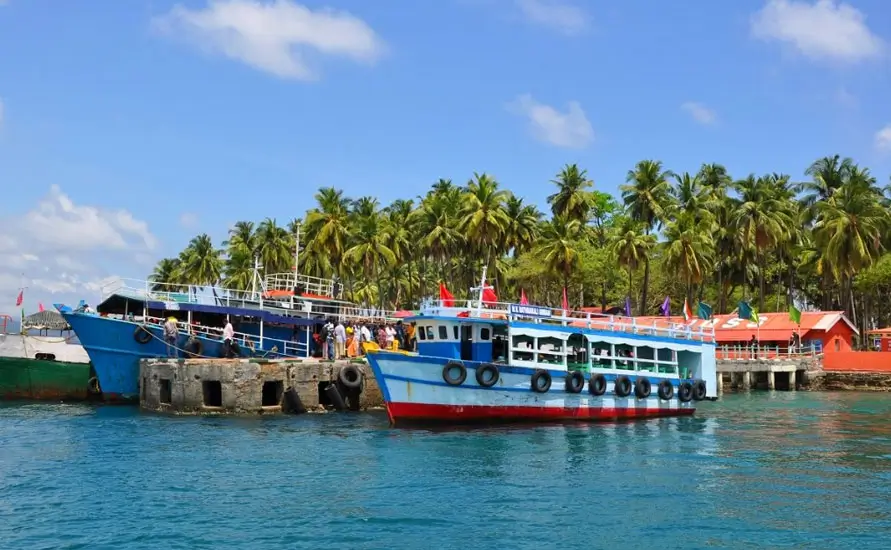
After an early lunch, you board a private catamaran from Haddo Wharf to Havelock Island, now called Swaraj Dweep. The crossing takes about one and a half to two and a half hours depending on the vessel and the sea, and premium-class seats are reserved for you. Our team handles luggage at both ends. On the way you pass small wooded islands and may see flying fish skimming beside the hull. Ferry times are set by the operators and can shift with the weather, so the Ross Island visit is arranged around the confirmed sailing time.
At the Havelock jetty, a resort car drives you across the island to the Taj Exotica Resort & Spa, Andamans, which stands on about 46 acres behind Radhanagar Beach on the island's western shore. Its 72 villas are raised on stilts with pitched roofs, a design inspired by the traditional huts of the island's Jarawa people, and the resort was built around the existing forest so that the old trees remain. You arrive in time for your first sunset on the Andaman Sea, which sets directly in front of the beach. Overnight in Havelock.
Radhanagar Beach is regularly ranked among the best beaches in Asia, and an early walk shows why. Fine white sand curves for about two kilometers, backed by tall mahua and padauk trees, and the water is a clear blue-green even in the shallows. In the morning the beach is nearly empty apart from a few local families. Lifeguards are posted on the public section, and you should follow the flags, as currents can change. The resort's own path leads straight onto the sand, so you can come and go in a few minutes from your villa.
Today has no fixed plan, which is the point of five nights on one island. The resort's infinity pool sits higher up the slope with a view through the trees toward the sea, and the fitness center is built around an old mahua tree. Lunch at The Settlers or Turtle House, the resort's two restaurants, often features reef fish, lobster and crab from local boats, alongside Indian and international dishes. The kitchen is happy to cook a simple grilled catch with lime and sea salt if you would rather not eat spicy food after a morning in the sun.
Late in the afternoon, the resort can arrange a guided nature walk in the coastal forest, where the naturalist shows you giant trees, hornbill nests, butterflies and the tracks of monitor lizards. Families with children can join beach games, shell crafts or fruit picking in the resort's orchards in season. As the light softens, head back to the beach for the sunset, when crowds from the island's other hotels gather along the public stretch. Dinner tonight can be a candlelit table at the edge of the forest, booked through your villa host. Overnight in Havelock.
After breakfast you take a speedboat from Havelock to Elephant Beach, a ride of about 20 minutes along the island's northern coast. The beach is known for its shallow coral reef, which begins only a few meters from the sand, so even first-time snorkelers can see coral and fish with their feet almost touching the bottom. A seasoned snorkeling guide fits your mask and fins, explains how to breathe through the snorkel and swims beside you in the water. Life jackets are provided for anyone who is not a confident swimmer, and children can join with an adult.
Underwater, you can expect brain and staghorn corals, giant clams, parrotfish, clownfish in their anemones and, with luck, a turtle grazing on seagrass. Visibility is usually best in the morning, before the afternoon breeze stirs up the sand. Please do not touch or stand on the coral, which is alive and grows very slowly. Elephant Beach also offers sea walking and glass-bottom boat rides for those who prefer to stay dry, and these optional extras are paid locally. Do bring reef-safe sunscreen and a long-sleeved rash vest, as the sun is strong on the water.
By early afternoon the speedboat drops you back on Havelock, salty and hungry, with nothing left on the schedule but a late lunch and a hammock on the veranda. If you enjoyed the morning, ask the dive team about a try-dive for tomorrow, which starts with a pool session and takes beginners to a shallow reef with an instructor. In the evening, the resort runs night kayaking in the nearby mangrove creeks with a guide, where on dark, moonless nights the water around your paddle can glow with bioluminescent plankton. It is an optional activity and depends on the tides. Overnight in Havelock.
Havelock is the main diving center of the Andaman Islands, and today is set aside for those who want to go beneath the surface. Certified divers can join boat dives to well-known sites such as Johnny's Gorge or Dixon's Pinnacle, where reef sharks, schools of trevally, batfish and large groupers are often seen. Beginners can choose a guided try-dive or start a short PADI Open Water course, which usually takes three to four days. We book a reputable dive center for you in advance, and the instructors check your medical form and logbook before any dive.
Dive boats leave early, often soon after sunrise, to catch the calmest sea. Each trip usually includes two dives with a surface interval on the boat, when the crew serves tea, fruit and snacks. Water temperatures stay warm all winter, so a short wetsuit is enough. If you do not dive, the morning is free to enjoy the beach, a book on your villa deck or a spa session at the resort. Diving is an optional extra and is paid directly to the dive center, while your snorkeling trip at Elephant Beach yesterday was included in the package.
Afternoons on Havelock are best spent slowly. A short drive takes you to Kalapathar Beach on the east coast, where black rocks break up the white sand and the water stays shallow far out from shore. The road there passes small Bengali villages, market stalls and betel nut groves, since many island families came from Bengal after Independence. Back at the Taj Exotica Andamans, ask the team about a turtle-nesting walk with a naturalist, which runs only in season and on some nights. Dinner is at The Settlers, the resort's restaurant inspired by the island's history. Overnight in Havelock.
Your final full day offers a choice. You can stay at the resort for one last morning on Radhanagar Beach, perhaps with a long massage by the water lily pond, or take an optional morning ferry to Neil Island, officially named Shaheed Dweep, about an hour away. Neil is smaller and flatter than Havelock, with paddy fields, banana farms and lanes where cycling is still the easiest way to get around. A local driver meets you at the jetty and plans the day around the tides, which shape what you can see at the beaches there.
On Neil, the main sight is the Natural Bridge, a rock arch formed by the sea that can only be reached across a reef flat at low tide. Your guide shows you small octopus, sea cucumbers and brittle stars in the rock pools as you walk. Lakshmanpur Beach is the place for sunset on Neil, while Bharatpur Beach has calm, clear water for an easy swim. Ferry times decide your return, and we book the afternoon sailing to bring you back to Havelock in time for dinner. The Neil day trip is optional and priced separately.
Your last Havelock evening is about packing light and eating well. Ask your villa host for a farewell table under the mahua trees, with lobster or reef fish chosen from that morning's boats. Settle your extras at the front desk tonight, as you will leave early tomorrow to catch the ferry back to Port Blair. Our island team confirms the ferry and flight times with you and arranges a packed breakfast if needed. Take one last walk along the beach after dark, when the stars over the Andaman Sea are very bright. Overnight in Havelock.
After an early breakfast, a resort car drives you to the Havelock jetty for a morning private catamaran back to Port Blair. Our team meets you at Haddo Wharf and drives you straight to the airport, which is about 15 minutes away. Flights out of the islands connect through Chennai, Kolkata, Bangalore or Delhi to international departures, and we leave at least three hours between the ferry arrival and the flight to allow for any delays at sea. If your connection is tight or the sea is rough, we can add a night in Port Blair instead.
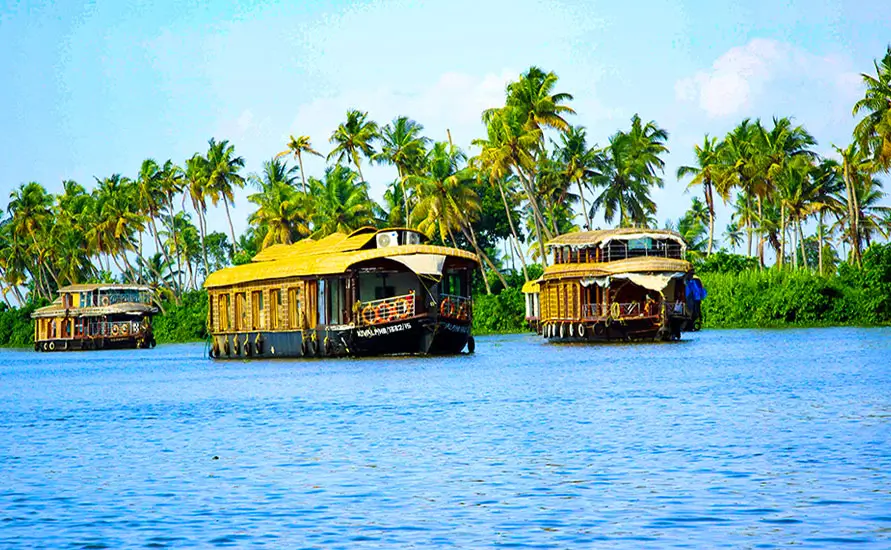
Over twelve nights you have stayed at two Taj Exotica resorts on two very different seas: South Goa with its churches, mansions and spice farms, and the Andaman Islands with their forests and coral reefs. Our island staff keep checking on you by phone until the long-haul leg is boarded. If you would like to add Kerala's backwaters, Mumbai or a few days in Rajasthan before or after this trip, we would be glad to plan the extension for you. Safe travels, and thank you for choosing us.
Your Journey

N.S. Rathore & Mrs. Omlata Rathore · Managing Director
We still read every enquiry ourselves. Tell us the places you liked and our planners will send a day-by-day route with drive times and a clear price.
Every package can be customised and no pressure to book. A planner from our office replies within 24 hours with a route written for your group.
Fill this in and your planner will send a first draft itinerary.
Explore more
Kerala Backwaters Escape Kerala Backwaters Escape
 Kerala Backwaters Escape
 Kerala Backwaters Escape
 Kerala Backwaters Escape
 Kerala Backwaters Escape
 Kerala Backwaters Escape
 Kerala Backwaters Escape
 Kerala Backwaters Escape
 Kerala Backwaters Escape
 Kerala Backwaters Escape
 Kerala Backwaters Escape
 Kerala Backwaters Escape
 Kerala Backwaters Escape
 Kerala Backwaters Escape
 Kerala Backwaters Escape
 Kerala Backwaters Escape
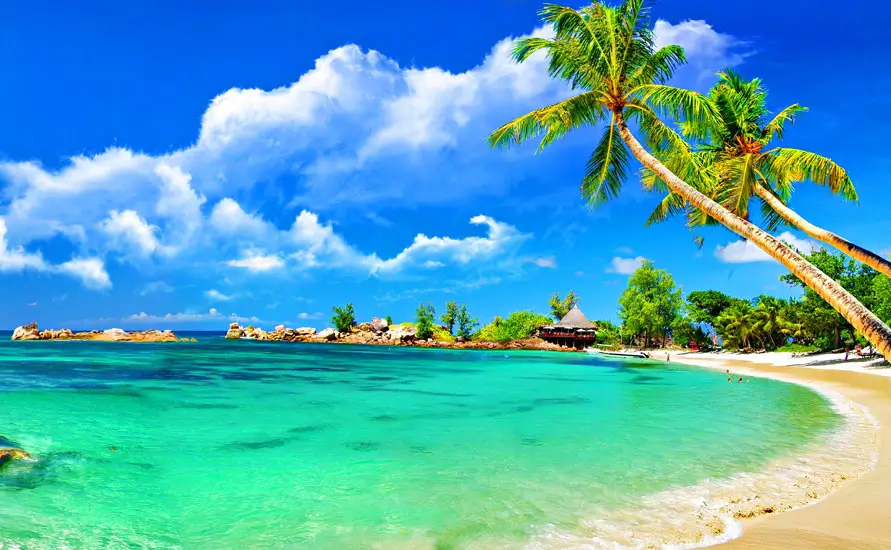 Kerala Backwaters Escape
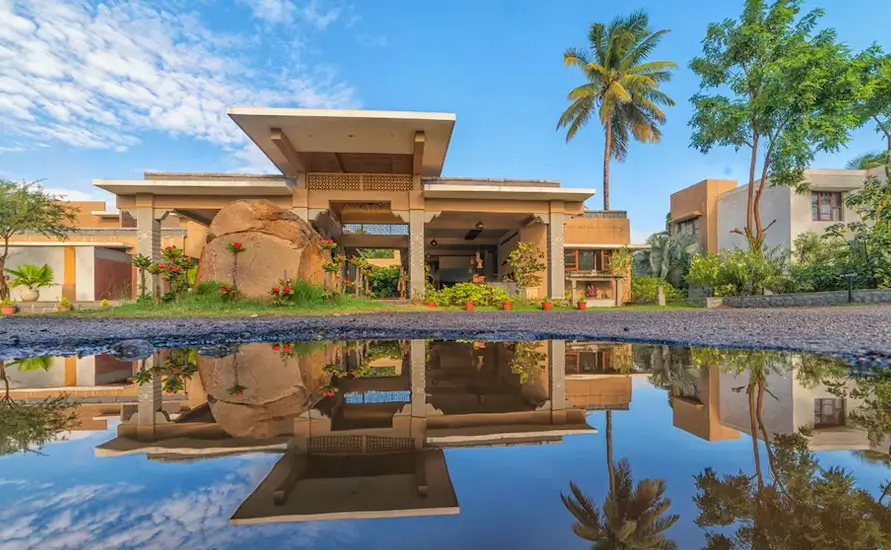 Kerala Backwaters Escape
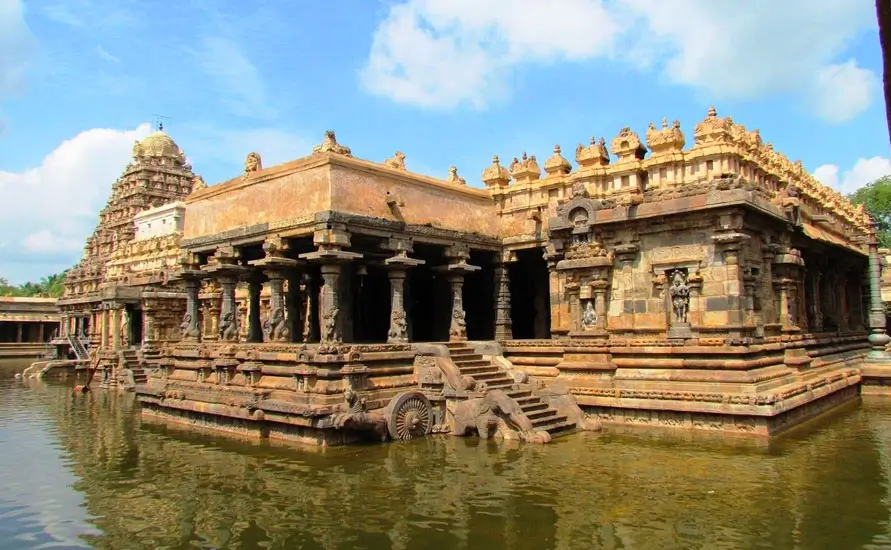 Kerala Backwaters Escape
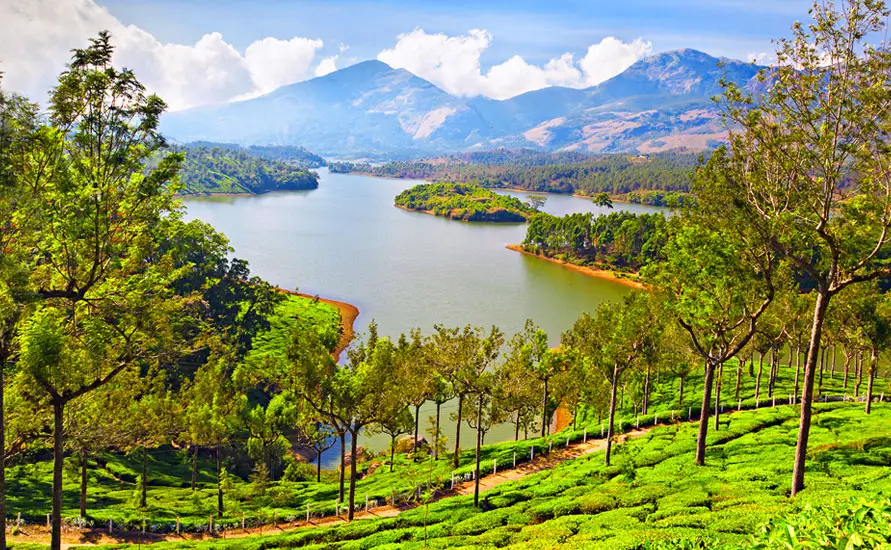 Kerala Backwaters Escape
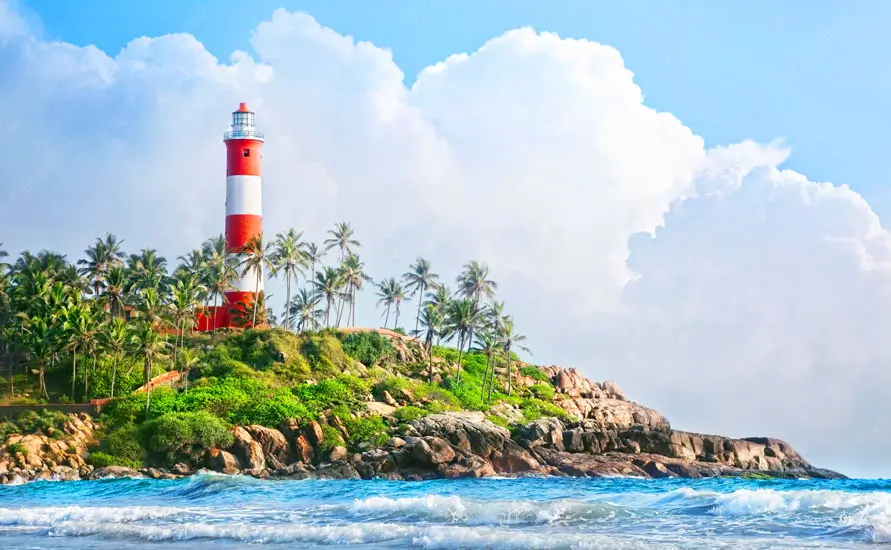 Kerala Backwaters Escape
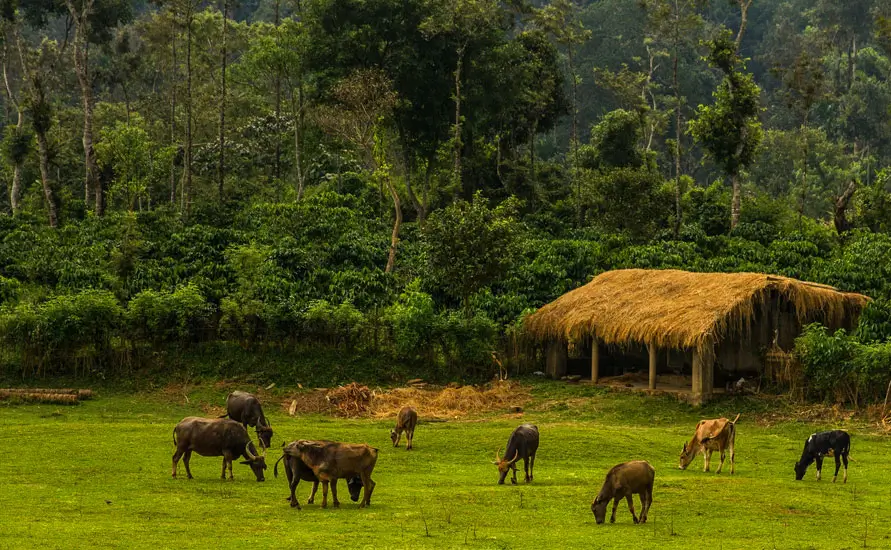 Kerala Backwaters Escape
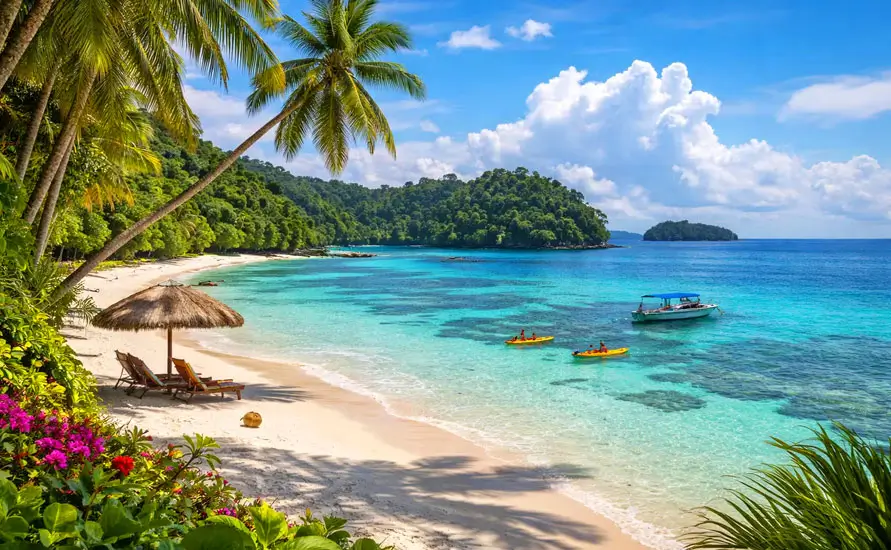 Kerala Backwaters Escape
 Kerala Backwaters Escape