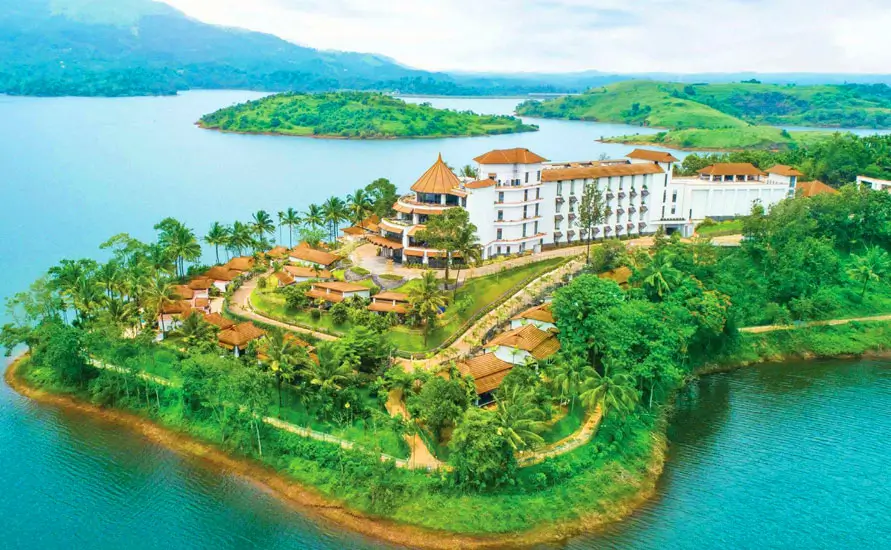
 Kerala Backwaters Escape
Luxury South India Tours
Chennai – Mahabalipuram – Pondicherry – Chidambaram – Gangaikonda Cholapuram – Tanjore – Karaikudi – Madurai
At a glance
Tamil Nadu has kept more of its old architecture in daily use than almost any region on earth, and temples raised a thousand years ago still ring with bells every dawn. Our luxury Tamil Nadu heritage tour follows that living past in order, from the Pallava carvers of Mahabalipuram and the French town of Pondicherry to the Chola capitals around Tanjore, the banker villages of Chettinad and finally Madurai, where the goddess still rules her city. Ten days give each chapter room, with a scholar-guide at your side rather than a rushed checklist.
Stays are chosen for character as well as comfort. You sleep in a beach resort beside the Bay of Bengal, a restored colonial villa hotel inside Pondicherry's White Town, a five-star property within reach of the great Chola temple and, for two nights, a heritage Chettinad mansion hotel near Karaikudi, with pillared courtyards, Burma teak and hand-pressed floor tiles. Your premium car and chauffeur link them on drives of mostly two to four hours, and only one road day stretches longer.
This luxury South India tour suits travelers who care about craft, food and history: lost-wax bronze casting at Swamimalai, gold-leaf Tanjore painting, a private Chettinad cooking session and evening rituals in Madurai's great temple. NRI families tracing Tamil roots often add a village or family-temple visit, which we arrange quietly. Plan for the cooler window between November and March, when temple courtyards are kind to bare feet. Every element of the luxury Tamil Nadu heritage tour runs privately, so pace, dates and room types can be tuned to you.
Whatever hour your plane lands in Chennai, often well before sunrise for long-haul routes, our airport host will be waiting, holding a card with your name beside the arrivals barrier. A chauffeur in a premium SUV or sedan drives you the short distance to a five-star hotel, where your room is ready on arrival because we pre-book it from the night before. Sleep is the priority this morning. Around noon your trip manager drops by with a folder of route notes, local contacts and a short reading list on Pallava, Chola and Nayak history that frames the ten days to come.
After lunch, a historian-guide accompanies you to Egmore, where the Government Museum has a bronze gallery that holds one of the finest groups of Chola metal sculpture anywhere. Here you meet, in miniature, the figures you will see carved in stone for the rest of the trip: Shiva as Nataraja inside his ring of flame, Parvati with her slender tribhanga pose, and the poet-saints of Tamil devotion. Your guide shows how to read hand gestures and attributes, a skill that makes every later temple visit richer. Museums here keep one weekly closing day, and we plan around it.
By late afternoon the car reaches Fort St. George, built from 1644 by the East India Company as its first major fortress in India. Within its ramparts, St. Mary's Church, consecrated in 1680, keeps marble memorials to soldiers, clerks and their families, along with the register recording Robert Clive's wedding. The fort still houses the Tamil Nadu legislature, which puts certain wings off limits, though the small fort museum and the church give a clear picture of how a trading post grew into a city of ten million. Dinner is at a fine Chettinad or coastal restaurant of your choice. Overnight in Chennai.
Your first halt south of the city is DakshinaChitra, an open-air heritage village whose homes were dismantled in their original districts, numbered beam by beam and rebuilt on this coastal plot. A Chettiar trader's house, a tiled Kerala Christian homestead plus a Tamil weaver's dwelling stand a short walk apart, giving you a preview of the Chettinad mansions still ahead. Craftspeople such as potters and glass-bangle makers are frequently at work in the lanes, and the shaded courtyards make it a gentle introduction for the first full day. Like most museums in the state, it closes one day a week, which we work into the plan.
Continuing along the coast, you check in to a five-star beach resort outside Mahabalipuram, where villas open onto lawns that run down to the sand. Following lunch and an hour by the pool, your guide walks you through the lesser-visited corners of the old Pallava port: the Varaha Cave, cut into a rock face in the 7th century, whose panels show the boar-headed Varaha cradling Bhudevi, the earth, after rescuing her from the deep, and the Mahishasuramardini Cave, in which Durga, weapons raised in many hands, rides out against Mahisha with his buffalo head. Few tour groups linger here, so the carvings can be studied quietly.
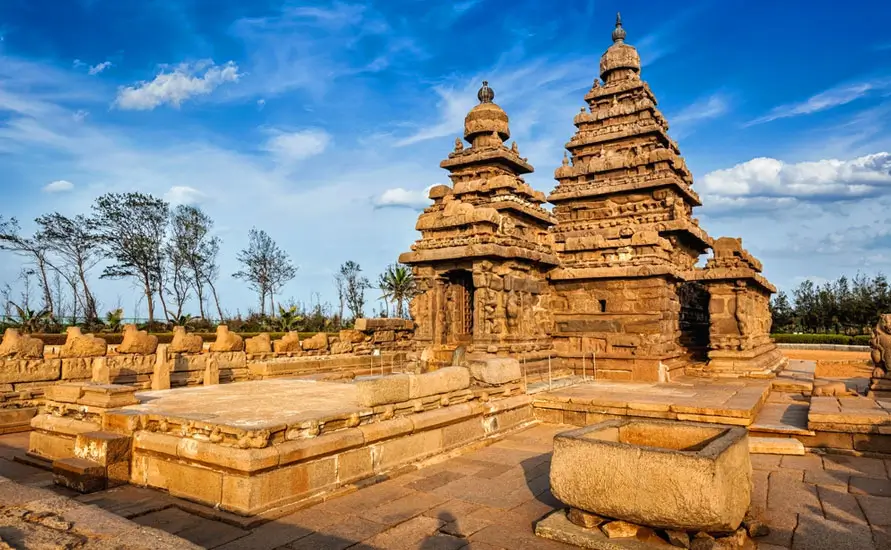
As the sun drops, you reach the Shore Temple, two granite towers built around 700 CE under the Pallava king Rajasimha and listed by UNESCO along with the other monuments of Mahabalipuram. In late light the eroded stone glows amber, and the low boundary wall of Nandi bulls throws long shadows across the lawn. Your guide explains how this was once a busy harbor trading with Southeast Asia, and why sailors used the temple towers as a landmark from far out at sea. Back at the resort, a seafood dinner can be laid out on the beach by arrangement. Overnight in Mahabalipuram.
Before checking out, take the morning to watch the town's living tradition of stone. Mahabalipuram is still full of sculptors' workshops, where carvers, many trained at the town's state-run sculpture college, shape granite deities using methods described in old Sanskrit manuals. Your guide introduces you to a master sculptor who explains how proportions are measured in finger-widths, and you can watch apprentices roughing out a block with chisels and hammers. Commissions ship worldwide, though buying is entirely optional, and the chance to see stone work in progress links the ancient caves directly to the present.
A few kilometers north of town, the Tiger Cave at Saluvankuppam is a small rock-cut shrine whose doorway is crowned with eleven snarling yali heads, mythical lion-like creatures that earned it the tiger label. Next to it lies the excavated base of a far older brick shrine to Murugan, revealed when waves in December 2004 stripped away the dunes that had hidden it. Then the chauffeur turns south along the coast road, running past casuarina plantations, fishing hamlets and the Kaliveli wetlands, toward the old French capital of Pondicherry, about two and a half hours away.
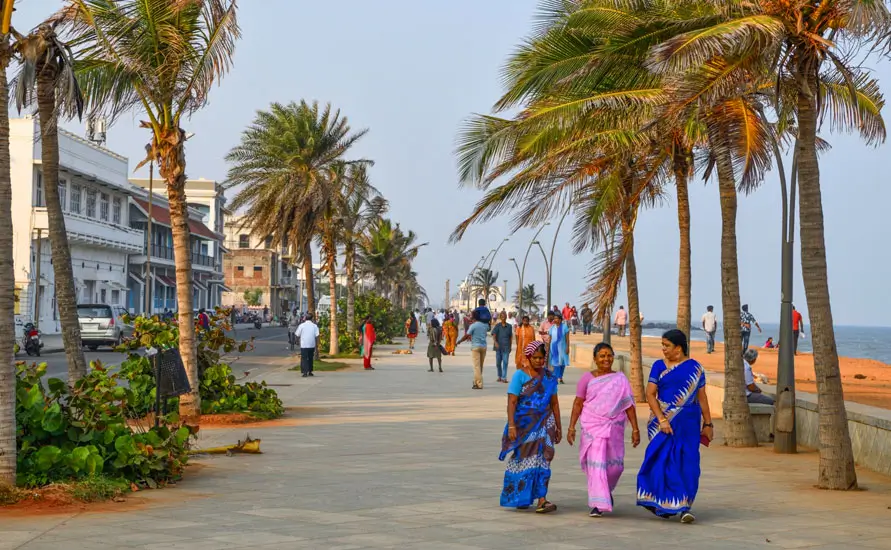
Waiting in White Town is a restored colonial villa hotel, the grid of quiet streets near the sea where French administrators once lived. Rooms here often keep their tall wooden shutters, high ceilings and black-and-white tiled floors, and breakfast is taken in a courtyard shaded by frangipani. Late in the afternoon you walk to the seafront Promenade, closed to traffic in the evening, stroll toward the 19th-century lighthouse and pause at the French war memorial, where locals gather to chat as the light fades. Dinner can be French, Creole or Tamil, sometimes from the same kitchen. Overnight in Pondicherry.
Most visitors stop at the French streets, but this morning your heritage guide leads you west across the old Grand Canal, the line that once split French residents from Tamil ones, into the Tamil Quarter, with its raised front platforms known as thinnai, heavy teak doors and walls in faded rose and ochre. Here the town's mixed past is easiest to see: Tamil homes with French windows, Catholic churches with Tamil inscriptions and small shrines on every second corner. The walk ends at Goubert Market, its stalls of jasmine garlands, dried fish and ripe bananas open from early on, and your guide helps you taste local sweets and understand the bargaining that drives the market.
Returning to the French side, you call in briefly at the Sri Aurobindo Ashram; the courtyard samadhi there is decorated freshly each day with flower patterns; visitors keep silent and leave cameras aside. Lunch is at a leafy café in White Town, after which the villa's shaded rooms are ideal for a siesta. If you enjoy reading, the Romain Rolland Library, the oldest public library in the territory, holds a reading room open to visitors, and your guide can point out its old French collections. Pondicherry is compact, so everything in town can be reached on foot or by a short car ride.
At around four, the car heads up to Auroville, a township dreamed up by the Mother in 1968, where people from roughly sixty nations now run farms, schools and workshops. Following an introductory screening, you follow a woodland trail to a clearing where the Matrimandir comes into view, a large golden sphere surrounded by gardens. Seats for meditation inside the sphere are few and must be reserved well ahead; tell us early and we will apply for you. On the way back, stop at an Auroville boutique selling handmade paper, incense and cotton clothing. Overnight in Pondicherry.
Two great temples break up the biggest driving day on this route. Your first halt, Chidambaram, holds the Nataraja Temple, which is devoted to Shiva in the form of the lord of dance. Its innermost hall, the Chit Sabha, wears a gilded roof, and the temple is cared for by a hereditary community of priests, the Dikshitars, who trace their service here back many centuries. Parts of the inner area are reserved for Hindus, but the vast courtyards, the four entrance towers lined with sculpted karanas, the movement units of Bharatanatyam, and the morning rituals can all be seen from the permitted areas.
Another hour inland waits Gangaikonda Cholapuram, a royal city Rajendra Chola I established around 1025 to celebrate a military campaign that carried his armies all the way to the Ganges. UNESCO lists his temple, alongside the shrines at Tanjore and Darasuram, among the Great Living Chola Temples; the tower here, with a gentle curve to its outline, is often called the more graceful sibling of the one in Tanjore. A huge Nandi bull made of brick and plaster faces the shrine, and with few visitors around, circling the plinth to study its carved panels feels almost private. A packed lunch or a stop at a clean highway restaurant follows.
The last stretch runs through green paddy country along the Kaveri delta, the rice bowl that funded the Chola kings and still feeds much of Tamil Nadu. Toward five o'clock you reach Tanjore (Thanjavur), where a five-star hotel with gardens and a large pool waits. If energy allows, take an evening stroll around the walls of the great temple, which are floodlit after dark and look entirely different from the daytime view. Dinner at the hotel can include delta specialties such as vatha kuzhambu, a tangy tamarind curry, and the town's famous filter coffee. Overnight in Tanjore.
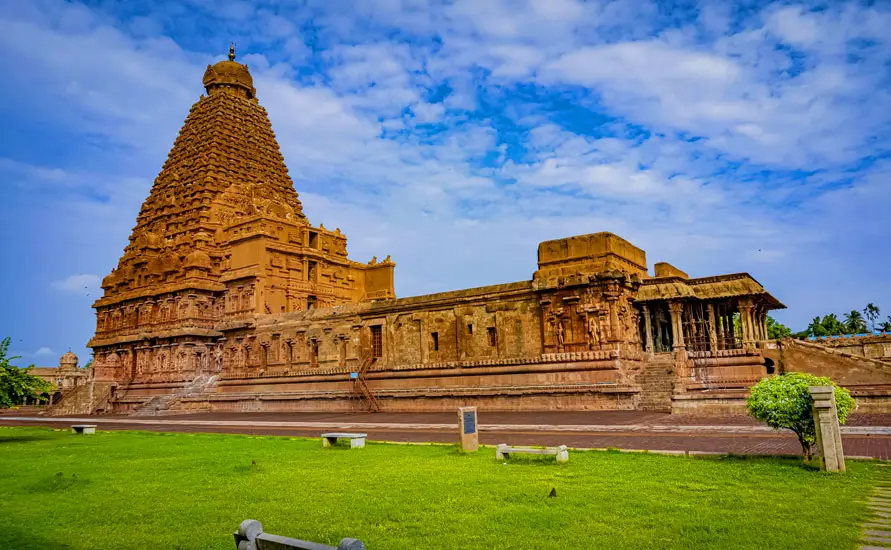
Morning sun is kindest to the Brihadeeswarar Temple, so you arrive early while the stone is still cool; Rajaraja Chola I dedicated it in 1010, and it remains the grandest of the Great Living Chola Temples. Its granite vimana soars roughly 66 meters, while the capstone at the top is said to weigh some 80 tonnes, raised, according to local tradition, along a long earth ramp. Your guide points out the inscriptions around the base that list temple staff, dancers and donations in fine detail, an unusually detailed account of medieval temple administration. The dark circumambulatory passage hides early Chola murals under a later Nayak layer, though entry there is often restricted.
Mid-morning brings the Thanjavur Maratha Palace, begun by Nayak governors in the 16th century and enlarged by the Maratha dynasty that replaced them. Inside, a gallery packed with Chola bronzes and granite carvings sits close to the Saraswathi Mahal Library, which has guarded palm-leaf manuscripts and rare books in many languages. After lunch, you meet an artist in a family studio who works in the Tanjore painting style, using layers of chalk paste, semi-precious stones and real gold foil on wooden boards. Small pieces can be ordered and shipped home safely.
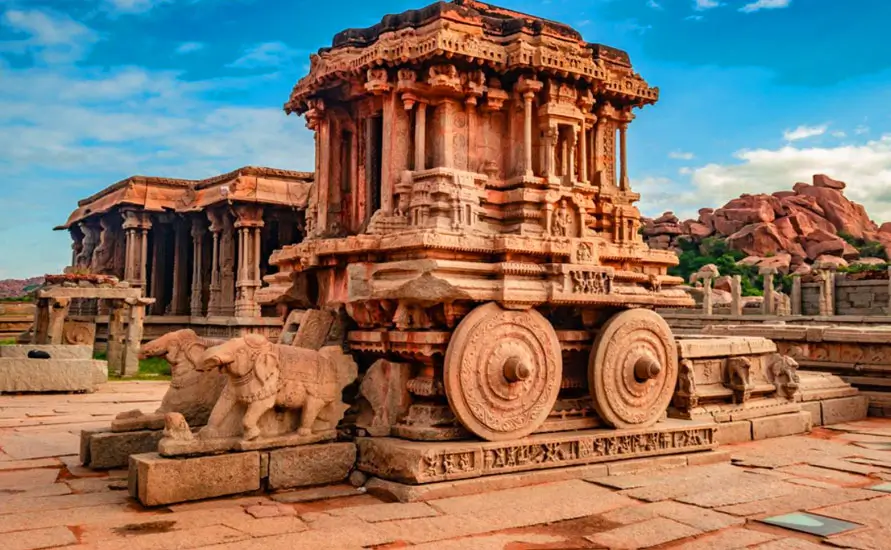
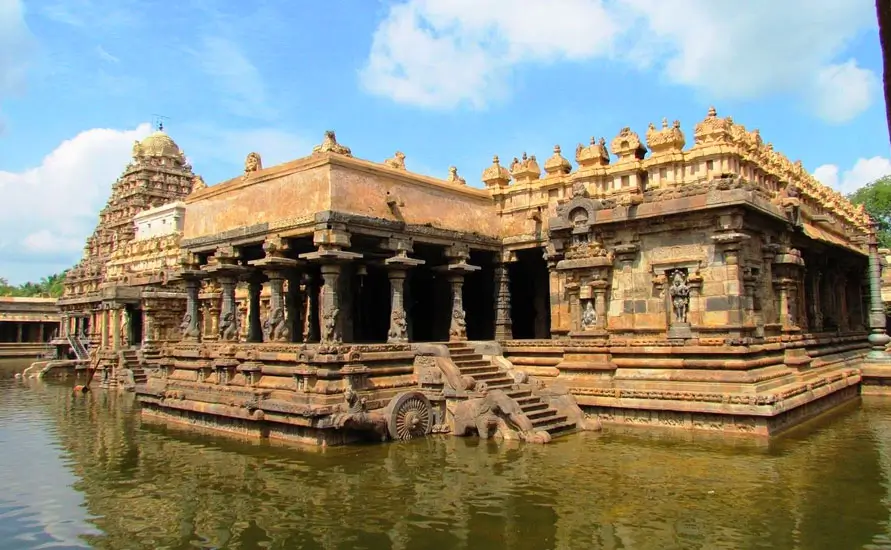
After lunch, the road runs about 40 km toward Kumbakonam and the village of Swamimalai, whose hereditary sthapathi craftsmen still produce temple icons by the lost-wax method. You can watch wax models being shaped, coated in clay from the Kaveri and fired before molten metal is poured in. Close by, the Airavatesvara Temple at Darasuram, raised during the 12th-century reign of Rajaraja II, completes the UNESCO Chola trio. Its front hall is shaped like a stone chariot, complete with wheels and prancing horses, and the stone steps near the entrance give musical notes when tapped. You return to Tanjore for dinner. Overnight in Tanjore.
Leaving the delta behind, the road south passes through Pudukkottai, once a small princely state, and turns aside for Sittannavasal, where Jain monks once sheltered in a shrine cut into a low granite hill. Overhead, the remains of mineral-pigment murals depict a lotus pool alive with fish, elephants, swans and figures gathering flowers, and historians date them to around the 9th century. The cave is small and the path up is short but rocky, so sensible shoes help. Above the cave, flat rock beds carved for Jain monks overlook the plains, and your guide explains how Jain communities shaped early Tamil literature and learning.
Further along you stop at Thirumayam Fort, a 17th-century hill fort built by the Sethupathi rulers of Ramanathapuram, with ramparts circling a huge boulder and cannons still resting on the walls. A climb of moderate effort brings you to the top for wide views over farmland and the Chettinad plains. At the foot of the fort, twin rock-cut temples to Shiva and Vishnu sit side by side, a common pairing in this region. The rest of the drive is short, and soon the first Chettiar mansions appear by the roadside, their grand facades rising above sleepy village streets.
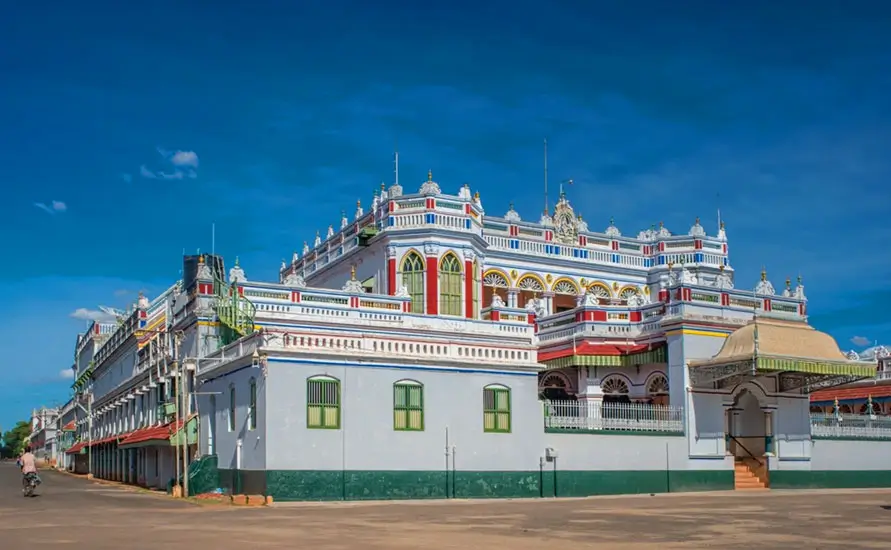
Check-in follows at a heritage Chettinad mansion hotel near Karaikudi, booked for two nights, carefully restored from a merchant family's home built in the late 19th or early 20th century. The Nattukottai Chettiar community grew rich as financiers to planters and traders across colonial Southeast Asia, and poured that wealth into homes lined with teak columns shipped from Burma, marble floors from Italy, mirrors from Belgium and handmade local tiles. Rooms often keep their antique four-poster beds and painted ceilings. As evening falls, oil lamps are lit around the inner courtyard, and dinner is a Chettinad banquet served on banana leaves. Overnight in Karaikudi.
A morning walk with a local heritage guide leads through Kanadukathan, a village of great Chettiar houses, many still owned by families who now live in Chennai or abroad and open them only for weddings and festivals. Some can be visited by arrangement, and others are seen from the streets, where long facades with pillared porches stretch for most of a block. Your guide explains the layout: a public reception hall at the front, a sequence of open courtyards for family life, and the kitchen and store rooms at the back. Each family's wealth once showed in the number of courtyards a house could hold.
Late morning you visit a workshop in Athangudi, where craftsmen make the colorful cement tiles found in nearly every Chettinad home. Each tile is made by hand on a glass plate using local sand and natural pigments, then dried and cured in water, and no two batches are quite the same. Next stop is the Pillaiyarpatti temple, a rock-cut shrine to Ganesha that dates back many centuries, with a large carved image in the rock. Return to the mansion for lunch and a lazy hour beside the courtyard as the afternoon heat rises outside the thick walls.
Toward evening, the mansion's head cook welcomes you behind the scenes for a private Chettinad cooking session. You learn how the region's famous spice blends are built from black pepper, star anise, kalpasi (black stone flower) and marathi mokku, and lend a hand with pepper chicken or a mushroom chettinad, paniyaram and a fragrant rasam. Before dinner, a short drive into Karaikudi town takes you to the antique lanes, where shops are stacked with brass lamps, carved doors, enamelware and old Burmese lacquer sold off from family homes. You eat the meal you helped cook tonight. Overnight in Karaikudi.
After a final courtyard breakfast, the car heads west to Madurai, a city that hosted the legendary Sangam assemblies of Tamil poets more than two thousand years ago. Your room tonight is in a five-star property perched on high ground west of the center, its lawns looking down over the gopurams. Before lunch you visit the Thirumalai Nayak Palace, which King Thirumalai commissioned in 1636 with help, it is said, from an Italian architect, whose cavernous Swarga Vilasam hall pairs South Indian columns with arches and stucco domes of Islamic inspiration. Barely a quarter of the complex is left standing, yet its giant columns still convey Nayak ambition.
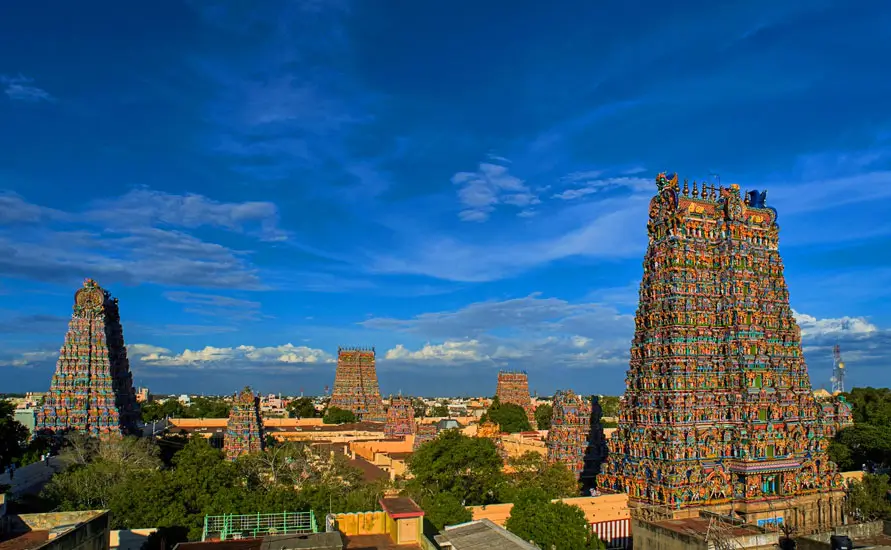
Afternoon is set aside for the Meenakshi Amman Temple; here the fish-eyed goddess Meenakshi shares worship with Sundareswarar, her Shiva husband. Fourteen gopurams swarm with painted stucco gods, demons and animals, and its halls and corridors are always busy with worshippers, priests and flower sellers. Inner sanctums are closed to non-Hindus, and mobile phones and cameras go into deposit lockers before you walk in, so your guide does the storytelling while you simply watch. The Hall of a Thousand Pillars holds a small museum, and the Golden Lotus Tank is a calm place to sit.
Once dinner is over, you return with your guide to see the palliyarai ceremony at about 9 pm, when Sundareswarar is borne by shoulder-carried litter into his consort's chamber, accompanied by nagaswaram pipes, drums and Tamil hymns. Visitors can watch from a respectful distance in the permitted area. The ritual has been performed nightly for centuries, and it closes a trip built around living temples on just the right note. Your chauffeur is parked nearby for the short ride up the hill to bed, where a late cup of herbal tea or warm badam milk can be sent to your room. Overnight in Madurai.
At first light, those keen enough walk with the guide into the Mattuthavani flower market, where jasmine, marigold and tuberose arrive by the sackful from farms before dawn, and traders bid in fast Tamil while garland makers work at speed. Growers here say no other jasmine in India smells as strong. After breakfast and check-out, the chauffeur drives you to Madurai Airport, about 30 minutes away, for a domestic flight to Chennai, Bangalore or Mumbai to meet your international connection.
If your flight leaves later, an optional stop at the Gandhi Memorial Museum holds the bloodied garment he wore on the January evening in 1948 when he was killed in Delhi. Ten days have taken you from Pallava caves through French streets, Chola towers and Chettiar courtyards to the temple rituals of Madurai. Should you wish to return, the luxury Tamil Nadu heritage tour pairs well with Kerala's backwaters or the Nilgiri hills. Until you take off, our operations desk tracks every leg of the trip home.
Your Journey
N.S. Rathore & Mrs. Omlata Rathore · Managing Director
We still read every enquiry ourselves. Tell us the places you liked and our planners will send a day-by-day route with drive times and a clear price.
Every package can be customised and no pressure to book. A planner from our office replies within 24 hours with a route written for your group.
Fill this in and your planner will send a first draft itinerary.
Explore more
Kerala Backwaters Escape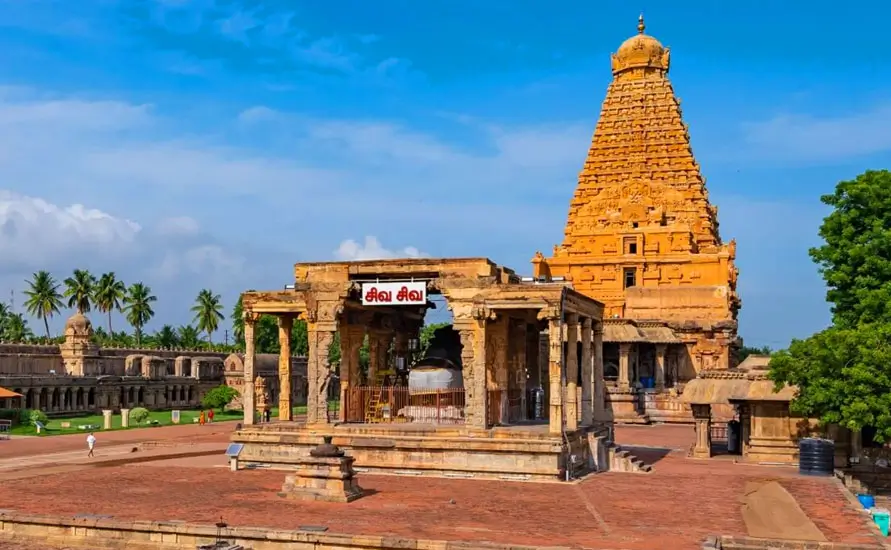 Kerala Backwaters Escape
 Kerala Backwaters Escape
 Kerala Backwaters Escape
 Kerala Backwaters Escape
 Kerala Backwaters Escape
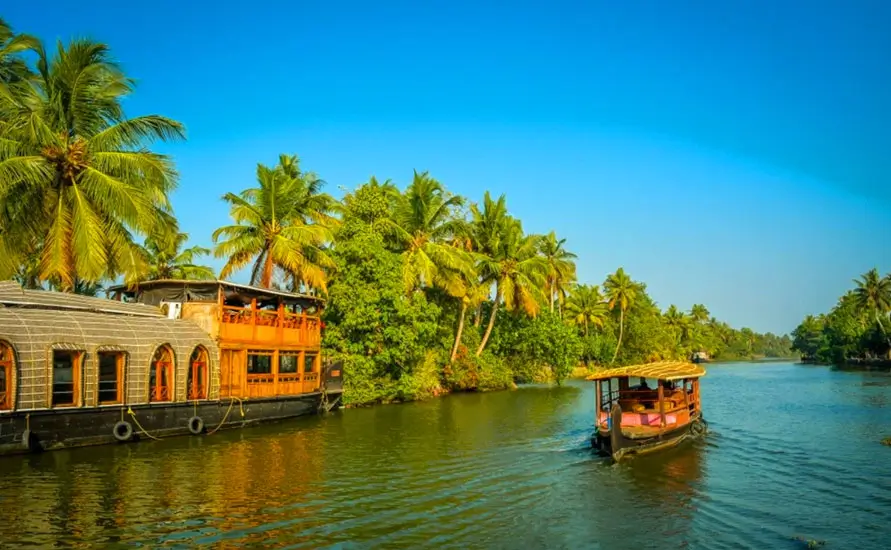 Kerala Backwaters Escape
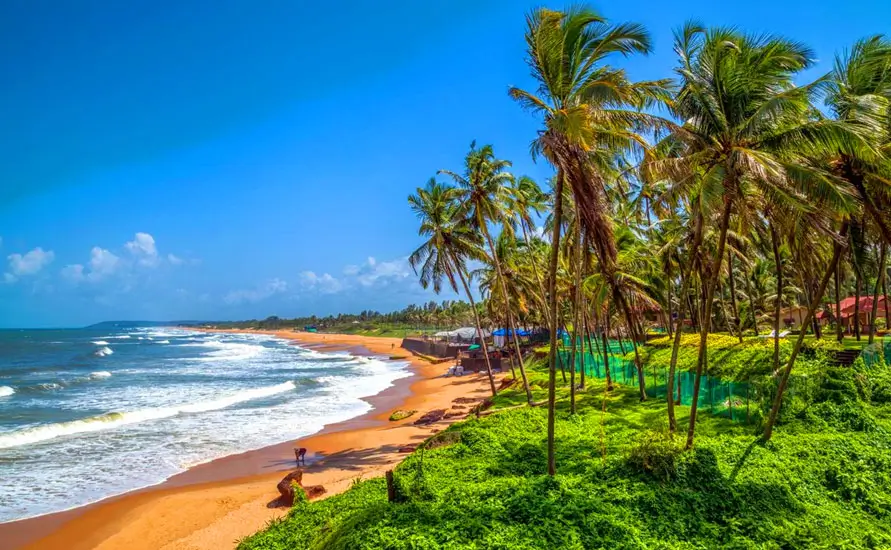 Kerala Backwaters Escape
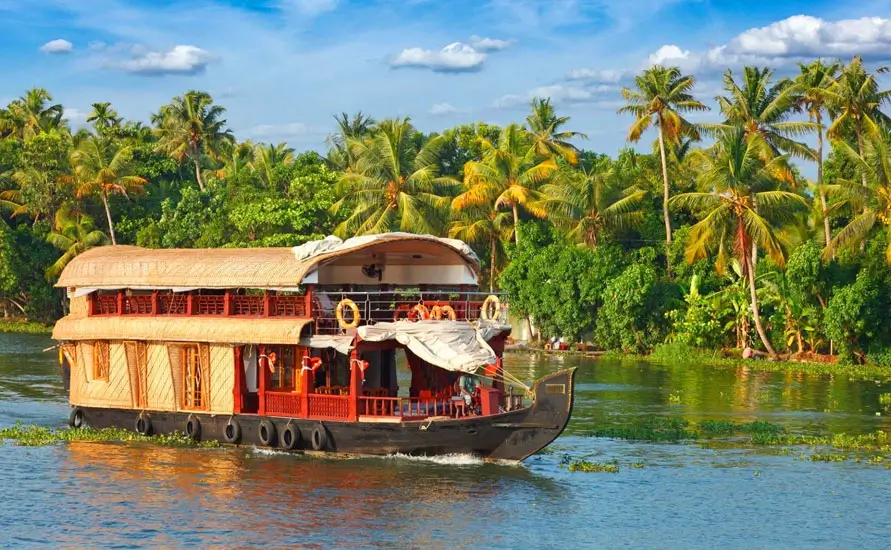 Kerala Backwaters Escape
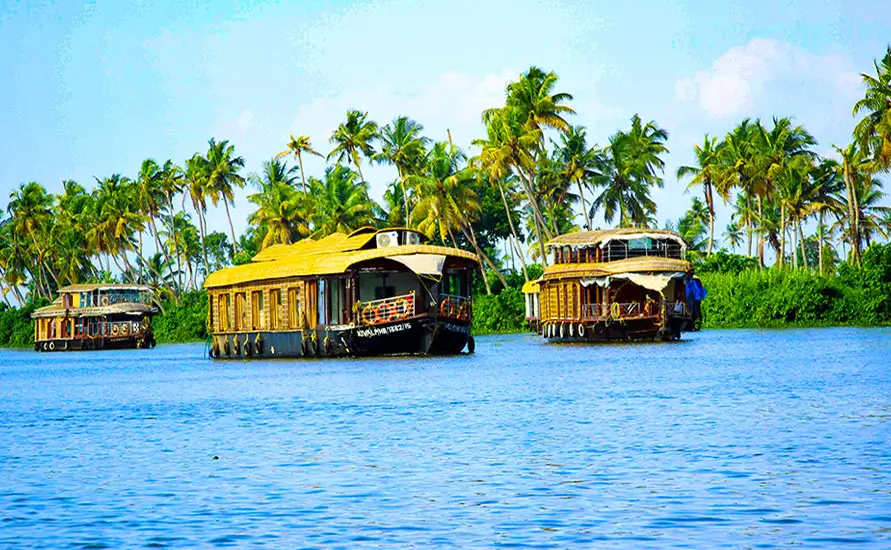 Kerala Backwaters Escape
 Kerala Backwaters Escape
 Kerala Backwaters Escape
 Kerala Backwaters Escape
 Kerala Backwaters Escape
 Kerala Backwaters Escape
 Kerala Backwaters Escape
 Kerala Backwaters Escape
 Kerala Backwaters Escape
 Kerala Backwaters Escape
 Kerala Backwaters Escape
 Kerala Backwaters Escape
 Kerala Backwaters Escape