 Kerala Backwaters Escape
Luxury South India Tours
Bangalore – Coorg – Hampi (luxury resort) – Goa
At a glance
Few itineraries in India swing between three such different moods in under two weeks. The luxury Hampi Coorg and Goa tour opens in Bangalore, the garden city of software and craft breweries, climbs into the misty coffee country of Coorg, crosses the Deccan plateau to the boulder-strewn ruins of Hampi, once capital of the Vijayanagara empire, and ends with three easy nights beside the Arabian Sea in Goa. Each stop gets enough time to settle in, and each stay matches its setting, from a planter's bungalow resort to a palace-style retreat beside the ruins.
Comfort shapes the logistics. One premium SUV and one chauffeur stay with you from first airport to last, so suitcases never change hands and you can stop for coffee, photographs or a roadside fruit stall whenever you like. Historians and licensed guides handle the monuments in Bangalore, Madikeri, Hampi and Old Goa, while estate naturalists take over in the coffee hills. The longest leg, from the Western Ghats to the Tungabhadra valley, is broken by a guided stop at the hill fort of Chitradurga, and we can split it with a domestic flight if you prefer less time on the road.
Three nights at a Hampi luxury resort are the center of the trip. They allow two full days among the temples, bazaars and royal enclosures of a UNESCO World Heritage Site, starting at first light while the stone is cool and leaving the hottest hours for the pool. Guests from Chicago, Toronto, London, Zurich or Melbourne, and NRI parents showing Karnataka to children raised abroad, can reshape any part of it. Aim for late October through early March, when the plateau sky is clear and the Goan surf settles down.
Kempegowda International Airport lies some 35 km from central Bengaluru, and most long-haul arrivals from Europe, the Gulf and North America touch down late in the evening or after midnight. A representative of our Karnataka office stands at the meeting point with your name written on a tablet screen, and your chauffeur brings round a premium SUV with chilled water and fresh towels on the back seat. The ride into town takes forty-five minutes to an hour at night, longer in daytime traffic. Before leaving, your host goes over the printed program and gives you a direct number that answers around the clock.
Your first two nights are at a five-star hotel set in landscaped grounds near the center of Bangalore, the capital of Karnataka and the headquarters of much of India's technology industry. Landing at 2 or 3 am? We book your room from the night before, so your key is ready the moment you arrive instead of at the usual 2 pm. Rooms here tend to be large and quiet, with blackout curtains, which matters when your body clock is still several time zones away. Room service runs all night, so a light meal is easy to order after a late arrival.
Spend the rest of the day at whatever pace your energy allows. A late breakfast, a swim and a short massage at the hotel spa usually help with jet lag more than any sightseeing would. If you feel lively by evening, the city is known for its craft breweries and its cheerful dining scene, and your chauffeur can drive you to a microbrewery in Indiranagar or a family restaurant serving Karnataka specialties such as ragi mudde, bisi bele bath and crisp set dosa. Sightseeing starts tomorrow at a civilized hour, after a proper breakfast. Overnight in Bangalore.
Bangalore was a fortified market town long before it became a center for software, and your private guide begins in the old quarter near the remains of its 16th-century mud fort. A few steps from those ramparts, the timber halls of Tipu Sultan's Summer Palace, with fluted pillars and cusped arches dating to 1791, gave Mysore's ruler a cooler retreat than Srirangapatna offered. Upstairs, faded floral murals survive, and wall panels recount the four Anglo-Mysore wars that closed with Tipu killed defending Srirangapatna in 1799. Next door, the Kote Venkataramana temple was raised by a Wodeyar king around 1689, and a quick look inside is easy.
Next is Lalbagh, a 240-acre garden begun for Hyder Ali and extended by British superintendents, whose cast-iron glasshouse of 1890 hosts flower shows twice a year. Gardeners still care for ancient trees from around the world, and a rock outcrop inside the park carries one of the four watchtowers that marked the city's limits in the time of Kempegowda, its founder. Early morning brings walkers and joggers from the surrounding neighborhoods, so the park gives you a real look at local life as well as at its flower beds. Look out for the bandstand and the old lake on the southern side.
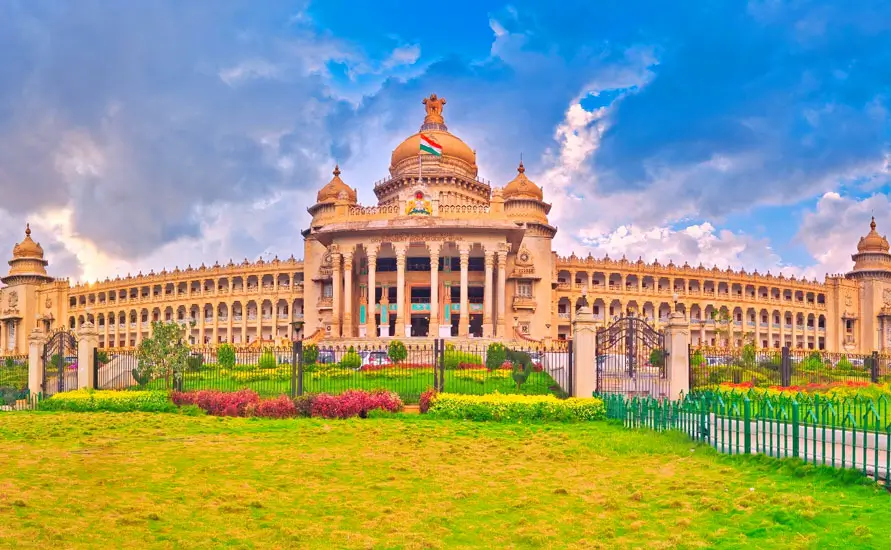
After lunch at a classic South Indian restaurant, where waiters bring endless rounds of crisp dosa and filter coffee, you visit Basavanagudi, one of the city's oldest residential districts. At the Bull Temple, a 16th-century shrine of Kempegowda's time, a dark granite Nandi nearly five meters long is anointed daily with butter and oil, and a few steps away the Dodda Ganesha shrine is famous for its giant idol. The late afternoon finishes with a drive past Bangalore Palace, built in a Tudor style by the Wadiyar family, and Vidhana Soudha, the grand granite home of the state legislature. Overnight in Bangalore.
Leaving soon after breakfast, you head west along the access-controlled Mysore expressway, followed by country roads through sugarcane fields and coconut farms. Allow about six hours with stops on this Bangalore to Coorg transfer, which climbs gradually from the dry plateau into the green slopes of the Western Ghats. Your chauffeur knows the clean roadside cafés for a mid-morning break, and you can stop in Srirangapatna for a brief look at the island fortress where Tipu Sultan made his last stand, if you want to break the drive. A thermos of hot coffee travels with you in the car.
Just short of Kushalnagar, strings of colored flags mark the edge of Bylakuppe, a Tibetan refugee town dating from 1961 whose first settlers turned jungle into maize fields. The big draw is the Namdroling Monastery, seat of the Nyingma school in exile, where Padmasambhava, Shakyamuni and Amitayus loom in gilt over rows of low prayer cushions. Thousands of monks and nuns study here, and the deep rumble of horns and chanting often spills out of the prayer hall. Visitors are welcome in the temple, dressed modestly and with shoes removed, and a Tibetan café nearby serves good momos and butter tea.
The last stretch winds up through spice gardens and coffee estates shaded by tall silver oaks to your home for the next three nights, a luxury Coorg coffee estate stay with private cottages or pool villas set among the plantation. Many such resorts have been built around old planters' bungalows, with wide verandas, wood-paneled sitting rooms and fires lit on cool winter evenings. A welcome drink of estate-grown coffee or a fresh lime soda awaits on arrival, and nothing else is planned tonight beyond the sound of cicadas and a lamp-lit dinner. Overnight in Coorg.
Mornings in Coorg often begin under a layer of mist that lifts slowly from the valleys, and this is the best time for a guided walk through the plantation with a member of the estate team. You learn how robusta and arabica differ, why coffee here grows in the shade of jackfruit, rosewood and silver oak trees, and how pepper creepers twine up those very trees, giving planters a second crop. Depending on the season, you might see white blossoms in March, ripening red cherries in winter, or workers hand-picking and sun-drying the beans between December and February.
Mid-morning brings an invitation to a Kodava ancestral house, or ainmane, where your hosts explain the customs of the Kodava people, Coorg's best-known community. Kodavas have long been known for their martial traditions, and many families have proud records of service in the Indian Army. Unusually for India, they are also among the few communities officially allowed to own firearms without a license. Lunch is served at the family table, often with pandi curry, a pork dish darkened with kachampuli vinegar, along with steamed rice balls called kadambuttu and a spicy bamboo-shoot side dish.
The afternoon is unscheduled, and the estate offers plenty to fill it gently. You might book a spa treatment, swim in a pool overlooking the hills, or take a short guided birdwatching walk in search of hornbills, barbets and flycatchers, though sightings vary from day to day. As the light fades, the estate staff often light a bonfire on the lawn, and dinner can include Coorg-style chicken curry, akki otti rice flatbreads and a glass of wine on the veranda. Before bed, ask for a cup of estate coffee brewed the local way, strong and sweet. Overnight in Coorg.
Madikeri, the small district capital of Kodagu, lies about forty minutes from most of the estate resorts, and your private guide meets you there after breakfast. Begin at Madikeri Fort, whose mud walls Tipu replaced with stone before British officers moved in, which now holds district offices, a small museum and an old church. Close by is the Omkareshwara Temple, an unusual blend of Islamic-style domes and Kerala-style roofing built in 1820 by a Kodava ruler as an act of penance. Your guide explains how the Haleri dynasty ruled these hills until the British annexed the kingdom in 1834.
Eight kilometers out of town, Abbey Falls tumbles through the coffee and cardamom estates into a forested gorge. Steps lead down to a suspension footbridge facing the cascade, and the flow is strongest between August and November after the monsoon. Back in Madikeri you stop at the Gaddige, the royal tombs of the Kodagu rulers, set in a quiet garden and domed and minareted in a manner few expect in a Hindu kingdom. Lunch in town is followed by a browse for Coorg honey, homemade wines and spiced pickles to take home.
As evening nears, head to Raja's Seat, a flower-bordered lookout on Madikeri's western rim, linked by local lore with the royal family's sunset strolls. On clear days the view stretches across layer after layer of green ridges toward the Kerala border, and the garden fills with local families as the sun sets. Guests who prefer something quieter can instead visit the Dubare forest area for a riverside walk, keeping a respectful distance from any elephants in the camp. You return to your estate for a farewell dinner in the hills. Overnight in Coorg.
Today's drive across the Deccan is the longest of the trip, so you set off soon after an early breakfast. The route descends from the coffee hills past Kushalnagar and Hassan before turning north onto the national highway, and your chauffeur plans comfort breaks at well-kept highway restaurants. Around midday you reach Chitradurga, where a guide shows you the hill fort of the Nayaka rulers, a maze of seven walls, granaries and temples built across a giant granite outcrop. Its best-known legend tells of Onake Obavva, a woman who defended a secret entrance with a wooden pestle against Hyder Ali's soldiers.
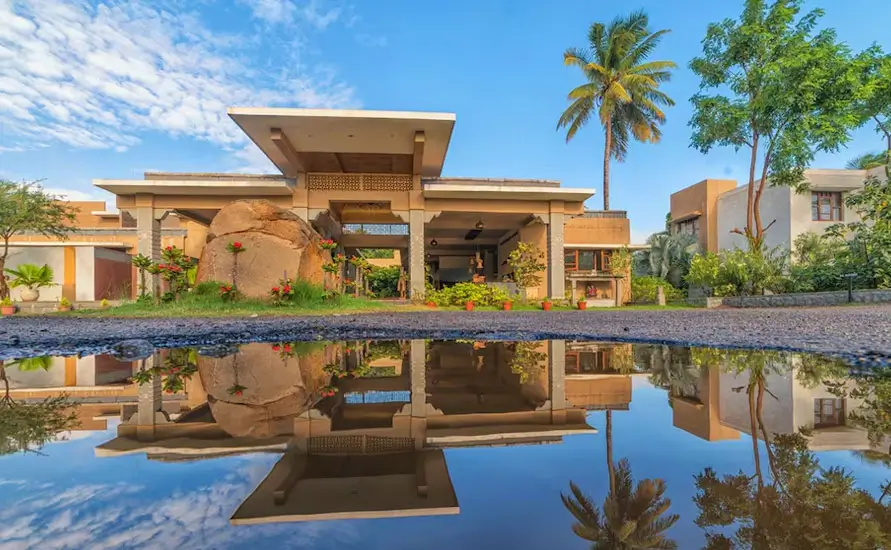
After lunch the landscape changes into the open plateau of northern Karnataka, with sunflower and sugarcane fields, windmills on the ridges and scattered boulders hinting at the scenery ahead. You reach your Hampi luxury resort near Kamalapura in the late afternoon, a property built in the style of a Vijayanagara palace with courtyards, colonnades and pools. If you prefer a shorter road day, an extra Bangalore night plus a short hop to the small steel-town airstrip at Vidyanagar, sixty minutes' drive from the ruins, replaces most of the road time. Overnight in Hampi.
Hampi's monuments are spread over roughly forty square kilometers, and your specialist guide divides them into two areas: the sacred center beside the river and the royal center further south. Your day opens at the Virupaksha Temple, which priests have tended every single day since the 1300s, and where a tall gopuram rises over the bazaar street and pilgrims come to offer prayers to Shiva. Inside, look for the small chamber where a hole in the wall casts the main gopuram upside down on a shaded wall, a natural pinhole camera that has fascinated visitors for centuries.
Behind the temple, a short climb leads onto Hemakuta Hill, a sheet of bare granite crowned by clusters of early stepped-roof shrines older than the empire itself. On the far side stand the giant monolithic statues of Ugra Narasimha, the man-lion form of Vishnu, carved from a single boulder in 1528, and the Badavilinga, a tall black lingam whose chamber still floods with irrigation water. Your guide explains how the city, at its height in the early 1500s, was larger than most European capitals and drew traders from Persia and Portugal, before an alliance of Deccan sultans defeated its army in 1565 and looted it for months.
After lunch and a few quiet hours back at the resort, you head back down to the water around four for a Tungabhadra coracle ride, in a round woven boat that local boatmen steer with a single paddle. The ride passes boulders, small riverside shrines and the old bathing places of the ancient city, and operation depends on water levels and local rules, so our local team checks conditions each morning. As the sun goes down, the light turns the granite hills orange and then deep red, a sight best enjoyed from Hemakuta Hill or from the riverbank near the coracle point. Overnight in Hampi.
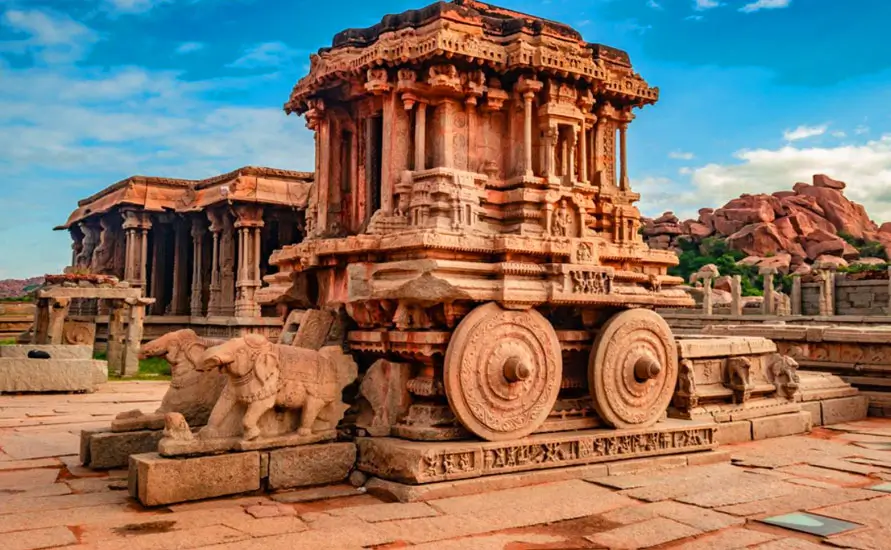
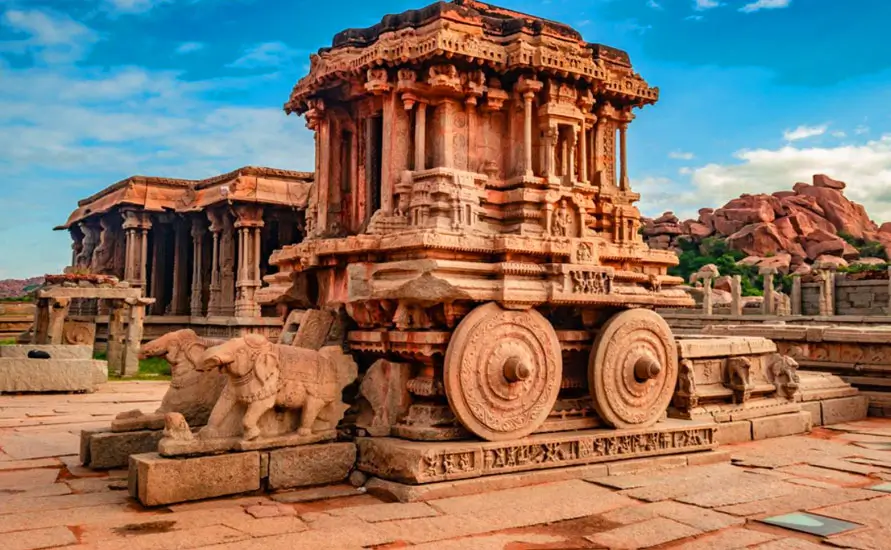
Set off by seven for the Vittala Temple, often judged the high point of Vijayanagara carving, which you reach on foot or by a short electric buggy from the parking area. In the courtyard stands the famous Vittala Temple stone chariot, actually a small sanctum for Vishnu's eagle mount built in the shape of a festival wagon, with wheels that once turned. Inside the main hall the granite pillars are known as musical pillars, since they ring when tapped, but visitors may no longer touch them to protect the stone. The carvings of dancers, musicians and mythical beasts are clearest in the low morning light before the sun rises high.
Around ten you move on to the royal center, the zone in which kings of Vijayanagara lived, held court and celebrated festivals. You see the Lotus Mahal, a two-level pavilion with lobed arches and a pyramid of tiered roofs, and the long Elephant Stables, eleven domed halls in a row where the royal animals were once kept. Climb the Mahanavami Dibba, a stepped royal stage covered with friezes of hunting scenes, horses and dancers, was the setting for the great nine-day festival described by Portuguese visitors of the time. The nearby Hazara Rama Temple has walls carved with scenes from the Ramayana.
The afternoon is yours to enjoy the resort, whose spa, pools and gardens make the heat of the plateau easy to bear. Ahead of sunset there is time for the Queen's Bath, a sunken tank ringed by vaulted galleries and projecting balconies, or for the site museum in Kamalapura, which does not open on Fridays. In the evening the resort may arrange a private dinner in one of its courtyards, lit by brass oil lamps, or a short cultural program of classical music. Few places in India stay in the mind like this one. Overnight in Hampi.
After a last breakfast in the shadow of the boulders, you set off west toward the coast. The road runs through Hospet and Hubballi then winds down through the forested Ghats, sometimes slowed by trucks on the steep sections, so the full drive takes around seven hours with lunch and coffee stops. Your chauffeur can stop at the Tungabhadra Dam viewpoint on the way out of Hospet, and at a good highway restaurant near Dharwad for lunch, where the local sweet called Dharwad peda, made from caramelized milk, is sold everywhere.
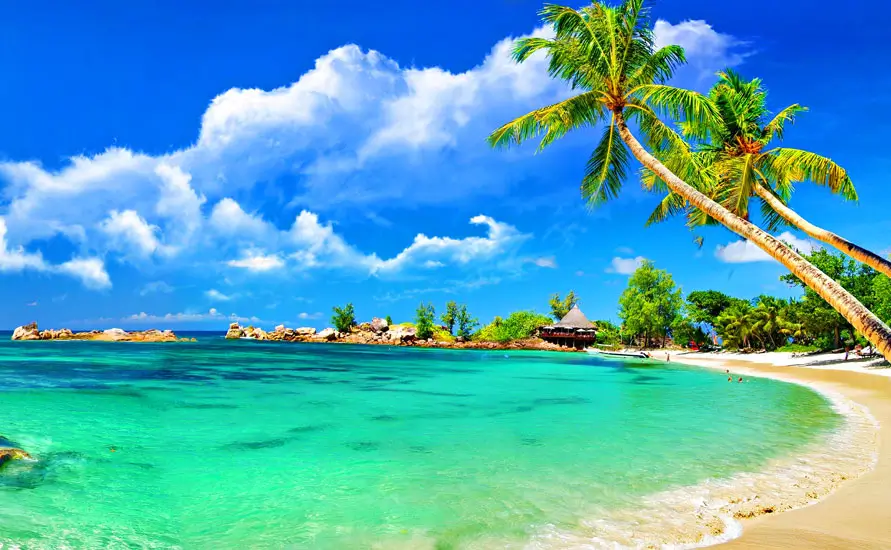
Once the road leaves the hills, the scenery changes to rice paddies, cashew orchards and red laterite soil, and the first whitewashed chapels tell you that Goa is close. You reach your five-star beach resort in Goa by late afternoon, with an hour of daylight left for the pool or a gin and tonic facing the water. Your room or villa is set in gardens close to the sand, and no plans remain for tonight. Should you want local flavors, ask the kitchen for xacuti, a roasted-coconut chicken curry, or a simple Goan plate of fish curry with red rice. Overnight in Goa.
Roughly an hour inland from the southern sands, Old Goa is where your guide leads the morning, walking you through the UNESCO-listed churches of the former Portuguese capital. In the Basilica of Bom Jesus, shrine to Goa's patron saint Francis Xavier, who died off the China coast in 1552, the nave is a striking mix of gilded altars and dark laterite walls. The great Se Cathedral opposite was built over more than eighty years and holds a large bell whose sound once carried far across the city. Modest dress is needed in all the churches, which remain places of worship.
Before leaving Old Goa you walk to the Church of St. Francis of Assisi beside the cathedral, with its painted wooden panels showing the saint's life, and to the small archaeological museum next door, which displays portraits of Portuguese governors. Your guide then takes you along the banks of the Mandovi river to Panaji, Goa's compact capital, where the Church of the Immaculate Conception rises white above its double staircase, a landmark sailors once used. Midday finds you at a family-run Goan eatery in town, perhaps with a plate of fish recheado and a glass of fresh kokum juice.
Later you wander Fontainhas, Panaji's oldest residential district, where houses with red-tiled roofs and wooden balconies are painted in bright yellows, blues and reds. Many families still keep the old Portuguese custom of repainting their homes after each monsoon. Your guide stops at an art gallery or a traditional azulejo tile studio, and the small bakeries here sell local sweets such as bebinca and dodol. You return to the beach in the early evening, with dinner free at the resort or at a beach shack nearby, where grilled kingfish and a cold local beer cost very little. Overnight in Goa.
The morning takes you inland to the Ponda region, where Hindu temples were rebuilt during Portuguese rule after the originals on the coast were destroyed. You visit a family-run spice farm in the forested hills, where a guide shows you nutmeg, cinnamon, cardamom and vanilla growing in the shade, and explains the medicinal uses of plants still common in Goan homes. A buffet lunch of Goan home cooking is served on banana leaves at the farm. On the way back, pause at the Shri Mangeshi Temple, a white and yellow complex with a tall lamp tower, built in a style that blends Hindu and European elements.
Return to the coast for a free afternoon by the sea, a last spa treatment, or a lazy lunch under a palm-thatched umbrella. Goa's beaches are wide and sandy, but sea conditions change with the seasons, so swim only in flagged areas and follow the lifeguards' advice. If you would like to shop, your chauffeur can drive you to a cashew factory outlet, a local market or one of the boutiques in the small towns behind the beach, where you can find linen clothing, handmade jewelry and Goan port wine.
Late in the afternoon a private boat takes you out on the river or along the coast for a farewell sunset cruise, with chilled drinks and light snacks served on board as the sky turns gold over the sea. It is a calm way to think back over the trip, from misty Kodagu plantations to the granite boulders of the Deccan and the baroque altars of Old Goa. Your coordinator will confirm the airport transfer time for tomorrow and help with any last questions about luggage and check-in. Weather permitting, the last dinner is served at a candle-lit table on the sand. Overnight in Goa.
Your last Goan morning leaves room for one more barefoot stroll by the surf, and checkout is set to suit the departure. Dabolim and Mopa are both possible, and departure from the resort is timed generously for the road and for international check-in, which usually opens around three hours before take-off. Night flyers may keep their room into the afternoon or move to an airport day room, paid separately and only if space exists.
Goa has international links through the Gulf and other Asian hubs, and many travelers connect through Mumbai or Delhi for onward flights to North America, Europe and Australia. Over twelve days you have moved from the tech city of Bangalore and the coffee hills of Coorg to the royal ruins of Hampi and the beaches of Goa, seeing three very different sides of South India. Should India call you back, a sequel through Kerala's lagoons or Madurai and Thanjavur is easy for us to arrange. A member of our Goa team stays by your side until the airport doors.
Your Journey
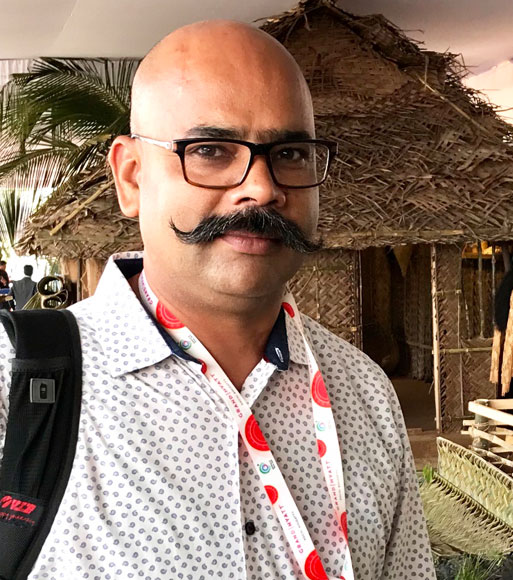
N.S. Rathore & Mrs. Omlata Rathore · Managing Director
We still read every enquiry ourselves. Tell us the places you liked and our planners will send a day-by-day route with drive times and a clear price.
Every package can be customised and no pressure to book. A planner from our office replies within 24 hours with a route written for your group.
Fill this in and your planner will send a first draft itinerary.
Explore more
Kerala Backwaters Escape Kerala Backwaters Escape
 Kerala Backwaters Escape
 Kerala Backwaters Escape
 Kerala Backwaters Escape
 Kerala Backwaters Escape
 Kerala Backwaters Escape
 Kerala Backwaters Escape
 Kerala Backwaters Escape
 Kerala Backwaters Escape
 Kerala Backwaters Escape
 Kerala Backwaters Escape
 Kerala Backwaters Escape
 Kerala Backwaters Escape
 Kerala Backwaters Escape
 Kerala Backwaters Escape
 Kerala Backwaters Escape
 Kerala Backwaters Escape
 Kerala Backwaters Escape
 Kerala Backwaters Escape
 Kerala Backwaters Escape
 Kerala Backwaters Escape