
 Kerala Backwaters Escape

Luxury South India Tours
Hyderabad – Hubballi – Hampi – Bangalore
At a glance
The Deccan plateau was ruled for centuries by powerful courts, first the Vijayanagara kings at Hampi and later the Qutb Shahi sultans and the Nizams of Hyderabad. Our Palace Hotels of the Deccan Tour lets you sleep inside that story. You spend three nights at Taj Falaknuma Palace, the hilltop residence of a Hyderabad nobleman later owned by the sixth Nizam, three nights at Evolve Back Kamalapura Palace beside the ruins of Hampi, and a final night at The Leela Palace Bengaluru, a modern palace built in the Vijayanagara style.
Each stay has its own character. Falaknuma is a restored 1890s palace of Italian marble, Venetian chandeliers and a famous dining table that seats 101 guests. Kamalapura is a new resort designed as a Vijayanagara royal enclave, with domed pavilions, arched corridors and pool villas behind high walls. The Leela is a city palace with copper domes, landscaped gardens and some of Bangalore's best restaurants. Between them you see Charminar, Golconda Fort and the Qutb Shahi tombs, and two full days among the boulders and temples of Hampi.
Hampi has no airport of its own, so this Deccan palace hotels route uses a short flight from Hyderabad to Hubballi and a three-hour chauffeured drive, avoiding a full day on the road. The final leg to Bangalore is a long but easy expressway drive. Private expert guides lead every sightseeing day, and the pace leaves afternoons free to enjoy the hotels. Couples, history lovers and repeat visitors to India enjoy it most, ideally between October and March while the plateau is still cool.
At Rajiv Gandhi International Airport our meet-and-assist staff greet you outside arrivals, take charge of the luggage trolley and lead you to a chauffeur-driven car, where cold towels and water are waiting. The airport lies south of the city at Shamshabad, which works in your favor, because Taj Falaknuma Palace stands on the southern side of old Hyderabad and the drive takes only about forty minutes. On the way your tour manager hands over a printed plan of the week and explains the arrangements in Hampi and Bangalore, so nothing has to be thought about again.
Falaknuma means mirror of the sky, and the palace was built from 1884 to 1893 for Nawab Vikar-ul-Umra, a prime minister of the Hyderabad state, before passing to the sixth Nizam, Mahbub Ali Khan. After decades of neglect it was restored over about ten years and reopened by Taj as a hotel. Guests traditionally ride the last stretch up the hill in a horse-drawn carriage, past fountains and terraced gardens, to a marble staircase where rose petals are scattered as you climb. Rooms are dressed with canopied beds, silk drapes and period furniture, and the views stretch across the old city.
Nothing else is planned before dinner. The hotel's position about 2,000 feet above the city keeps the terraces breezy in the evening, and the palace terraces are a pleasant place for tea as the lights of Hyderabad come on below. For dinner, Adaa serves Hyderabadi and Nizami cooking in a room that opens toward the city, with dishes such as slow-cooked haleem in season, kacchi gosht biryani sealed in its pot and rich nihari. Portions are generous and the spicing is deep rather than fiery, a good first taste of the Deccan kitchen. Overnight in Hyderabad.
Once breakfast is done, your expert guide collects you for a morning in the old walled city, only a short drive downhill. The first stop is the Charminar, the four-minaret arch raised in 1591 by Sultan Muhammad Quli Qutb Shah at the center of his new capital. Climbing to the upper floor is sometimes restricted, but the square below tells you plenty: autorickshaws, pearl shops and tea stalls crowd every side. Next door stands Mecca Masjid, one of the largest mosques in India, whose bricks are said to contain soil brought from Mecca. Visitors should dress modestly and women may be asked to cover their heads.
A short walk west of the Charminar leads into Laad Bazaar, a lane of shops selling lac bangles set with colored stones and glass, often made in workshops right behind the counters. Brides from across the region still come here for wedding sets, and your guide can take you into a family workshop to watch the lac being heated and shaped. You then continue to Chowmahalla Palace, the seat of the Asaf Jahi Nizams, with four palaces around a long courtyard, a Durbar Hall lit by Belgian crystal chandeliers and a collection of vintage cars. Because Chowmahalla shuts every Friday, this day is fixed for another weekday.
Return to Falaknuma for lunch and a rest through the hottest hours. In the late afternoon a palace guide leads the hotel's heritage walk, which takes you through the Grand Staircase lined with portraits of the Nizams, the Durbar Hall with its gilded ceiling, the Venetian-glass ballroom and the walnut-paneled library, known for its collection of old books and manuscripts. The walk ends at the dining hall, where the 101-seat dining table is laid as it was for state banquets. Dinner tonight is at Celeste, the hotel's European restaurant, or on the terrace if the evening is mild. Overnight in Hyderabad.
Start early to beat the heat at Golconda Fort, about 11 km west of the old city. Starting as a mud-walled outpost, Golconda became the seat of the Qutb Shahi sultans in the 1500s, and its markets handled diamonds from nearby Deccan mines, possibly including the Koh-i-Noor. At the Fateh Darwaza entrance your guide demonstrates the old acoustic trick: a handclap under the dome can be heard at the citadel near the summit. The climb up to the Bala Hissar takes around forty minutes on uneven steps, and the view across the city repays it.
A short drive from the fort brings you to the Qutb Shahi Tombs, now part of the restored Qutb Shahi Heritage Park, where the sultans of the dynasty and members of their families lie under onion domes raised on square bases. A long conservation project has repaired the stucco, the tiled surfaces and the stepwells, and the gardens between the tombs make a peaceful stop after the busy fort. Your guide explains how each tomb was usually built by the ruler himself during his lifetime. Lunch can be at a Hyderabadi restaurant in the newer part of town, famous for its biryani and double ka meetha.
The afternoon is yours at the palace. The Jiva Spa at Falaknuma offers Indian therapies in a quiet wing, and a slow massage is a fine way to recover from the Golconda climb. Alternatively, read in the gardens, book a hookah on the terrace or simply watch the evening light change on the palace's pale facade. For a last Hyderabad dinner, the hotel can arrange a meal at the Gol Bungalow, a garden pavilion, or a private table set up on one of the terraces. Pack tonight, as tomorrow begins with a morning flight across the plateau toward Hampi. Overnight in Hyderabad.
Leaving Falaknuma after breakfast, you return to Shamshabad for the hour-long flight to Hubballi in northern Karnataka. Hampi has no commercial airport, and a direct road from Hyderabad takes six to seven hours, so the flight saves most of a day. On some days a flight to Jindal Vidyanagar airport, only about forty-five minutes from the resort, may suit better, and we pick whichever schedule fits your dates. At Hubballi our Karnataka team meets you with a car and chilled water for the drive east across the plateau.
The road runs past cotton and sunflower fields and small market towns before the landscape changes near Hosapete, where huge granite boulders begin to rise out of the plain. You reach Evolve Back Kamalapura Palace in the afternoon. The resort opened in 2016 and was planned to recall a Vijayanagara royal enclosure, with stone-paved avenues, domed pavilions, carved pillars and arched corridors around water courts. Your suite in the main palace building faces these courts; spend the evening between the adults-only infinity pool and a relaxed dinner at Tuluva, the main restaurant. Overnight in Hampi.
Founded in the 1300s, Hampi grew into the Vijayanagara capital, and Portuguese and Persian visitors of the early 1500s wrote that it rivaled Rome in size. After the defeat at Talikota in 1565 the city was looted for months and abandoned, leaving temples, markets and palaces scattered as ruins across a wide boulder landscape. Your guide begins in the sacred center at the Virupaksha Temple, still in daily worship, with a tall eastern gopuram and a pinhole effect inside that projects an upside-down image of the tower onto a wall. Leave footwear at the gate and keep shoulders and knees covered.
Stretching east from the gopuram is the old Hampi Bazaar, its pillared pavilions once rented by traders in horses, pearls and silk. From here you climb the low granite slope of Hemakuta Hill, dotted with small early temples and offering wide views over the ruins, and walk down to the twin monolithic Ganeshas known as Sasivekalu and Kadalekalu. The giant carved Lakshmi Narasimha statue and the nearby Badavilinga shrine, where a huge linga stands in running water, are a few minutes' drive away. Your guide fills in the stories of the kings and court life that made this city so wealthy.
After lunch back at the resort and some time by the pool, you return in the late afternoon to the Tungabhadra River for a ride in a coracle, the round basket boat that has carried people across this river for centuries. The boatman spins you slowly past riverside shrines and boulders, though rides depend on water levels and may not run in the monsoon months. Afterward, dinner at Bahmani, the resort's Nawabi restaurant, is a fitting link back to the Deccan sultanates you saw in Hyderabad, with kebabs, slow-cooked curries and breads from the tandoor. Overnight in Hampi.
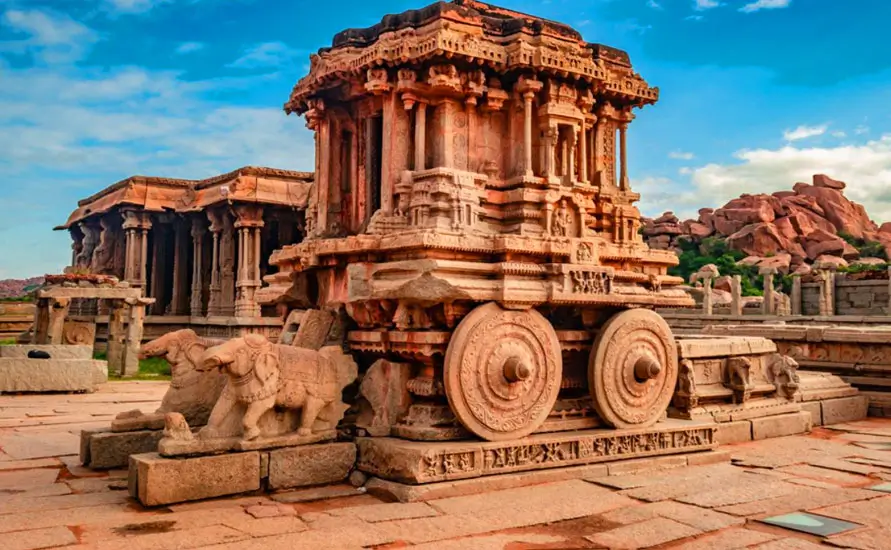
Today covers the grandest sights, and an early start is worth it for the light and the cooler air. Your guide drives you to the Vittala Temple complex, the most celebrated building in Hampi. Electric buggies carry visitors the last stretch from the parking area. The famous stone chariot in the courtyard is a shrine to Garuda built to look like a processional chariot, and it appears on India's fifty-rupee note. The temple's ranga mandapa is known for its slender musical pillars, which ring when struck; tapping them is no longer allowed, but your guide explains how the sounds were produced.
Later in the morning you move to the royal center, where the kings lived and held court. The Mahanavami Dibba is a large stone platform carved with scenes of hunting, dancing and processions, used for the great Navaratri festival. Nearby lies a beautifully geometric stepped tank, uncovered by archaeologists in the 1980s. Inside the Zenana Enclosure stand the Lotus Mahal, an airy pavilion that mixes Hindu and Islamic arches, and the long row of domed Elephant Stables. You finish at the Hazara Rama Temple, whose outer walls are covered in carved friezes of horses, elephants, soldiers and dancers.
Return to Evolve Back for a late lunch and an afternoon at leisure. The resort's Vaidyasala spa offers Ayurvedic treatments, and the reading lounge serves coffee from the group's own Coorg estates. In the evening the resort often runs a cultural program in its courtyard, and staff host storytelling sessions about Vijayanagara history, which your guide's day will make much easier to follow. For your last dinner in Hampi, ask about Aanandha, a multi-course meal served privately beside your villa's pool, if you have booked a pool villa, or a table at Pushkarni overlooking the boulders. Overnight in Hampi.
After breakfast you leave Kamalapura and drive south to Bangalore on the wide NH-50 highway, an easy road for most of its length. The drive takes around five and a half to six hours with a stop for coffee, and your chauffeur can break it at Chitradurga for a short look at the hill fort if you have energy. Those who prefer to fly can take a short morning flight from Jindal Vidyanagar to Bangalore when it operates on your date, and we confirm this option at booking. Either way, you reach the city by late afternoon.
Your final hotel is The Leela Palace Bengaluru on Old Airport Road, a modern palace whose design draws on the architecture of the same Vijayanagara empire you saw at Hampi, with copper domes, pink facades, carved ceilings and gardens with lily ponds and water features. After a week of historic buildings, the large rooms with marble bathrooms and city views offer a different kind of comfort. For dinner, Jamavar serves recipes from royal kitchens across India, while Le Cirque Signature offers French and Italian dishes, and Zen covers Japanese and Thai cooking. Overnight in Bangalore.
Take a slow breakfast in the garden-facing restaurant before checkout. If your flight leaves in the evening, your chauffeur can take you on a short tour of Bangalore Palace, modeled on Windsor Castle by a Wadiyar ruler, or a walk in Lalbagh Botanical Garden, and bring you back to The Leela for a late lunch. Kempegowda International Airport is some 35 km north of The Leela, often more than an hour by car, so we leave three clear hours for international check-in.
Our representative assists you at the terminal and remains in contact until you are checked in. From Hyderabad's marble halls to the stone courts of Hampi and the gardens of The Leela, you have lived for a week inside the story of the Deccan courts. If you would like to add Mysore, Coorg or the Kerala coast on a future trip, we can build it around the same standard of hotels. Have a comfortable flight home.
Your Journey

N.S. Rathore & Mrs. Omlata Rathore · Managing Director
We still read every enquiry ourselves. Tell us the places you liked and our planners will send a day-by-day route with drive times and a clear price.
Every package can be customised and no pressure to book. A planner from our office replies within 24 hours with a route written for your group.
Fill this in and your planner will send a first draft itinerary.
Explore more
Kerala Backwaters Escape Kerala Backwaters Escape
 Kerala Backwaters Escape
 Kerala Backwaters Escape
 Kerala Backwaters Escape
 Kerala Backwaters Escape
 Kerala Backwaters Escape
 Kerala Backwaters Escape
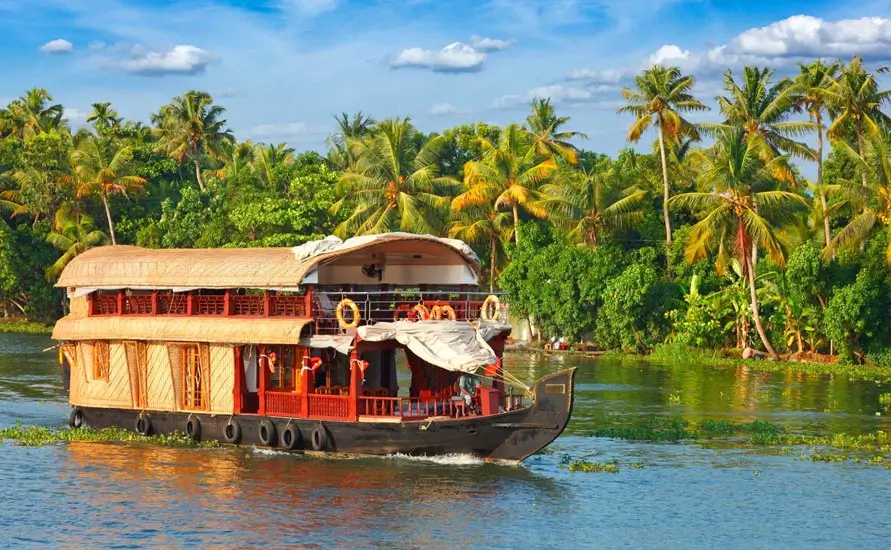 Kerala Backwaters Escape
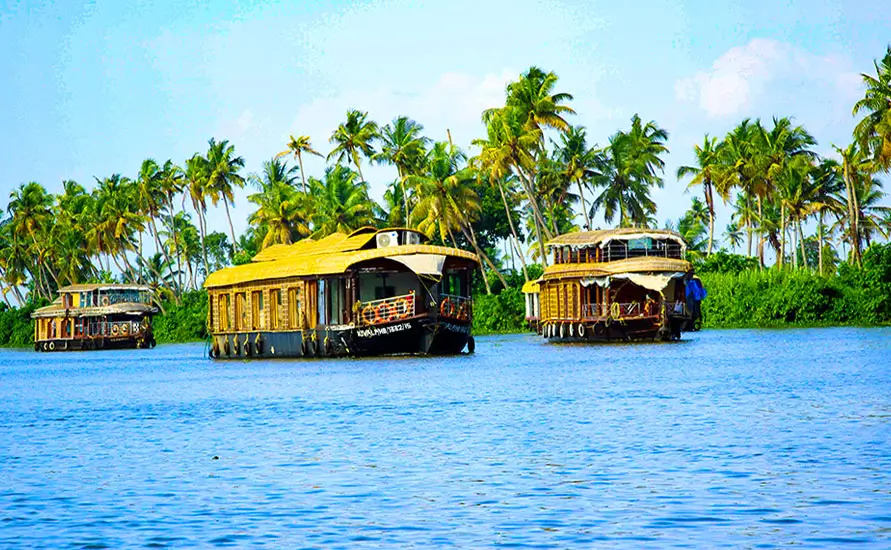 Kerala Backwaters Escape
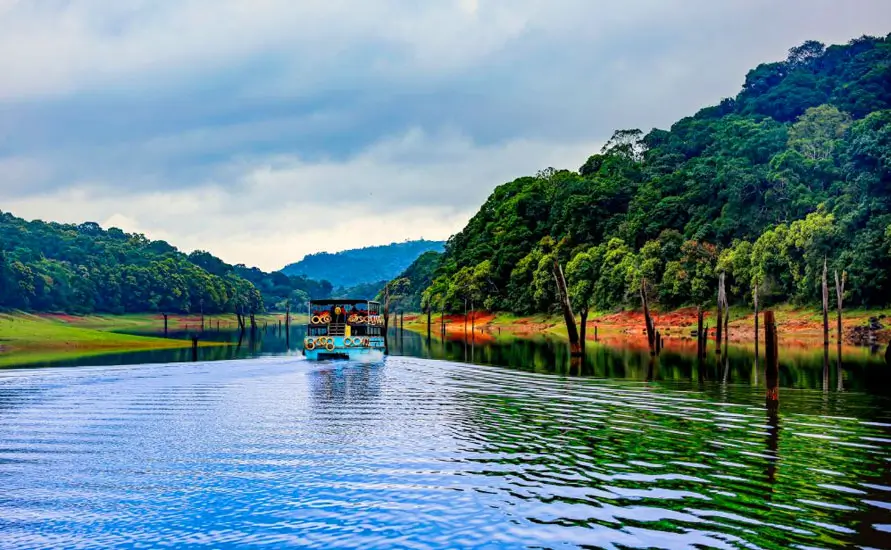 Kerala Backwaters Escape
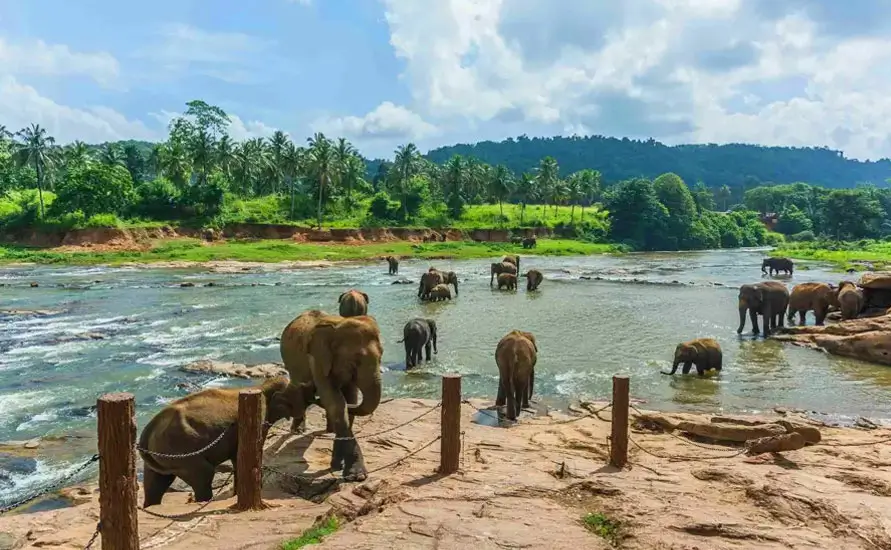 Kerala Backwaters Escape
 Kerala Backwaters Escape
 Kerala Backwaters Escape
 Kerala Backwaters Escape
 Kerala Backwaters Escape
 Kerala Backwaters Escape
 Kerala Backwaters Escape
 Kerala Backwaters Escape
 Kerala Backwaters Escape
 Kerala Backwaters Escape
 Kerala Backwaters Escape
 Kerala Backwaters Escape
 Kerala Backwaters Escape
 Kerala Backwaters Escape