
 Kerala Backwaters Escape

Luxury South India Tours
Bangalore – Kabini (Evolve Back Kuruba Safari Lodge) – Bandipur (day trip) – Tholpetty – Wayanad (Taj Wayanad Resort & Spa) – Kozhikode – Kochi (Brunton Boatyard) – Thekkady (Spice Village) – Thattekad – Kochi (Brunton Boatyard)
At a glance
Most South India itineraries give a national park one night and a single drive, which is rarely enough to see much more than deer. Our luxury wildlife lodges of South India tour does the opposite. You spend four nights at Evolve Back Kuruba Safari Lodge on the Kabini River, four nights at Taj Wayanad Resort & Spa beside Banasura Sagar and three nights at Spice Village in Thekkady, with repeated safaris in Nagarhole, Bandipur, the two ranges of Wayanad Wildlife Sanctuary and the Periyar Tiger Reserve, before closing with three nights at Brunton Boatyard in Kochi.
Repetition is the point. Each extra drive raises your chance of a tiger, a leopard or a pack of dholes, and longer stays let your naturalists learn what you want to see and plan accordingly. Between safaris there are guided walks, coracle and boat outings, birding mornings and time to enjoy the lodges themselves. The long gap between Wayanad and Thekkady is split with a night in Kozhikode and a train ride down the coast to Kochi, which keeps every road leg to roughly five hours or less.
This South India wildlife tour is built for keen photographers, birders and families travelling from London, Amsterdam, Chicago, Vancouver or Melbourne who want comfort without giving up early starts in the forest, as well as NRI travelers returning with children who have never seen wild elephants. Safari slots are allotted by the forest departments and cannot be guaranteed in advance, but our lodges book them daily on your behalf. The drier months from February to May give the best sightings, and October to January brings the most birds.
A representative from our Karnataka office meets you at the exit of Kempegowda International Airport, helps load the luggage and shows you to the premium SUV and chauffeur who handle the drive into Bangalore. Camera bags, long lenses and tripods are welcome on this trip, and we choose vehicles with enough space to keep them on the seat beside you rather than in the boot. If you land in the early hours, your room is held from the night before, so the morning can go to sleep. Lunch is light and unhurried, ideally on a shaded hotel terrace with a pot of South Indian filter coffee.
In the late afternoon a local birding guide takes you for a gentle walk in Cubbon Park, a 19th-century green space laid out by the British in the center of the city. Even here, among bamboo groves and old rain trees, you may pick up your first Indian species: purple-rumped sunbirds, coppersmith barbets calling like a metal hammer, oriental magpie-robins and the occasional shikra hunting among the canopy. It is a useful warm-up for the forests ahead, and your guide can help you set your binoculars and learn a few common bird calls before the safaris begin.
Back at the hotel your trip coordinator sits down with you for a full briefing. He explains how jeep and canter safari slots are allotted by the Karnataka and Kerala forest departments, what to wear in the parks (muted greens and browns, no perfume), and why early mornings matter. You also go through the camera rules in each reserve, the medical kit we carry in the car and the plan for the coastal train ride later in the trip. Dinner is at the hotel, and an early night is wise, because the drive to the Kabini starts soon after breakfast. Overnight in Bangalore.
The car leaves the city soon after breakfast, loaded with your bags and a cool box of drinks, heading south-west through the silk town of Ramanagara and the sugar belt around Mandya, then bypassing Mysore on the ring road. Past the town of H.D. Kote the traffic thins out, the fields turn into scrub and teak plantation, and roadside signs start to warn of crossing elephants. A coffee halt is built in, and nobody hurries. By early afternoon you arrive at Evolve Back Kuruba Safari Lodge, spread across fifteen riverside acres facing the forests of Nagarhole.
The lodge draws its look from the houses of the Kadu Kuruba, a forest people of this region, with earth-toned walls, thatched roofs and low, cool interiors. Every one of its 30 suites opens onto a private walled courtyard holding either a plunge pool or a Jacuzzi, which comes in handy after a hot, dusty drive. For a four-night stay we suggest one of the pool suites, since the middle of the day is spent mostly at the lodge. There is also an infinity pool, a reading lounge stocked with field guides, and a grill restaurant serving charcoal-cooked meats and vegetables.
Around four you board a motorboat for your first outing on the Kabini reservoir, with one of the lodge naturalists at the bow. The backwaters formed behind the Kabini dam flood the old forest edge, and the shoreline becomes grassland as the water retreats through the dry months. Elephants come down to drink and bathe in family groups, marsh crocodiles bask on the mud, and ospreys, river terns and pied kingfishers work the open water. You return to the lodge as the light goes, and the naturalist goes over the plan for tomorrow's dawn drive at dinner. Overnight in Kabini.
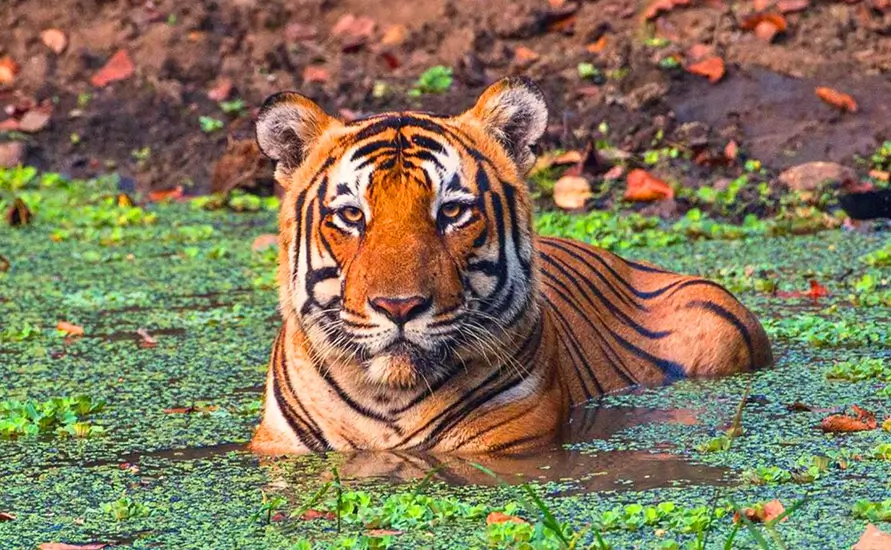
Coffee arrives at your door in the dark, and you are at the park gate before sunrise for a jeep safari into Nagarhole National Park. The forest here is mostly dry deciduous, with teak, rosewood, axlewood and bamboo, broken by swampy clearings locally called hadlus. Gaur feed in the open at first light, sambar and chital move in mixed herds, and troops of langurs act as lookouts for the cats. Your naturalist listens for the barking alarm calls that betray a tiger or leopard on the move, and drivers often wait in silence at a waterhole for long minutes rather than chasing tracks.
Back at the lodge by mid-morning, breakfast is followed by free time through the heat of the day. Many guests sort photographs at the reading lounge, swim in the courtyard pool or simply doze in a hammock, and the spa offers massages for stiff backs after the jeep ride. A naturalist is usually on hand for anyone who wants to identify a mystery bird from the morning, and the lodge grounds themselves attract hornbills, woodpeckers and flowerpeckers in the fruiting trees. Lunch includes Coorg and Mysore dishes as well as lighter salads and grilled fish.
The afternoon drive enters a different part of the park, and the change in light brings out other animals: wild dogs, or dholes, often hunt in the late afternoon, and elephants move toward the reservoir edge in large numbers. The Kabini side of Nagarhole has a reputation for leopard sightings, and in recent years a black leopard has been photographed here, though it appears on only a few lucky drives each season. Your naturalist keeps a sightings log for you, which builds into a record of the whole trip. Dinner is served on the riverside lawn. Overnight in Kabini.
Today you cross into Bandipur Tiger Reserve, which joins Nagarhole along its southern edge and forms part of a continuous block of protected forest that also takes in Mudumalai and Wayanad. You leave the lodge very early with a packed breakfast and drive via H.D. Kote to the Bandipur safari reception on the Mysore–Ooty highway. Safaris here are run by the Karnataka Forest Department in its own jeeps and canters, and your lodge books the earliest slot available. Bandipur is drier and more open than the Kabini side, which can make animals easier to spot.
The morning safari winds through scrub jungle and teak, with a backdrop of the blue Nilgiri hills to the south. Tigers are present in good numbers, and Bandipur is also a strong place for Indian elephants, gaur and the shy four-horned antelope, which your naturalist can help you tell apart from the more common barking deer. Birds of prey are easy to see on the open branches, including the crested serpent eagle and changeable hawk-eagle. After the drive you have brunch at a nearby resort or forest rest area, then rest during the hottest hours before the second outing.
An afternoon safari gives you a second chance in Bandipur before the drive back to Kabini. On the highway between the gates, traffic restrictions apply after dark to protect wildlife, which is one more reason the timing is planned carefully. You reach the lodge in the early evening, with time for a shower before dinner. Many guests choose tonight for the lodge's boat dinner, a candle-lit meal on board a boat moored on the reservoir, which needs to be arranged in advance and depends on the weather and water levels. Overnight in Kabini.
Instead of a jeep, this morning starts on the water in a coracle, the round woven boat of the Kabini fishermen. Your boatman paddles quietly along the bank while the naturalist points out birds that a jeep never gets close to: grey-headed fish eagles on dead snags, stork-billed kingfishers, darters with their wings held out to dry and large flocks of little cormorants. Otters are sometimes seen along this stretch, and elephants occasionally come down to the opposite bank to drink. Coracle rides are short and calm, and life jackets are provided for everyone on board.
After breakfast a naturalist takes you on a short visit to a forest-edge tribal village, home to families whose parents and grandparents lived inside what is now the national park before they were resettled. Many still collect honey, forest produce and medicinal plants, and some now work as guides, drivers and trackers for the lodges. Your naturalist acts as translator and explains how the relationship between these communities and the forest department has changed over the decades. Photographs should only be taken with permission, and small purchases from village craft groups are appreciated.
The final safari of your Kabini stay is in the afternoon, either by jeep in Nagarhole or on the water, depending on what you most want to see and the slots available. By now you will have a feel for the forest, recognize several of the regular drivers and naturalists, and know which clearings to watch. Many guests see their best sighting on a last drive, simply because they have learned where to look. In the evening the naturalists hold an informal slide show of the season's sightings, followed by a farewell dinner at the lodge grill. Overnight in Kabini.
You check out after breakfast, say goodbye to the naturalists who guided you through four days on the Kabini, and head west across the state border into Kerala. The road passes through the Bavali forest checkpoint, where elephants often cross the road, and the landscape quickly changes from dry teak forest to the greener, wetter hills of Wayanad. The first stop is Tholpetty, the northern range of the Wayanad sanctuary, which adjoins Nagarhole along its northern edge. Lunch is planned at a simple restaurant near Mananthavady, or as a picnic from the lodge, while you wait for the afternoon safari slot to open.
Safaris at Tholpetty are run by the Kerala Forest Department in licensed jeeps, each with a local guide from the department. The forest here is moister than on the Kabini side, with bamboo, tall evergreen patches and open grassy swamps, and gaur, elephants, sambar and spotted deer are often seen. Tigers and leopards live here too, and Tholpetty has produced some fine sightings over the years. The drive is shorter than in Karnataka, about an hour, and the number of vehicles is limited each day, which keeps the forest quiet. Safaris may be suspended in the driest weeks because of fire risk.
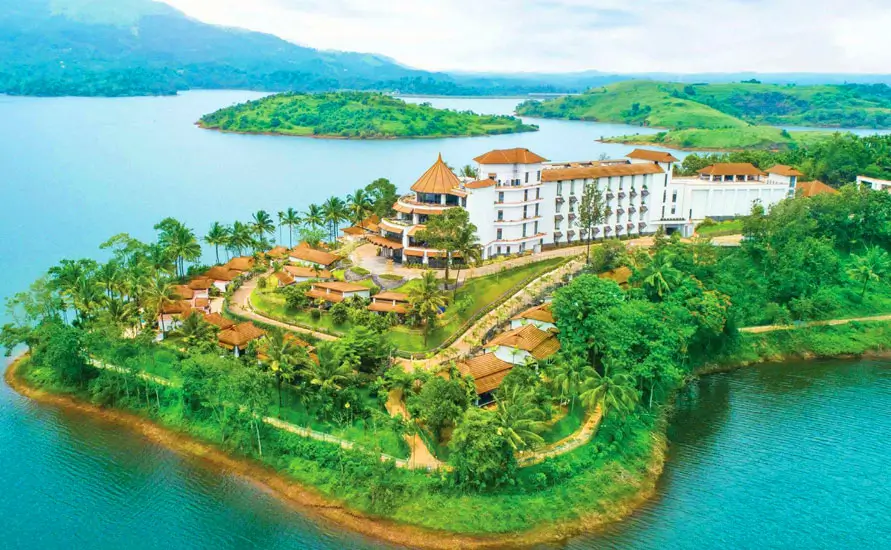
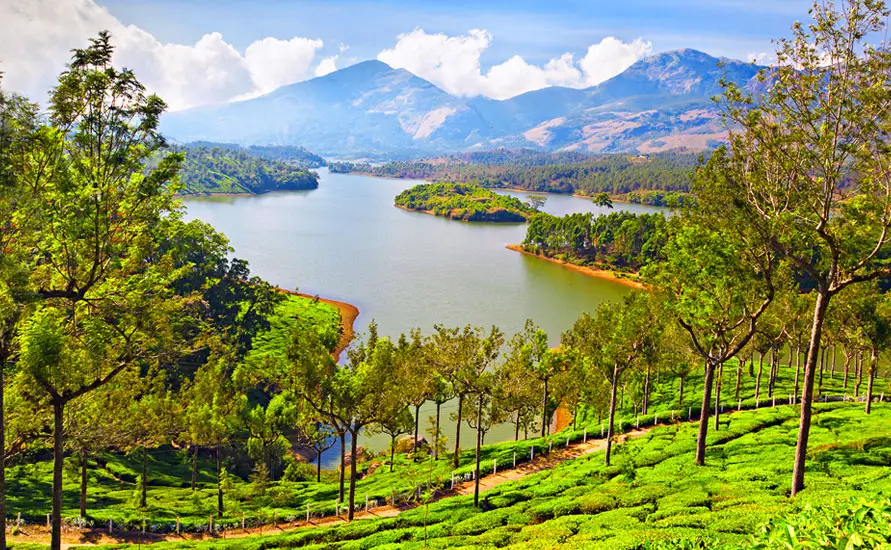
From Tholpetty it is about an hour and a half by road to Taj Wayanad Resort & Spa, which sits on a 10-acre promontory reaching into the Banasura Sagar reservoir, one of the largest earth dams in India. The resort was built to face the water, and rooms, cottages and villas open to wide views of the lake and the forested hills behind it. For a four-night stay we recommend one of the water-frontage cottages or a pool villa. Dinner is at one of the resort's three restaurants, and the rooftop bar is a good place to watch the last light on the water. Overnight in Wayanad.
A very early start takes you south-east to the Muthanga range of Wayanad Wildlife Sanctuary, some ninety minutes' drive from the resort and pressed against the border with Bandipur and Mudumalai. The forest department runs jeep safaris here in the morning and afternoon, and vehicles are limited, so the lodge staff and your chauffeur plan the departure to reach the gate in good time. Muthanga is known for elephant herds, gaur and plenty of deer, and with luck you may see a leopard or tiger crossing the road between the three reserves.
After the safari you stop for breakfast at a hotel near Sultan Bathery, a market town named after Tipu Sultan, who used an old Jain temple here as an ammunition store. The temple, a granite structure from around the 13th century, still stands and is worth a short look. From there you continue to the Edakkal Caves on Ambukuthi Mala, where a steep path and a series of steps lead up to a cleft in the rock. The walls inside carry engravings of human figures, animals and symbols believed to date back thousands of years. The caves are closed on Mondays.
Climbing to the caves takes around forty minutes each way and is moderately strenuous, so sturdy footwear and a water bottle make sense. Once back at the car, the drive home to Banasura brings you in for a late lunch, with the afternoon left open. The Jiva Spa at Taj Wayanad offers Ayurvedic and Indian-inspired treatments, and there is a yoga pavilion by the water for a late-afternoon stretch. At dusk, stroll the lakeshore paths, where you may see kingfishers and herons settling for the night and hear frogs start their chorus. Overnight in Wayanad.
Wayanad sits within the Western Ghats, a UNESCO World Heritage mountain range and one of the world's richest regions for plants, amphibians and birds found nowhere else. This morning a local naturalist leads a walk through forest and plantation edges near the resort. Endemic birds you may see include the Malabar grey hornbill, Malabar parakeet, white-bellied treepie and the Nilgiri flowerpecker, and the naturalist will point out frogs, butterflies and medicinal plants along the way. Walks are kept gentle and at a pace that suits photography, and they end before the day becomes too warm.
Back at the resort, the late morning is free. The Banasura Sagar reservoir holds scattered islets, which were hilltops until the dam waters rose, and the resort can arrange time on the water where permitted. Some guests prefer to swim, read on a lakeside sun lounger or try the cooking at another of the resort's restaurants, which between them serve Kerala, Indian and international dishes. Kerala food in Wayanad has its own character, with bamboo rice, wild mushrooms and Malabar spices, and the chefs are usually happy to explain what is in season.
In the afternoon you return north for a second safari at Tholpetty, which often brings different sightings from the first, as the animals move with the water and grazing. On the way back, if time permits, your chauffeur can stop at the outskirts of Thirunelli, a temple town in a valley below the Brahmagiri hills, where the old stone temple to Vishnu is surrounded by forest. Non-Hindus may usually walk in the outer areas only, and your guide will explain the customs. You reach the resort after dark for a relaxed dinner. Overnight in Wayanad.
After three days of early alarms, this morning is deliberately left open. You can sleep in, take breakfast on your balcony while mist lifts off the reservoir, or book a session at the spa or yoga pavilion. Keen birders often prefer a slow hour at the water's edge with a scope, where little grebes, purple herons, cormorants and the odd white-throated kingfisher are easy to watch at close range. Wayanad's climate is cooler than the plains, and the lake breeze makes even the middle of the day comfortable for most of the year.
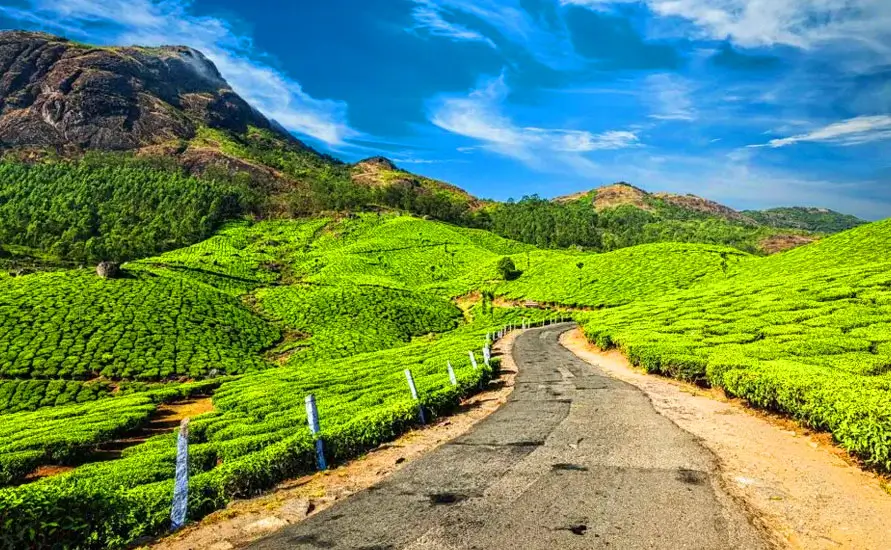
Late morning, a short drive takes you to a family-run coffee and spice plantation in the hills near Kalpetta. The owner walks you through rows of Robusta coffee shaded by silver oak, with pepper vines winding up the trunks and cardamom, vanilla or areca grown in between, depending on the farm. Wayanad's Robusta is grown at lower altitudes than Coorg's Arabica and has a stronger taste, and you can try both side by side over a simple Kerala lunch on the veranda. The planters often have their own stories of elephant visits to the estate at night.
The afternoon gives you a choice. Wildlife enthusiasts can take a second safari in Muthanga, giving a final chance at the big cats in Kerala's part of this forest block. Others may prefer to stay at the resort, swim and get ready for the next stage of the trip. In the evening the rooftop bar offers a final look over the dark water toward the hills, and dinner can be set up privately on the lawn for a farewell to Wayanad. Pack tonight, as the drive down the ghats to the coast begins after breakfast tomorrow. Overnight in Wayanad.
Leaving Banasura behind, the road climbs to the edge of the Wayanad plateau and then drops down the Thamarassery Ghat, whose nine hairpins zigzag down the escarpment with views over the forested slopes to the coastal plain. Your chauffeur takes the descent slowly, and there is a viewpoint near the top where you can stop for photographs if the weather is clear. Traffic on the ghat can be heavy on weekends, so the departure time is set to avoid the worst of it. You reach Kozhikode, the old port the Portuguese called Calicut, by lunchtime and check in to a comfortable hotel near the sea.
A local guide joins you in the afternoon for a drive north to Kappad beach, where a small memorial marks the spot near which Vasco da Gama came ashore in 1498 after the first direct sea voyage from Portugal. It is a quiet beach with rocks at one end and fishing boats drawn up on the sand. On the way back you pass through Kuttichira, the old Muslim quarter by the Kuttichira tank, where the 14th-century Mishkal Mosque stands four stories tall in wood and tile, built in the Kerala style without domes or minarets. Modest clothing is expected, and women are asked to carry a scarf for their heads.
In the evening walk along S.M. Street, short for Sweetmeat Street, a busy bazaar where shops sell the famous Kozhikode halwa in a dozen colors, along with banana chips fried in coconut oil. The city's other claim to fame is its biryani, made with small fragrant jeerakasala grains in place of basmati, so dinner tonight is at one of the old biryani houses your guide trusts. The beach promenade fills with families after sunset, peanut and ice-cream sellers work the crowd, and the sea breeze is welcome after a day on the road. Overnight in Kozhikode.
Thekkady lies more than eight hours from Wayanad by road, so instead of one long drive we use the coastal railway. After breakfast your chauffeur drops you at Kozhikode station for a morning express train to Ernakulam, a run of roughly four hours through Thrissur and Shoranur, past paddy fields, coconut groves and backwater bridges. Our team books air-conditioned chair-car or first-class seats depending on the train, and a porter helps with bags on the platform. Your heavy luggage can travel by road with the car if you prefer to keep things light.
At Ernakulam a new chauffeur waits at the coach door and takes you to Brunton Boatyard in Fort Kochi, about forty minutes away. This first night by the harbor is a short break between the two halves of your wildlife trip, and the afternoon is free to rest. Ask for a room with a balcony facing the water, where dolphins are sometimes spotted surfacing at the harbor mouth in the late afternoon. The pool beside the water is a fine place for a swim at sunset. Overnight in Kochi.
After a single night at the harbor, departure from Fort Kochi is right after an early breakfast, to get through the Ernakulam traffic before it builds. The route heads east through Muvattupuzha and Thodupuzha, past rubber estates and pineapple farms, before winding up into the Cardamom Hills via Kuttikkanam, a cool hill station surrounded by tea gardens. Lunch is at a hillside restaurant looking across the valleys. You reach Thekkady, the spice-trading town on the edge of the Periyar forest, by mid-afternoon, with the temperature several degrees cooler than on the coast.
Spice Village, run by the Kerala hotel group CGH Earth, lies about three kilometers from the reserve gate in Kumily, set in a large garden of pepper vines, cardamom and other spices. Guests stay in cottages modeled on local tribal homes, with thick roofs of elephant grass held down by split bamboo, tiled floors and simple, comfortable interiors, and most rooms have no television. The resort runs on eco-friendly lines, with its own organic garden and a strong focus on the local community, and its restaurant, the Tiffin Room, cooks Kerala dishes using spices grown in the area.
Late in the afternoon a resident naturalist takes you on a walk around the resort grounds, pointing out the spices growing in the garden and the birds and butterflies that visit them. Spice Village also has a small interpretation center and library on the wildlife of Periyar, and in the evening the naturalists sometimes give slide talks on the reserve's animals and birds. Dinner is served at the Tiffin Room, where you may be offered a cooking demonstration of a Kerala dish such as fish molee or a vegetable avial before the meal. Overnight in Thekkady.
The Periyar Tiger Reserve covers a large area of the Cardamom Hills around a reservoir created by damming the Periyar river in 1895. Unlike the Karnataka parks, jeep safaris are not the main way in; instead the reserve runs community-based eco-tourism programs, led by trained guides from local villages, many of them former poachers or forest produce collectors. This morning you join a guided nature walk of about three hours, entering the forest in the early light with an armed forest guard and a guide who knows the trails well.
On foot you see the forest from a completely different angle. Your guide points out tiger and elephant tracks, the scratch marks of sloth bears on tree trunks and the dung of gaur, along with orchids, giant squirrels and the hooting calls of Nilgiri langurs. Birds are plentiful here, from the great hornbill and the Malabar trogon to the tiny Indian pitta in the winter months. Leech socks are useful after the rains, and the resort provides them. You return to Spice Village in time for lunch and a rest during the warmest part of the day.
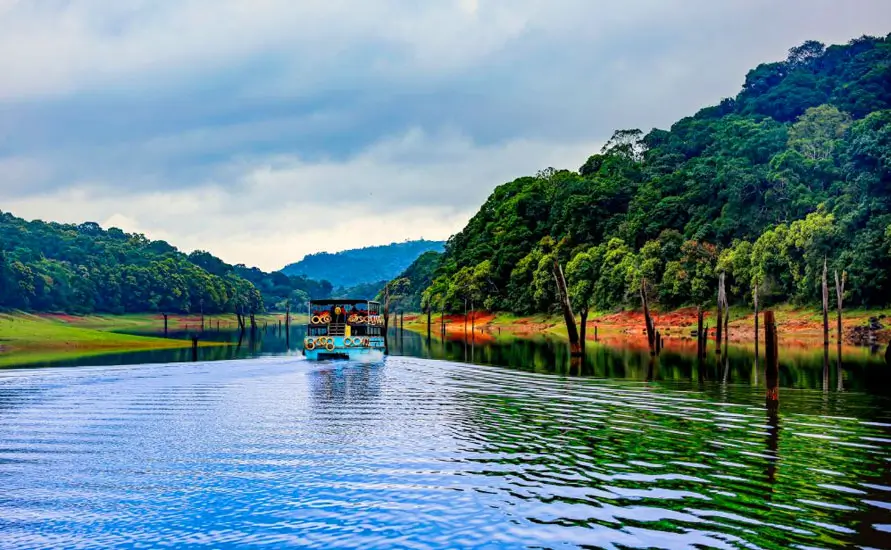
Mid-afternoon you take the Periyar lake boat ride, run by the Kerala tourism department and the forest department from the boat landing inside the reserve. Departures leave at fixed times, the last one in the afternoon, and tickets are in demand, so the resort arranges them in advance where possible. The boat moves past drowned tree stumps that stand like grey sculptures in the water, and herds of elephants, gaur and sambar come down to drink along the banks. Otters and kingfishers are common, and the hills behind are beautiful in the low light. Overnight in Thekkady.
For a full day deep in the forest, the bamboo rafting program combines a trek through the woods with a ride on a bamboo raft across the Periyar lake, guided by local trackers and an armed guard. It starts early and usually returns in the late afternoon, with a packed lunch eaten in the forest, and is limited to small groups each day. If you prefer a shorter outing, the border hiking trail follows the ridge between Kerala and Tamil Nadu, with wide views across the reserve. Both need fitness for several hours of walking, and the resort books the program that suits you.
Those not joining the full day can visit a spice plantation near Kumily with your naturalist, where a farmer shows how cardamom grows from the base of its tall leafy plants, how pepper is trained up shade trees and how nutmeg, cloves and cinnamon are harvested and dried. You also learn how the cardamom auctions in the area set the price for the whole country. In the afternoon, some guests take a Kalaripayattu performance in Kumily, a Kerala martial art with acrobatic leaps, sword and shield fighting and fire, held in the early evening.
Your final evening in Thekkady can be spent at the resort, where an Ayurvedic center offers traditional treatments, or taking a gentle stroll in the town's spice markets, where shops sell fresh cardamom, pepper and tea by weight. The naturalists at Spice Village can go through your sightings list from the trip and help you identify any birds or animals still in doubt. Dinner is at the Tiffin Room, where the chefs often prepare a special farewell meal for longer-staying guests, including Kerala-style curries and fresh fruit from the region. Overnight in Thekkady.
After a final morning walk in the Spice Village garden, you leave the hills and retrace part of the road toward the coast, descending through Kuttikkanam and Thodupuzha. The change from mountain air to the humidity of the plains is noticeable on the way down, and the chauffeur takes regular breaks. If you want a stop, a roadside cardamom shop or a tea stall at one of the viewpoints makes a pleasant pause. You reach Fort Kochi by mid-afternoon and return to Brunton Boatyard for the last two nights of your trip.
Brunton Boatyard is a good place to finish a wildlife trip, because the hotel's calm, its harbor views and its thick colonial walls feel very different from the forest lodges. Rooms are spread around the inner courtyard, each with views of the water, and four-poster beds, polished wooden floors and white-shuttered windows set the tone. After days of early starts, many guests are glad to take a long afternoon swim in the pool, watch the ferries and fishing boats cross the harbor or book a massage at the in-house spa.
In the early evening, your guide takes you for a short walk along the Fort Kochi waterfront, past the giant fishing nets and the fish stalls where traders sell the day's catch from the boats. The walk continues past St. Francis Church and the shady Parade Ground to the colonial bungalows of the old British quarter. You can stop for coffee or a fresh lime soda at a café in an old warehouse, then return to the hotel for dinner. Fresh fish and seafood from the harbor are a good choice tonight, cooked with Kerala spices or simply grilled. Overnight in Kochi.
Birders will want to leave long before sunrise for Thattekad Bird Sanctuary, about two hours from Fort Kochi near Kothamangalam. The sanctuary was set up on the recommendation of Salim Ali, India's best-known ornithologist, who described it as the richest bird habitat in peninsular India. A local bird guide meets you at the edge of the forest, where evergreen woodland meets the Periyar River, and leads you along trails in search of species that are hard to find elsewhere. Dawn is when the forest is loudest, and the guide reads the calls to find what you came for.
Among the specialties of Thattekad are the Sri Lanka frogmouth, a well-camouflaged night bird often found roosting by day, the Malabar trogon, the black baza and several species of owls, with local guides who know their roosting spots well. Thattekad also has a variety of kingfishers along the river, and over two hundred species have been recorded in and around the sanctuary. After the walk you have breakfast at a small homestay near the forest, then drive back to Fort Kochi, arriving before lunch to rest during the heat of the day.
In the afternoon you visit Mattancherry, the old trading district just south of Fort Kochi. The Dutch Palace, built by the Portuguese and later remodeled by the Dutch, holds well-preserved Kerala murals, and the Paradesi Synagogue stands at the end of Jew Town lane. Since the palace shuts each Friday, and the synagogue is shut Friday, Saturday and on Jewish holidays, we schedule this afternoon on a suitable weekday. The lanes around are full of spice traders and antique shops. Your farewell dinner is at Brunton Boatyard, overlooking the harbor lights. Overnight in Kochi.
Depending on your flight time, the last morning in Kochi is unplanned. Take breakfast on the harbor side and one last stroll past the nets; then the car heads north to Cochin International Airport, a run that usually needs ninety minutes in traffic. For a midnight departure, we ask Brunton Boatyard to extend your room or reserve a day-use room near the airport, subject to availability. Our representative will be with you until you reach the departure terminal entrance.
Over sixteen nights you have stayed at four of South India's finest wildlife and heritage lodges, taken repeated safaris in five protected areas and walked the forests with some of the region's best naturalists. We hope your sightings list is long and your photographs are good, and our team is happy to help with a future trip, perhaps to the tiger reserves of central India or the hills of the Nilgiris.
Your Journey

N.S. Rathore & Mrs. Omlata Rathore · Managing Director
We still read every enquiry ourselves. Tell us the places you liked and our planners will send a day-by-day route with drive times and a clear price.
Every package can be customised and no pressure to book. A planner from our office replies within 24 hours with a route written for your group.
Fill this in and your planner will send a first draft itinerary.
Explore more
Kerala Backwaters Escape Kerala Backwaters Escape
 Kerala Backwaters Escape
 Kerala Backwaters Escape
 Kerala Backwaters Escape
 Kerala Backwaters Escape
 Kerala Backwaters Escape
 Kerala Backwaters Escape
 Kerala Backwaters Escape
 Kerala Backwaters Escape
 Kerala Backwaters Escape
 Kerala Backwaters Escape
 Kerala Backwaters Escape
 Kerala Backwaters Escape
 Kerala Backwaters Escape
 Kerala Backwaters Escape
 Kerala Backwaters Escape
 Kerala Backwaters Escape
 Kerala Backwaters Escape
 Kerala Backwaters Escape
 Kerala Backwaters Escape
 Kerala Backwaters Escape
 Kerala Backwaters Escape
 Kerala Backwaters Escape
 Kerala Backwaters Escape