 Kerala Backwaters Escape
Golden Triangle Tour With South India
Delhi – Agra – Fatehpur Sikri – Jaipur – Bangalore – Srirangapatna – Mysore – Somnathpur – Ooty – Coonoor – Coimbatore
At a glance
Royal gardens link every stage of this route, from the Persian-style charbagh around Humayun's Tomb to the rose terraces of a Victorian hill station. Our Golden Triangle with Ooty and Mysore starts with the Mughal and Rajput courts of Delhi, Agra and Jaipur, then flies south to Bangalore for the Wadiyar capital of Mysore and finishes high in the Nilgiri Hills at Ooty. Over thirteen days you trade desert sandstone for tea bushes and eucalyptus, and the hottest plains of North India for cool mountain mornings where a sweater is welcome even in April.
The plan keeps road time sensible. The Yamuna Expressway brings you to Agra in under four hours, a stop at Fatehpur Sikri breaks the drive to Jaipur, and a direct domestic flight covers the long hop from Rajasthan to Karnataka. In the south, three nights in Mysore leave room for Hoysala carving at Somnathpur, and three nights in Ooty give you an unhurried morning on the Nilgiri toy train, a UNESCO-listed line. A dedicated cooled car with an English-speaking chauffeur covers each half, and licensed city guides join at the big sights of this two-region Golden Triangle tour with South India.
First-timers from Toronto, Texas, Leeds, Lyon or Perth often settle on this itinerary because it sets the headline northern monuments beside a cooler, leafier South. NRI families like it too, since grandparents can take the slower days in Ooty at their own pace while children ride the steam-era railway. Every part of the Golden Triangle with Ooty and Mysore is private, so hotel category, room types and the order of sightseeing can change around your dates. Pleasant weather runs roughly from October until March, while Ooty itself stays mild in every month and is popular with Indian families in May.
Day or night, when your flight lands at Delhi's main airport, a team member stands at the arrivals rail with a placard bearing your family name. After a quick check that everyone and every suitcase is accounted for, your driver loads the cooled car and sets off on the 40-minute ride into town. Many flights from North America land close to midnight, so the first half of Day 1 carries no plans at all. Hotels in Delhi usually hand over rooms at 2 pm, so for a pre-dawn landing we pre-book the room for the previous date and you sleep straight away.
Rested and fed, you join your guide toward late afternoon for a slow first stroll in Lodhi Garden, a ninety-acre park where Delhi residents jog, stretch and walk their dogs between 15th-century tombs. The domed tomb of Muhammad Shah Sayyid and the square Bara Gumbad stand right beside the lawns, and nobody charges admission to stroll past them. Your guide uses this quiet setting to sketch out the plan for the next few days, from Mughal gardens in Delhi and Agra to the Rajput hill forts outside Jaipur, and answers practical questions about cash, local SIM cards and tipping.
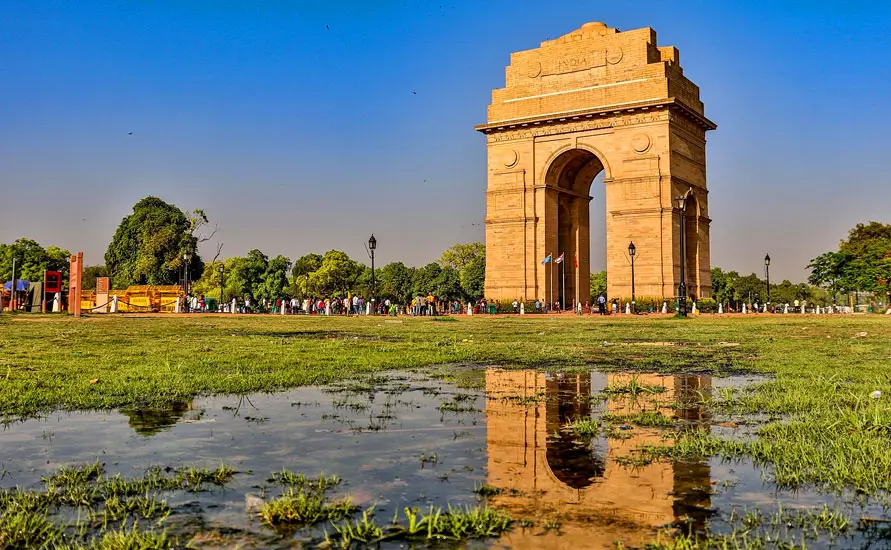
As the light fades you drive past the government buildings of New Delhi and the sandstone arch of India Gate, a war memorial built after the First World War and lit up in the evening. The broad lawns of Kartavya Path are full of families buying ice cream and balloons, and the scene gives you a feel for how the capital relaxes after office hours. Dinner can be at your hotel or at a nearby restaurant serving Punjabi favorites like slow-cooked black dal, tandoor-baked naan and paneer tikka. An early bedtime helps, because the body clock usually protests most on night two. Overnight in Delhi.
Morning in Old Delhi starts in the streets around Jama Masjid, Shah Jahan's red-and-white congregational mosque, where you leave your shoes at the steps and visitors are lent a robe if needed. Next, a pedal rickshaw threads you into Khari Baoli, said to be the largest wholesale spice market in Asia, where porters carry sacks of red chili, turmeric and dried fruit through lanes barely wider than a cart. Your guide will warn you that the chili dust can make you sneeze. The Red Fort is seen from outside or visited if time allows, although on Mondays its gates stay shut.
Before lunch your car pulls up near Agrasen ki Baoli, a 14th-century stepwell hidden among the office blocks near Connaught Place, with 108 steps leading down toward the old water level. It is a useful preview of the water engineering you will see again in Jaipur, and the arched walls stay cool even in the hottest months. Lunch can be in Connaught Place, where you can try chole bhature or a lighter South Indian dosa as a taste of the second half of your trip. Your guide also points out the Jantar Mantar of Delhi, a smaller cousin of the observatory you will walk through in Jaipur.
After lunch you reach Humayun's Tomb, commissioned by his senior widow, Bega Begum, completed around 1570 and now inscribed by UNESCO as the earliest grand garden mausoleum of the subcontinent. Its red sandstone and white marble, the raised platform and the four-part charbagh garden served as a model for the Taj Mahal decades later. Next door lies Sunder Nursery, an old Mughal garden restored over many years into a park with ponds, flower beds and small tombs in tidy lawns. Your guide shows you how the channels and fountains were meant to represent the four rivers of the Quranic garden. Overnight in Delhi.
An early start puts you on the Yamuna Expressway heading for Agra, whose wide tolled lanes turned a once tiring road trip into an easy morning. Expect roughly 3.5 to 4 hours behind the wheel, plus a pause at a highway food court for tea and clean restrooms. Flat fields of mustard, wheat and sugarcane roll past the window, and brick kilns with tall chimneys dot the countryside. Your driver stays with you in Agra, and check-in at your hotel is timed for the early afternoon so you can have lunch and a short rest before the guide arrives.
Around four o'clock you walk with your local guide into Agra Fort, whose rust-red ramparts follow a long river bend for roughly 2.5 km beside the Yamuna. Akbar raised it in the 1560s for defense, while Shah Jahan, two generations on, slipped white marble pavilions in among the barracks. Few corners stir visitors like the eight-sided Musamman Burj, where the deposed emperor, held prisoner by his own son, could look downriver toward his wife's mausoleum. UNESCO lists the fort separately from the Taj, and ninety minutes inside feels about right.
Near sundown your driver loops over the bridge to Mehtab Bagh, a riverside garden credited to Babur and aligned precisely with the Taj Mahal across the water. From the riverside path you watch the marble dome turn pink, then grey, with buffalo wading in the shallows and almost no crowds around you. Archaeologists excavated the garden in the 1990s and found an octagonal pool that once mirrored the tomb. Your guide briefs you for tomorrow's early start, because the gates of the Taj open around sunrise and the first hour is the calmest time to be there. Overnight in Agra.
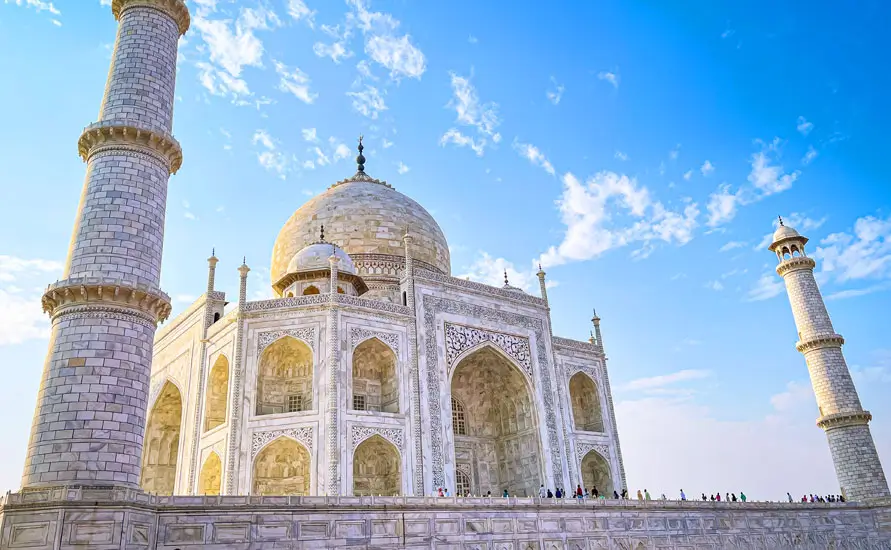
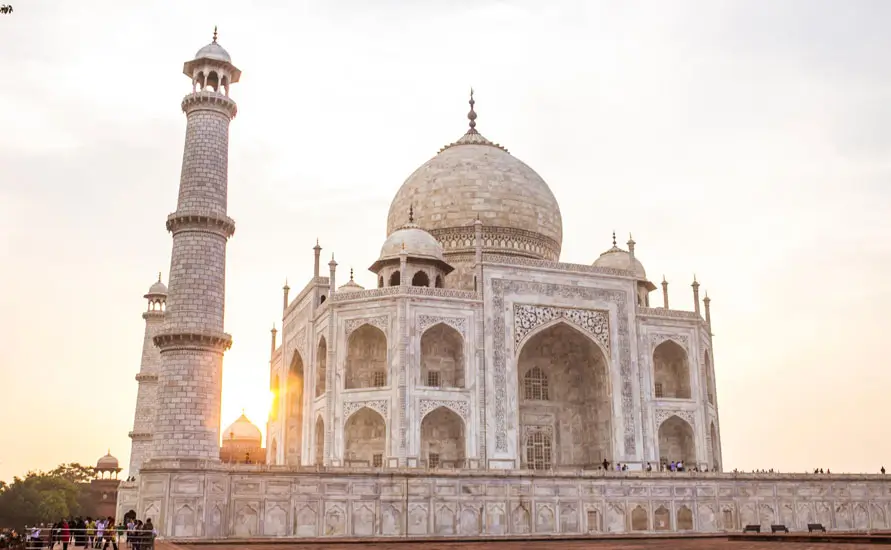
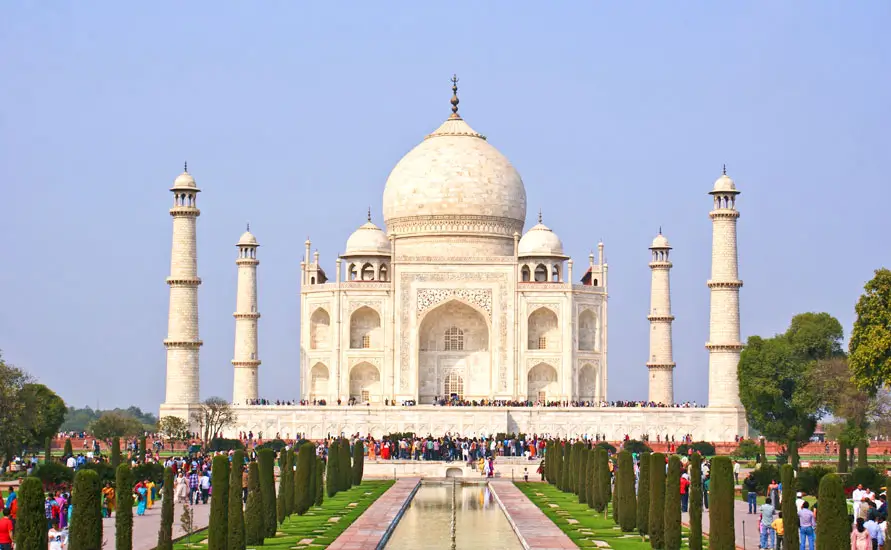
Your alarm rings in darkness today, since the walk from the parking area to the east gate takes a few minutes and the security queue grows fast. Step through the great Darwaza and the Taj Mahal appears in the frame of the arch, with mist often lying over the river behind it. Your guide explains how Shah Jahan's architects set flowers of carnelian, lapis and jade into the marble in the pietra dura technique, and why each minaret was built with a slight outward tilt. Because the mausoleum closes to sightseers each Friday for prayers, we reorder these days whenever that date lands on a Friday.
Breakfast and checkout follow, and then the car points west toward Rajasthan. Some 40 km along sits Fatehpur Sikri, Akbar's short-lived capital of the 1570s, probably abandoned once its lake and wells could no longer supply the court. Its palaces, the Panch Mahal with five stepped floors and the Ibadat Khana area, where the emperor hosted Jesuits, Brahmins and Sufis for debate, are carved from the same rose-red stone. Next door, the Buland Darwaza rises over the courtyard of the Jama Masjid, and the pearl-white shrine of Shaikh Salim Chishti draws pilgrims who tie threads to its screens while making a wish.
From here Jaipur is roughly four more hours on a good highway through villages, mustard fields and the first low hills of Rajasthan. If you would like to stretch the day, an optional stop at the Chand Baori stepwell in Abhaneri adds about an hour and shows thousands of steps cut in zigzag rows down to a square pool. You reach Jaipur in the early evening, check in and have dinner at the hotel or on a terrace overlooking the old city walls. Tomorrow starts early again, so your guide will meet you right after breakfast. Overnight in Jaipur.
Amber Fort crowns a ridge 11 km out of town, its walls reflected in Maota Lake, and arriving at opening time keeps you ahead of the coach groups. Elephant rides play no part here: a jeep grinds up the ramp, or you can stroll the cobbles in about a quarter of an hour. Within the walls you pass the pillared Diwan-i-Am, the painted Ganesh Pol and finally the Sheesh Mahal, its surfaces glittering with countless small convex mirror pieces. A single candle there was once said to light the whole room by reflection.
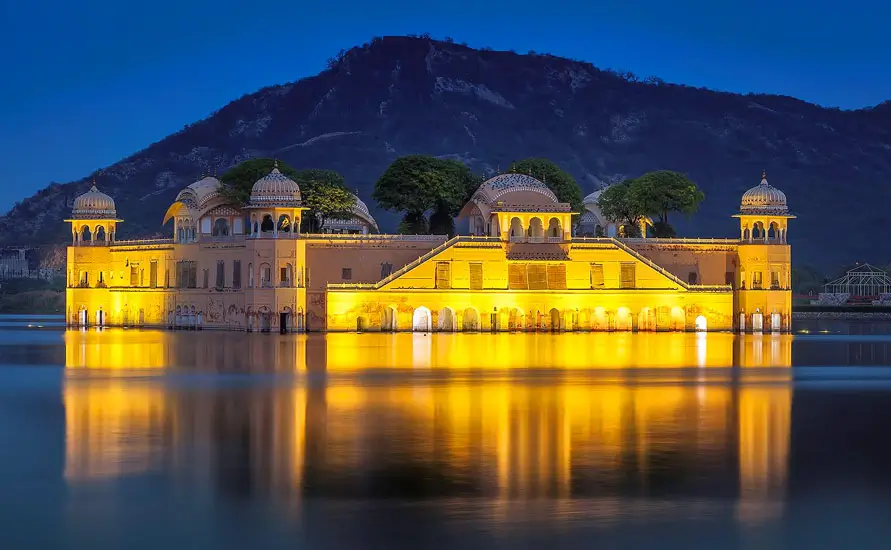
Down the slope sits Panna Meena ka Kund, an old village stepwell where diagonal flights of stairs zigzag down eight levels in a pattern photographers adore. Local villagers once gathered water and gossip here, and the cool stone gives you a sense of how desert towns planned around the monsoon. Driving south again, you stop beside Man Sagar Lake to photograph Jal Mahal, the Water Palace, its lower stories hidden underwater when the lake is full. For lunch your guide can recommend Rajasthani dishes such as dal baati churma, gatte ki sabzi or laal maas if you like your food fiery.
After lunch the old walled center awaits, the so-called Pink City, washed in terracotta for a royal British visit in 1876. The City Palace still houses the former royal family in one wing, while galleries elsewhere show royal robes, armory and two giant silver jars that held holy river water for a maharaja's voyage to London. Next door at Jantar Mantar, a UNESCO site, stand masonry instruments that Maharaja Jai Singh II built in the 1720s to track the sun and stars, among them the Samrat Yantra, a sundial that reads local time to within seconds. Finally you sip chai opposite Hawa Mahal, counting the latticed windows of its pink facade. Overnight in Jaipur.
Before you leave Rajasthan, the morning is spent in Sanganer, a printing town just south of the city and only minutes from the airport. Families here have printed cotton with carved teak blocks for generations, and in a small workshop you watch printers line up each block by eye and stamp the fabric with natural or chemical dyes, one color at a time. Visitors are handed a block and a square of cloth to have a go themselves. Sanganer is also known for handmade paper made from cotton rags, and a short visit shows how pulp is pressed, dried and dyed into sheets.
Afterwards you check in for the nonstop domestic flight, about 2.5 hours, to Bangalore, capital of Karnataka. Our southern team meets you on arrival and drives you into the city, a ride of about an hour from the airport through the tech parks and new neighborhoods of the north. Hotel check-in is usually done by five. The change of air is noticeable straight away, because the city stands some 920 m up on the Deccan and evenings are usually pleasant, with tall rain trees shading many of the older roads.
After dark your guide walks you down VV Puram Food Street in the Basavanagudi area, a short lane where stalls fry fresh dosas, akki roti and hot sweets such as jalebi and holige from early evening. It is a lively, mostly vegetarian introduction to the cooking of Karnataka, and your guide helps you order small portions so you can taste several things. On the way back you pass Vidhana Soudha, Karnataka's vast granite parliament house, where temple-style pillars and brackets meet grand colonial-looking domes. Tonight is your only night in the city, so keep the evening easy. Overnight in Bangalore.
An early visit to K.R. Market, the oldest wholesale market in Bangalore, shows you the city before office traffic starts, with heaps of marigold, jasmine and rose petals sold by weight for temple offerings and weddings. Not far off you reach the wooden retreat known as Tipu Sultan's Summer Palace, completed in 1791 and built mostly of teak, with painted pillars and arches on its upper balconies. Your guide explains how Tipu, known as the Tiger of Mysore, fought four wars against the East India Company. Breakfast done, you join the access-controlled highway to Mysore, which takes about three hours if you drive it straight.
Your first stop is Srirangapatna, a river island that was Tipu's capital until the British stormed it in 1799. Inside Daria Daulat Bagh, a teak pavilion, faded murals recall Tipu's battles, and the site of the breach in the fort walls where the final attack came. The island's namesake shrine, the Sri Ranganathaswamy Temple, honors Vishnu resting on the coils of the snake Adishesha and predates Tipu by centuries. Non-Hindus may enter the outer areas, and your guide checks the rules on the day. Your midday meal is a banana-leaf spread at a roadside eatery.
A short detour leads to Ranganathittu Bird Sanctuary; here wooded islets mid-river attract painted storks, spoonbills, cormorants and river terns in the breeding months, roughly December to August. A rowing boat takes you close to the islets, and the boatman will point out the mugger crocodiles that bask on the rocks, though wildlife can never be promised. Check-in at your Mysore hotel is around five. Should you arrive on a Sunday or holiday, roughly 97,000 bulbs switch on across the palace facade around seven and stay lit until about 7:45, and your driver can take you over after dinner. Overnight in Mysore.
Your guide starts the day on Chamundi Hill, about thirteen kilometers from town and roughly a thousand meters above sea level, where the Chamundeshwari Temple honors the protective goddess of the Wadiyar kings. Morning is cooler and the queue shorter. Halfway down the hill road you halt beside the black stone Nandi, a kneeling bull hewn in the 1600s and garlanded daily by worshippers. The view over Mysore from the hill road shows how green the city is, with the palace domes and the church spires of St. Philomena's rising above the trees. Shoulders and knees should be covered at the temple.
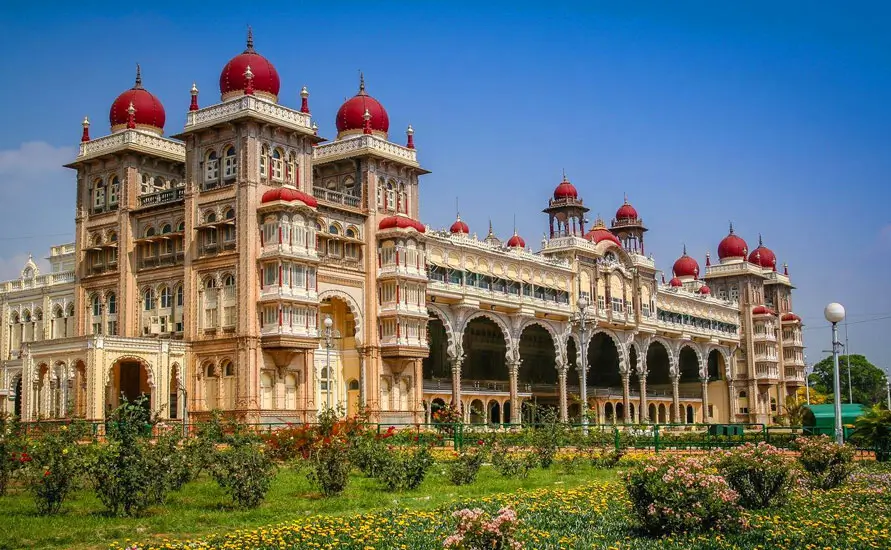
Next comes the Mysore Palace, the Wadiyar family seat rebuilt after an 1897 fire to plans by Henry Irwin and opened in 1912. Footwear goes into a cloakroom and photos are banned indoors, so your guide hands you a short wish list: the peacock motifs in the Kalyana Mantapa's glass ceiling, ivory-inlaid rosewood doorways and the long Dasara procession murals. Allow around ninety minutes in all, including a slow loop of the courtyards and the walled grounds outside, where the temples within the compound are also worth a look. The Durbar Hall, with its row of painted columns facing the parade ground, is where the royal family once received the public during festivals.
In the afternoon you walk through Devaraja Market, the old covered bazaar near the palace, where vendors stack cones of kumkum powder in red, orange and purple, string jasmine into garlands and sell Mysore betel leaves and bananas. Your guide can show you a sandalwood oil shop and a government silk outlet, both well-known Mysore products, with no obligation to buy. Close by, St. Philomena's Cathedral, a neo-Gothic church with twin spires, is worth a short look. Sunday and holiday evenings bring the palace light display, worth a return trip after dinner. Overnight in Mysore.
Today you drive about an hour east through sugarcane and paddy country to Somnathpur, a small village with one of the finest Hoysala temples in Karnataka. Somanatha, a commander serving the Hoysala court, founded the Chennakeshava Temple in 1268, setting its three shrines on a star-shaped plinth. Its outer walls are wrapped in bands of carving: elephants at the base for strength, then cavalry, curling vines and the great epics told frame by frame. Your guide points out how sculptors signed some of their panels, which is unusual in Indian temple art, and how soft soapstone allowed such fine detail.
From Somnathpur it is a short drive to Talakadu, a temple town on a bend of the Kaveri where drifting sand dunes have buried much of the old settlement. A local legend links the sand to a curse laid by a queen in the 17th century, and your guide shares the story while you walk over the dunes to temples that have been dug out by archaeologists. The Vaidyeshwara Temple, built of granite, is the best preserved. Lunch can be a picnic by the river or a simple meal at a local eatery, and families with children usually enjoy wading at the sandy riverbank in the dry months.
Back in Mysore by late afternoon, you have an hour or two free. For the evening there are two options. Option one is Brindavan Gardens, laid out beneath the Krishnaraja Sagar dam, about twenty kilometers north of the city, where terraced lawns and a lit fountain show draw crowds after dark; check with us whether the fountain show is running on your dates. Option two is simply dinner and sleep before the hill road tomorrow. Mysore is famous among yoga students for its Ashtanga schools, and a beginner class tomorrow at dawn can be booked. Overnight in Mysore.
Today the Deccan gives way to the Nilgiri Hills, rising south of Mysore. The road runs through Bandipur National Park in Karnataka and then into Mudumalai in Tamil Nadu, a protected forest corridor shared with Wayanad that holds elephants, gaur, spotted deer and the occasional tiger. Vehicles may not stop or leave the road inside the park, and traffic is banned at night, so your driver plans to clear the forest in daylight. Many travelers spot deer and langur monkeys close to the road, while larger animals are a matter of luck and cannot be guaranteed.
Beyond Masinagudi the road climbs the steep Kalhatti ghat, a section with thirty-six hairpin bends where the air cools quickly and the dry forest gives way to grassland and eucalyptus. Your driver may choose the longer but gentler road through Gudalur instead, depending on weather and how anyone in the car handles winding roads. Either way, you stop at a viewpoint to look back over the plains you have just left. By early afternoon you reach Ooty, officially Udhagamandalam, at around 2,240 meters, and check in to a hotel or a colonial-era bungalow with fireplaces.
The rest of the afternoon is easy. A gentle stroll follows around Ooty Lake, dammed in 1824 on the orders of Coimbatore's British administrator, John Sullivan, and you can rent a rowing or pedal boat if you wish. The lakeside also has a small miniature railway for children. Before dinner, a stop at a local bakery for homemade chocolate and flaky varkey biscuits is an Ooty ritual for many Indian families. Winter nights from November through February turn chilly, so a fleece plus a windproof top is wise. Overnight in Ooty.
Today's Ooty hill station tour opens in the Government Botanical Garden, planted in 1848 on the lower flanks of Doddabetta and still kept in neat Victorian terraces. Among its sights are a fossil log said to be ancient, an Italian-style sunken garden, glasshouses full of ferns and orchids and a lawn where the hill station's flower show is held each May. Nearby, the Rose Garden holds thousands of varieties planted on terraced beds, which bloom best in late spring and again in autumn. Both are favorites with Indian honeymooners, so expect selfies.
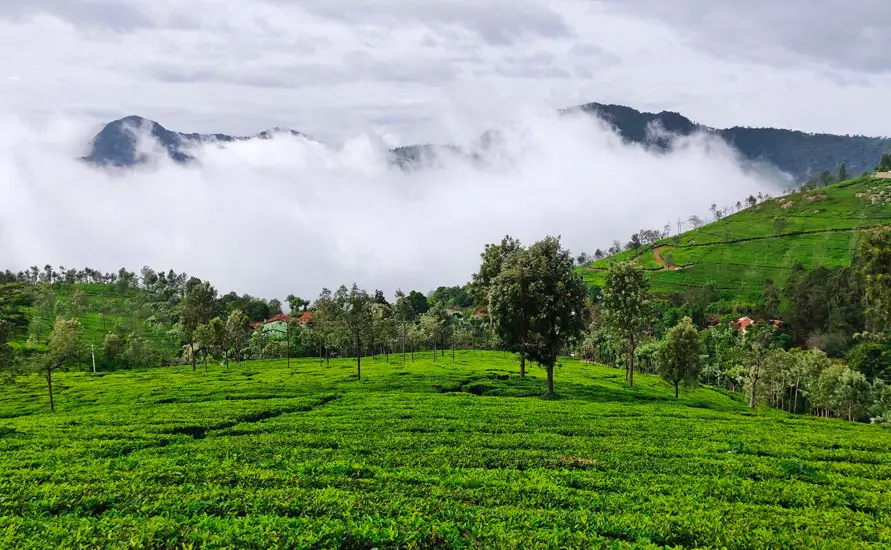
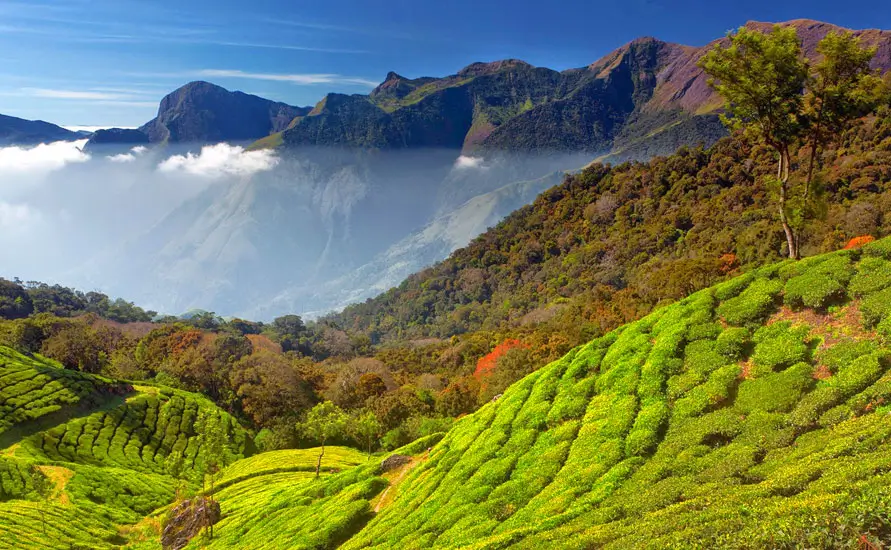
A short drive then climbs Doddabetta Peak, the Nilgiris' summit at 2,637 m, where a viewing tower looks over rolling tea estates and, on clear days, down to the plains of Coimbatore. Clouds can roll in within minutes, so mornings give the best chance of a view. On the way back you visit a tea factory, where staff walk you through withering troughs, rolling machines and dryers before they become the strong Nilgiri tea served across South India. At the counter you sample several brews side by side, from brisk black to delicate green, and light vacuum packs travel well in a suitcase.
The afternoon is free for a slow walk or a nap. If you are curious about the people who lived here long before the British, your guide can arrange a respectful visit to a Toda settlement, known as a mund, known for half-barrel huts, buffalo herding and red-and-black embroidery. Visits are kept short and low-key, and we work with a local contact rather than turning up unannounced. Alternatively, wander up to St. Stephen's Church, whose roof beams, local history says, were carried up from Tipu's fallen capital, which neatly links back to your stop on Day 7. Overnight in Ooty.
This morning you board the Nilgiri toy train at Ooty's little station and head downhill to Coonoor, a scenic stretch of the Nilgiri Mountain Railway that UNESCO lists alongside the Darjeeling and Kalka-Shimla lines. The blue and cream carriages roll past potato fields, tea gardens and pine forest, halting at Lovedale and Wellington, and you reach Coonoor in roughly ninety minutes. Seats are limited and tickets are booked well ahead, so we request them the day your booking is final. Your driver takes the car down by road and waits at Coonoor station.
Coonoor sits a little lower than Ooty and feels quieter, with more tea and fewer crowds. Sim's Park comes first, a sloping botanical garden from the 1870s planted with trees from Australia, Japan and Europe and set around a small lake. Further on, Dolphin's Nose juts out as a rock ledge over a plunging valley, from where you can see Catherine Falls on the opposite slope after good rain. On the way, Lamb's Rock offers another sweeping view over the plains and coffee plantations far below. Lunch can be at a heritage club building or a small café in town.
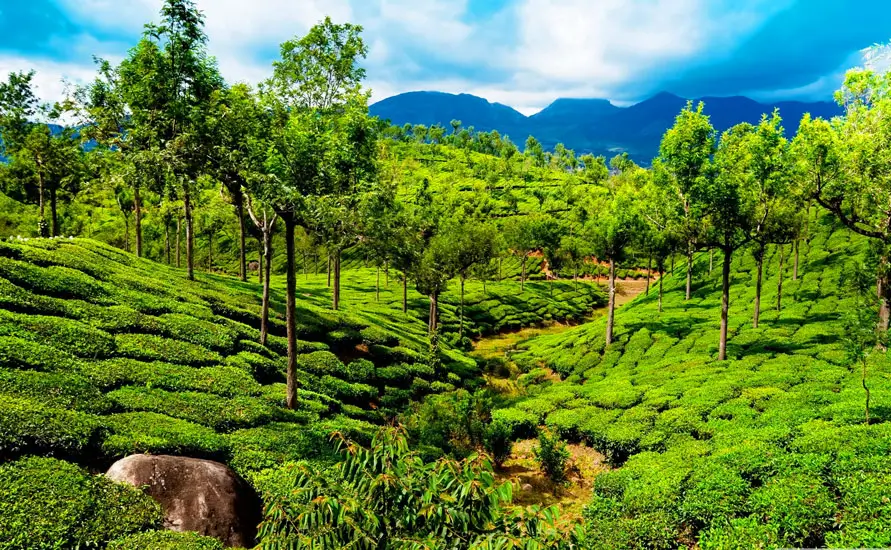
In the afternoon you stop at a tea estate for a walk between the rows of bushes and a chat with the pluckers, who still work mostly by hand on these steep slopes. Your guide can explain why high-grown Nilgiri tea has a lighter, fruitier taste than Assam tea and how small growers sell their leaves to cooperative factories. You drive back up to Ooty, about forty-five minutes, for your final evening up here. It is your farewell dinner, and many guests choose a hotel with a log fire and a Nilgiri-style meal of local vegetables and mutton curry. Overnight in Ooty.
One more pot of Nilgiri tea, then checkout and the start of the descent to the plains. The road drops through Coonoor and down a series of hairpin bends to Mettupalayam, where warm, damp air greets you and banana and areca palm plantations replace the tea bushes. From there it is an easy hour to Coimbatore International Airport. Departure is timed backwards from your flight, leaving extra time for fog on the upper road in winter or traffic near the city, and helps you with your bags at the terminal entrance.
Coimbatore has direct flights to Delhi, Mumbai, Bangalore and Chennai, plus international links to the Gulf and Singapore, so connecting home is straightforward. For a late flight, a day room in town can be booked or a visit to a local silk or textile showroom, since Coimbatore is a major textile hub. Over thirteen days you have seen Mughal gardens, Rajput forts, the palace city of Mysore and the tea-covered Nilgiris, a combination few trips manage. Kerala's backwaters or the temple cities of Tamil Nadu would make a fine second chapter whenever you come back. Safe travels home.
Your Journey
N.S. Rathore & Mrs. Omlata Rathore · Managing Director
We still read every enquiry ourselves. Tell us the places you liked and our planners will send a day-by-day route with drive times and a clear price.
Every package can be customised and no pressure to book. A planner from our office replies within 24 hours with a route written for your group.
Fill this in and your planner will send a first draft itinerary.
Explore more
Kerala Backwaters Escape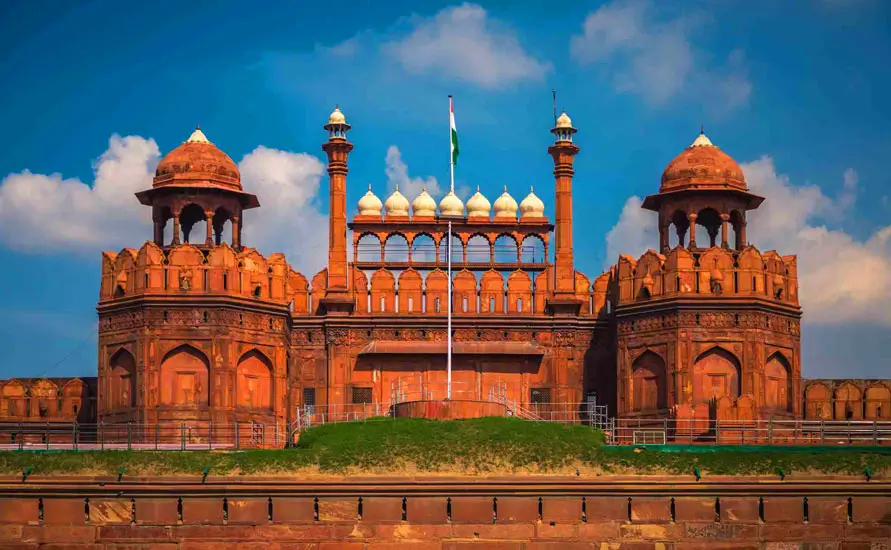 Kerala Backwaters Escape
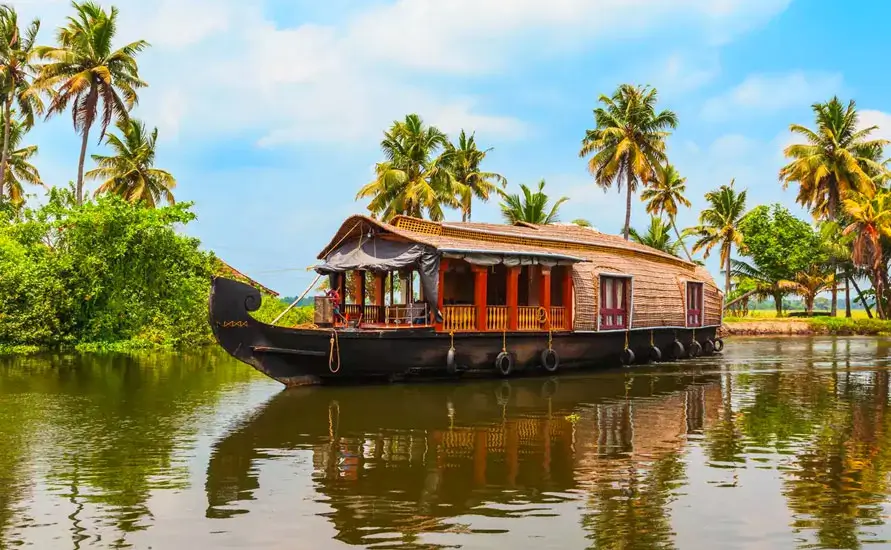 Kerala Backwaters Escape
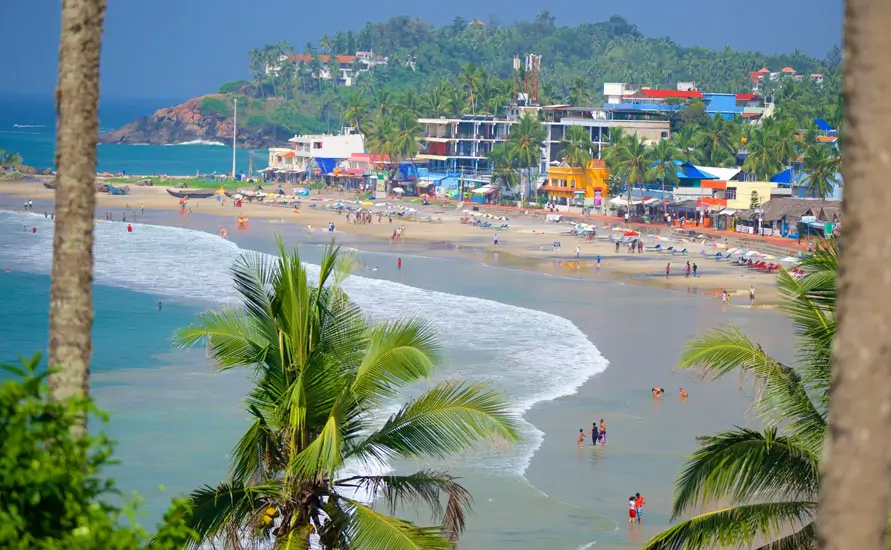 Kerala Backwaters Escape
 Kerala Backwaters Escape
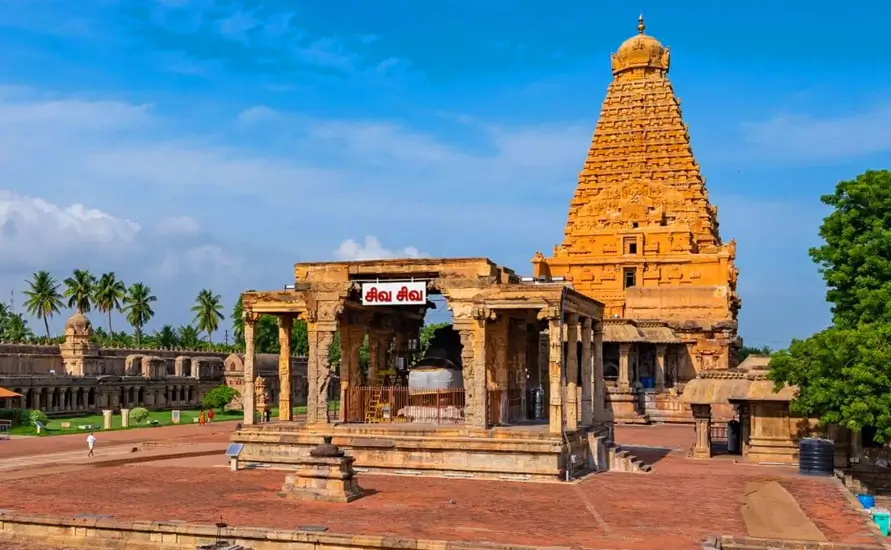 Kerala Backwaters Escape
 Kerala Backwaters Escape
 Kerala Backwaters Escape
 Kerala Backwaters Escape
 Kerala Backwaters Escape
 Kerala Backwaters Escape
 Kerala Backwaters Escape
 Kerala Backwaters Escape
 Kerala Backwaters Escape
 Kerala Backwaters Escape
 Kerala Backwaters Escape
 Kerala Backwaters Escape
 Kerala Backwaters Escape
 Kerala Backwaters Escape
 Kerala Backwaters Escape