

 Kerala Backwaters Escape

South India Tour with Rajasthan
Delhi – Jaipur – Jodhpur – Udaipur – Kochi – Munnar – Alleppey
At a glance
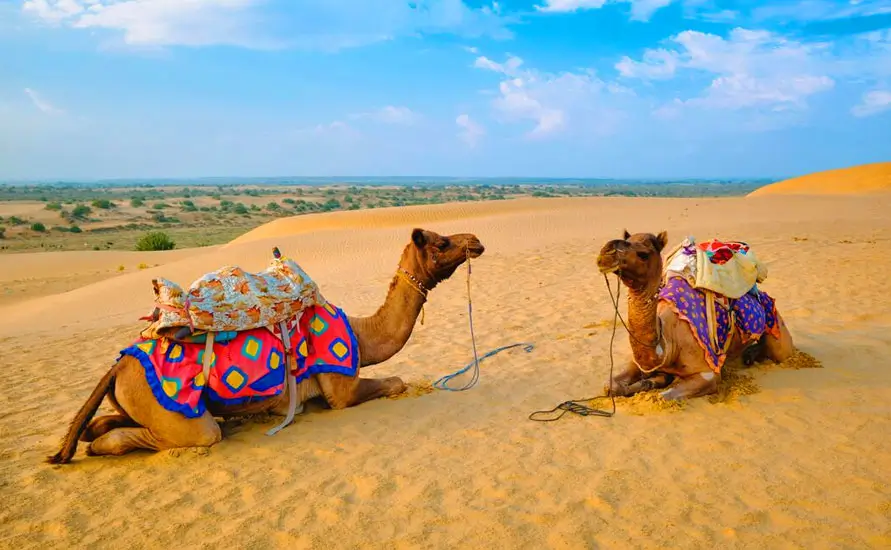
Sand and sun on one side of India, rain-fed green on the other: our Rajasthan and Kerala Tour is built around that contrast. You start in Delhi, then follow the old princely road through Jaipur, Jodhpur and lakeside Udaipur, where camels share the highway with trucks and every hilltop seems to carry a fort. Midway, a flight takes you to the Malabar Coast, and the second half moves at the pace of water and tea, from the spice port of Kochi to the plantations of Munnar and a private houseboat night near Alleppey.
Fifteen days gives each stop room to breathe. Nights come in pairs in Delhi, Jaipur, Jodhpur, Udaipur, Kochi and Munnar, so packing up is rare, and the road legs stay between four and six hours with tea breaks built in. On the Jodhpur to Udaipur day we pause at Ranakpur, whose marble Jain shrine, splits the drive neatly in two. In Kerala, the final evening on the backwaters is spent on board with a cook and captain, a calm finish to a busy Rajasthan and Kerala Tour.
First-time visitors from the United States, Canada, the UK, Europe and Australia like this route because it shows two Indias that rarely appear in the same trip, while NRI families use it to give children born abroad a sense of both the desert north and the coconut-lined south. Everything runs privately with your own car, driver and city guides, and hotels range from restored havelis to tea-estate bungalows. October to March suits this north and south India tour best, with cool desert nights and dry, clear weather in the Kerala hills.
Delhi airport is huge, and the walk from the aircraft door to the exit can be long, so wear comfortable shoes for the flight. Past customs, a member of our team holds up a small sign printed with your surname and walks you to the car park, where your chauffeur stows the cases in the boot of a chilled sedan or van. On the road into the city you receive a paper copy of the full plan, emergency numbers and a few tips on currency, tipping and dress, so nothing about the coming days feels uncertain.
Hotels in Delhi typically hand over keys around two in the afternoon, and anyone landing before sunrise can ask us to pre-book the room the evening before, at extra cost. Once you have slept and showered, an easy outing to Lodhi Garden helps reset the body clock. The park is a favorite with Delhi joggers and dog walkers, and among its lawns stand domed mausoleums of Muhammad Shah Sayyid and Sikandar Lodi, rulers of the 1400s and early 1500s, older than anything the Mughals built in the city. Sunlight at this hour turns the stone a warm honey color.
Barely ten minutes away, the neighborhood of Khan Market is full of bookshops, cafés and small boutiques, and many visitors pick up a light cotton kurta here for the trip ahead. At dinnertime, ask the driver about a well-known kebab house or a South Indian vegetarian restaurant, which gives you an early taste of the food you will eat in Kerala at the end of the trip. Try to stay up until at least nine so that your sleep pattern shifts quickly to Indian time, which is five and a half hours ahead of London. Overnight in Delhi.
Shah Jahan's walled city wakes up slowly, and by arriving around nine you see shop shutters rattling open and chai sellers lighting their stoves. A cycle rickshaw carries you down narrow Chandni Chowk lanes where electric wires hang in thick bundles overhead and shops have sold the same goods for generations. Your guide steers you to a tiny sweet shop for jalebi fresh from the pan, then to the steps of the Jama Masjid, raised in striped red stone and marble in the 1650s. Remember that the Red Fort, just down the road, closes every Monday, so we plan its visit around that.
Leaving the old town behind, the car crosses to Connaught Place, the white colonnaded circle laid out in the 1930s. Hidden in a side street nearby is Agrasen ki Baoli, a medieval stepwell of over a hundred worn stone steps that drop toward a dry pool in shadow. Pigeons nest in its arched niches, and the temperature falls noticeably as you walk down. Your guide explains how such wells stored monsoon water for the long dry season, an idea that turns up later in Jaipur and Jodhpur, where the desert made water management a matter of survival.
After lunch, the drive south leads to the Qutub Minar complex, a UNESCO site where Qutb ud-Din Aibak laid the base of the 73-meter minaret around 1199 and finished by his successors. Bands of Arabic calligraphy and Quranic verses circle each balcony, and the remains of the first mosque built in Delhi lie at its base, assembled partly from pillars salvaged from demolished temples. On the way back, if time allows, you can pass the white lotus-shaped Baha'i House of Worship, lit softly at dusk. Evening plans are up to you. Overnight in Delhi.
Rajasthan begins about three hours out of Delhi, once the expressway leaves behind the industrial towns of Haryana and the Aravalli hills rise on both sides. With an early start, you reach Jaipur in time for a late lunch. On the way the scenery is a running lesson in rural life: camel carts loaded with fodder, tractors with loud speakers playing film songs, women walking with brass water pots and trucks painted with slogans and peacocks. Ask your driver about the "Horn OK Please" sign written on almost every truck, a phrase with several competing explanations.
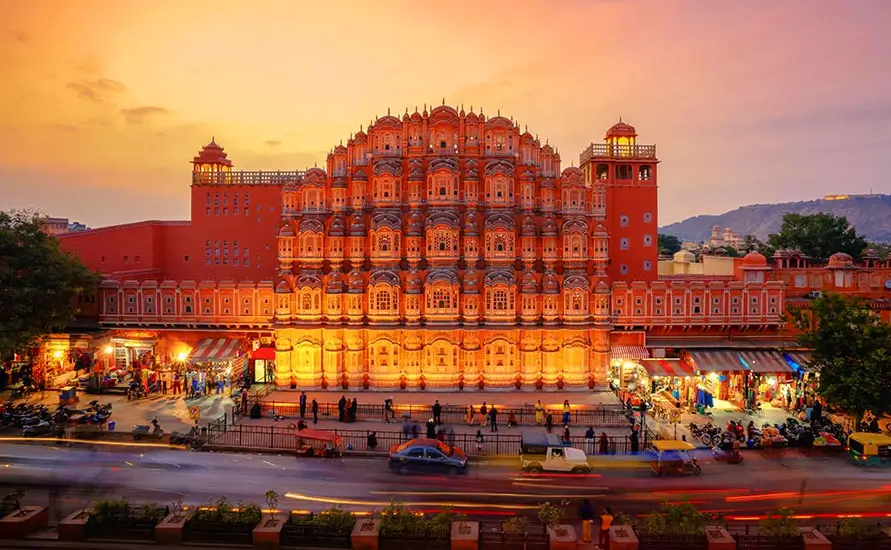
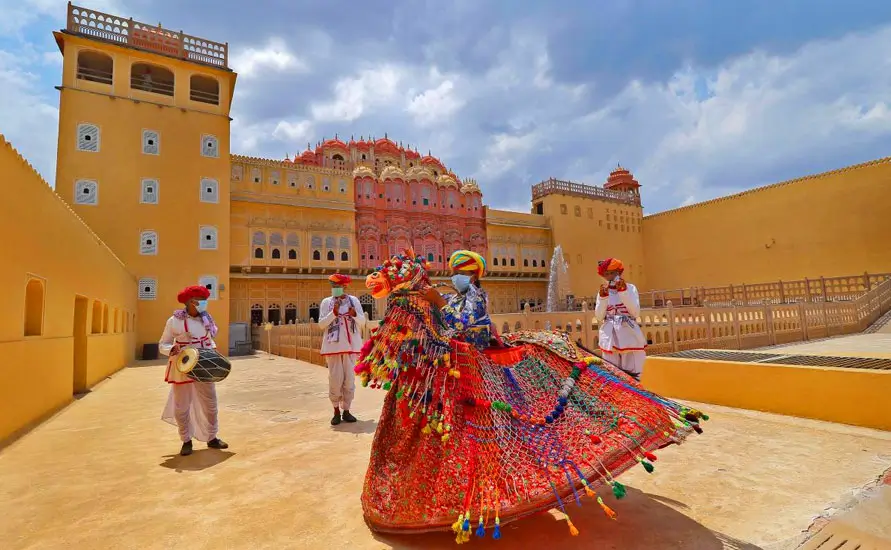
After check-in and a short rest, the first walk in the Pink City takes you into the arcaded bazaars of Bapu Bazaar and Johari Bazaar, where cloth merchants unroll bolts of tie-dye and jewelers sit cross-legged on white mattresses. The lanes follow the original grid laid out in the 1720s, and each market was planned for a particular trade, a system that still mostly holds. Across from the jewelers rises the honeycomb front of the Hawa Mahal, built in 1799 with 953 small windows so that royal women could watch processions without being seen.
Toward sunset, stop for a cup of masala chai on one of the rooftop cafés facing the Hawa Mahal, where the pink facade catches the last light and the call to prayer from nearby mosques mixes with temple bells. Dinner tonight might be laal maas, a fiery Rajput mutton curry with red chilies, or a gentler vegetarian thali if spicy food is not your style. Our guide will meet you again early tomorrow, because the climb to Amber Fort is far more pleasant before the crowds and the heat arrive later in the morning. Overnight in Jaipur.
Rising above the narrow valley of Amer, Amber Fort served Kachwaha kings as capital for centuries before Jaipur existed. A jeep grinds up the cobbled approach to the Suraj Pol, though some guests choose to walk the ramp, which takes around fifteen minutes at a gentle pace. Inside, the public audience hall stands on paired pillars, the Ganesh Pol is covered in delicate frescoes, and the private Sukh Niwas was cooled by water channels running through its walls. From the ramparts the fort walls run along the ridge for kilometers, linking Amber to the older Jaigarh Fort above.
Just below the fort, the village of Amer holds Panna Meena ka Kund, a stepwell whose zigzag flights of stairs cover all four walls like a woven pattern. Photographers love it, and early in the day the light makes the patterns sharp. Visitors are no longer allowed to walk down the steps, yet the rim gives a fine view of the whole design. Lunch follows in the old town, perhaps a famous kachori stall or a quiet courtyard restaurant, before you head to the City Palace, where the Mubarak Mahal displays royal costumes and shawls.
Steps from the palace, the Jantar Mantar observatory is a strange garden of giant geometric shapes in stone, each built to measure time, track the sun or predict eclipses. Your guide shows you the zodiac instruments, one for each sign, and explains how Jai Singh II checked his readings against European and Persian tables of the day. Later there is time for a family workshop where artisans cut and polish colored stones, or simply return to the hotel to rest. For an evening out, the village-theme restaurants on the edge of town serve Rajasthani food with folk music. Overnight in Jaipur.
West of Jaipur the highway passes Kishangarh, a center of marble trading where huge white blocks stand stacked by the road, and the dramatic hill fort of Ajmer is visible on the horizon. Around midday, your driver chooses a dhaba with shaded seating, and the lunch menu will likely include dal, crisp roti, fresh onion salad and sweet lassi in a clay cup. The land west of Ajmer is the edge of the Thar Desert, with thorn scrub, sand dunes in small patches and villages with round mud huts. The drive is long, so pack a book or download a few podcasts.
The blue city of Jodhpur comes into view as a wall of indigo houses below the cliff of Mehrangarh. Founded in 1459 by Rao Jodha of the Rathore dynasty, it grew rich on caravans carrying opium, copper, silk and dates between Delhi and the ports of Gujarat. You check in at your hotel in the middle of the afternoon. Many guests choose a haveli guesthouse inside the old town, where rooftop terraces look straight at the fort and peacocks often walk across the walls in the early evening, or a modern hotel in the newer part of town.
As the heat eases, a guide leads you to the Toorji ka Jhalra, a stepwell from the 1740s that had filled with rubbish over the years and was cleaned and restored about a decade ago. Its warm rose-colored sandstone steps descend in deep tiers to green water, and the cafés around it make it a lively meeting spot for young Jodhpuris. From here a short walk brings you to the clock tower bazaar at Sardar Market, where you can buy saffron, henna and bandhani fabric, and taste a mirchi bada, the local stuffed chili fritter. Overnight in Jodhpur.
A steep road brings you to the base of Mehrangarh Fort, which looks less like a building than part of the cliff itself. Seven gates guard the climb, and at the Loha Pol you can see small handprints carved into the wall, left by queens before they died on their husbands' funeral pyres, a sad custom long since banned. Inside, museum galleries show elephant howdahs in silver and gold, ornate palanquins, miniature paintings and a beautiful collection of turbans. Musicians sometimes play near the entrance, and a lift is available for guests who find the slope difficult.
The palace rooms higher up are the real highlight. The Sheesh Mahal is set with small mirrors, the Takhat Vilas is painted with dancing women and European figures, and the Phool Mahal is gilded with gold leaf. Afterwards, your car takes you down the hill to Jaswant Thada, a royal memorial whose marble is so thin in places that it glows in the morning sun. A tiny lake in front reflects the domes, and you may hear local musicians playing the ravanhatta, a bowed string instrument from the region. Lunch is in a garden café back in the city.
The afternoon is free to walk the indigo lanes of Brahmpuri with your guide, following stepped streets just wide enough for a scooter, where women dry red chilies on rooftops and children play cricket in tiny squares. Theories differ about why the houses are blue, from caste markers to a belief that the color repels insects, and your guide will share the local view. If you prefer something calmer, the gardens of Mandore, the older capital of Marwar, lie about 9 km north with temple-like cenotaphs of Rathore rulers. Overnight in Jodhpur.
Leaving Jodhpur after breakfast, the road enters the Aravalli hills, and the desert gives way to small farms, mango trees and forests where langur monkeys sit on milestones. Halfway, you reach the Ranakpur Jain Temple, a 15th-century complex built for Adinath, first of the 24 Jain tirthankaras. Non-Jain visitors are usually admitted from around noon, after morning worship, so the drive is timed to arrive then. Leather belts, shoes and bags must be left outside, and shorts are not allowed, so wear trousers or long skirts and carry socks for the hot marble floor.
Inside, the temple feels like a forest of white marble. It has 1,444 carved columns, and the tradition is that no two are alike; one of them is even slightly tilted, a deliberate flaw added by the builders. Light filters in from openings high above, falling on domes covered in dancing figures and a famous marble panel of Parshvanatha sheltered by a serpent with a thousand heads. A temple priest may offer a short blessing. After lunch at a simple restaurant nearby, the road climbs and winds through hill country for the final two hours to Udaipur.
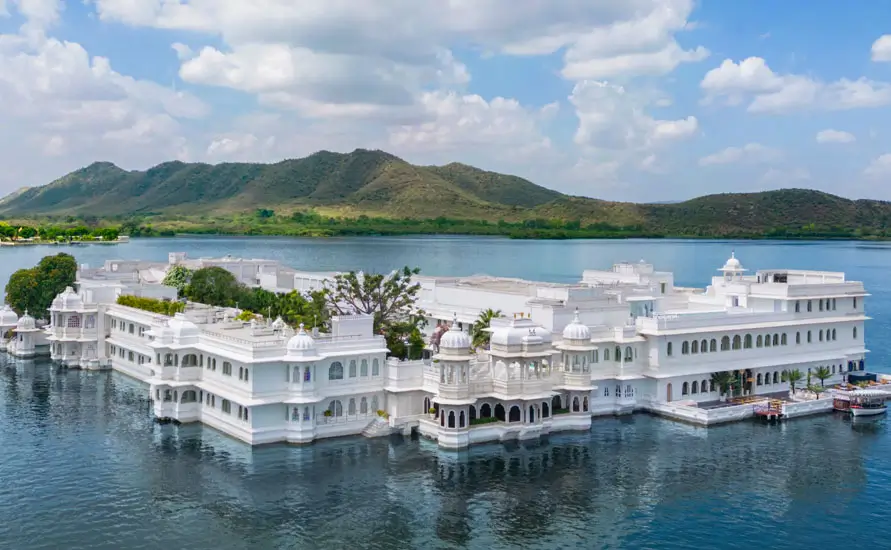
Maharana Udai Singh II chose this lakeshore for a new capital in 1559, and, Udaipur remains the home of the Mewar dynasty, who claim one of the longest unbroken royal lines in the world. Expect to reach the hotel early in the evening, ideally near Lake Pichola so you can wake up to the water. As darkness falls, the City Palace lights up along the eastern shore and the white palace hotel in the middle of the lake glows like a lantern. Dinner on a lakeside rooftop is the classic way to end this long day. Overnight in Udaipur.
Built over four centuries by successive maharanas, the City Palace of Udaipur ranks among the biggest royal complexes in Rajasthan, stretching along the shore of Lake Pichola for more than 200 meters. You enter through the Badi Pol, and your guide leads you through courtyards with peacock mosaics in colored glass, chambers faced with blue-and-white Chinese and Dutch tiles, and galleries of Mewar paintings showing hunting parties and festivals. A small museum also tells the story of Maharana Pratap, the 16th-century hero who refused to submit to the Mughal emperor Akbar.
Just outside the palace gate stands the Jagdish Temple, a Vishnu shrine from 1651 approached up a tall stairway guarded by stone elephants. Its walls are covered in carvings of musicians, dancers and gods, and the evening prayers draw large groups of local families. Later, a motor boat takes you out onto Lake Pichola for an hour's ride, passing bathing ghats, washing steps and the white palace in the middle of the water before stopping at Jag Mandir, a 17th-century island retreat that, by local account, gave shelter to the rebel Prince Khurram, later crowned as Shah Jahan, during his revolt against his father.
In the early evening you walk to Bagore ki Haveli, a mansion of the 1750s on Gangaur Ghat that has become a cultural center. Its nightly folk show lasts about an hour and features Rajasthani dances, including a performer balancing a tower of pots while she dances and a lively puppet show with string puppets. Seats fill quickly, so your guide reaches early to save good places. Afterwards, wander back over the small footbridge to the old city, where restaurants on rooftops look out over the lit-up ghats and serve dinner by candlelight. Overnight in Udaipur.
Before leaving Rajasthan, a quiet hour in Saheliyon ki Bari, planted for a princess and her ladies-in-waiting, makes a gentle farewell. Built in the 18th century for royal ladies, it is full of marble elephants, lotus pools and fountains that still run on water pressure from the lake above, without pumps. Your driver then takes you to Udaipur airport, about 25 km out of town, for the flight to Kochi, normally with a change of planes at one of the big hubs. We pick flights that keep the total travel time reasonable.
Landing in Kerala, you are greeted by our Kochi team with a smile and a bottle of water, and the change in air is immediate: humid, warm and smelling of rain and coconut oil. Fort Kochi is roughly ninety minutes from the airport by road, through suburbs filled with churches, temples and banana stalls. Depending on your arrival time, you may have the evening free to stroll along the waterfront and try a fresh lime soda or a Kerala-style fish fry. Overnight in Kochi.
Kochi was a busy port long before Europeans came, trading pepper with Arabs, Chinese and Jewish merchants, and a morning on foot with a local historian traces those layers street by street. You begin near the beach, where the massive Chinese fishing nets are hauled up at sunrise and fishermen lay out the morning catch for the fish market nearby. From there you walk to St. Francis Church, whose simple white facade hides a long history: Vasco da Gama was buried here for fourteen years, after which his son had the bones carried home. Dutch tombstones and old wooden punkah fans remain inside.
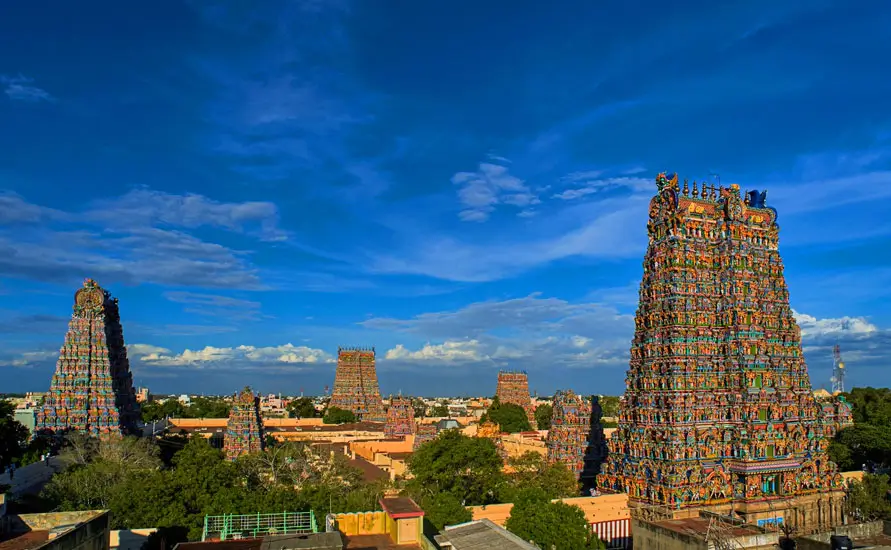
In Mattancherry, the Dutch Palace keeps murals of epic battles and divine weddings painted with earth pigments and vegetable dyes, and portraits of the Rajas of Kochi in the coronation hall. A short walk leads into Jew Town and the Paradesi Synagogue from 1568, whose blue willow-pattern floor tiles came from Canton. Friday is the palace's weekly holiday, and the synagogue is locked on Shabbat plus Jewish holy days as well; if the dates clash, we simply move these two visits to the evening of arrival or the next morning.
After lunch, wander between antique dealers and old pepper storehouses in Jew Town, buying black pepper, cardamom and cinnamon straight from the warehouses. Later, in a compact Fort Kochi playhouse, you watch Kathakali dancers prepare their faces with paste made from rice flour and lime, building out the white ridges along the jaw that frame the green face of a hero. The performance that follows, accompanied by drums and singing, uses eye movements and hand gestures to tell a story from the epics, and a short introduction explains the main signs. Overnight in Kochi.
Climbing from sea level to about 1,600 meters, the road to Munnar is one of the most scenic drives in Kerala. For the first hour, latex-tapped rubber trees and pineapple fields line the road, which then begins its long switchback climb into the Western Ghats through forests of teak and bamboo. A photo stop comes at the Cheeyappara and Valara waterfalls, white ribbons of water pouring off the rocks right next to the highway, with the heaviest flow from late summer to early winter. Small stalls sell roasted corn and spiced tea, and monkeys gather near the stalls hoping for snacks, so keep your biscuits hidden.
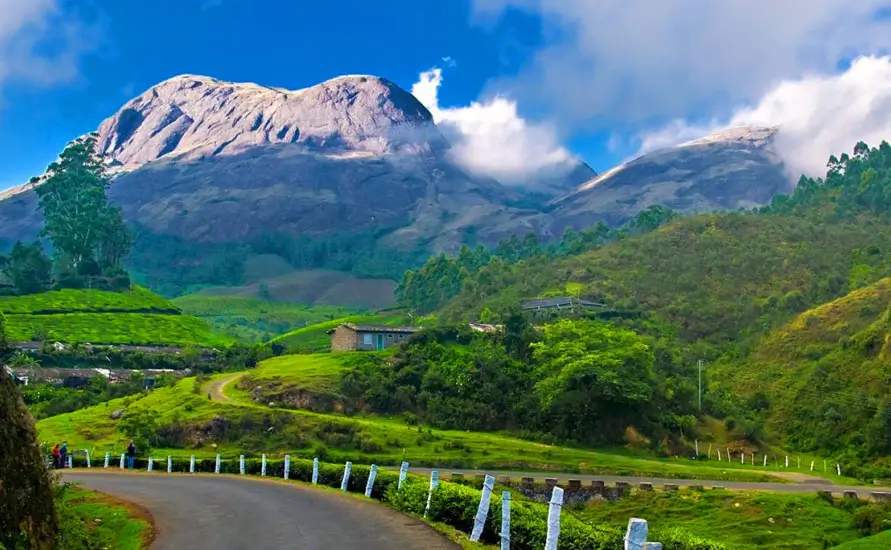
Spice gardens on the way to Munnar make a good stop for lunch and a short walk. A farmer shows you how pepper vines climb the trunks of shade trees, how green cardamom capsules form along trailing stems near the ground, and why vanilla flowers must be pollinated by hand. Spices can be bought straight from the grower, often at better prices than in town. As you gain altitude, the forest gives way to tea, and the hills become a sea of neatly trimmed bushes with the pickers' paths running across them like contour lines.
You reach your hotel in Munnar in the middle of the afternoon. Many hotels here sit on hillsides with wide views of the tea estates, and the temperature in the evening often falls to around 15°C in winter, so a light jacket is useful. Use the remaining hours for a walk on a quiet estate road, where you might pass women carrying sacks of tea leaves and children walking home from school in uniform. Dinner can include Kerala dishes like appam with vegetable stew or a spicy chicken fry from the hill-station kitchens. Overnight in Munnar.
Leave the hotel by eight for Eravikulam National Park, where the largest surviving herd of the endangered Nilgiri tahr lives, a sure-footed mountain goat that grazes on the rolling grasslands under Anamudi, the 2,695-meter peak that tops every other summit in peninsular India. Your car parks at the entry point, while park-run minibuses shuttle everyone to the Rajamala sector, where a tarmac walkway lets you look across misty slopes. Each year the park closes to visitors for a stretch in February and March for the kidding season, and animal sightings are never guaranteed, though the scenery alone makes the trip worthwhile.
Afterwards, Nallathanni estate's KDHP Tea Museum shows how the tea industry began in Munnar in the 1880s under Scottish planters. Old rollers and photos fill the rooms, and a documentary screening recounts the growth of the estates and the workers who came from Tamil Nadu to pick leaves. Inside the working factory section, you follow the leaf as it passes through withering troughs, rolling machines, oxidation beds and hot-air dryers, then sample several grades at the tasting counter. Mondays are normally its day off, which we factor into the order of visits.
In the afternoon, the road toward Top Station leads to the Mattupetty Dam, where a lake surrounded by eucalyptus forest offers boat rides, and then to Echo Point, where shouting across the water brings back your own voice. The Kundala lake further on has pedal boats and small rowing boats, and cows from the Indo-Swiss dairy farm graze nearby. Return to your hotel by evening for a warm meal and an early night, since tomorrow you travel down to the coast. If you like, ask the hotel to arrange a bonfire on the lawn. Overnight in Munnar.
The drive down from the hills to the backwater district of Alleppey takes most of the morning, descending through cardamom forests and rubber estates to the flat rice country of Kuttanad. Your driver stops for coffee in one of the small towns on the way, and the route passes many churches, a sign of the large Syrian Christian community of central Kerala. Once you reach the coast, the air becomes warmer and heavier, and coconut palms crowd every bank and canal edge. A Kerala lunch is waiting when you check in at your resort on the lake shore, after which the staff show you to a room looking over the water.
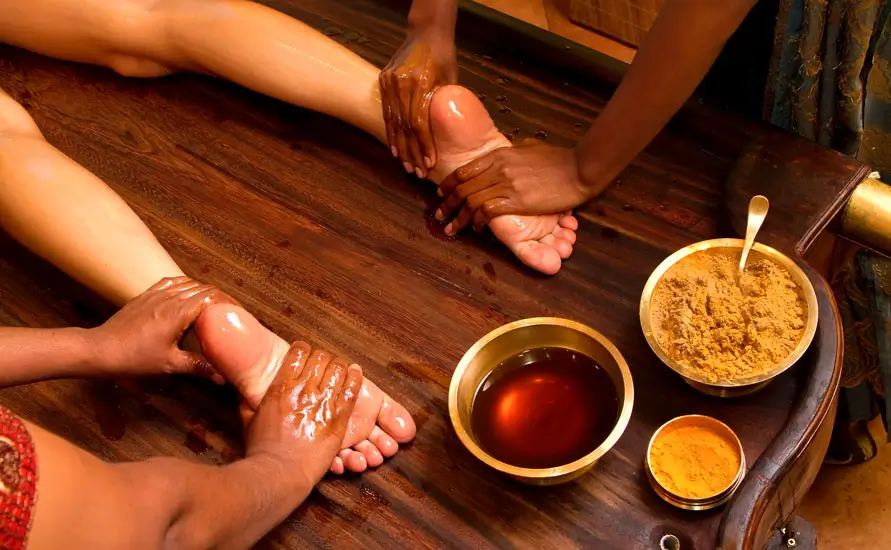
Spend the afternoon by the pool, swinging gently in a palm-shaded hammock, or booked in for an optional Ayurvedic oil massage, an easy way to recover from two weeks of travel. Should you want a look at the town, your driver can take you to Alappuzha beach, where a long pier stretches into the sea and an old lighthouse stands nearby. Lord Curzon is said to have nicknamed Alappuzha the Venice of the East because of its many canals, and the town center still has old warehouses where coir, the fiber from coconut husks, was turned into mats and rope.
As the sun sets, many resorts in this area offer a short sunset cruise on the lake, where men in dugouts fling round nets onto the water and white egrets fly home to roost. Dinner might be a red Kuttanad fish curry soured with kodampuli, the smoked fruit of the Malabar tamarind, served with red rice and coconut chutney. As the houseboat is tomorrow, this is a good night after dinner and a slow walk in the resort garden to sort out a small overnight bag, leaving the larger suitcases in the car. Overnight in Alleppey.
Before the houseboat, a different view of the backwaters awaits. A small wooden canoe paddled by a local boatman slips into canals far too narrow for the big houseboats, passing back gardens, tiny chapels and kitchen doors that open straight onto the water. Children shout hello from the banks, a grandmother rinses rice at her doorstep, and a man in a mundu might row past with a load of coconuts. The ride lasts about two hours, and the silence of a boat without an engine makes it one of the most memorable moments of the trip.
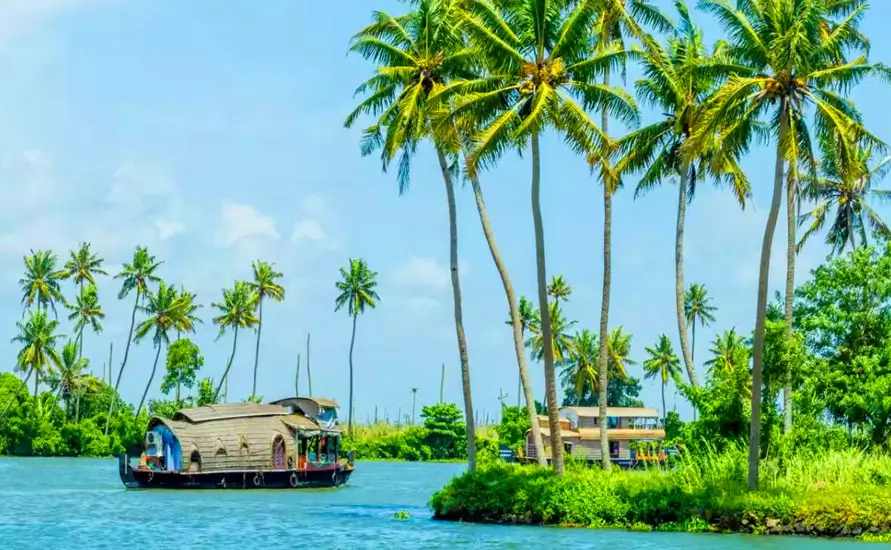
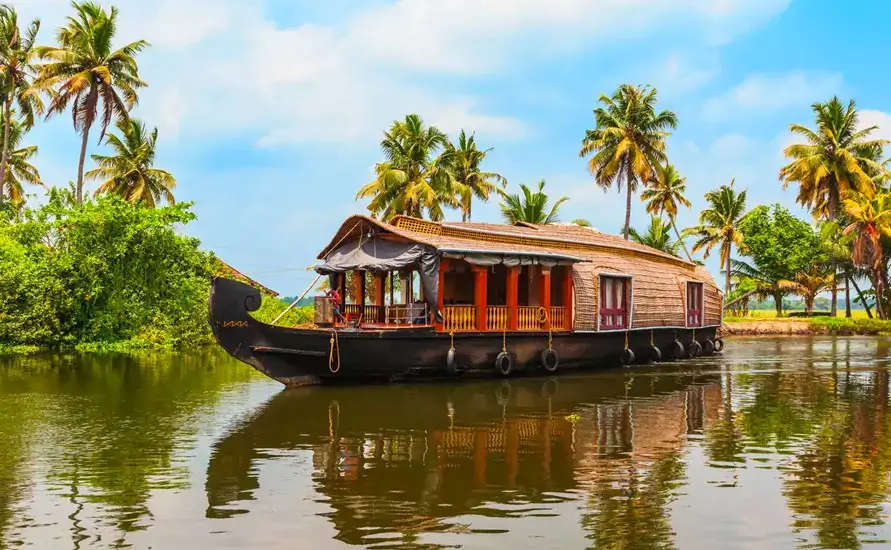
Around noon you board your private Alleppey houseboat, a modern version of the old rice barges, with air-conditioned cabins, a private toilet and a shaded open deck at the bow. Soon after casting off, the cook sets out lunch: matta rice, a curry of the day, avial or thoran with grated coconut, pickles and a crisp poppadom. The boat crosses a corner of Vembanad Lake, India's longest lake, and then slips into channels where rice fields sit lower than the canal water, held back by earth bunds. Herons and kingfishers fish along the edges.
Houseboats must stop cruising before dark under local rules, so before sunset the captain moors beside a palm-fringed bank. Hop ashore with a crew member to stroll the paddy bunds, or stay aboard with tea and pazhampori, the sweet banana fritters, while the sky turns pink. Dinner is cooked by the onboard chef, who can make the food mild, vegetarian or extra spicy on request. Cabins have screened windows and air-conditioning, though on many boats the generator powers the AC only from evening until early morning, so ask the crew about the timings. Overnight on the houseboat.
Breakfast on the deck comes with a last view of the backwaters in the morning mist, and the captain brings you back to the landing at around nine. The car then heads north for about two hours to Cochin International Airport, and we leave enough margin for a three-hour check-in window on long-haul flights. Travelers on a midnight departure can rest in a short-stay hotel room close to the airport, or extend the holiday with a night on the sand at Marari for an added charge.
Two weeks ago you stood on desert ramparts; now you leave from a coast of rice fields, spice shops and quiet canals. That contrast is the reason this route works so well for first-time visitors and returning NRIs alike. If you want to come back to India for Tamil Nadu temples, Goa or the wildlife parks of Karnataka, our team will happily build the next route with you. Have a safe flight home.
Your Journey

N.S. Rathore & Mrs. Omlata Rathore · Managing Director
We still read every enquiry ourselves. Tell us the places you liked and our planners will send a day-by-day route with drive times and a clear price.
Every package can be customised and no pressure to book. A planner from our office replies within 24 hours with a route written for your group.
Fill this in and your planner will send a first draft itinerary.
Explore more
Kerala Backwaters Escape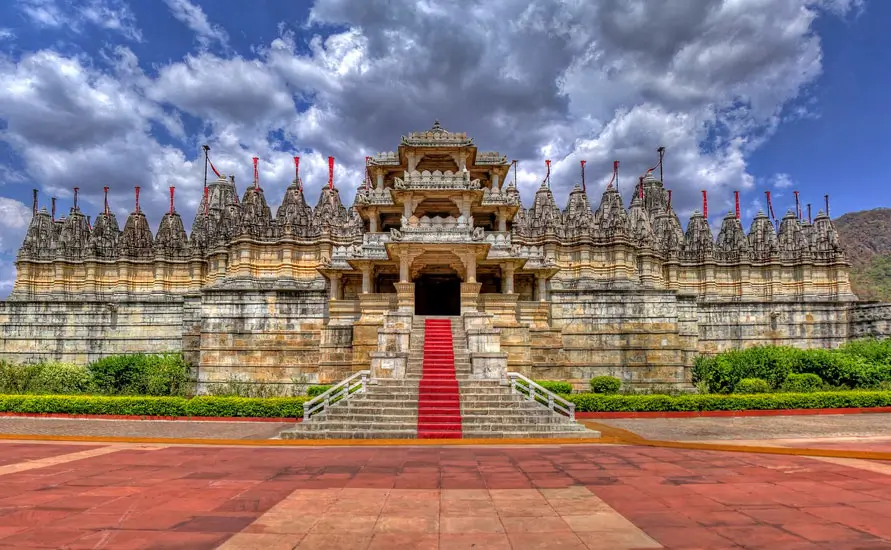 Kerala Backwaters Escape
 Kerala Backwaters Escape
 Kerala Backwaters Escape
 Kerala Backwaters Escape
 Kerala Backwaters Escape
 Kerala Backwaters Escape
 Kerala Backwaters Escape
 Kerala Backwaters Escape
 Kerala Backwaters Escape
 Kerala Backwaters Escape
 Kerala Backwaters Escape
 Kerala Backwaters Escape
 Kerala Backwaters Escape
 Kerala Backwaters Escape
 Kerala Backwaters Escape
 Kerala Backwaters Escape