
 Kerala Backwaters Escape

Ayurvedic Tour Packages
Kochi – Kumarakom / Thrissur (Karkidaka treatment)
At a glance
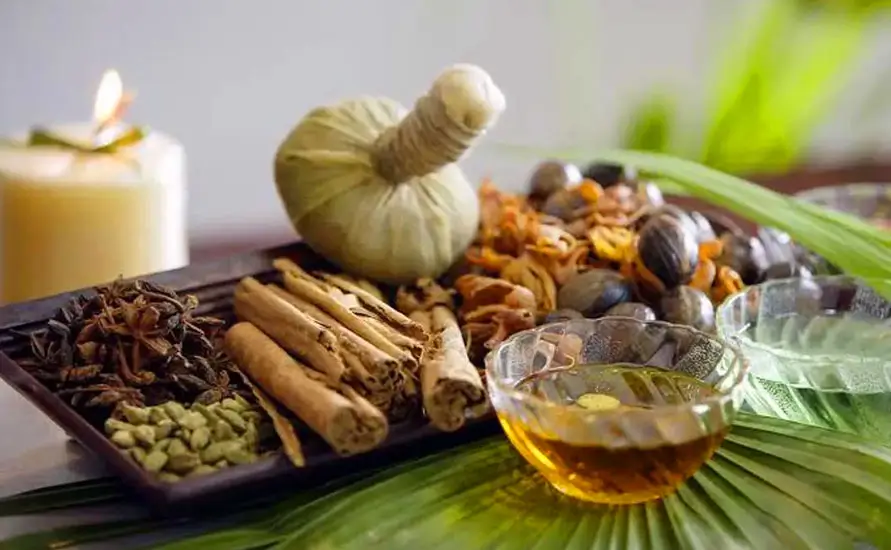
Rain arrives in Kerala with real force in June, and by Karkidakam, the Malayalam month that runs roughly from mid-July to mid-August, the whole state slows down. Families have long treated these weeks as the season for rest, oil therapies and the medicated rice gruel called Karkidaka kanji, on the belief that the cool, damp air helps the body take in the oils. Our monsoon Ayurveda package in Kerala follows that rhythm: a soft landing in Kochi, two quiet nights by the lake in Kumarakom, then twelve nights of Karkidaka treatment at a traditional Ayurveda center near Thrissur.
Treatment opens with a long sit-down with a qualified Ayurveda doctor (BAMS); that physician builds a daily plan around your constitution, age, health history and how you feel on each morning. Expect one or two therapies a day, such as abhyanga, elakizhi, pizhichil, njavarakizhi and shirodhara, with internal oiling or a cleansing procedure only if the doctor advises it. Gentle yoga and pranayama start every day, meals are simple and vegetarian, and outings are short and few. The program aims to support rest and wellbeing; it does not promise cures, and it never replaces your own physician's care.
Most first-timers from North America, Britain, Europe or Australia picture the rainy season as a poor time for Kerala, yet rates are lower, the countryside is a deep green and treatment centers are at their busiest with local guests who know the tradition. NRIs returning home for Karkidakam Ayurveda will recognize the kanji, the Ramayana readings and the smell of medicated oil drifting through the house. Pack a light rain jacket and quick-dry clothes, and share your full medical history with us before booking so the doctor can plan properly.
Cochin International Airport handles most long-haul arrivals from the Gulf hubs, and monsoon landings can run late when squalls sweep in from the Arabian Sea, so our team tracks your flight rather than the timetable. A representative greets you once you clear customs, pushes the luggage cart and holds a golf umbrella over you on the short dash to the car. Expect the road to Fort Kochi to take around ninety minutes, through towns where shop awnings drip and paddy fields lie flooded to the horizon. Your room is ready on arrival, and the first priority is a hot shower and a long sleep.
Toward evening, should the rain ease, a local guide calls for you and leads a short stroll to the seafront. In the monsoon the Arabian Sea turns a muddy olive, waves push high against the stone embankment, and fishermen pull their country boats far up the sand because deep-sea fishing is restricted along this coast for several weeks of the season. The cantilevered Chinese fishing nets still rise and fall when weather allows, though crews work fewer hours. Your guide shares the story of how the old port town grew from spice trade with Arab, Chinese, Portuguese and Dutch merchants.
Dinner is light on purpose, because the doctor in Thrissur will ask you to move gradually toward a simple vegetarian diet over the next three days. Coconut-milk vegetable ishtu with lacy appam, or rice with a mild moru curry of buttermilk and turmeric, is a gentle way to start. Your guide also hands over a small monsoon kit with a compact umbrella and a waterproof pouch for your phone and passport. Head to bed early to let the sound of rain on the tiled roofs help with the jet lag. Overnight in Kochi.
Morning light in the monsoon is soft and grey, which suits the dim halls of the Mattancherry Palace, the 16th-century residence the Portuguese built for the Kochi rajas. Its bedchamber walls carry murals counted among Kerala's finest, Ramayana episodes worked in ochre, green and black. That timing feels right, since Karkidakam is also called the Ramayana month, when many Hindu homes and temples across Kerala read the epic aloud each evening. Fridays are a closing day here; on that weekday we replace the visit with a covered walk through the old spice godowns.
On the way out of town, your guide takes you into a pepper and ginger warehouse in the lanes of Mattancherry, where workers still sort spice by hand on wide wooden floors. The smell of drying turmeric and cardamom is strongest on humid days, and traders are happy to explain how the monsoon decides the year's pepper harvest in the hills. You then leave Kochi by the southern highway, cross several rivers swollen brown with rain, and turn inland toward the edge of Vembanad Lake, the largest body of water in Kerala and the center of its backwater country.
Kumarakom sits on the eastern shore of the lake, a village of narrow canals, coconut groves and small fields of paddy kept dry by mud bunds. Your lakeside resort, with its own small Ayurveda wing, is a place to slow the pace before the real treatment begins. Afternoon tea comes with steamed banana and a view of rain marching across the lake in visible grey curtains. In the evening, try a short walk along the water's edge, then a Kerala meal of red rice, sambar and vegetable thoran that keeps to the light diet the doctor will expect. Overnight in Kumarakom.
Early on, before the heaviest showers usually build, a naturalist walks you along the trails of the Kumarakom Bird Sanctuary on the lakeshore. The monsoon months are nesting time for several water birds here, and the trees above the paths can be busy with night herons, little cormorants and egrets bringing food to their young. Sightings change with the weather and the year, so we never promise particular species, but the wet green canopy and the calls overhead make the walk worthwhile even when the birds stay hidden. Wear sandals you do not mind getting muddy.
Late morning, a local boatman poles a slim wooden canoe into the backwater ditches behind Kumarakom, far too tight for any houseboat. Rain hisses on the water, women rinse pots on stone steps, and ducks crowd the banks while children wave from footbridges made of a single coconut trunk. This slow hour gives a sense of how people in Kuttanad live with water for much of the year, farming below sea level and moving around by boat. The canoe has a rain cover, and your guide brings dry towels for the return.
After lunch, the resort's Ayurveda doctor carries out a short health check, takes your pulse and blood pressure, and then approves a gentle abhyanga as a soft introduction to the oils you will meet daily in Thrissur. The massage is slow and rhythmic, followed by a herbal steam, and many guests report sleeping better afterward. The doctor also suggests a few changes to your diet over the next days, such as skipping raw salads and cold drinks. Your evening is quiet, with dinner on the verandah and the frogs of the paddy fields for company. Overnight in Kumarakom.
Leaving the lake behind, your car heads north along the inland roads through Kottayam and Ernakulam districts and on toward Thrissur, a town Malayalis like to describe as their state's cultural capital. Monsoon traffic is slower than usual, so the driver allows extra time and makes one stop for coffee and the restroom. Out of the window slide rubber plantations, churches with tall white facades, and roadside shops selling umbrellas in every color. You arrive at a traditional Ayurveda center outside the city by early afternoon, where staff welcome you with a cup of warm herbal water and show you to your room.
The main doctor's consultation for your Karkidaka treatment takes about an hour. The physician, a qualified Ayurveda doctor (BAMS), asks about your daily routine, work, sleep, digestion, emotional stress and any medical conditions, and records the medicines you currently take. The examination includes pulse diagnosis, a look at the tongue and eyes, and questions that help determine your prakriti, or natural constitution, and your current imbalances. From this, the doctor sketches a plan for the coming eleven days, which will be adjusted every morning depending on how you respond. Bring copies of recent blood tests if you have them.
Your first dinner at the center is Karkidaka kanji, a medicated rice gruel cooked with njavara rice or local red rice, a mix of herbs, fenugreek, cumin and coconut milk. Recipes differ from family to family and from one center to the next, and the kitchen will explain what goes into yours. Rules for the treatment period are also shared tonight: no alcohol, no smoking, no strenuous exercise, limited screen time and early nights. Your phone still works, but many guests choose to switch it off after dinner. Overnight in Thrissur.
A bell or a soft knock wakes you at about six, and the first session of morning yoga is held in a covered hall open to the garden. The teacher keeps it gentle: joint rotations, a few standing stretches and a long lying rest, because heavy practice is discouraged while oils are being applied. Breathing exercises follow, starting with slow abdominal breathing and simple alternate-nostril work. The aim this week is to support the treatment, not to build fitness, and the teacher adapts every movement to your age and any injuries you mention.
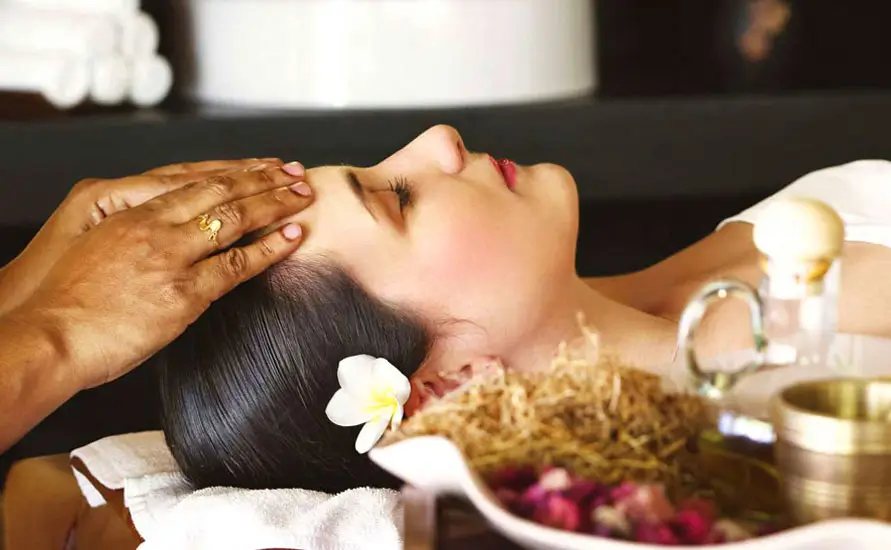
Mid-morning brings your first full therapy session. Two therapists perform abhyanga with an oil chosen by the doctor, then guide you into a wooden steam box or a herbal steam bath for swedana, with your head kept outside and a cool cloth on your forehead. The combination is traditionally used to loosen the body and prepare it for later procedures. Half an hour of stillness comes next; only then do you bathe, rubbing a green herb powder over the skin to lift the oil. Hot water is used for the body and lukewarm for the head, a small rule the therapists follow carefully.
Lunch is rice, a lentil curry, a vegetable thoran and buttermilk, all mildly spiced and served warm. The afternoon is for lying down, reading or watching the rain, and the staff ask you not to nap straight after meals. Before dinner, the doctor visits your room to check how the day felt and to note your appetite and sleep. Evening brings a short reading from the Ramayana in the center's prayer room, which guests of any background are welcome to sit in on, quietly, as part of the Karkidakam tradition. Overnight in Thrissur.
Depending on your plan, today may begin with snehapanam, the drinking of a small, increasing dose of medicated ghee on an empty stomach, which is one of the classical preparation steps before cleansing procedures. Not every guest is given this, and the doctor decides based on your health and the goals of your stay. If you do take it, you will be asked to sip only warm water until you feel real hunger, and lunch will be served later than usual. Those not on internal oiling continue with external therapies and their regular meal times.
Morning yoga focuses on pranayama today, with the teacher introducing brahmari, the humming bee breath, and a slower form of alternate-nostril breathing. Tradition links both to a steadier mind, and they come in handy in the afternoon when the treatments can leave you drowsy or restless. You also learn a simple seated posture you can hold comfortably for ten minutes, using a cushion or folded blanket. The teacher talks about how breath work fits the season and why it matters more than usual in Karkidakam, when the damp weather is believed in Ayurveda to weaken digestion and energy.
With no outings planned, the center feels like a small village of its own: therapists crossing the courtyard with brass vessels, cooks grinding fresh coconut, and the smell of herbal oil warming over wood fires. Use the afternoon to start a treatment journal, noting how you sleep, what you eat and how your body feels. Many guests find that small changes, such as lighter steps or calmer thoughts, are easier to see when written down. Supper comes early, small and warm, with a cup of dry ginger water to finish. Overnight in Thrissur.
Yoga this morning includes a short sequence of gentle twists and forward bends, still slow, with the teacher reminding the group to stop at the first sign of strain. Breakfast is usually a bowl of kanji or steamed rice cakes with a mild chutney, kept simple so digestion is not overloaded. If you took internal oiling yesterday, the doctor checks your progress and may adjust today's dose or move you to the next step. The staff weigh nothing and measure nothing beyond what the doctor needs, because the focus is on comfort, not numbers.
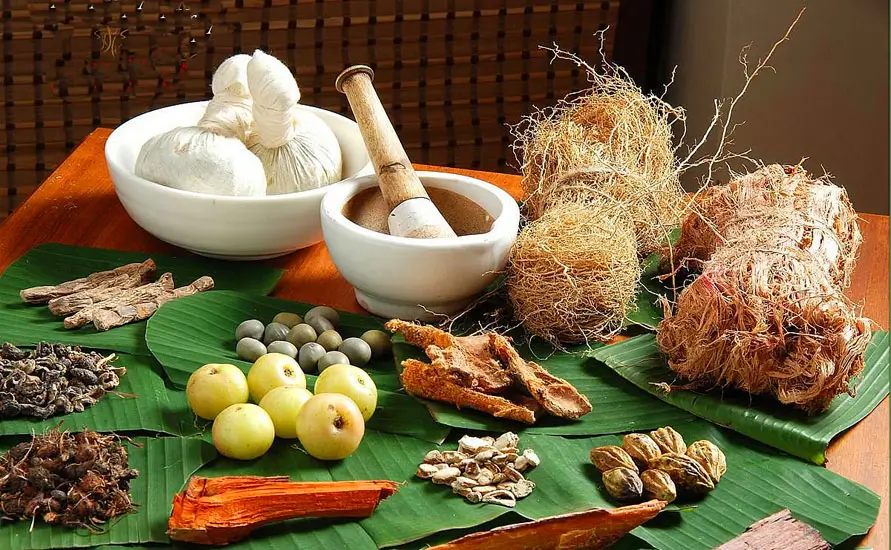
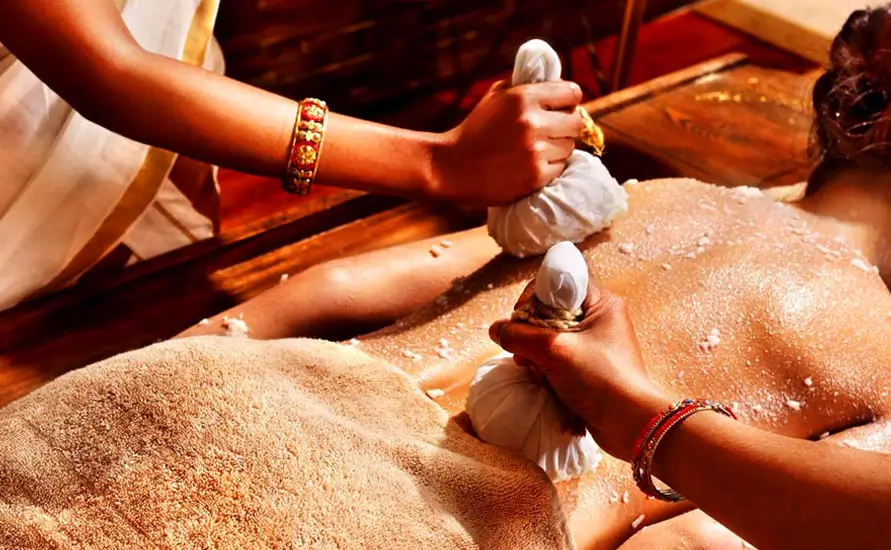
Your therapy today is elakizhi, in which therapists dip cloth pouches packed with chopped medicinal leaves, coconut shavings, sliced lemon and rock salt into hot oil and press them along the body in a set sequence. It is traditionally used for stiff joints and muscle aches, and the warmth is especially welcome on a cool monsoon morning. Expect roughly forty-five minutes on the table, while the therapists keep checking the temperature of the bundles on their own wrists before every stroke. You rest afterward under a light cotton sheet, and the therapist brings a cup of warm water flavored with coriander seed.
In the late afternoon, the doctor gives a small group talk on dinacharya, the Ayurvedic daily routine. Topics include waking early, tongue scraping, oil pulling, regular meal times, a short self-massage before bathing and switching off screens well before bed. The doctor is clear that these are traditional habits rather than treatments, and that guests should check with their own physician before changing medicines or diet at home. Questions are welcome, and many guests ask how to adapt the routine to cold winters in Europe or North America. Overnight in Thrissur.
For guests on a fuller cleansing program, the doctor may schedule virechana, a herbal purgation, around this stage, always after internal oiling and only if it suits your health. On that day you stay close to your room and bathroom, take only warm water and a light rice gruel, and skip yoga entirely. Nurses check in through the day, and the doctor visits more than once. Guests who are not having virechana follow a lighter schedule with a short abhyanga and plenty of rest, which helps the body catch up after the first busy days.
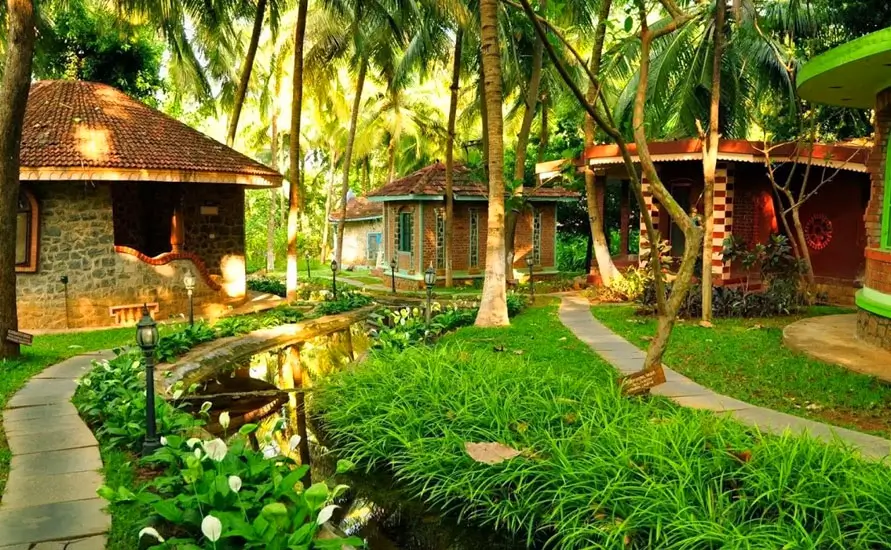
Without classes or outings, this is a good day for a slow look at the center's grounds once the rain pauses. Most traditional centers in the Thrissur region keep a small garden of medicinal plants, and the gardener can point out adathoda, tulsi, aloe, bhringraj and the curry leaf tree growing beside the path. Puddles fill quickly, and earthworms and frogs cross the walkways after every shower. Even a short slow walk under an umbrella, at a pace that never makes you breathless, counts as enough movement today. Leave your phone behind, or at least on silent.
The kitchen prepares a simple evening meal of kanji with green gram, a small portion of steamed vegetables and a spoon of pickled gooseberry if the doctor allows it. Afterward, a staff member leads a fifteen-minute guided relaxation in the yoga hall for those who want it, lying on mats while the monsoon drums overhead. Nobody minds if you drift off. Bedtime is early again, and the night attendant is on call if you feel unwell. By the end of this day, most guests have settled into the routine of the house. Overnight in Thrissur.
Energy often returns after the rest day, and the yoga teacher may add a few more standing postures and a longer pranayama practice. Breakfast is served on banana leaves in many centers, a custom that guests enjoy and that keeps waste low. Your doctor checks your pulse again and approves the main therapy for today. The aim of the next few days is to work more deeply with oils and heat, so you will spend longer on the treatment table and longer resting afterward than in the first week. Wear old, loose clothes to every session.
Pizhichil is one of the classic Kerala therapies and needs up to four therapists at once. Lukewarm medicated oil is soaked into cloth, then squeezed in steady streams over the body while the therapists massage in rhythm, turning you gently from side to side on a wooden droni, the carved treatment bed. The session can last over an hour and is traditionally linked to Kerala's royal families, who are said to have taken it during the monsoon. Many guests report a deep sense of calm afterward, though some feel tired and sleep through the afternoon.
Toward dusk, the head cook opens the center kitchen for a hands-on hour of Karkidaka recipes. You watch the preparation of a medicated kanji from scratch, with crushed dried herbs, roasted fenugreek and coconut milk, and learn how families once bought ready-made herb packs in markets before the monsoon. The cook also shows you how to make a mild ash gourd curry and a drink of cumin water that suits damp weather. You leave with printed cards listing every step, plus swaps for ingredients hard to find abroad. Overnight in Thrissur.
Morning yoga today focuses on the hips and lower back, with slow cat-cow movements, supported bridge pose and gentle hip openers, ending with ten minutes of stillness. The teacher reminds the group that the oils loosen the body, which makes it easy to overstretch, so every posture is held well short of its limit. Breakfast follows in the dining hall, where guests from Germany, the Gulf and other parts of India compare notes on their treatments. Conversation is welcome, though many guests prefer to eat in silence and read, and the staff never seat you with strangers unless you ask.
Njavarakizhi uses small cloth bundles filled with njavara rice, a short-grain Kerala variety, simmered with cow's milk and a decoction of bala root. Therapists dip the warm bundles back into the milk mixture and work them firmly from shoulders to feet, which leaves a sticky paste that is scraped off with a coconut leaf strip at the end. Kerala physicians have long given it to nourish muscle and skin, and plenty of guests rank it as their favorite session. Take your time getting up afterward, as the body can feel heavy and slow.
When the rain softens in the afternoon, a staff member walks you through a nearby village lane lined with coconut palms, pepper vines and small vegetable plots. Kerala homes during Karkidakam often keep a small lamp and a tray of auspicious items at the front door each evening, and some households read the Ramayana aloud as night falls. Your guide explains these customs without asking you to take part. Back at the center, dinner is a bowl of kanji and a little stir-fried snake gourd, followed by an early night. Overnight in Thrissur.
A mid-program review with the doctor opens the day. Together you go through your journal, discuss sleep, appetite, energy and mood, and agree on the therapies for the remaining days. If anything has felt uncomfortable, this is the moment to raise it, and the doctor can switch an oil, shorten a session or add more rest. Some guests are given nasyam at this stage, a gentle procedure where the therapist drips small measured amounts of medicated oil into each nostril after a face and head massage and a short steam, traditionally used for the head and sinuses.
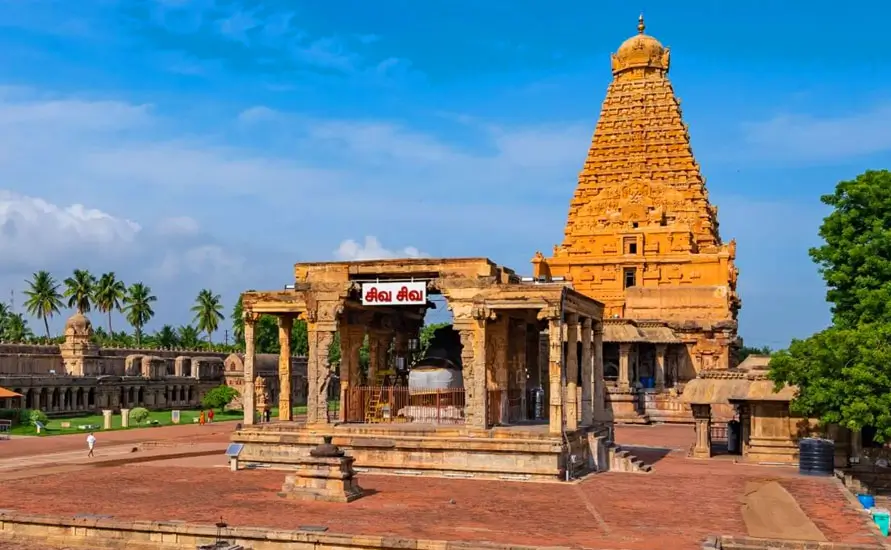
If the doctor approves, you take a short drive into Thrissur town in the afternoon. The Vadakkunnathan Temple, a large Shiva temple at the top of a hill in the city center, is surrounded by the open ground of Thekkinkadu Maidan, where the famous Thrissur Pooram festival is held each April or May. Only Hindus may go inside, as the temple's own custom requires, though the outer grounds are open for a slow circuit with your guide, who will explain the Kerala-style architecture of the gateways, with their sloping tiled roofs and carved wooden gables.
Your outing ends with a short stop at a sweet shop or a bakery for a look rather than a feast, since your diet is still carefully planned. Thrissur is known for its gold jewelry trade and its many old churches, including the large white Our Lady of Dolours Basilica, which you can see from the car on the way back. You return to the center before dusk to avoid tiring yourself in traffic. Dinner and a hot herbal footbath before bed help you recover from the trip. Overnight in Thrissur.
By the twelfth day of the stay, mornings tend to start more easily, and many guests wake before the bell. Yoga today is short and soft, focused on the neck and shoulders, with simple rotations and a few minutes in child's pose. The teacher prepares you for the afternoon's yoga nidra session by explaining how to lie still and follow a voice without falling into deep sleep. Breakfast is followed by a walk around the courtyard, timed between showers, and a cup of the herbal water the kitchen keeps warm all day.
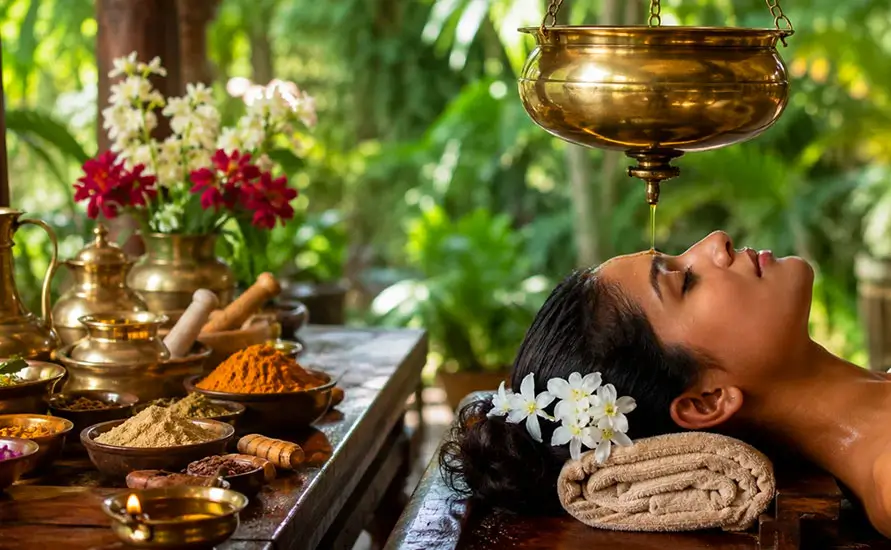
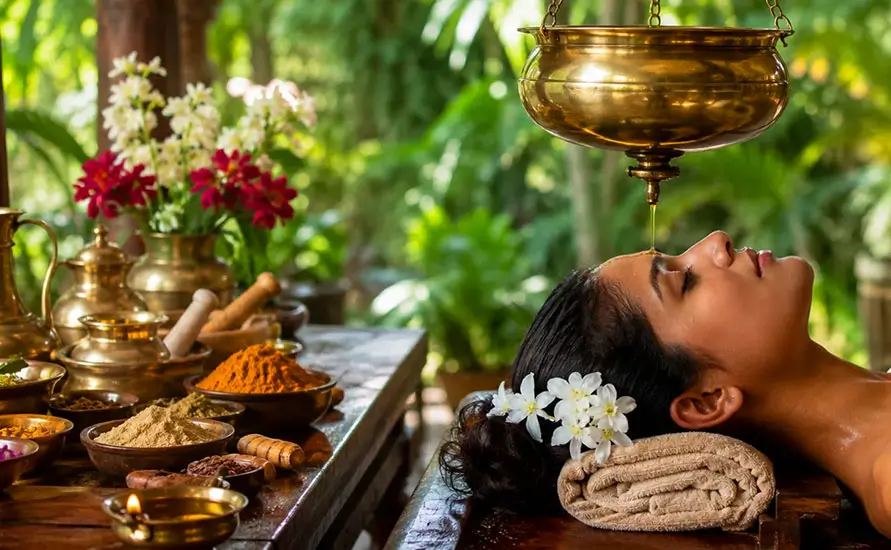
Your main therapy today is shirodhara: a slow, even trickle of warm medicated oil, buttermilk or herbal milk, as the doctor chooses, flows onto the forehead from a vessel hung above the table. The therapist moves the stream slowly from side to side, and the session usually lasts forty-five minutes to an hour. Ayurveda practitioners rely on it to quiet a racing mind and help with sleep, and it is often scheduled in the second half of a program. Afterward, your head is wrapped in a cloth, and you rest before washing your hair with a herbal powder.
Later in the afternoon, the yoga teacher leads a forty-minute yoga nidra session in the hall, while rain falls steadily on the roof. You lie on a mat under a blanket, and the teacher guides your attention through each part of the body, through the breath and through simple images. Many guests say this practice is one they keep using at home, especially on nights when work or travel makes sleep difficult. Dinner tonight is a light kanji with a spoon of ghee, and the center grows quiet early. Overnight in Thrissur.
Many guests carry tension in the lower back after long flights and desk work, and today's therapy addresses it with kati vasti. The therapist builds a little round dam of urad dal dough over the lower spine, pours warm medicated oil into it and keeps topping it up from a heated pot so the temperature stays even for half an hour or so. Depending on your needs, the doctor may choose greeva vasti for the neck instead. Vaidyas have long reached for it when a back feels locked, and your doctor follows up with tips on chair height, lifting and two or three easy stretches for home.
In the afternoon, a local artist visits to show the techniques of Kerala mural painting, a style found on the walls of old temples and palaces like the one you saw at Mattancherry. Using natural pigments in five colors and fine brushes, the artist outlines a figure from the epics and explains how proportions and colors follow traditional rules. You can try a few brush strokes on paper, and the artist answers questions about how the craft is taught today. Small framed paintings may be for sale, but buying is entirely up to you.
Before dinner, the yoga teacher hosts a short journaling session in the garden pavilion. You read back over your notes from the first days and write down what has changed, what has been hard and what you would like to keep. The teacher suggests a few simple prompts and leaves plenty of silence for thinking. Some guests choose to share a thought with the group, while others keep everything to themselves, and both are fine. The night brings another early dinner and a mug of milk warmed with turmeric and cardamom. Overnight in Thrissur.
With the doctor's approval, the car takes you roughly thirty kilometers north to Kerala Kalamandalam, the arts school beside the Bharathapuzha at Cheruthuruthy. Founded in 1930 by the poet Vallathol Narayana Menon, this school trains students in Kathakali, Mohiniyattam, Koodiyattam and the music and drums that go with them. On weekday mornings, visitors can usually watch classes in the open-sided training halls, where young students practice eye exercises, footwork and hand gestures for hours. The setting under tall trees and tiled roofs gives a quiet look at how Kerala's classical arts are passed on.
Your guide explains the basic gestures and expressions of Kathakali so you can follow what the students are practicing, and points out the koothambalam, the traditional theater hall built in Kerala temple style. Photography rules vary from hall to hall, so always ask before raising a camera. The visit is kept short, about two hours, to avoid tiring you. On the way back, the car stops at a riverside spot where you can watch the wide, rain-swollen Bharathapuzha, a river closely tied to Malayalam literature and culture, sung about by poets for centuries and known locally as Nila.
Back at the center, today's therapy is netra tarpanam, in which a small wall of dough is built around the eyes and filled with warm medicated ghee while you open and close your eyes slowly. It is traditionally used to rest tired eyes, and many guests who spend long days at screens find it soothing. You keep your eyes closed for a while afterward and stay away from bright screens and books until the next morning. Dinner is served early, and the rest of the night is left for quiet. Overnight in Thrissur.
Your last full day at the center begins with a gentle yoga class that brings together the postures and breathing you have learned over the program. The teacher writes out a short daily sequence that you can practice at home in twenty minutes, with notes on which parts to skip on busy or tired days. Breakfast follows, and then a final light therapy, often a calming abhyanga, chosen by the doctor to close the treatment. Many guests say the stay has given them a clearer feel for how rest, food and routine affect their wellbeing.
The final consultation is one of the most useful hours of the stay. The doctor explains that the days after an Ayurveda program are considered important, a stage called samsarjana in the classical texts, when food is reintroduced gradually. You receive written guidance on what to eat for the next two weeks, how to return to normal exercise and how to keep a few daily habits. Any herbal remedies proposed for later are your choice, billed on their own, and worth running past your family physician before you open the first bottle.
In the evening, the kitchen prepares a slightly fuller farewell meal, still vegetarian and gently spiced, perhaps finishing with a few spoons of jaggery-sweetened rice payasam. Staff members who have looked after you come by to say goodbye, and it is customary to leave a tip in an envelope for the therapists and kitchen team. Pack your bags tonight, keep your diet sheet in your hand luggage, and remember to set aside any oils or medicines you have purchased for your carry-on or checked bags according to airline rules. Overnight in Thrissur.
Once you finish a final bowl of kanji, the car sets off for Cochin International Airport, around ninety minutes to the south when roads are clear. Monsoon roads can slow down suddenly after heavy downpours, so we plan the departure with a generous buffer and keep track of any flight changes. The doctor advises avoiding heavy or very spicy airline meals on the way home, so carrying a few simple snacks from the center makes the long flight easier.
Your monsoon Ayurveda package in Kerala has followed the old Karkidakam rhythm: rain, oil, simple food and early nights, with a quiet start in Kochi and Kumarakom before twelve nights of care in Thrissur. Plenty of past guests return a year or two later for a longer course, sometimes in a drier month, and our team would be happy to shape that next stay around your calendar. Keep following the diet plan for the first weeks at home, and do write to us with any questions. Travel well, and may the rains of Karkidakam stay with you a while.
Your Journey

N.S. Rathore & Mrs. Omlata Rathore · Managing Director
We still read every enquiry ourselves. Tell us the places you liked and our planners will send a day-by-day route with drive times and a clear price.
Every package can be customised and no pressure to book. A planner from our office replies within 24 hours with a route written for your group.
Fill this in and your planner will send a first draft itinerary.
Explore more
Kerala Backwaters Escape Kerala Backwaters Escape
 Kerala Backwaters Escape
 Kerala Backwaters Escape
 Kerala Backwaters Escape
 Kerala Backwaters Escape
 Kerala Backwaters Escape
 Kerala Backwaters Escape
 Kerala Backwaters Escape
 Kerala Backwaters Escape
 Kerala Backwaters Escape Kerala Backwaters Escape Kerala Backwaters Escape Kerala Backwaters Escape Kerala Backwaters Escape Kerala Backwaters Escape Kerala Backwaters Escape