
 Kerala Backwaters Escape

Ayurvedic Tour Packages
Kochi – Marari (Ayurveda resort)
At a glance
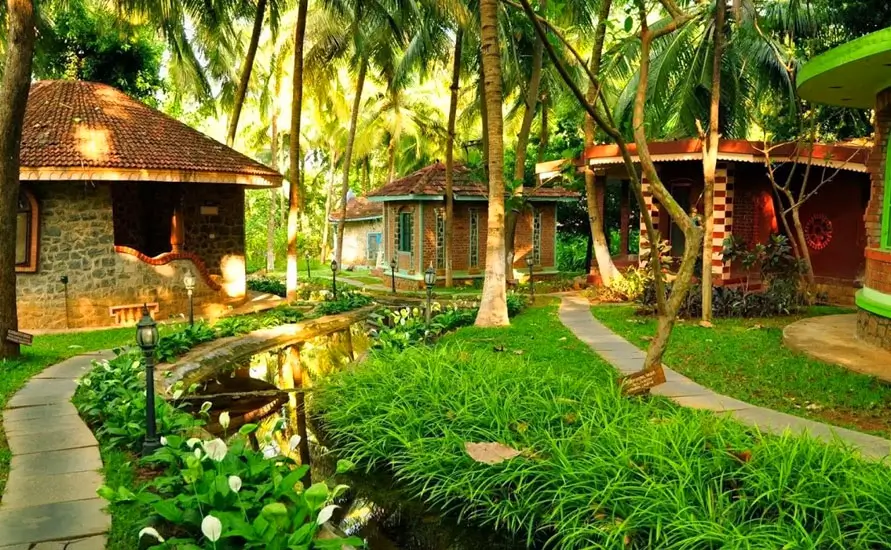
Long working weeks, poor sleep and a phone that never goes quiet are the reasons most guests give us when they ask about this Ayurveda stress relief program. The plan is short enough to fit into annual leave and slow enough to make a difference you can feel. After one night in Kochi to get over the flight, you move to a beachside Ayurveda resort in Marari, a fishing village on the Kerala coast, for six nights of daily treatments, yoga, simple vegetarian food and long stretches of doing very little at all.
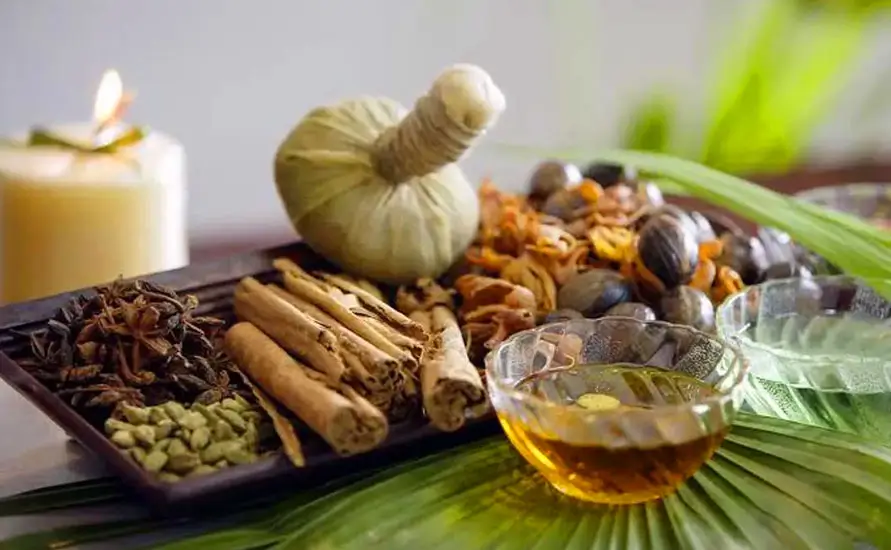
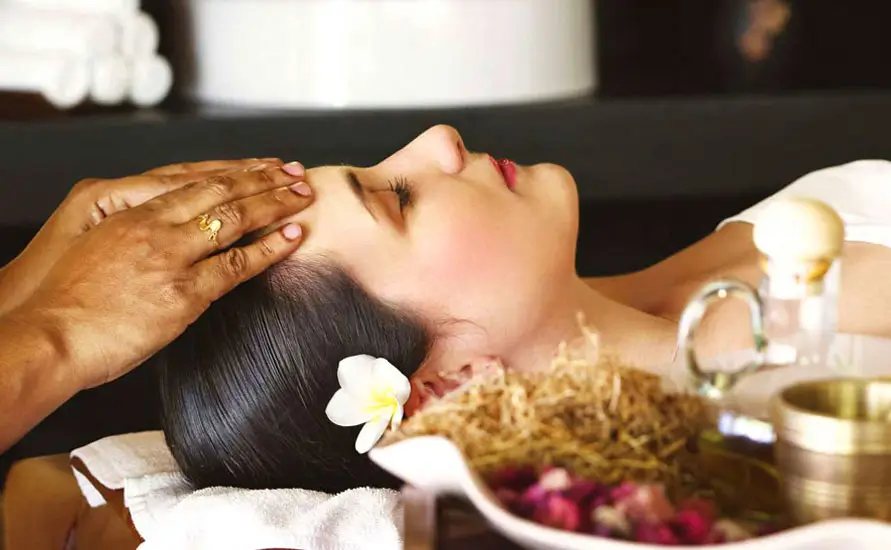
A qualified Ayurveda doctor (BAMS) sees you on arrival, reads your pulse, asks about your health history and work routine, and then sets a personal schedule. The core of the Ayurveda stress relief program is a series of calming therapies such as abhyanga, shirodhara, takradhara and head and foot massage, adjusted day by day as the doctor follows your progress. Plenty of past guests tell us they slept longer and worried less by day seven, though every body responds differently, and the program sits alongside, never instead of, your own doctor's advice.
We shaped this Ayurveda retreat in Kerala for people whose passports say USA, Canada, UK, Germany, France or Australia, and for NRIs keen to tag seven quiet days onto a family trip home. Sightseeing is kept light on purpose: a gentle evening in Fort Kochi, a dawn walk with the Marari fishermen and an optional canal ride by country boat. Between October and April the coast is dry and pleasant; guests drawn to the old Karkidakam season of July and August accept heavy rain in return for empty sands. Couples can share a room and follow separate treatment plans.
Once you clear customs at the Kochi airport, a driver from our Kerala team is waiting with your name on a board; the road south through Aluva and Ernakulam reaches Fort Kochi after ninety minutes or so, longer when traffic builds. Many long-haul arrivals touch down well before dawn, which is why the program leaves the first hours blank and lets you sleep as long as you need. Rooms are normally released at 2 pm; landing at 4 am and wanting to sleep at once means booking the previous night as well, which we can do for a modest supplement.
Jet lag is the first thing to deal with, well ahead of any oil or herb. Drink plenty of water, eat something light such as idli or a bowl of rice with vegetable curry, and avoid alcohol tonight, since the doctor will ask you to stop it during the program anyway. If you take regular medicine, pack it in your hand luggage along with any recent blood tests or prescriptions. You will hand these to the Ayurveda doctor tomorrow, and they help the team plan treatments that sit safely alongside the care you already receive at home.
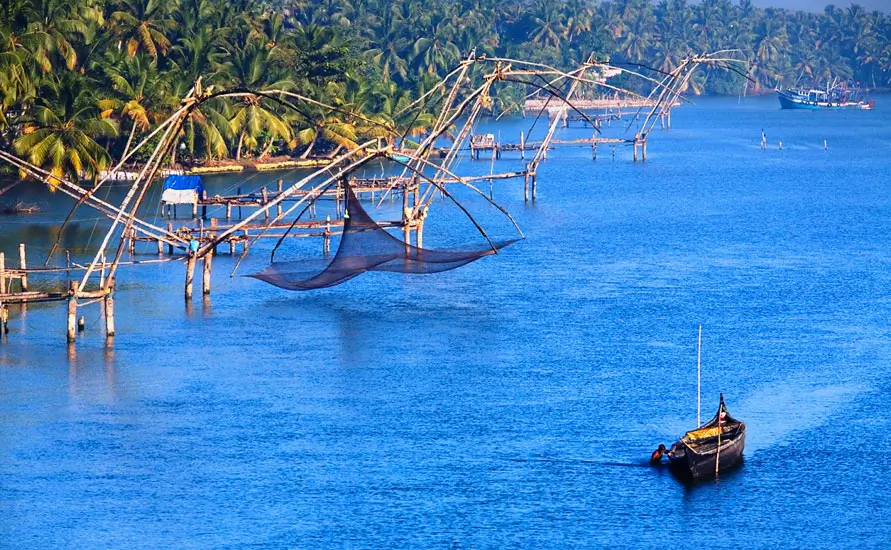
Around five o'clock, once the heat fades, wander down to the seafront by the old Dutch cemetery, where crews haul the big cantilevered nets and crows perch on the poles hoping for scraps. There is no guided program today, so you can go at your own speed, rest on a shaded seat along the beach road, or stop for fresh lime soda at a small café. Keep the evening short and get to bed early, because tomorrow the rhythm of the program begins, and a rested start makes the first massage far more comfortable. Overnight in Kochi.
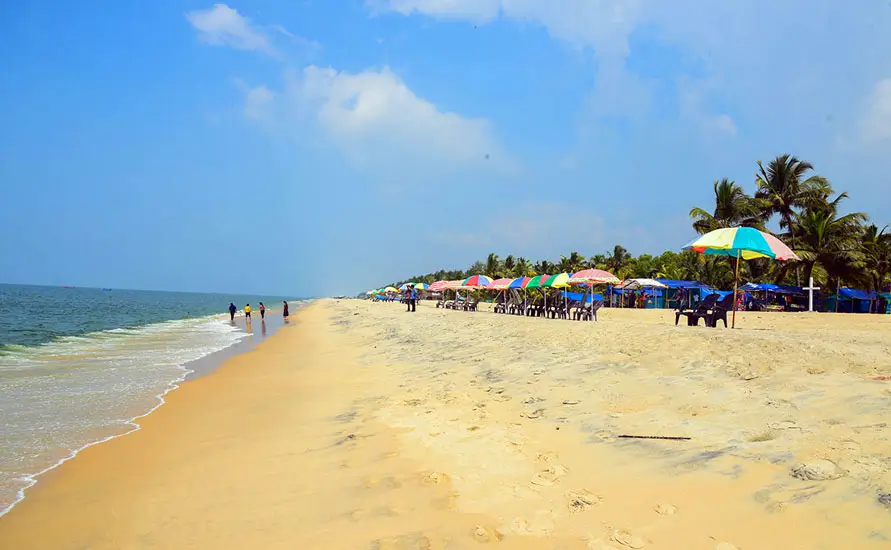
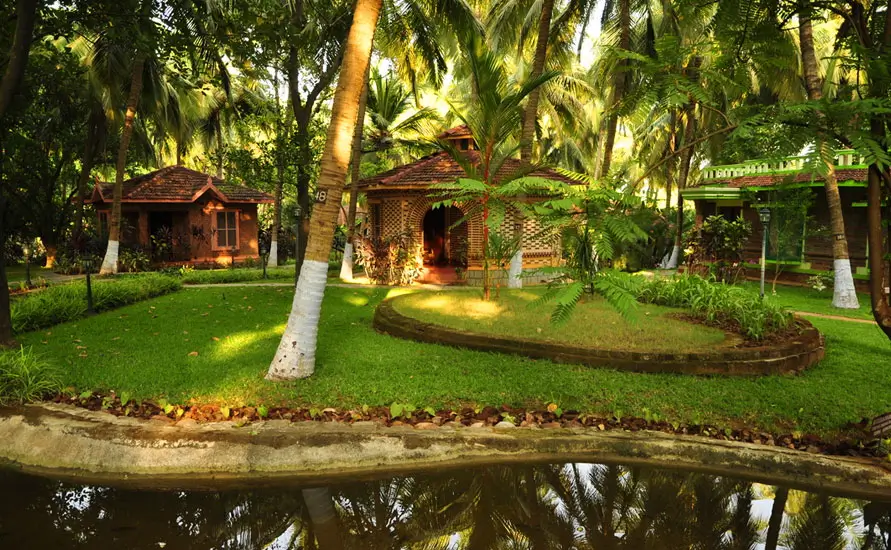
After breakfast you leave the old port behind and head south down the coastal highway toward Marari, a drive of about ninety minutes past churches, coir workshops, prawn farms and coconut groves. Mararikulam still lives from the sea, and its long sandy shore stays almost empty except at dawn and dusk, when the boats go out and return. Your room is ready on arrival or shortly after, and the staff walk you through the treatment block, the yoga hall and the dining area. Mobile signal is fine here, but we suggest switching notifications off for the week and checking messages once a day.
In the late morning you meet the resident Ayurveda doctor for your first consultation, which usually takes thirty to forty minutes. The doctor reads your pulse (nadi pariksha), looks at your tongue and eyes, asks about sleep, digestion, mood and work pressure, and reviews any medicines or reports you brought. From this, the doctor assesses your constitution, or prakriti, and the present imbalance, and writes a daily therapy plan for the week. Be honest about back pain, blood pressure, pregnancy or any recent surgery, because some oils and heat treatments are changed or left out for these.
Your first therapy is an abhyanga, in which two therapists apply warm herbal oil from scalp to feet using long, synchronized strokes. Male guests are treated by male therapists and female guests by female therapists, as is standard practice in Kerala. Afterward you rest for a while, then shower with the herbal powder provided to lift the oil from your skin and hair. A light dinner of rice gruel, steamed vegetables and a mild curry is served early, and the doctor will ask you to sleep by around ten tonight. Overnight in Marari.
Mornings at the resort open around half past six, when the yoga teacher unrolls mats under a thatched roof with the palms swaying just beyond. Today's teacher keeps things simple: gentle stretches for the neck, shoulders and lower back, the places where desk work and long flights leave the most tension. Nobody expects flexibility, and every pose can be done from a chair or with a cushion if your knees or hips complain. The session finishes with five minutes of slow belly breathing, a technique you can repeat anywhere at home. Breakfast follows, often a bowl of upma, steamed banana and a cup of warm ginger and cumin water.
Mid-morning the doctor asks about last night's sleep, any soreness from the first massage and your appetite, then signs off on today's therapy. For most guests that means a second abhyanga followed by swedana, where you sit inside a wooden steam cabinet filled with vapor from boiled leaves while your head stays out in the cool air. The steam opens the skin so the oil can be washed out more easily and is traditionally used to ease stiffness. Sit quietly afterward with a glass of warm water rather than heading straight back to your phone, since the rest period is treated as part of the therapy itself.
Afternoons at Marari are meant to be empty. You can nap, read on the veranda or walk a few minutes down to the shore; skip a swim straight after oil treatments, and keep to shallow water at any time, as the Arabian Sea pulls hard off this coast. Around four, a talk in the library covers vata, pitta and kapha, the doshas of Ayurvedic theory, and explains why the cook avoids raw salads, iced drinks and heavy fried food during a stress program. The day closes with a short guided relaxation lying on mats, which many guests use as a bridge into an early and settled night. Overnight in Marari.
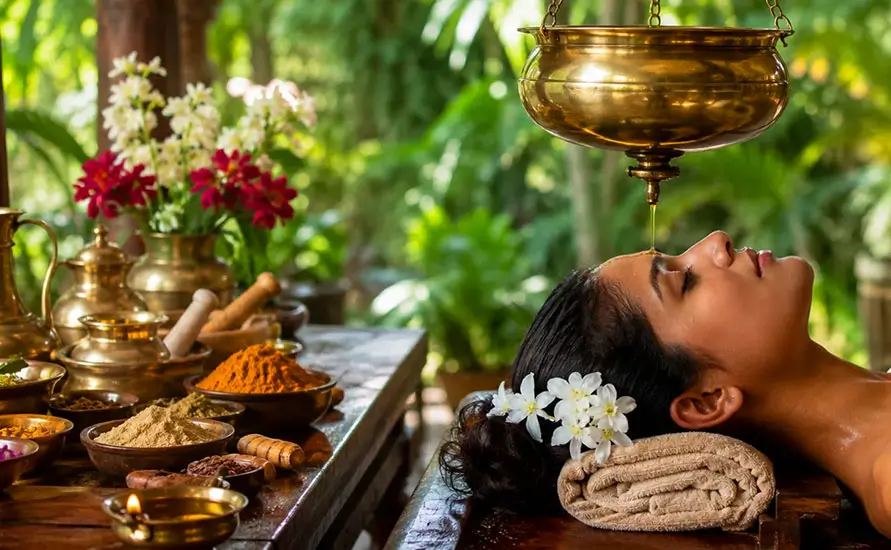
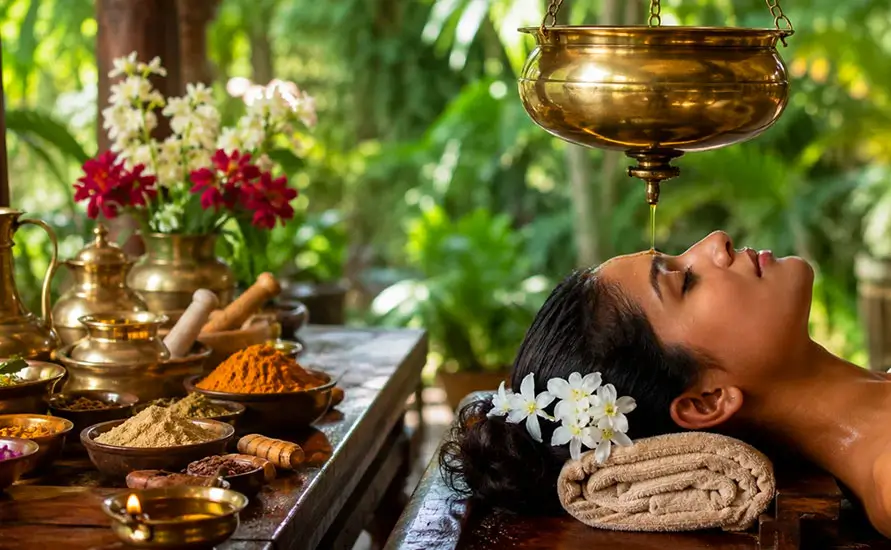
Today brings the therapy most guests come for. For shirodhara you lie on your back on a droni, the traditional treatment table, as a fine, continuous trickle of warm herbal oil swings gently from side to side across your forehead for around forty-five minutes; a buttermilk version is called takradhara. It is traditionally used to calm an overactive mind, and many people drift into a light sleep halfway through. The therapist protects your eyes with a cotton pad and keeps checking the temperature. Plan to lie down for an hour after the session, and wear a cap or scarf outdoors for the rest of the day to keep breeze and sunshine off the oiled scalp.
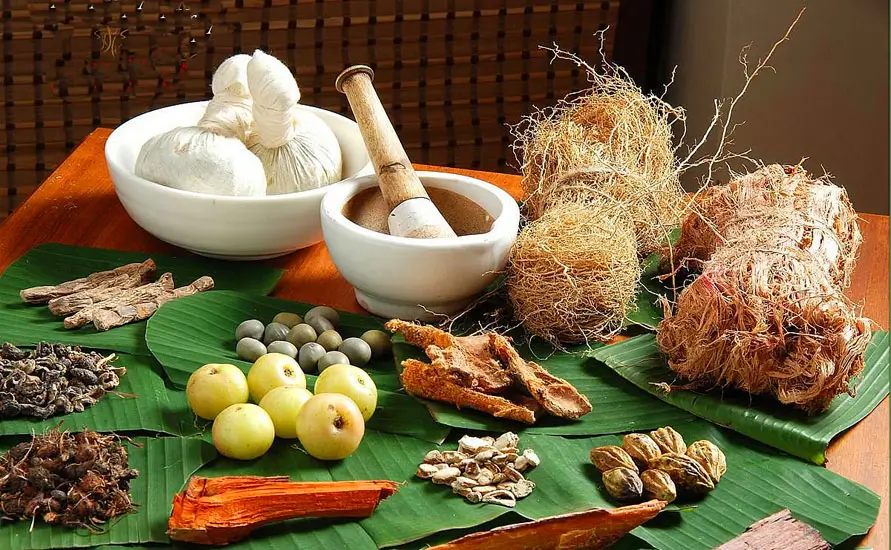
Morning yoga is gentler than yesterday and moves into pranayama, especially nadi shodhana, the alternate-nostril breathing that teachers use to slow the breath and steady attention. It feels awkward at first, so the instructor counts out loud and keeps rounds short. After breakfast you walk with the resort gardener through the medicinal herb garden, where plants such as brahmi, tulsi, ashwagandha, aloe and curry leaf grow in labeled beds. The gardener shows which leaves go into the oils used in your treatments and which appear in the kitchen, though no herbs should be self-prescribed without medical advice.
Lunch today might be red Kerala rice, a thin dal, beans thoran with grated coconut, a mild pumpkin curry and buttermilk spiced with ginger. Food is cooked with little chili and no onion or garlic for some body types, depending on what the doctor writes on your diet card. Late in the afternoon take a slow walk along the sand toward the north end of the beach, where fishermen mend nets in the shade of their boats. Dinner is served early again, and the night staff can bring a cup of warm milk with turmeric to your room if you have trouble sleeping. Overnight in Marari.
Set an alarm for just before six and walk down to the shore, where Marari's fishing teams drag their long wooden boats up the sand and sort the night's catch of sardines and mackerel into baskets. It is a working scene, so stay to one side, ask before taking photos and enjoy the cool air and soft light. Back at the resort, the yoga teacher uses the early start for a slow sun salutation sequence done at half speed, with long pauses in each pose. Breakfast afterward is a plate of appam with vegetable stew, a combination many guests ask to learn to cook.
That request is answered at eleven, when the resort cook runs a short cooking demonstration in the kitchen garden. You watch how a simple sambar is built from soaked lentils, tamarind and roasted spices, and how a cabbage thoran gets its flavor from mustard seeds, curry leaves and fresh coconut rather than heavy oil. The cook explains why certain dishes are served at lunch and others only in the evening, following Ayurvedic ideas about digestion. Written recipes are shared at the end, and the cook can suggest substitutes for ingredients that are hard to find in American or European supermarkets.
The afternoon therapy is elakizhi, a massage in which the therapists press and roll warm cloth bundles filled with fried medicinal leaves, grated coconut and lemon along your back, arms and legs. It is commonly chosen for tight muscles and the dull aches that come with long hours at a screen. After the shower and rest, a session of padabhyanga, a slow foot massage with oil and a small bronze bowl, follows before dinner. Tonight's evening class is yoga nidra, a lying-down guided practice that takes you through the body piece by piece and usually ends in near silence. Overnight in Marari.
For those who feel like a short outing, the morning offers an optional ride on a small country boat through the village canals just inland from the coast. A local boatman poles slowly past paddy plots, coir rope makers, duck farmers and houses with their own little jetties, and the whole trip takes about ninety minutes. There are no engines and no crowds, so it suits the calm pace of the program. If you would rather stay put, the resort library and hammocks are always available, and skipping the outing is perfectly fine. The boat returns before noon, leaving time to shower and rest before lunch.
In the afternoon your doctor may prescribe nasyam, in which a few drops of medicated oil are placed into each nostril after a gentle face and head massage and a little steam. It is traditionally used for the head and sinus area and may make your eyes water for a minute or two. Some guests also receive netra tarpanam: a dough rim is pressed around each eye socket and topped up with lukewarm herbal ghee, and you blink into it at your own pace for several minutes. Both treatments are short but unusual, and the therapists explain each step before starting, so tell them if anything feels uncomfortable.
Toward five o'clock, take a notebook out to the veranda for some quiet journaling. Many guests use the prompt the yoga teacher gives on day three: write down what drains your energy at home and what restores it, and note one change you could keep. Before dinner, a meditation teacher leads a twenty-minute sitting practice focused on the breath, followed by soft chanting that you can join or simply listen to. Dinner tonight could be a light kanji with green gram, coconut chutney and a little pickle, finished with a cup of herbal tea. Overnight in Marari.
The last full day repeats the treatment that most guests rate highest. Your final shirodhara is often given a little longer than the first one, and by now the warm oil, the quiet room and the creak of the wooden table feel familiar rather than strange. After the session you rest without phone or book, then take a hot shower with herbal powder. Morning yoga is a review class in which the teacher puts together a fifteen-minute sequence you can realistically do at home before work, printed on a card with simple drawings of each pose and the breathing pattern for each.
The closing consultation takes place after lunch in the doctor's room. You talk through how your sleep, appetite and mood have changed over the week, and the doctor writes up a personal dinacharya, or daily routine, with advice on waking time, meals, screen use, self-massage with oil and when to go to bed. Should the doctor recommend herbal medicines for home, each one is explained, and buying them is entirely optional. Please show anything you take home to your own physician, especially if you already use prescription medicines, before starting a new herbal course.
No activities are scheduled after five. Many guests choose one last walk along the beach at sunset, when families from the village come down to the sand and children play cricket near the water. The kitchen prepares a slightly more festive vegetarian dinner tonight, still mild and early, with a small portion of payasam made with jaggery and rice. Pack most of your bags before bed so the morning stays calm, and settle any extra treatment or shop bills at reception. The night staff can arrange a wake-up call if your flight is early. Overnight in Marari.
A last yoga class is offered at sunrise for guests with afternoon or evening flights, followed by breakfast and a short goodbye with the therapists who looked after you during the week. Then the car heads up the coast toward the airport at Nedumbassery, around two hours away; pickup is fixed so that three clear hours remain for check-in and security before an overseas flight. For a midnight flight, ask us to extend your room at the resort until evening, which carries a charge, giving you a bed and a hot shower before the drive north.
Try to keep the first few days at home as quiet as your schedule allows, and avoid heavy meals, alcohol and very late nights straight after the program, as the doctor advised. The routine card from yesterday is the most useful thing you take away, so keep it somewhere you will see it each morning. Guests who enjoyed this week often come back for a longer rejuvenation or Panchakarma program, and our team can plan one around the season and dates that suit you. Safe travels home.
Your Journey

N.S. Rathore & Mrs. Omlata Rathore · Managing Director
We still read every enquiry ourselves. Tell us the places you liked and our planners will send a day-by-day route with drive times and a clear price.
Every package can be customised and no pressure to book. A planner from our office replies within 24 hours with a route written for your group.
Fill this in and your planner will send a first draft itinerary.
Explore more
Kerala Backwaters Escape Kerala Backwaters Escape
 Kerala Backwaters Escape
 Kerala Backwaters Escape
 Kerala Backwaters Escape
 Kerala Backwaters Escape
 Kerala Backwaters Escape
 Kerala Backwaters Escape
 Kerala Backwaters Escape
 Kerala Backwaters Escape Kerala Backwaters Escape Kerala Backwaters Escape Kerala Backwaters Escape Kerala Backwaters Escape Kerala Backwaters Escape Kerala Backwaters Escape Kerala Backwaters Escape