 Kerala Backwaters Escape

LGBTQ+ Friendly South India Tours
Chennai – Mahabalipuram – Pondicherry – Thanjavur – Chettinad – Madurai – Munnar – Kumarakom – Kochi
At a glance
Fourteen nights, two states and not a single ordinary hotel room: our LGBTQ+ luxury South India tour is for travelers who want the south done properly. It opens in Chennai with Chola bronzes and a chef-hosted dinner, follows the Coromandel coast past the carvings of Mahabalipuram to colonial Pondicherry, and turns inland to the Chola capital at Thanjavur, the merchant palaces of Chettinad and the temple city of Madurai. Kerala then gives you a planter's bungalow in Munnar, a lake villa in Kumarakom and a final waterfront stay in Kochi.
What makes it luxurious is the attention around you. A private guide meets you in every region, picked as much for tact as for expertise, and one senior chauffeur drives the whole route so you never explain yourselves twice. Food is a thread through the trip: a Chettinad kitchen lesson, a planter's dinner by the fire, a chef's table on the lake and a market-to-plate seafood lunch. Our team has stayed in or inspected every property, confirmed how it treats same-sex guests and locked in a double bed long before you land.
A frank note on India itself. The Supreme Court decriminalized gay relationships in 2018 but has not opened marriage to same-sex couples, and while Chennai, Pondicherry and Kochi feel increasingly relaxed, the countryside and the pilgrimage centers keep older values, so we suggest saving affection for private spaces. This luxury gay friendly India tour suits couples, solo travelers and friends from overseas as well as LGBTQ+ NRIs. If you would like to join Chennai's Pride March, whose dates are confirmed each year, we will build a free day around it. October to March is the ideal window.
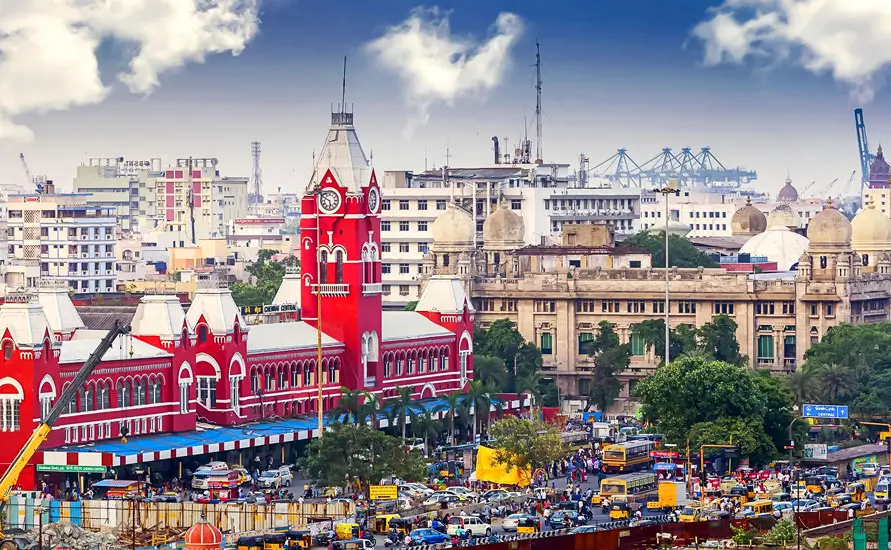
Your first face in India is a senior colleague of ours, standing just past customs at Chennai International Airport, who pushes the bags out to a chauffeured luxury sedan stocked with chilled towels and mineral water. Most long-haul connections touch down somewhere between midnight and dawn, which is why your suite is booked from the previous evening: you can be asleep within the hour. The hotel is among the finest in the city, with a long pool, a quiet spa and staff our team has seen welcome same-sex couples many times, and the room is ready with a double bed and fresh jasmine.
Sleep as late as you like; breakfast is served well into the morning, and nothing is scheduled before evening. If you feel restless, our concierge can book an in-suite massage, a private yoga session by the pool, or a short car ride to a heritage coffee house for your first tumbler of frothy filter coffee. Chennai is the capital of Tamil Nadu and a city of more than ten million, yet it moves at a gentler speed than Mumbai or Delhi. It also has a visible LGBTQ+ community that organizes a yearly Pride March, while family life in most neighborhoods remains conservative.
Around six, your lead guide joins you in the hotel lounge for drinks and a relaxed briefing. You go through the route day by day, discuss temple dress, tipping and cash, and talk openly about how you would like to be looked after, including how visible or discreet you prefer to be in each town. Every guide on this trip has worked with LGBTQ+ guests before and simply follows your lead. Dinner is a tasting menu at the hotel's South Indian restaurant, where the kitchen sends out small plates from all four southern states as a preview of the fortnight ahead. Overnight in Chennai.
Before the galleries fill with school groups, your guide, an art historian by training, opens the morning at the bronze hall of the Government Museum in Egmore. Its collection of Chola metalwork is among the finest in the world, and the cool, high-ceilinged rooms make it easy to spend time with individual pieces. You learn how 10th and 11th-century casters modeled each deity in beeswax, covered it in clay and poured molten metal into the hollow, a process still used by a few families today. The star of the room is Shiva as Nataraja, dancing inside a ring of flames, but the quieter figures of Parvati are just as fine.
From Egmore the car takes you south to Mylapore, where instead of the temple interior your guide leads you around the four market streets that ring the Kapaleeshwarar Temple. Women thread jasmine and marigold into garlands without looking at their hands, brass shops stack oil lamps to the ceiling, and old silk houses unroll saris on white mattresses for customers. You learn how the temple calendar sets the rhythm of business here, with crowds and prices rising before every festival. Lunch is a long banana-leaf meal at a well-known vegetarian restaurant, a dozen small dishes of Tamil home cooking served in strict order.
Following a pause at the hotel, there is the option of Kalakshetra Foundation, an arts academy set up in 1936 in a campus of shady trees near the sea, where students learn Bharatanatyam and Carnatic music; visits are by arrangement and sometimes include watching a class. In the evening, a respected Chennai chef comes to you for a private dinner, usually set up by the pool or in a garden pavilion. Cooking at a live station, the chef talks you through coastal fish curries, Chettinad pepper dishes and Kongu-style vegetables, letting you taste spices raw and roasted. Overnight in Chennai.
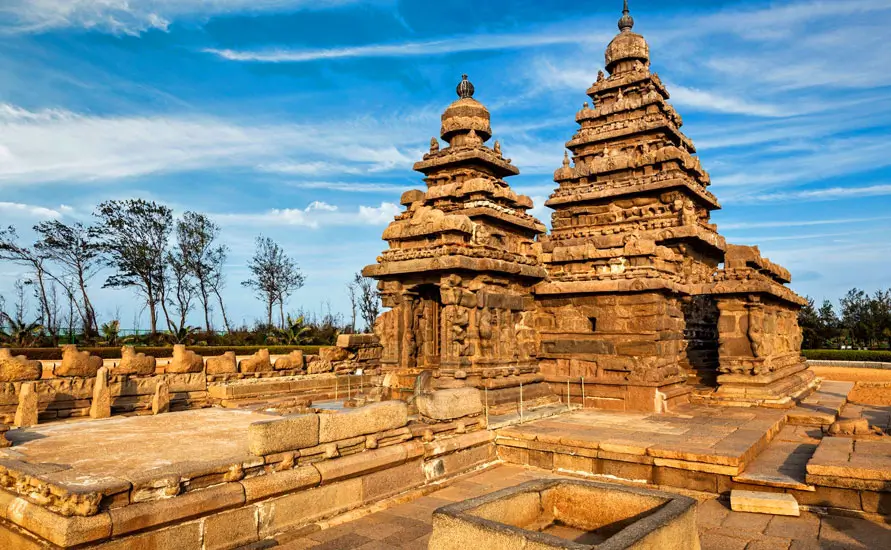
Leaving at first light, you beat both the heat and the tour buses to Mahabalipuram, roughly ninety minutes down the East Coast Road. Your private guide starts with the five monolithic Pancha Rathas, each one cut from a single outcrop, then moves on to the huge carved boulder face called Arjuna's Penance. The angle today is the workmanship rather than the myths: where Pallava masons marked guide lines, which surfaces they polished and which they left rough, and where a half-finished elephant shows exactly how a sculptor roughed out his figure. In the soft early light the grain of the stone comes up clearly, and you have most of it to yourselves.
A quick stop at the Shore Temple leads to a sculptors' workshop in the town, where a master carver whose family has worked granite for generations demonstrates his hand-forged chisels and shows how a deity is blocked out before details appear. Commissioned pieces can be crated and shipped abroad if one catches your eye. Brunch follows at a luxury beach resort just south of town, with grilled seafood and sea breeze, before the car continues for about two hours past fishing villages, the Kalpakkam coast and the long backwater at Marakkanam, where salt is still raked into white mounds.
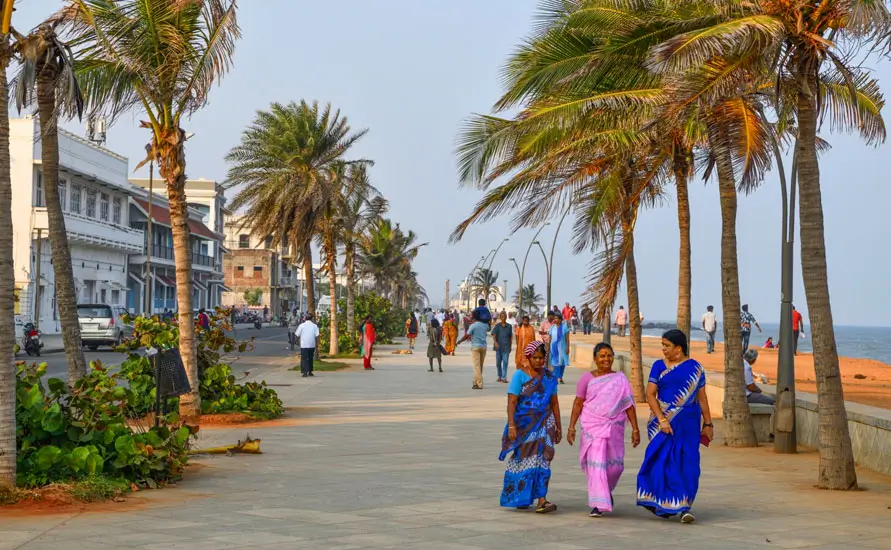
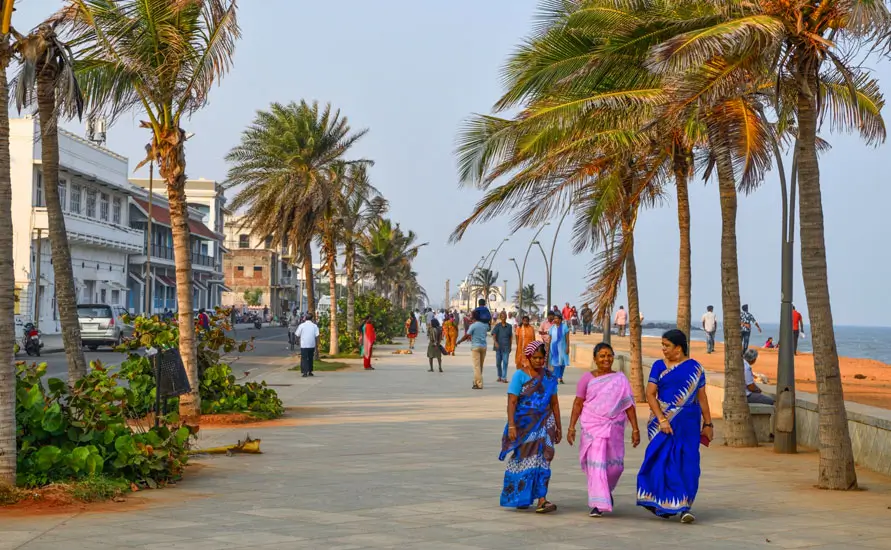
By mid-afternoon you reach Pondicherry, where your suite is in a restored 19th-century mansion in the French Quarter, chosen for its privacy, its small number of rooms and its relaxed attitude to couples of every kind. The town has a mixed population of Tamil, French and international residents and feels noticeably easy for LGBTQ+ visitors. At dusk, walk the seafront Promenade with the locals, then return to the hotel's courtyard, lit by lanterns, for a dinner in which the chef pairs French technique with Tamil ingredients: crab with curry leaf butter, perhaps, or a tamarind tarte. Overnight in Pondicherry.
Freshly swept streets and soft early sun make the old town look its best before nine. Your guide, an architect who has worked on local restorations, takes you on a walk about buildings rather than monuments: the high-ceilinged Franco-Tamil houses with their loggias and carved doors, the grand colonial mansions near the sea, and, across the drainage canal that once divided the town, the Tamil streets where every house has a thinnai, a raised veranda where neighbors used to sit and talk. You end the walk over coffee and pastries in a small courtyard café favored by long-term residents.
Before lunch the car heads out to Auroville, the international township on the red plateau above town, whose residents come from dozens of countries. An introductory film plays at the visitor center, and afterwards a woodland path brings you to the spot where the public may look across at the gleaming Matrimandir. If you want to sit inside the inner chamber, places must be booked in advance and are limited, so we apply for them as soon as your dates are firm. Lunch is at an Auroville café that cooks with produce from the community's organic farms, followed by a look at the craft boutiques nearby.
Spend the afternoon at your own pace: a spa treatment back at the hotel, a perfume-making session with an Auroville studio, or an unhurried browse through the French Quarter's design shops, which sell hand-block linen, ceramics and natural soaps. For dinner, we can reserve a table at a restaurant run by one of Pondicherry's best-known chefs, famous for its seafood, or set up a private dinner on a rooftop overlooking the Bay of Bengal. Pondicherry is one of the friendliest towns in Tamil Nadu for LGBTQ+ travelers, and the café scene stays lively after dark. Overnight in Pondicherry.
A longer drive today crosses the Kaveri delta, the fertile rice bowl of Tamil Nadu, where narrow roads run along irrigation channels between green paddy, banana plantations and temple tanks. The car is set up for comfort, with chilled drinks, snacks and room to stretch, and your driver plans a coffee stop at a quiet roadside hotel halfway. Around late morning you arrive in Thanjavur, the royal seat of the Chola kings, whose fleet and armies reached Sri Lanka and Southeast Asia at their peak a thousand years ago. Your guide here specializes in the Chola period and joins you at the temple gate.
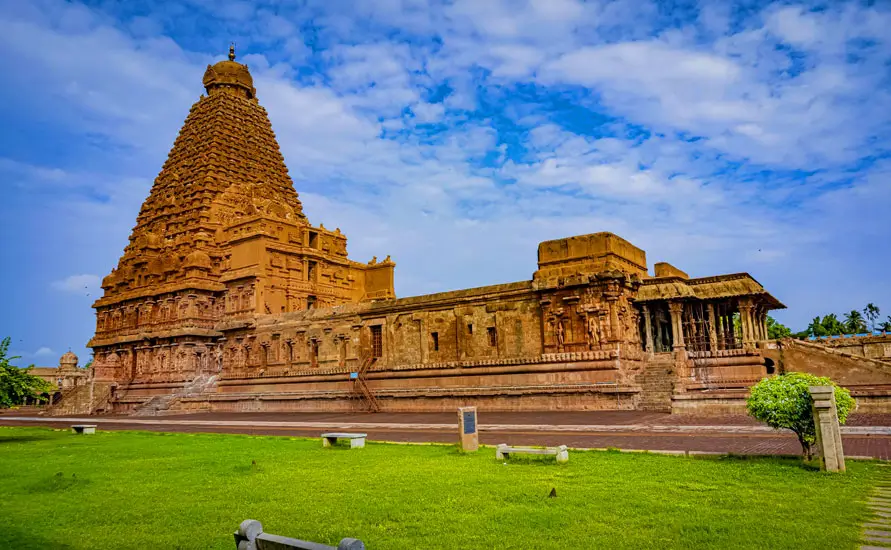
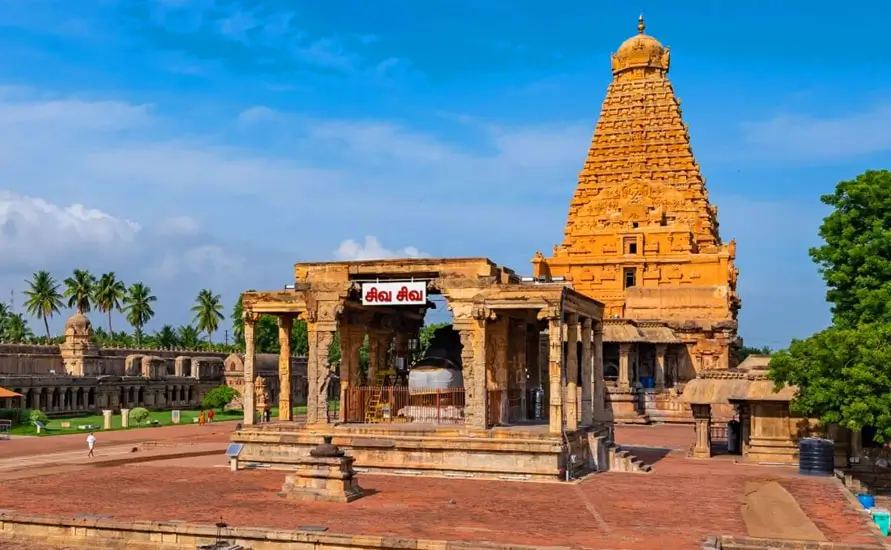
The Brihadeeswarar Temple, raised by Rajaraja I and consecrated in 1010, is part of a UNESCO listing called the Great Living Chola Temples and still holds daily worship. Its granite tower rises roughly 66 meters and is crowned by a single capstone of enormous weight, a feat of engineering that historians still debate. Your guide shows you the dancing figures carved around the base, the inscriptions that list the temple's donors and staff, and fragments of Chola-era murals in the inner passage, viewed when access allows. Footwear is left at the gate, and the temple asks visitors to dress conservatively. Lunch is at a heritage property in town.
Another two hours south brings you to Chettinad, a dry, flat district of some seventy villages built by the Nattukottai Chettiars, moneylenders and merchants whose networks stretched to Rangoon, Penang, Saigon and Colombo during the colonial era. They spent lavishly on their homes, importing teak, marble, tiles and chandeliers. Your stay for two nights is one of these mansions, restored as a luxury heritage hotel with vast courtyards, high ceilings and a pool, and its owners have hosted same-sex couples many times. Dinner is a traditional Chettinad feast served in the old dining hall. Overnight in Chettinad.
A local guide born into a Chettiar family leads this morning's walk through Kanadukathan, where whole streets are lined with mansions, some restored, some padlocked and slowly falling apart. Walking with someone whose grandparents lived here changes the visit: you hear how the front hall received guests and business partners, how the inner courtyards belonged to the women of the house, and how storerooms held trunks of brass, porcelain and silver gathered for daughters' weddings. If the family is at home, you may be invited into a still-occupied mansion with ancestors' portraits gazing down from the pillars.
Mid-morning you visit Athangudi, where a small workshop still makes the region's famous handmade floor tiles. Craftsmen pour colored cement into metal stencils laid on glass, then reinforce the layer from behind, and you can try pressing a tile yourself. Afterwards, there is time for the antique dealers of Karaikudi, whose warehouses are piled high with carved doors, pillars, lamps, enamel tins and old photographs salvaged from demolished homes; shipping can be arranged. Lunch is back at the mansion, followed by a swim or a nap through the hottest hours, when village life slows almost to a stop.
As the afternoon cools, the mansion's head cook invites you into the kitchen for a private Chettinad cooking session. This is one of India's most admired regional cuisines, built on freshly roasted and ground spices, black pepper, dried red chili and a few unusual ingredients such as stone flower lichen. You grind a masala on a granite slab, learn the crackle of a tadka, the final splash of spiced oil, and cook dishes like pepper chicken or mushroom, a lentil kootu and a tangy kuzhambu. The dishes you make become your dinner, served under oil lamps in the courtyard. Overnight in Chettinad.
After an unhurried breakfast, the drive to Madurai takes about two hours through dry scrub and small farming towns. This is among the most ancient cities of South India, a center of Tamil poetry, learning and trade since the era of the Sangam poets, and today a busy, noisy place built around its great temple. Your hotel is a top-end retreat on a hillside outside the center, with wide lawns, old trees and views of the temple towers on the horizon. The staff have been told about any preferences you mentioned, and lunch is served on the terrace while the heat peaks.
Later, your scholar-guide takes you to the Thirumalai Nayak Palace, the 1630s residence of Madurai's most powerful Nayak ruler. What survives is only a fraction of the original, but the scale still astonishes: a courtyard ringed by giant white columns, arches that show Islamic influence, and a dome decorated with fine stucco. Your guide explains how the Nayaks, governors who broke away from the Vijayanagara empire, used this palace and the temple to project their power. If you are interested, an evening sound and light show retells the palace story after dark, usually with an English session.
From the palace you drive to the Gandhi Memorial Museum, inside the former palace of a Nayak queen on the edge of the old city. Its galleries trace India's struggle for independence and include one of the most poignant objects in the country: the bloodstained dhoti from his assassination in 1948. It is a quiet, reflective visit, a counterweight to the noise of the bazaars. Back at the hotel, the chef serves a Madurai tasting menu with kari dosai, mutton chukka and parotta, finished with jigarthanda, the city's famous chilled dessert drink. Overnight in Madurai.
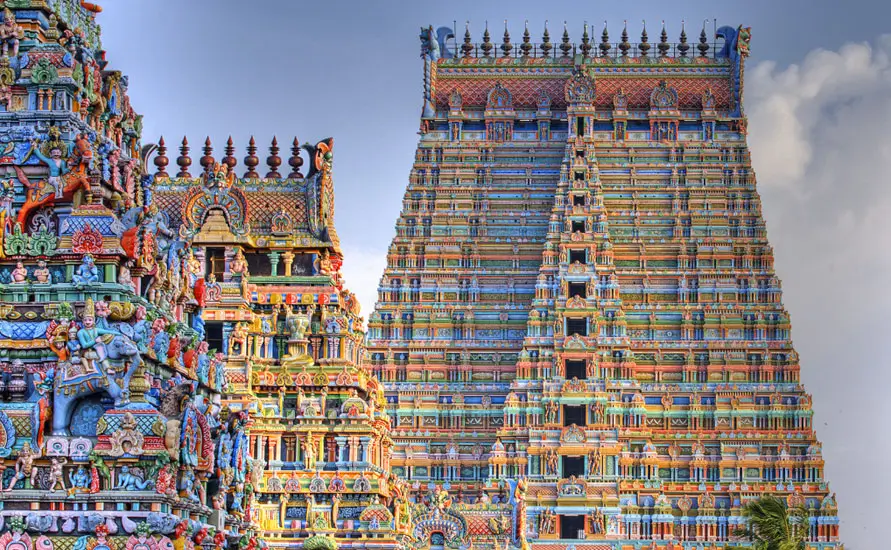
Be at the east gate of the Meenakshi Amman Temple soon after it opens, when its fourteen painted gopurams, the highest topping 50 meters, catch the first sun. Mornings bring the quietest hour for a visit, with devotees arriving with flowers and the halls echoing with bells. Mobiles and cameras are not permitted past the gate, so you check them in first; the innermost shrines are reserved for Hindu worshippers. Your scholar-guide tells the story of Meenakshi, a fierce princess who conquered the world before marrying Shiva in his form as Sundareswarar, and leads you through pillared halls carved with musicians, dancers and mythical beasts. You also pause by the temple tank, where poets once tested their verses.
Next comes the wholesale flower market, a riot of jasmine, roses and marigolds traded by weight before dawn and into the morning, and then to the tailors' arcade near the temple, where a shirt or a kurta can be cut and stitched for you in a day. Lunch is in a long-established restaurant serving classic Madurai meals on banana leaves. This is a deeply traditional temple city, so dressing modestly and keeping affection private is wise here; your guide will read the mood around you and make sure you feel comfortable and unhurried through the day.
Return to the hotel for an afternoon rest before heading back into town after dark for the palliyarai ceremony, which usually begins around 9 pm. The priests lift Sundareswarar onto a palanquin, with drummers and pipers leading the way, to the sanctum of Meenakshi, where the divine couple are put to bed for the night. Few rituals in India feel as intimate, and your guide finds you a respectful place to stand and watch. The hotel kitchen stays open late for you, with a light supper waiting by the pool when you return. Overnight in Madurai.
Your route west to the hills runs through Theni district, a farming belt of cotton, grapes, coconut and sunflowers, before the small town of Bodinayakanur marks the foot of the Western Ghats. From here the road zigzags steeply up the escarpment, gaining well over a kilometer of height in less than an hour, with wide views back over the Tamil plains. Your driver knows the safest places to pull over for photos. As you cross the Bodi Mettu pass into Kerala, cardamom plantations shaded by tall forest trees take over, and the air turns noticeably cooler.
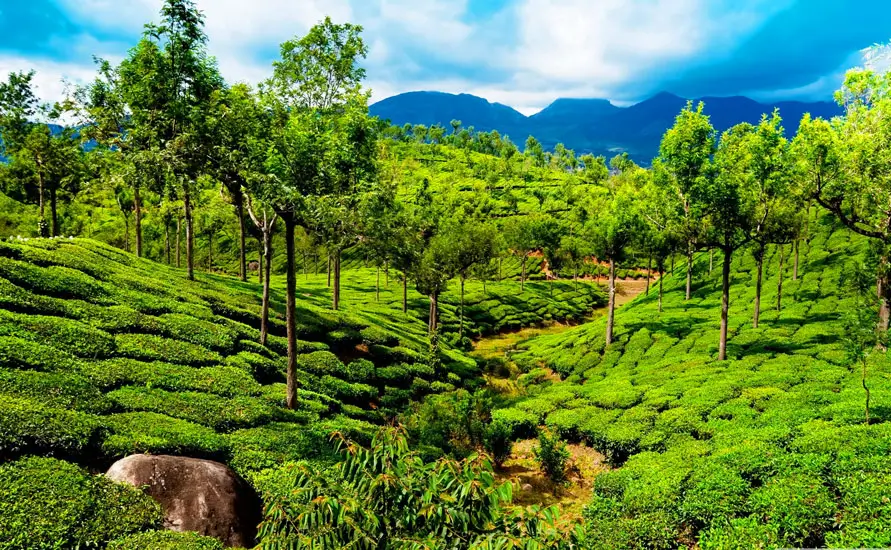
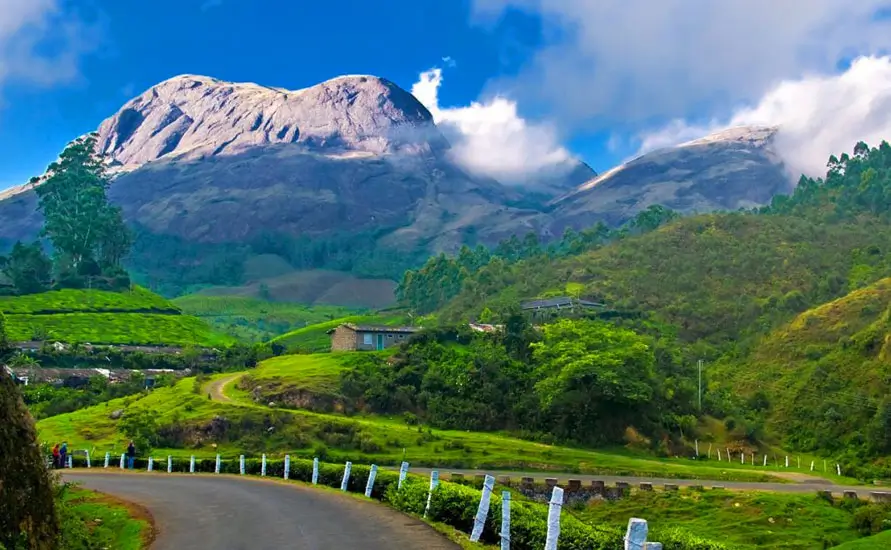
By early afternoon you reach Munnar and your base for two nights, a restored planter's bungalow on a working tea estate, booked privately or shared with only a handful of other guests. These houses were built for British estate managers in the early 20th century, and the best have kept their wooden floors, fireplaces, deep verandas and old photographs while adding modern bathrooms and comforts. A butler and a private cook look after you, and the estate has confirmed in advance that same-sex couples are welcome, with your room arranged exactly as you asked.
Spend the rest of the day settling in. You can wander the paths through the tea bushes around the house, sit on the veranda with a pot of tea grown on the slope below, or ask the butler to pack a picnic for a nearby viewpoint. In the evening, the cook prepares dinner for you alone, often a mix of Kerala dishes and Anglo-Indian recipes handed down from the planters, such as a mild mulligatawny or a cutlet with spiced gravy, served by candlelight next to the fire. Nights in the hills can be chilly, so bring a warm layer. Overnight in Munnar.
Mist usually sits in the valleys until mid-morning, and an early walk with a local naturalist through the estate shows the hills at their softest. Your guide explains how pickers select only the top leaves and buds, how bushes are pruned to waist height, and how the shade trees protect the tea, while keeping an eye out for birds such as the Malabar whistling thrush and the black-and-orange flycatcher. After breakfast, a senior planter takes you around the estate factory and then hosts a professional tea tasting, teaching you to slurp, judge and compare leaf grades the way buyers do at auction.
Late morning offers a choice. You can drive to Eravikulam National Park to see the Nilgiri tahr grazing on the grassy slopes, bearing in mind that it is closed for the calving season for a few weeks in late winter, or simply stay at the bungalow and enjoy its gardens. Lunch is served on the veranda, with vegetables from the estate's kitchen garden and fresh cardamom in the dessert. The afternoon is entirely free: read, sleep, or ask the butler to book a massage therapist who comes to the bungalow with oils and a folding table.
Toward sunset, the car heads to a lesser-known viewpoint on the estate roads, where ridge after ridge of tea fades into blue as the sun drops. Back at the bungalow, the cook can give you a hands-on demonstration of Kerala breakfast classics such as appam and stew, or fish molee in coconut milk, before serving dinner for two. Munnar town itself is small and conservative, but your private bungalow is exactly that, private, and you can relax completely within its walls. Our support team is a phone call away if you need anything at all. Overnight in Munnar.
After breakfast you leave the tea hills and follow the road down through Adimali and Neriamangalam, where a long bridge crosses the Periyar river, before descending into the rubber and pineapple country of Kothamangalam and Muvattupuzha. The temperature rises with every kilometer, and the landscape turns from clipped tea to tall coconut palms and paddy. Stock up on cardamom and pepper at a roadside spice garden if you like, or at a small toddy shop famous for its spicy fish fry. Lunch is late, at the resort in Kumarakom, across the water of Vembanad Lake from Alleppey.
Kumarakom is home to several of Kerala's most refined lake resorts, and your villa for two nights sits right on the water, with its own plunge pool or garden, polished wooden floors and a wide deck facing the lake. The resort has welcomed same-sex couples for years, and its staff are known for a quiet, personal style of service that never intrudes. Spend the afternoon by your pool, take a walk through the resort's network of canals and lawns, where purple herons hunt in the shallows, or reserve side-by-side Ayurvedic treatments.
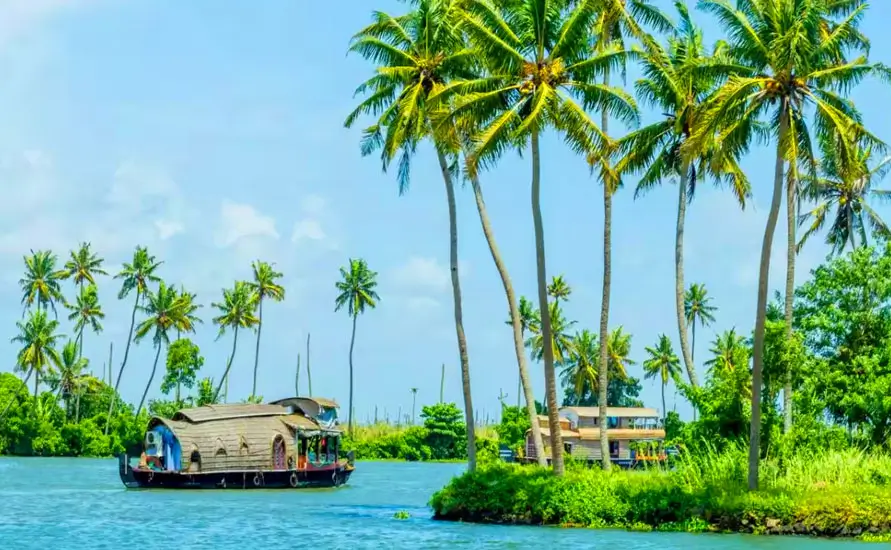
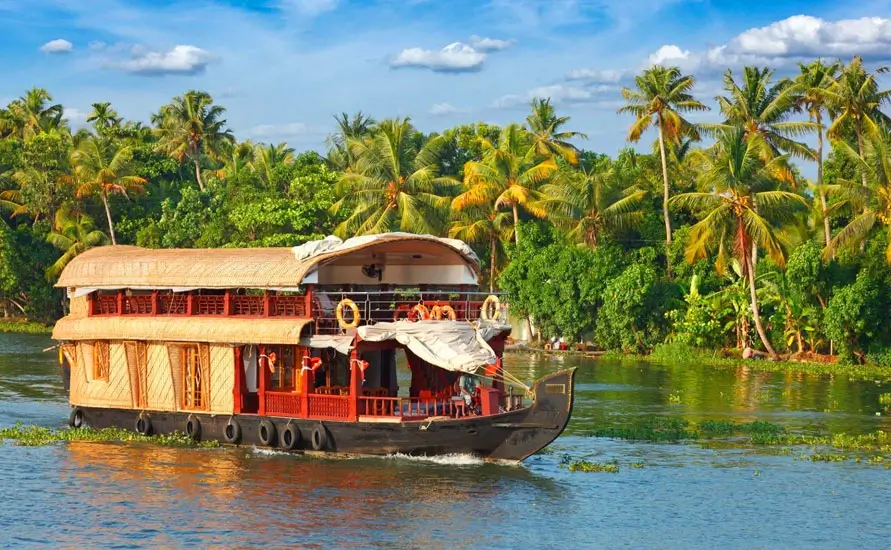
At around five, a private motorboat pulls up at your villa's end of the jetty for an evening on Vembanad, with chilled drinks and warm banana chips on board. The boat heads out into open water, where the horizon is almost flat and the light changes fast, from gold to rose to dusky blue, while fishing canoes and the odd houseboat drift home. Later, dinner is laid on your private deck or at a candlelit table by the water, with the resort's chef sending out Kerala seafood and a few international dishes. Overnight in Kumarakom.
Bird lovers can rise early for a walk with a naturalist through the Kumarakom Bird Sanctuary, a green belt of mangrove and trees on the lake shore where darters, egrets and night herons roost in the branches. After breakfast, a private canoe slips into the thin village channels where no houseboat can fit, paddled by a local boatman who grew up here. You glide past homes with washing on the line, small chapels, duck farms and paddy fields, stopping to watch a fisherman cast a net, a woman twisting coir by hand or a toddy tapper shinning up a palm with a knife at his belt.
Lunch is in a village home, cooked by a family our guides have known for years and served on banana leaves on the veranda: red rice, fish in a fiery red curry, cabbage thoran, crisp papadam and a thin buttermilk to cool things down. The family is usually happy to answer questions about farming, fishing and life on the backwaters, with your guide translating. It is an honest, unpolished glimpse of Kerala home life and often one of the most talked-about moments of the trip. You return to the resort for an afternoon of rest by your pool or in the spa.
In the evening, the resort's executive chef hosts a private chef's table dinner for you, a multi-course menu cooked in front of you with wines or cocktails chosen to match. Each dish is explained as it comes: karimeen, the prized pearl spot, wrapped in leaf and grilled over coconut husk; tiger prawns with kokum; duck roast in the Syrian Christian style; and vegetables and herbs cut from the resort garden that afternoon. The chef will happily change the menu to suit dietary needs or a sweet tooth. It is a fitting way to toast the trip so far. Overnight in Kumarakom.
A slow breakfast by the lake comes before a two-hour transfer to Kochi, crossing the bridges and backwater islands that lead into the old port. Your last two nights are spent in a luxury heritage hotel on the harbor front, a former trading house restored with whitewashed walls, teak beams, antique furniture and a pool facing the water. As at every stop on this tour, our team has confirmed the welcome for same-sex couples in advance, and Kochi as a whole is among the most relaxed cities in Kerala, with a young, creative crowd and a strong arts community.
After lunch, your private guide leads an afternoon walk focused on art and design. You visit contemporary galleries in converted spice godowns, several of them venues for the Kochi-Muziris Biennale, a major international art show held about every two years, and seek out the street murals and installations that remain between editions. Along the way, small concept stores show off Kerala designers working with handloom cotton, natural dyes and recycled materials. The walk finishes on the waterfront by the giant cantilevered fishing nets, with the evening breeze coming in off the harbor.
The evening is free to enjoy Fort Kochi, one of the most comfortable places in India for LGBTQ+ visitors to relax over a drink. For dinner, our concierge will book the best table at a restaurant known for its modern take on Kerala cooking, set in a converted warehouse or a heritage mansion, or you can stay in with a private poolside dinner, lit by lanterns, with the lights of ships moving past in the channel. Either way, you are a short stroll from your room, with the sound of the harbor all around you. Overnight in Kochi.
A local chef meets you at the hotel early and walks you to a nearby fish market, where boats unload their catch and auctioneers shout prices in rapid Malayalam. The chef shows you how to spot the freshest fish by its eyes and gills, which crabs are full of meat and what the different prawns are called. You choose your ingredients together, then return to the hotel kitchen or a private cooking space, where the chef prepares a market-to-table lunch: perhaps pomfret wrapped in banana leaf, a coconut prawn curry and a spicy mud crab roast, served with Kerala red rice.
In the afternoon, your guide leads you through Mattancherry, starting with Mattancherry Palace and its remarkable Hindu wall murals, then walking to the Paradesi Synagogue, whose floor of hand-painted Cantonese tiles has no two pieces exactly alike. Neither site opens daily (the palace rests each Friday; the synagogue also closes Saturdays and Jewish festivals), so this afternoon is placed on a weekday that suits both. Around them, the lanes hold antique dealers, spice merchants and boutiques, and your guide knows which ones are worth your time for a final round of shopping.
For your farewell evening, a chartered launch carries you on a last loop of Kochi harbor, passing the fishing nets, Bolgatty Island and the busy shipping lanes, with drinks on board as the city lights come on. Afterwards, enjoy a farewell dinner at your hotel or a restaurant of your choice, looking back on two weeks of bronzes, mansions, tea hills and lake evenings. Our team will confirm your departure time and the car, and the hotel can help with packing and shipping if you have bought anything large along the way. Sleep well on your final night in India. Overnight in Kochi.
Linger over a final harbor-view breakfast before your chauffeur loads the car for the hour-long run to Cochin International Airport. Pickup is timed to leave a full three hours at the terminal, and for a late departure we can request a day suite or keep your room until the evening, depending on availability. Our concierge stays reachable by phone until you have passed through the airport doors and checked in.
Over fifteen days, this LGBTQ+ luxury South India tour has taken you from Chola bronzes in Chennai to Chettinad kitchens, a planter's fireside and quiet nights on Vembanad Lake. We hope it gave you the comfort, privacy and depth you were looking for, and when you are ready to return, perhaps for Rajasthan or the Andaman Islands, our team would be delighted to plan it with you.
Your Journey

N.S. Rathore & Mrs. Omlata Rathore · Managing Director
We still read every enquiry ourselves. Tell us the places you liked and our planners will send a day-by-day route with drive times and a clear price.
Every package can be customised and no pressure to book. A planner from our office replies within 24 hours with a route written for your group.
Fill this in and your planner will send a first draft itinerary.
Explore more
Kerala Backwaters Escape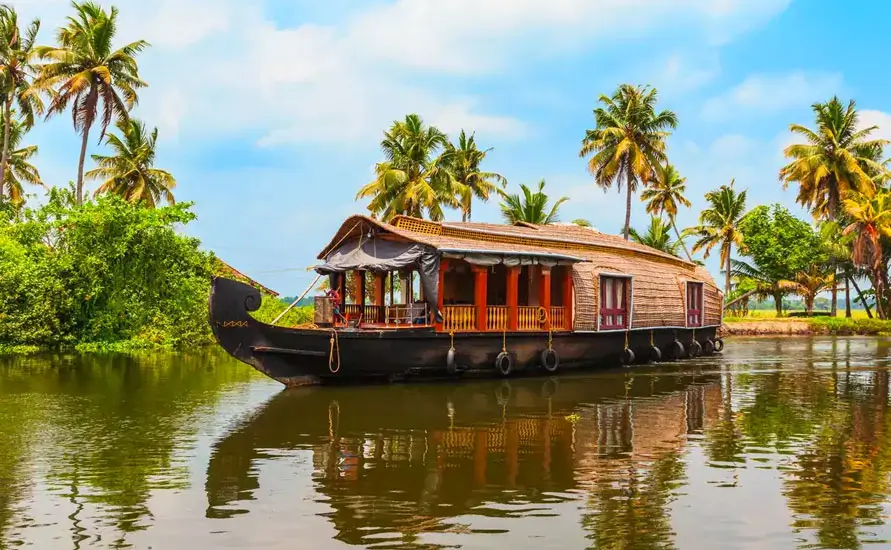 Kerala Backwaters Escape
 Kerala Backwaters Escape
 Kerala Backwaters Escape
 Kerala Backwaters Escape
 Kerala Backwaters Escape
 Kerala Backwaters Escape
 Kerala Backwaters Escape
 Kerala Backwaters Escape
 Kerala Backwaters Escape
 Kerala Backwaters Escape
 Kerala Backwaters Escape
 Kerala Backwaters Escape
 Kerala Backwaters Escape
 Kerala Backwaters Escape
 Kerala Backwaters Escape
 Kerala Backwaters Escape
 Kerala Backwaters Escape
 Kerala Backwaters Escape
 Kerala Backwaters Escape