 Kerala Backwaters Escape

LGBTQ+ Friendly South India Tours
Bangalore – Channapatna – Srirangapatna – Mysore – Bylakuppe – Coorg – Kannur – Kochi – Alleppey – Varkala – Trivandrum
At a glance
Women traveling without men in India get asked the same questions again and again, and queer women get a few more. Our Lesbian and Queer Women South India Tour is planned so that those questions are already answered before you land. It runs for thirteen days from the café culture of Bangalore through royal Mysore and the coffee estates of Coorg, down the Malabar coast to Kochi, onto a private houseboat in Alleppey and finally to the cliffs of Varkala. You can book it privately as a couple or as a small group of friends, with the same route either way.
Safety shapes the details. Drivers are long-serving, vetted and briefed, hotels are chosen for their location and staff as much as their rooms, and every property has confirmed in advance that two women sharing a double bed is welcome. Women guides can be requested in Bangalore, Mysore and Kochi, subject to availability. Along the way you meet women who run things: weavers in Kannur's handloom cooperatives, coir workers in Alleppey, a Kodava host who cooks for you in Coorg and craft enterprises in Bangalore that train and employ women. Our team is reachable 24/7, and nothing on the plan involves traveling after dark on country roads.
We prefer to be straightforward about the country. A 2018 court judgment ended the criminal ban on gay relationships, yet two women still cannot marry here, and open affection between any two people draws looks outside the cities. Bangalore and Kochi are relaxed and have visible queer communities, whereas pilgrimage towns and farming villages hold older views, and covered shoulders plus a little reserve smooth the way there. Within those limits, this queer women travel India route is relaxed and sociable, and the season from October to March brings dry, comfortable weather across the south.
Kempegowda International, the airport for Bangalore, is a long way north of town, often an hour or more by road, so we send a car and a team member to meet you as you exit the terminal. If you have asked for a woman to receive you, we arrange it where we can. Your hotel is in a central, well-lit area with good restaurants nearby, chosen partly because you can walk out for dinner without needing a taxi. The booking states a double bed for two women, and the front desk has already confirmed it with us, so check-in goes without questions.
Bangalore runs on its own clock, with tech offices, students and a large migrant population from across India, and that mix gives it a more liberal social life than most Indian cities. Spend the afternoon sleeping off the flight, then sit down with our local representative in the hotel lounge. You get your printed plan, local SIM advice, the names of your drivers and a short, frank talk about dress, transport after dark and where in the south you can be openly yourselves and where you may prefer to be quieter. Ask anything at all; there are no awkward questions on our side.
In the evening, head to Indiranagar, a neighborhood of craft breweries, coffee roasters and small restaurants on and around 100 Feet Road and 12th Main. Bangalore has an established queer community, and several of the city's cafés and bars are known as welcoming places; our team keeps an up-to-date sense of which ones host friendly evenings and can point you in that direction. The city's Pride march, Namma Pride, is generally held in the last months of the year (dates confirmed each year), and a spare day can be kept loose for it. Overnight in Bangalore.
Mornings are the best time in Lalbagh Botanical Garden, when walkers, yoga groups and families have the paths to themselves before the heat builds. Your guide, a woman if requested and available, leads you through the 240-acre garden begun by Hyder Ali and finished by his son Tipu, with a Victorian glasshouse built in the style of the Crystal Palace and a granite outcrop that geologists date to about three billion years. A ten-minute ride brings you to the summer palace of Tipu Sultan, a two-story teak building with painted arches, and the nearby Venkataramana Temple.
Late in the morning you walk into the old trading quarter known as the pete, where each lane once specialized in a single trade, from brassware to bangles. KR Market, the city's largest flower and vegetable market, is a crush of jasmine, marigold and banana leaves, and your guide keeps you moving through the busiest parts. After lunch at a classic Bangalore eatery serving dosa and filter coffee, the afternoon turns to women-led businesses: a craft or textile enterprise that trains women from low-income families in block printing, embroidery or tailoring and sells their work at fair prices.
These social enterprises are part of a wider movement in Bangalore, where nonprofits and designers work with women artisans from Karnataka and beyond. Buying here is a good way to put money directly into women's hands, and staff are happy to explain how the training and wages work. The evening is free. If you liked Indiranagar, try Koramangala or the bars around Church Street and MG Road, all central and busy with young professionals. Use the app-based taxis we recommend, which are reliable and trackable, or call our team if you want the driver for a late return. Overnight in Bangalore.
The expressway south toward Mysore has cut travel time in recent years, but we take it slowly and stop along the way. About an hour out of Bangalore is Channapatna, whose nickname all over India is Gombegala Ooru, the town of toys, where wooden toys are turned on a lathe and colored with natural lacquer made from plant dyes and resin. Many families still work in courtyard workshops, and you can watch spinning tops, stacking rings and small animals being shaped and polished. Women do much of the finishing and packing, and buying straight from a workshop is better value than city shops.
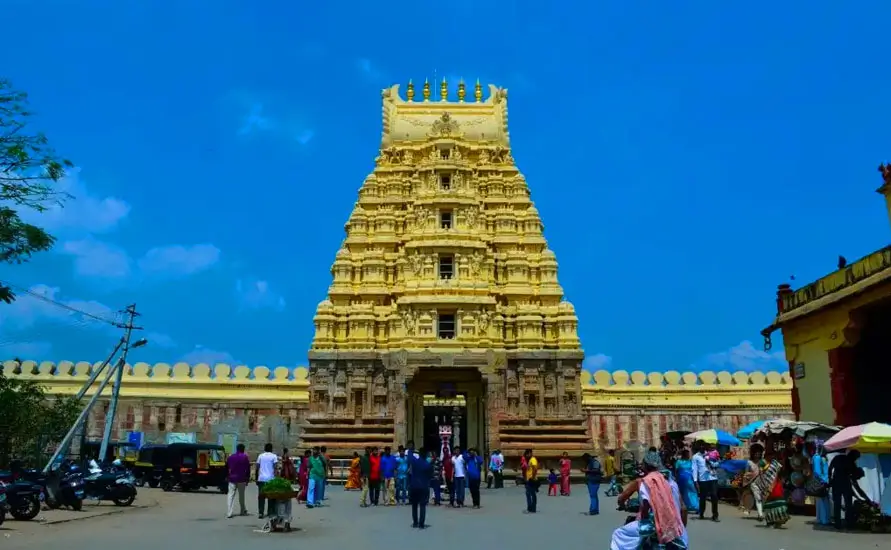
Your next stop is Srirangapatna, a strip of land with the Kaveri flowing on both sides, where Tipu Sultan held court until British troops took it in 1799. The guide shows you the ruined fort walls, the spot where Tipu fell, and Daria Daulat Bagh, a garden residence whose wooden walls are covered with murals of battles, processions and courtiers in faded reds and golds. The Sri Ranganathaswamy Temple here is a working Hindu temple where shoulders and knees should be covered. If the river is high, the ghats along the water are a pleasant place for a short break.
By mid-afternoon you are in Mysore, settling into a heritage hotel or a comfortable modern one. Mysore is calmer and more traditional than Bangalore, a city of old palaces, sandalwood and silk, and it feels safe and easy to walk around in the center. After a rest, take a short evening walk around the Devaraja Market area with your guide, where you can buy jasmine strings, kumkum powder in small mounds of color and Mysore pak, the dense, sweet chickpea-flour fudge named after the city. Dinner can be traditional thali or something lighter at your hotel. Overnight in Mysore.
After fire burned the old timber residence of the Wadiyar kings in 1897, Mysore Palace was raised again in stone over fifteen years, and its Indo-Saracenic domes and arches now dominate the city center. Inside, look up at the Kalyana Mantapa's peacock-patterned glass dome, the carved and gilded pillars of the public Durbar Hall, and the corridors of oil paintings depicting the Dasara procession. Footwear goes into a locker near the gate, and your guide will say where cameras and phones may be used. The palace grounds also hold several small temples and a doll pavilion, worth a quick look if time allows.
Around eleven the car climbs Chamundi Hill, roughly thirteen kilometers out of town, to the Chamundeshwari Temple, dedicated to the goddess who is said to have defeated the buffalo demon Mahishasura. Halfway up the hill sits a giant monolithic Nandi, the bull of Shiva, carved in the seventeenth century, and the viewpoint near the top gives you a clear look over the city and palace. The temple can be crowded at weekends, so arrive early or plan for a queue; women visitors often wear a long skirt or loose trousers and cover their shoulders here.
After lunch, visit the government-run silk weaving factory to see Mysore silk being made on power looms from raw thread to finished sari; the work floor is noisy, and much of the inspection and finishing work is done by women. The factory shop sells genuine silk at fixed prices. If you are in town on a Sunday or public holiday, tens of thousands of bulbs outline the palace for about three quarters of an hour after seven, and we plan your evening around it if your dates allow. On other evenings, a crisp Mysore masala dosa with red chutney at an old-style eatery rounds things off nicely. Overnight in Mysore.
After breakfast you leave Mysore on the road west, passing sugarcane and coconut farms before the land begins to rise into the Western Ghats. About two hours in you reach Bylakuppe, among India's biggest Tibetan settlements, set up in the 1960s on land granted to families fleeing Tibet. Monks in maroon robes walk the lanes between monasteries and small farms, and it is quiet and orderly, a world away from the busier towns nearby. Foreigners may need to carry their passports in this area, and our team confirms the current rules in advance.
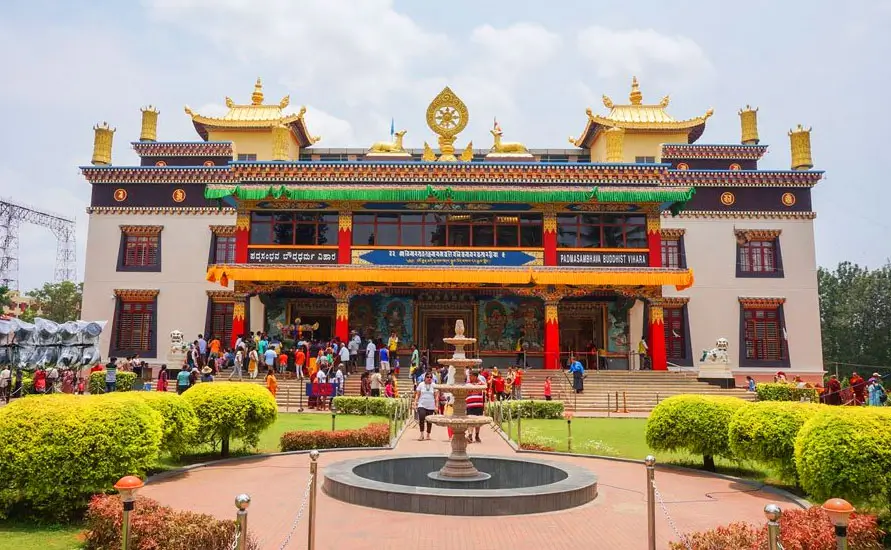
Inside Namdroling Monastery, which locals call the Golden Temple, the great prayer hall is dominated by three towering gold figures, of the Buddha, Padmasambhava and Amitayus, rising nearly twenty meters. If you arrive during prayers, you can sit quietly at the back as monks chant to the beat of long horns and drums. Lunch can be at a simple Tibetan restaurant near the monastery, serving momos, thukpa and butter tea. Several Tibetan women run small handicraft shops selling prayer flags, singing bowls and woolens, and your purchases here go straight to local families.
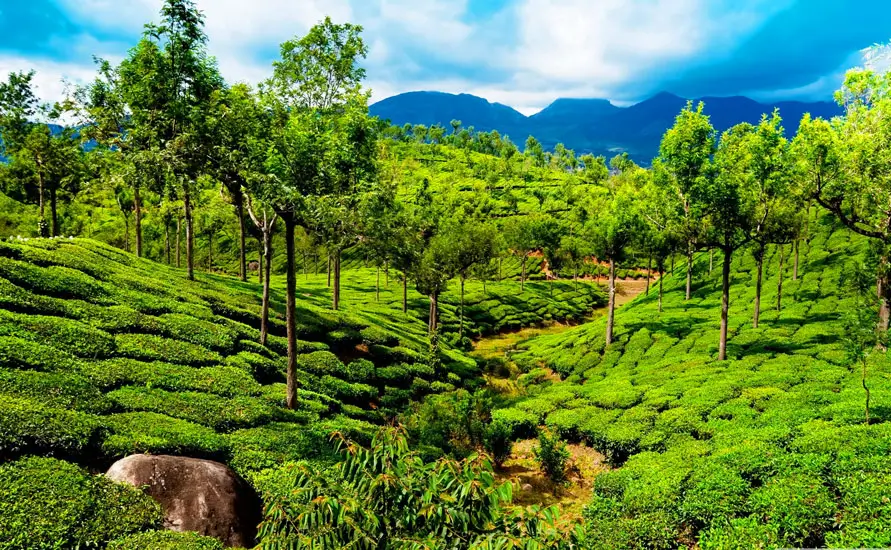
Another hour west brings you up into Coorg (Kodagu), where almost every slope is planted with coffee bushes, pepper and cardamom. You check in to a planters' estate stay or homestay chosen for its hosts as much as its views, with a double room confirmed for the two of you, or rooms for your group. Kodava homestays are often run by women, who manage the estate, the guest rooms and the kitchen. In the evening, sit on the veranda with a cup of estate-grown coffee as the hills turn blue, and join your hosts for dinner if they invite you. Overnight in Coorg.
An early walk through the coffee plantation with your host or an estate worker is the best start to the day in Coorg. Coorg coffee grows in shade, below silver oaks and old forest trees that carry pepper vines, with cardamom clumps on the cool ground, and you will see robusta and arabica bushes, the processing yard where the cherries are dried, and maybe a small pulping unit. Your guide explains how coffee came to Coorg in the nineteenth century and how the estates are run today, often by Kodava families who have owned them for generations.
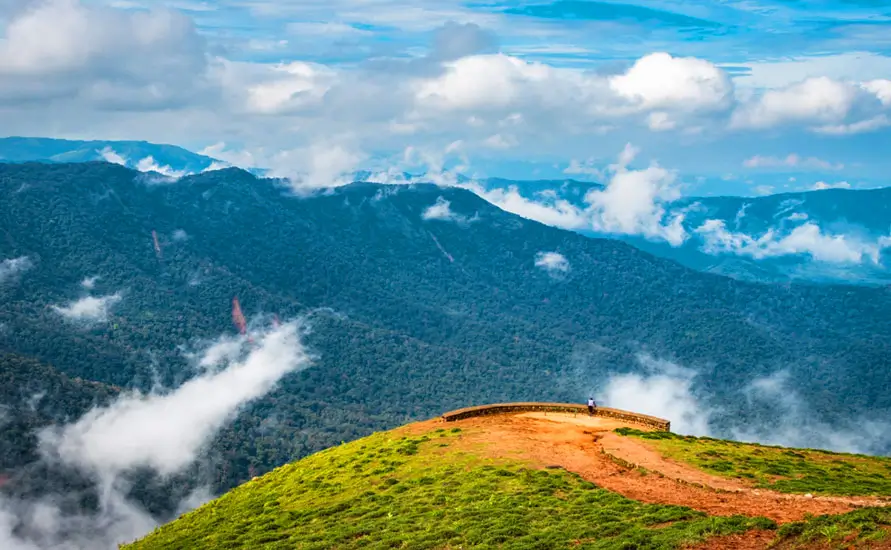
After breakfast you drive to Abbey Falls, about eight kilometers from Madikeri, where a few hundred steps lead down past private plantations to a cascade that is fullest after the monsoon. On the way back, stop at Raja's Seat, a stepped garden on the edge of Madikeri with long views over folded green ridges, a favorite sunset spot of the old local rulers. The small Madikeri Fort, now partly a museum, stands near the town center. Kodagu is a conservative but very hospitable district, and casual outdoor dress is fine at viewpoints; cover up a little more for temples and village homes.
In the afternoon, your host or a neighbor invites you into her kitchen for a Kodava cooking session. Kodava cooking has little in common with the rice-and-sambar food of the plains: pandi curry, pork cooked almost black with kachampuli, a sour fruit vinegar, akki otti rice rotis, kadambuttu steamed rice balls and bamboo shoot curry in season. Vegetarian versions are easy to arrange. You chop, stir and talk while she explains how Kodava weddings, harvest festivals and family life revolve around the kitchen. Dinner is the meal you helped to make, eaten with your hosts at the family table. Overnight in Coorg.
Leaving Coorg, the road drops steeply through forest and coffee country across the state border into Kerala, reaching the Malabar coast at Kannur, an old trading town once ruled by the Arakkal family, Kerala's only Muslim royal house. Kannur is far less visited than Kochi, which keeps the mood simple and local, and we break the long road to the south here to keep driving times short. Plan on roughly three and a half hours of winding ghat road, arriving in time for lunch at a small hotel or beach homestay with a double room confirmed.
Kannur is one of the historic centers of Kerala handloom, and several weaving cooperatives in and around the town produce cotton bedsheets, towels and furnishing fabrics, much of it for export. Many of the weavers and finishers are women, and a visit to a cooperative shows you every stage from dyeing and warping the yarn to weaving on large frame looms. Prices at the cooperative sales outlets are fixed and fair. Later you can visit St. Angelo Fort, a Portuguese-built laterite fort on a headland with views across the bay to the fishing harbor at Mappila Bay.
Between November and April, Kannur and the surrounding villages are known for Theyyam, a ritual performance in which dancers in red face paint and tall headdresses are believed to embody local deities, usually at temple festivals that run through the night. Performances follow the temple calendar, and dates are only fixed close to the time, so we check what is on during your stay and arrange a visit with a local guide if a performance is nearby. These are religious events, so dress modestly and follow your guide's instructions. Otherwise, enjoy a seafood dinner by the coast. Overnight in Kannur.
Instead of a long day on the busy coastal highway, you ride a daytime express from Kannur to Ernakulam, Kochi's main railhead; the trip lasts four or five hours. We book reserved air-conditioned seats, and your driver from Kannur sees you to the platform with your bags. Indian trains are an easy and safe way to travel this route in daylight; women traveling together are common in the AC coaches, and your seats are reserved in advance. Bring snacks or buy coffee and vadas from the vendors who walk through the carriages.
On the platform at Ernakulam our Kochi staff collect you for the forty-five-minute ride to Fort Kochi, where your hotel in the old town has a double bed for you or rooms for your group. For queer visitors, few places in India feel as easy as Fort Kochi, with a creative, international crowd and an art scene shaped by the Kochi-Muziris Biennale. Kerala's annual Queer Pride is held in a different city each year, dates confirmed each year. In the evening, wander the lanes near the beach for dinner. Overnight in Kochi.
Your guide, a woman if you asked for one, meets you after breakfast for a Fort Kochi walk built around the people who traded and settled here: Arab and Chinese merchants, Portuguese, Dutch and British colonists, Jewish families and Konkani traders from the north. Setting off by the row of fishing nets on the shore, you pass the old Dutch cemetery and reach St. Francis Church, founded by Portuguese friars in the early sixteenth century. The guide also points out the houses whose courtyards hide galleries, cafés and small boutique hotels.
In Mattancherry, the rooms of Mattancherry Palace hold some of Kerala's most celebrated murals, including scenes of Krishna and episodes from the Ramayana, painted in a glowing palette of natural pigments. A short walk on, the Paradesi Synagogue still holds services for Kochi's tiny Jewish community, and its interior is lit by hanging oil lamps and glass chandeliers. We slot this day carefully, since the palace is closed each Friday and the synagogue is closed for the Sabbath (Friday and Saturday) and for Jewish festivals. Pepper merchants and dealers in old furniture share the narrow lanes outside.
Later you call in at a small tailoring and crafts unit that employs local women, where garments, bags and home textiles are cut and stitched by hand. Units like this give women in Kochi steady work close to home, and you can order a simple outfit made to measure in a day or two if you wish. The evening is free. Fort Kochi has plenty of relaxed cafés and restaurants, and the beach promenade is busy with locals at sunset. For dinner, try Kerala-style fish curry or a vegetarian sadya, a Kerala feast of a dozen small dishes laid out on a leaf. Overnight in Kochi.
On the way south to Alleppey, you stop at a coir workshop where women spin and weave the fiber from coconut husks into rope, mats and carpets. Coir is one of Kerala's traditional industries, and Alleppey has been its center for well over a century; much of the work, from beating the soaked husks to spinning yarn on wooden wheels, has long been done by women. The visit lasts about an hour and gives you a close look at a craft that supports thousands of families around the backwaters. Mats and small products are for sale if you would like to buy something.
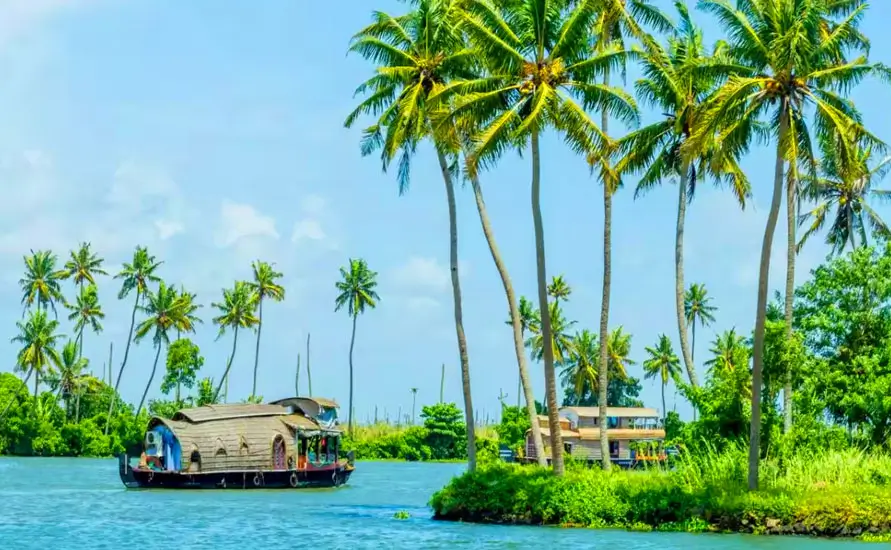
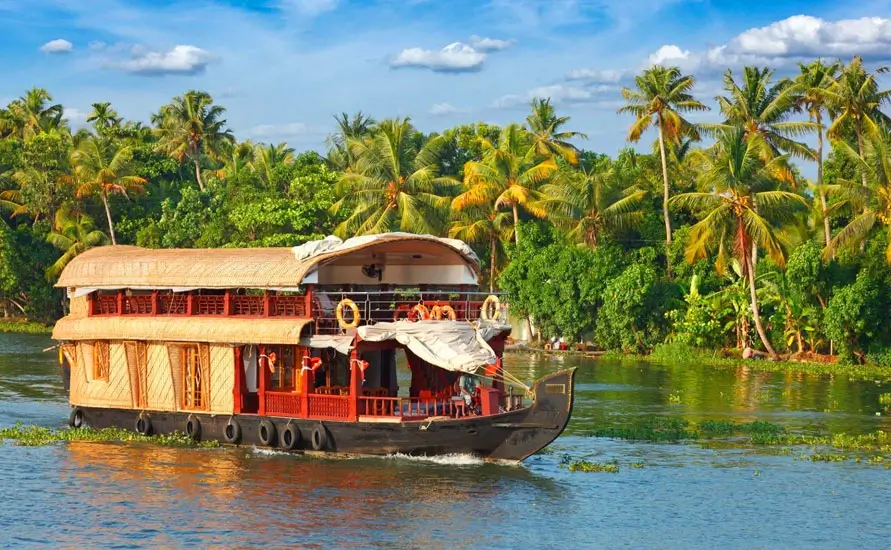
Boarding for your private houseboat is around midday; it is reserved only for you, with one or more double cabins depending on your numbers. Its crew has been told beforehand that their guests are a group of women or a couple, and every boat we book comes from an owner we have used for years. Lunch arrives within the first hour: rice, a spicy fish curry, vegetable thoran and pickles. The boat cruises through the canals of Kuttanad, where rice paddies lie below the water level, past churches, temples and small villages where life is lived on the water. Sit at the bow with a fresh lime soda and watch.
Since houseboats have to halt and anchor in the early evening, yours makes fast to the bank beside the rice fields. With chai and fried snacks at dusk, you may see women from nearby houses washing pots at the water's edge or children rowing home from school. Supper comes from the galley, mild or fiery as you prefer, with vegetarian dishes on request. The boat is private, so the deck and evening are yours, and the crew retires to its own quarters at the stern. Mosquito nets or screens and air-conditioning make for a comfortable night. Overnight on the houseboat.
Waking up on the backwaters means early light on the paddy fields, a thin mist over the canal and fishermen already out in small canoes, checking the nets they set overnight. You have breakfast while the boat chugs back to the landing, and disembark at about nine. Crews here are used to a tip at the end, normally handed to the captain to share. The car then heads down the coast toward Varkala by way of Kollam, an old spice-route harbor and the southern end of the backwater network. You can stop there for coffee or lunch.
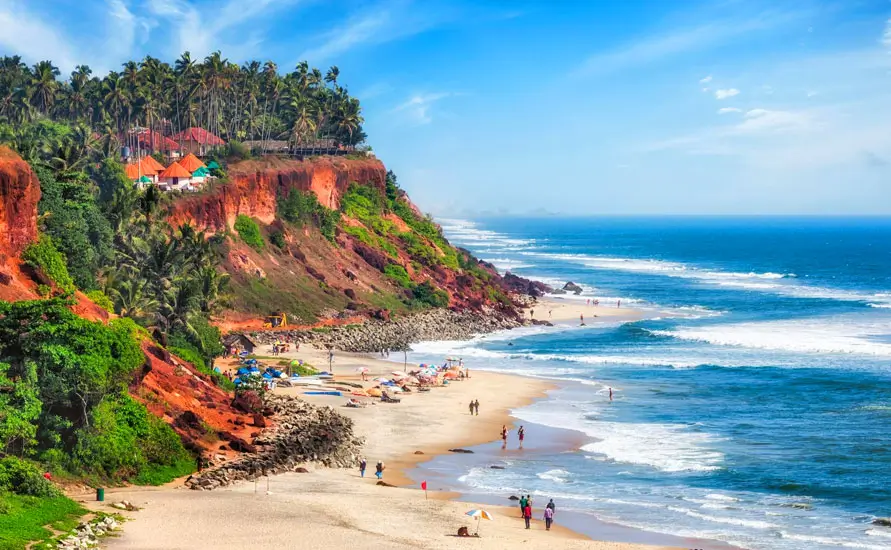
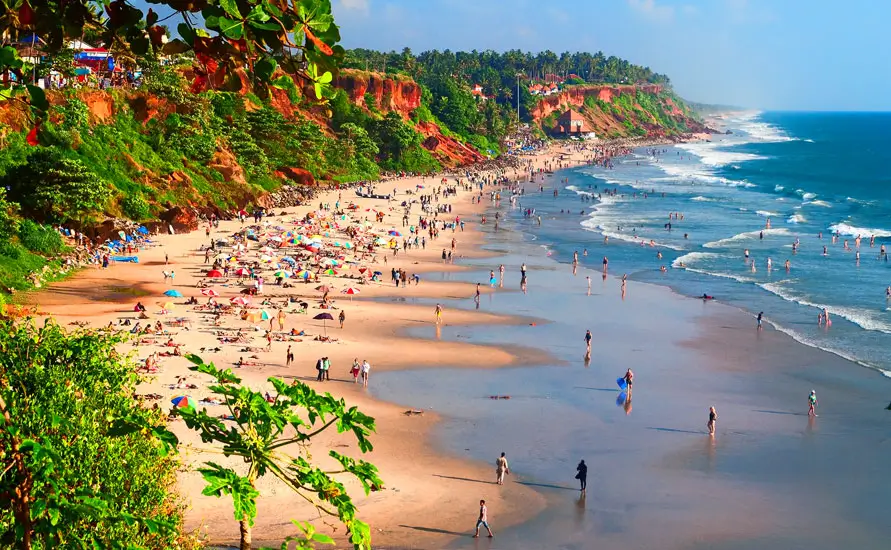
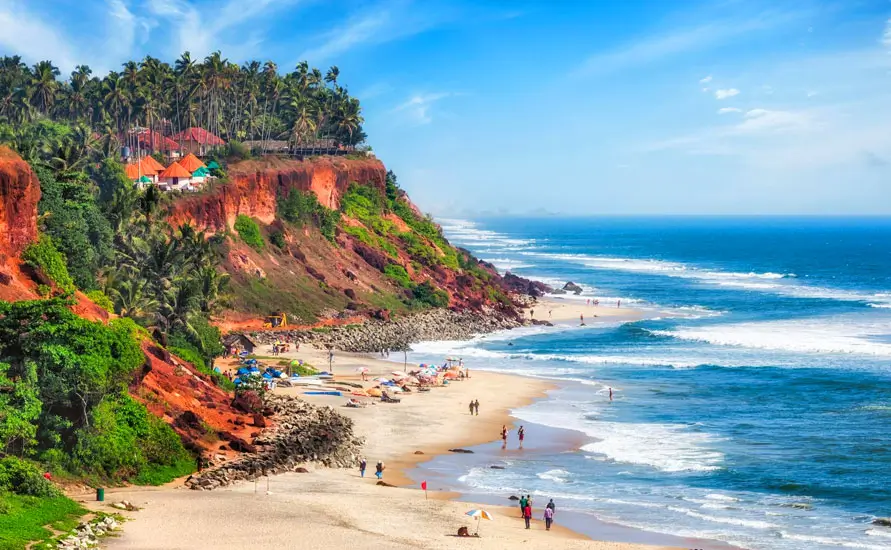
Varkala is set on red laterite cliffs above the Arabian Sea, unusual on Kerala's mostly flat coast, and a footpath along the North Cliff links guesthouses, cafés, shops and yoga shalas. It has long drawn independent travelers and long-stay visitors from abroad, and the cliff has a laid-back, international atmosphere where groups of women travelers are a common sight. Your hotel on or near the cliff has a double room for you, or rooms for your group, confirmed in advance. Below the cliff, steps lead down to the main beach, Papanasam, a sacred spot where Hindu pilgrims perform rituals for their ancestors.
Late in the day, stroll the cliff path and claim a café terrace for sunset over the water. The beach has lifeguards in the main swimming area, but the currents can be strong, especially in rougher months, so swim only where they indicate. For dinner, choose fresh seafood from the cliff restaurants' displays, grilled with garlic or cooked in a Kerala masala. Walking the well-lit cliff path in the evening is generally fine, but we suggest returning to your hotel by the main path rather than unlit side lanes. Overnight in Varkala.
The last full day is unplanned, giving you time to rest before the flight home. Varkala has many yoga shalas along the cliff, and several are run or taught by women, offering drop-in classes for all levels in the morning and late afternoon. After a class, take a long breakfast on a terrace overlooking the sea; fruit plates, banana pancakes, and South Indian dishes like dosa and idli are on most menus. If you want quieter sand, the beaches north of the main cliff, such as Black Beach and Odayam, are smaller and calmer.
Ayurveda is central to Varkala, with many clinics offering treatments from simple oil massages to longer therapies. Women guests are normally treated by women therapists, which is standard practice in Kerala, and we can recommend reputable centers and book treatments for the whole group at the same time. For something active, your driver can run you north to Kappil, where lagoon and sea lie side by side, and hire a canoe or a small boat for an hour. These activities are optional and paid directly to the providers, so you can decide on the day.
Your last evening is a chance to sit on the cliff and look back over the trip, from Bangalore's cafés and Mysore's palace to Coorg's coffee, the looms of Kannur and the backwaters of Alleppey. We will phone with tomorrow's pick-up time, and late flyers can keep the room longer or use a day room. For dinner, choose one of the quieter restaurants at the far end of the cliff, away from the music and the busier terraces, and enjoy fresh fish or a vegetarian thali by candlelight. Overnight in Varkala.
Breakfast done, your driver heads for Trivandrum International Airport. It is about ninety minutes by road, and we leave a generous buffer for check-in and security. Onward flights connect through the Gulf, Singapore or big Indian airports for London, Europe, North America and Australia. With an evening departure, a stop at the Napier Museum or a walk around the old Padmanabhaswamy Temple area can fill the gap.
In under two weeks you have covered Karnataka and Kerala and met many of the women who keep South India running, from weavers and coir spinners to home cooks and estate owners, while traveling as yourselves. We hope it felt easy, safe and enjoyable from start to finish. Until you board, our 24/7 number is still there for you. If you would like to return, Pondicherry, Goa and the temple towns of Tamil Nadu fit well with this same women-focused, LGBTQ+ friendly approach. Have a good flight, and thank you for choosing us.
Your Journey

N.S. Rathore & Mrs. Omlata Rathore · Managing Director
We still read every enquiry ourselves. Tell us the places you liked and our planners will send a day-by-day route with drive times and a clear price.
Every package can be customised and no pressure to book. A planner from our office replies within 24 hours with a route written for your group.
Fill this in and your planner will send a first draft itinerary.
Explore more
Kerala Backwaters Escape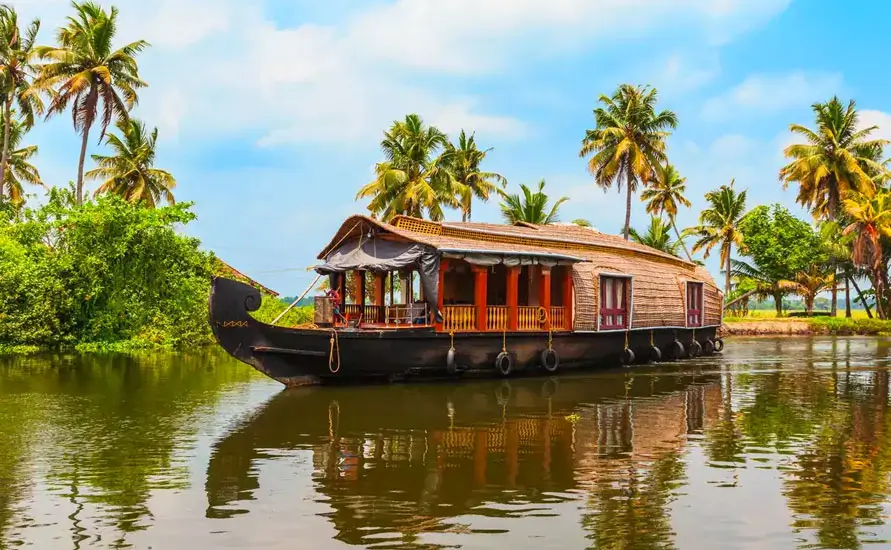 Kerala Backwaters Escape
 Kerala Backwaters Escape
 Kerala Backwaters Escape
 Kerala Backwaters Escape
 Kerala Backwaters Escape
 Kerala Backwaters Escape
 Kerala Backwaters Escape
 Kerala Backwaters Escape
 Kerala Backwaters Escape
 Kerala Backwaters Escape
 Kerala Backwaters Escape
 Kerala Backwaters Escape
 Kerala Backwaters Escape
 Kerala Backwaters Escape
 Kerala Backwaters Escape
 Kerala Backwaters Escape
 Kerala Backwaters Escape
 Kerala Backwaters Escape
 Kerala Backwaters Escape