South India Tour Cost for Foreigners: 2026–27 Price Guide for Private Tours
16 Oct 2026

Every year, thousands of travelers from Germany, Switzerland, the UK, the US and Australia fly to Kerala for one reason: to spend two or three weeks under the care of an Ayurveda doctor. Kerala has kept this traditional medical system alive more faithfully than anywhere else. Families of physicians have practiced here for generations, medicinal herbs grow in the hills behind the coast, and the state government licenses and grades treatment centers.
The word “Ayurveda” is now printed on almost every hotel spa menu in India. A 60-minute oil massage at a beach hotel and a properly supervised 21-day cleansing program have very little in common, so choosing the right place matters. This guide covers:
The information is general and practical. It is not medical advice. Anyone with a serious health condition, or anyone who is pregnant, should speak to their own doctor before booking.
What a Kerala Ayurveda Retreat Really Involves
An authentic Ayurveda retreat in Kerala is closer to a stay at a small clinic than a beach holiday with massages.
The first consultation
On arrival, a qualified Ayurveda doctor carries out a long consultation, usually 45 to 90 minutes. The doctor:
Common goals include deep rest, detoxification, weight management, better sleep, or relief from joint stiffness and back pain.
Treatment and diet
Treatments take place every day, usually for two to three hours, split between morning and afternoon. The doctor sees you every day, or every second day, and adjusts the oils, herbs and procedures as your body responds.
Your diet is prescribed too. Meals are vegetarian, freshly cooked and matched to your treatment stage. Alcohol, smoking and caffeine are normally not allowed during the program.
Main treatments and what they are
|
Treatment |
What it involves |
Length |
|
Abhyanga |
Full-body massage with warm herbal oil, done by two therapists moving in sync |
45 to 60 minutes |
|
Shirodhara |
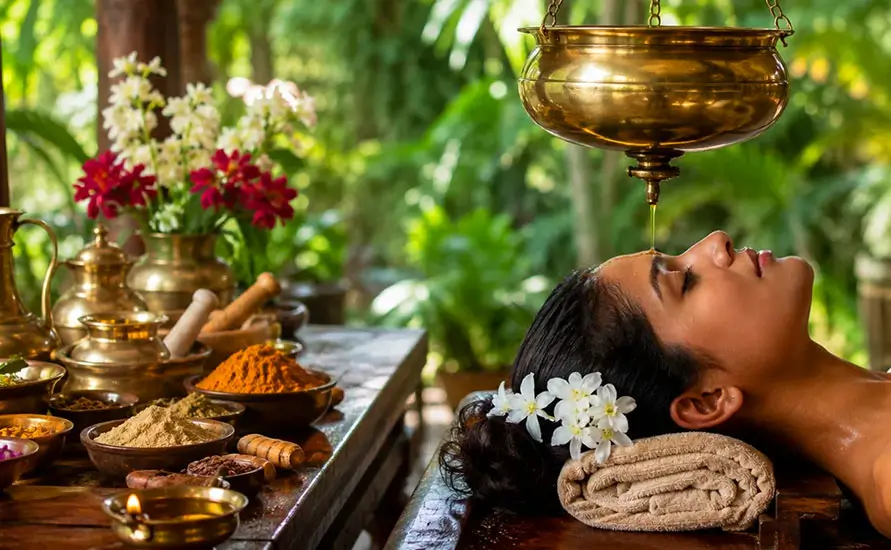
A thin, steady stream of warm medicated oil poured across the forehead; known for calming the mind and helping sleep |
30 to 45 minutes |
|
Herbal poultice massage |
Cloth bundles filled with leaves, herbs or rice cooked in milk are heated and pressed over the body |
Varies |
|
Herbal steam bath |
Taken in a wooden steam box with the head kept outside |
Varies |
|
Medicated nasal drops, eye treatments and oil retention therapies |
Prescribed for specific complaints |
Varies |
Panchakarma
The best-known program is Panchakarma, a classical cleansing process. It is the center of most two and three-week stays, and it is not a relaxation package. Over several days it includes:
This is why Panchakarma treatment in Kerala needs a minimum stay. It cannot be squeezed into a weekend, and good centers will refuse to try.
What it feels like
Guests should expect to feel tired, emotional or physically low during the cleansing days, especially in the second week. That is normal and is managed by the doctor. Many people describe a clear lift in energy, sleep and mood in the final days, and in the weeks after returning home.
Where it happens
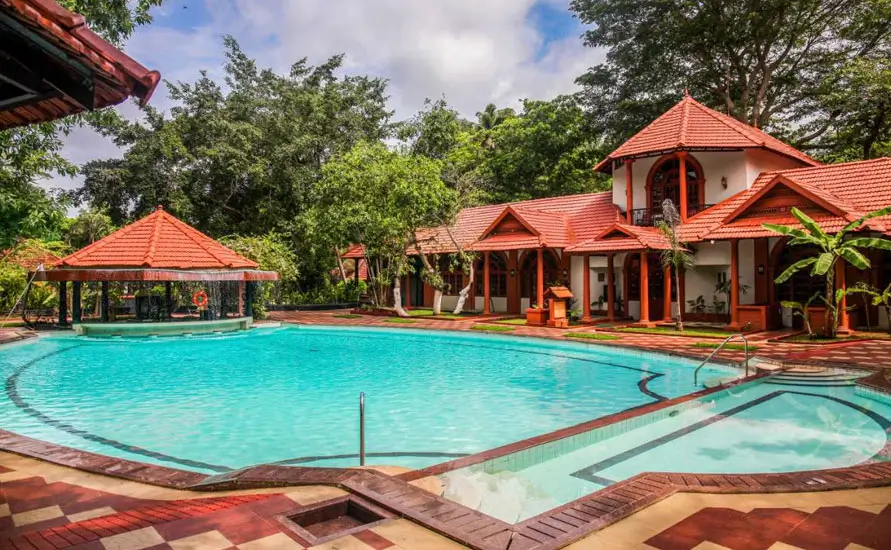
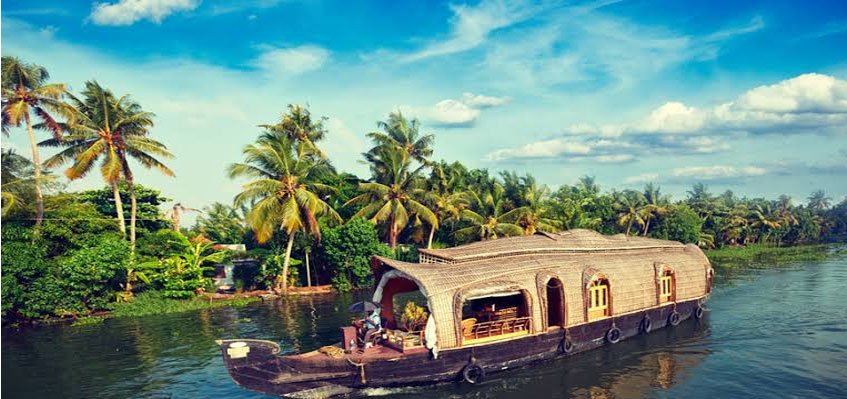
The setting is usually quiet and simple, even at luxury properties. Cottages are built in traditional Kerala style, with sloping tiled roofs and wooden pillars. Grounds are full of coconut palms and medicinal plants, there is a yoga hall facing the sea or a river, and there is very little noise.
There is little nightlife and few distractions, and that is deliberate. Guests who arrive hoping to combine Panchakarma with sightseeing, wine at sunset and late dinners are usually told politely that the two do not mix.
14 Days or 21 Days: Choosing the Right Length
The most common question from first-time guests is how long to stay. The honest answer is that Ayurveda works in stages, and the number of days decides how far through those stages you can go.
The three stages of a classical program
Preparation stage (about 5 to 7 days)
Main cleansing stage (about 5 to 7 days)
Rejuvenation stage (about 5 to 7 days)
A 14-day Ayurveda retreat
A 14-day Ayurveda retreat is the minimum most reputable doctors accept for a full Panchakarma program. It covers all three stages in a compressed form.
Who it suits:
What to expect:
A 21-day Panchakarma program
A 21-day Panchakarma program is what most Ayurveda doctors consider the classical length. It gives each stage its full time and leaves room for the doctor to adjust as the body responds.
Who it suits:
What to expect:
Shorter stays
Seven to ten-day stays are available, but they are rejuvenation or relaxation programs rather than Panchakarma. They suit:
Expect daily massages, Shirodhara, yoga and healthy meals, with no internal cleansing. Guests should be wary of any center offering “Panchakarma in 5 days”. It is either a misuse of the term or a rushed process.
Recovery time after you leave
Whatever the length, allow time to recover afterwards. Doctors normally advise:
A sensible schedule is to finish the program, rest for a day or two at the coast or in Kochi, and then fly home.
A Typical Day at an Ayurveda Retreat in Kerala
Daily life at a serious Ayurveda resort in Kerala follows a fixed rhythm. The timings below are typical of most good centers, though each resort adjusts them slightly.
|
Time |
Activity |
|
6:00 am |
Wake-up call. Herbal tea or warm water with a medicinal powder, depending on your stage. |
|
6:30 am |
Yoga session of 60 to 75 minutes. Gentle stretching and breathing exercises suited to the treatment, not strenuous fitness yoga. |
|
7:00 am (cleansing days only) |
Measured dose of medicated clarified butter instead of breakfast, followed by a long wait before eating. |
|
7:45 am |
Breakfast. Often rice porridge, steamed rice cakes, stewed fruit or a light lentil dish. |
|
8:30 am to 10:00 am |
Doctor’s consultation. Pulse and digestion checked, any changes to treatment, medicines and diet for the day explained. |
|
9:30 am to 12:00 noon |
Main treatment session of 90 minutes to 2 hours, e.g. an oil massage by two therapists, herbal steam, then Shirodhara or a poultice treatment. |
|
After treatment |
Rest in your room. No sun, swimming or shower for a set period, as the oil and heat need time to act. |
|
12:30 pm to 1:00 pm |
Lunch, the largest meal of the day, matched to your constitution. Rice or red rice, vegetables cooked with coconut and spices, lentils, buttermilk and seasonal greens. |
|
1:30 pm to 3:30 pm |
Quiet time. Reading, a nap, or walking in the herb garden. Phone use is discouraged. |
|
4:00 pm |
Second, shorter treatment of 30 to 60 minutes on some days, such as eye or nasal therapy, a foot massage or a medicated bath. |
|
5:00 pm |
Herbal tea and fruit. |
|
5:30 pm |
Meditation or a short talk by the doctor on diet, daily routine or seasonal health. |
|
Sunset |
Many coastal resorts encourage a slow walk along the shore. |
|
7:00 pm |
Dinner. Light, early and simple, often soup, steamed vegetables and a small portion of grains. |
|
9:00 pm to 9:30 pm |
Most guests are in bed. The body tires quickly during treatment, and early nights are part of the program. |
On purgation days, the schedule changes completely. Guests stay in their rooms, rest, sip warm water and soup, and are checked by the doctor several times.
Rest days are also built in, usually one a week, with only light treatment. On these days guests often take a short visit with the doctor’s approval, such as a temple, a craft village or a quiet beach walk.
Most good centers prepare individual medicines in-house or source them from licensed pharmacies, and give them several times a day. Guests are also given a written routine and diet to follow at home. Many resorts include follow-up emails or video calls with the doctor in the weeks after departure.
Best Ayurveda Resorts in Kerala and What They Cost
Kerala has hundreds of centers offering Ayurveda. The best Ayurveda resorts in Kerala share three things:
The properties below are well regarded among foreign guests. Prices are per person per night on a double-occupancy basis. They usually include accommodation, all vegetarian meals, the doctor’s consultations, daily treatments, yoga and meditation. Medicines are sometimes charged separately. Rates are on the higher side for the October to March season.
|
Resort |
Location |
Per person per night |
Notes |
|
Kalari Kovilakom (CGH Earth) |
Kollengode, Palakkad |
$450 to $700 |
A restored 19th-century palace. One of the strictest and most respected centers in India. Usually requires a minimum two-week stay. Program-only, so no leisure guests. Phones restricted, alcohol and outside food not allowed. |
|
Kairali, The Ayurvedic Healing Village |
Palakkad |
$250 to $400 |
Set in 60 acres of countryside. Wide range of programs from 7 to 28 days, with a strong reputation for therapeutic work. |
|
Somatheeram Ayurveda Village |
Chowara, near Kovalam |
$180 to $300 |
Long-established resort on a hillside above the sea. Traditional cottages, very popular with German, Swiss and Austrian guests. |
|
Manaltheeram |
Chowara (sister property of Somatheeram) |
$150 to $250 |
On the beach. |
|
Niraamaya Retreats Surya Samudra |
Kovalam |
$350 to $600 |
Combines a luxury cliff-top resort with a serious Ayurveda program. Suits travelers who want comfort and fine rooms alongside treatment. |
|
Carnoustie Ayurveda and Wellness Resort |
Marari Beach |
$400 to $700 |
Large villas with private pools. Ayurveda alongside other wellness therapies. |
|
Nattika Beach Ayurveda Resort |
Near Thrissur |
$160 to $260 |
Long beach, simple and calm. Good value for longer stays. |
|
Arya Vaidya Sala |
Kottakkal |
$80 to $150 per day |
Over a hundred years old. Runs a hospital-style treatment center rather than a resort. Medically serious, but accommodation is basic. |
Single occupancy
Single guests should expect a supplement of 40 to 70 percent at most resorts. Treatment is always individual, so solo guests receive exactly the same care.
Booking ahead
Resorts with strong reputations fill up months ahead for November to March, especially Kalari Kovilakom, Kairali and Somatheeram. Booking four to six months ahead is advisable. The monsoon months are easier to book and noticeably cheaper.
Ayurveda Retreat Cost: 14 and 21-Day Price Guide
The total Ayurveda retreat cost depends mainly on the resort, the length of stay and the season. The figures below are per person sharing a double room, including accommodation, all meals, doctor’s consultations, daily treatments, yoga and meditation. They are on the higher side, so a real quote should land at or below them.
14-day Ayurveda retreat
|
Level |
Price per person |
What it looks like |
|
Comfort |
$2,800 to $4,200 |
Well-run, licensed centers such as Nattika Beach or Manaltheeram, simple cottages, full treatment program |
|
Premium |
$5,000 to $8,400 |
Kairali, Somatheeram or similar, better rooms and larger grounds |
|
Luxury |
$8,000 to $14,000 |
Kalari Kovilakom, Niraamaya Surya Samudra or Carnoustie |
21-day Panchakarma program
|
Level |
Price per person |
|
Comfort |
$4,200 to $6,300 |
|
Premium |
$7,500 to $12,600 |
|
Luxury |
$12,000 to $21,000 |
Prices from June to September are often 20 to 35 percent lower than these winter figures.
Charges that may sit outside the package
|
Item |
Typical cost |
|
Ayurvedic medicines during the program, if not included |
$100 to $300 |
|
Medicines to take home after the program |
$80 to $250 |
|
Airport transfers to Kovalam, Chowara or Palakkad (Trivandrum or Kochi airport) |
$40 to $90 each way in a private car |
|
Extra treatments beyond the program |
Abhyanga $45 to $80; Shirodhara $60 to $110 |
|
Laundry |
Washing oil out of clothes and towels can be charged separately |
|
Single occupancy supplement |
40 to 70 percent |
|
Indian e-Tourist Visa |
Roughly $25 to $80, depending on nationality and validity |
The e-Tourist Visa currently covers short-term treatment under Indian systems of medicine. Check the rules for your nationality before applying.
Combining treatment with a private tour
A short private tour before or after the retreat adds the usual costs:
|
Item |
Cost |
|
Car and driver |
About $75 to $90 per day for a Toyota Innova Crysta |
|
Heritage hotels in Fort Kochi or Kumarakom |
$250 to $420 per room per night |
|
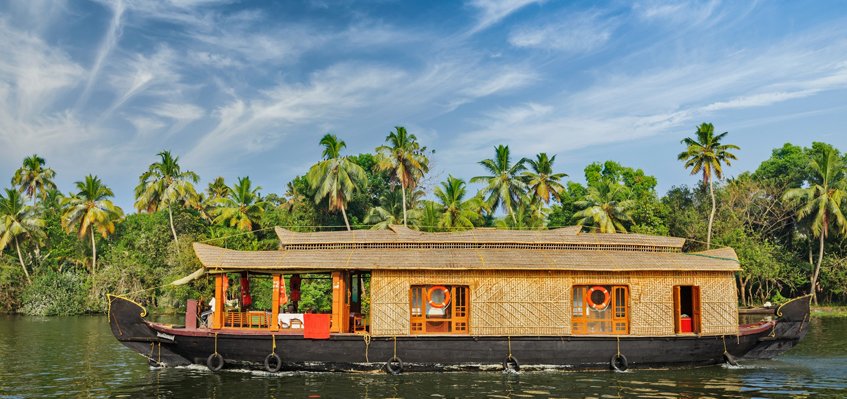
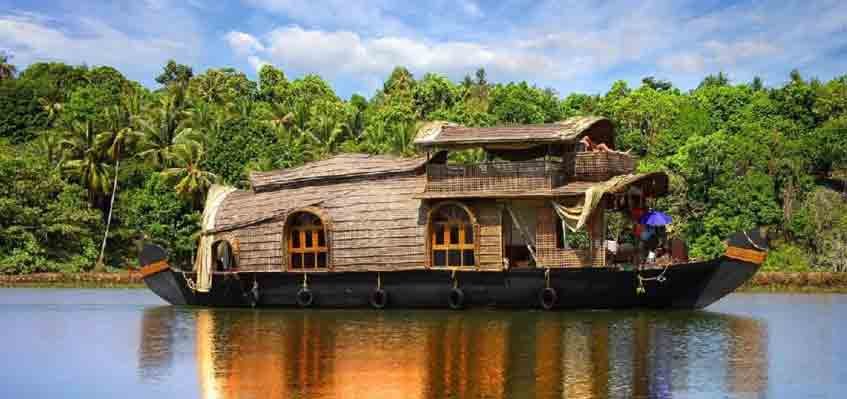
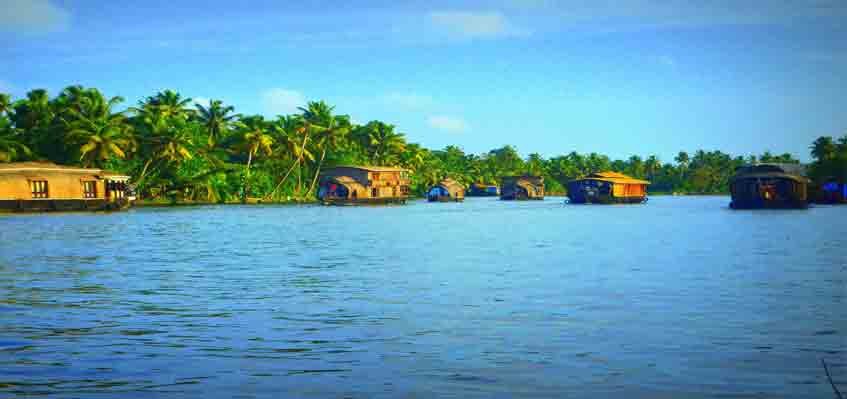
Premium houseboat night |
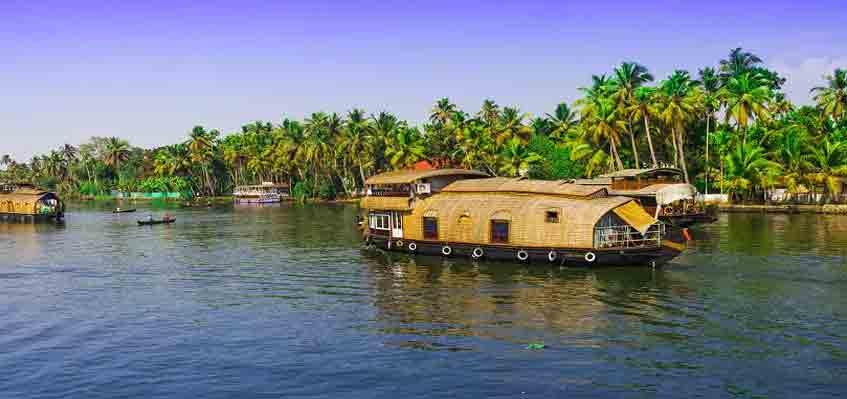
$220 to $300 for two |
A typical combination costs around $6,500 to $10,000 per person at premium level:
Spotting a low quote
When comparing Ayurvedic treatment packages in Kerala, look closely at three things:
A package priced well below the comfort range usually means fewer treatment hours, visiting rather than resident doctors, or spa-style massages instead of a supervised program. That difference shows clearly in the results.
Best Season for Ayurveda in Kerala: Monsoon or Winter
Ayurveda texts and Kerala doctors traditionally recommend the monsoon months for treatment. Monsoon Ayurveda in Kerala, from June to September, is still the preferred season for many returning guests.
Why the monsoon is preferred
Practical advantages of the monsoon
The downsides
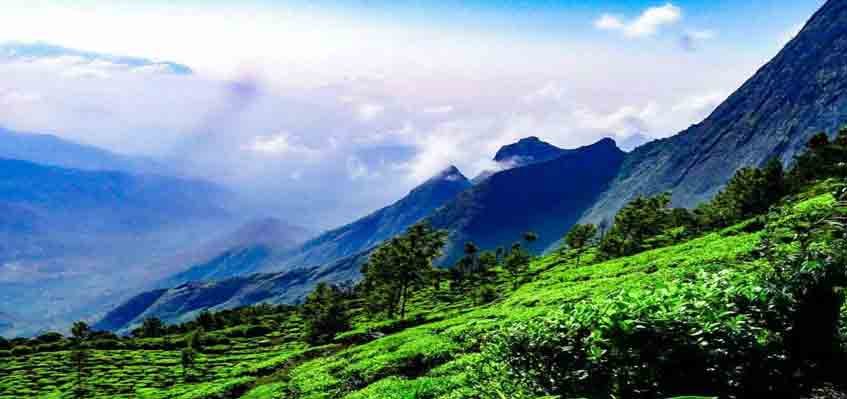
Guests who also want to see Kerala before or after treatment will find the backwaters and hills beautiful but wet. Wildlife viewing at Periyar is more limited.
Winter, from November to March
Winter is the more popular season among European and American guests, mainly because it matches their winter holidays and offers warm, dry sunshine. Temperatures on the coast range from the high 70s to around 90°F.
Treatment works well in this season too. Good centers adjust oils and diets to suit the warmer weather. Combining treatment with sightseeing is also much easier: Fort Kochi, Munnar, Thekkady and the backwaters are all at their best.
The trade-offs are:
Months to avoid
April and May are the least comfortable months. Heat and humidity build before the monsoon, and many doctors advise against starting Panchakarma at this time unless the resort has air-conditioned treatment rooms and cottages.
Summary
|
Your priority |
Best season |
|
Deepest treatment, lowest cost, rest above everything |
July or August |
|
Treatment plus a fuller holiday in Kerala |
Late November to February |
Either way, an authentic Ayurveda in Kerala program will be adjusted to the season by the doctor, which is one more reason to choose a center with experienced resident physicians.
How to Judge an Authentic Ayurveda Center in Kerala
Not every resort that offers Ayurveda practices it seriously. These checks help separate genuine centers from hotels that have simply added a treatment room.
Doctors
Ask who the doctors are and how they are qualified. In India, Ayurveda doctors complete a five and a half year degree, the Bachelor of Ayurvedic Medicine and Surgery, followed by registration with the state medical council. Senior physicians often hold a postgraduate degree as well.
A good center has at least one doctor living on site and available every day, not a visiting consultant who comes twice a week. For a 21-day program, ask whether the same doctor will see you throughout.
Kerala Tourism classification
Check the classification. The Kerala Department of Tourism grades Ayurveda centers under its Green Leaf and Olive Leaf schemes. These look at:
Green Leaf is the higher grade. A classified center is not automatically excellent, but an unclassified one deserves more questions.
The consultation and program
Ask what happens before treatment starts. Authentic centers:
A center that sells “Panchakarma packages” in fixed boxes, with the same treatments for every guest, is working like a spa.
Therapists
Ask about therapists. Classical treatments such as Abhyanga need two trained therapists working together. In traditional practice, men treat men and women treat women. Therapists should be full-time staff trained at the center, not seasonal workers.
Medicines
Ask where the medicines come from. The best centers either:
Rules and minimum stays
Look at the rules. Centers that take treatment seriously usually:
These rules exist because the program depends on them. A resort with a cocktail bar and a 5-day Panchakarma offer is selling something different.
Reviews
Read reviews closely. Look for repeat guests, comments about specific doctors, and descriptions of how treatment changed over the stay, not just praise for the pool or the food.
Rules, Diet and Combining Treatment with Sightseeing
Guests who know the rules before arriving tend to get far more from a Kerala Ayurveda holiday.
Diet
Food is part of the treatment, not a side detail:
Guests with allergies or strong food preferences should mention them in the pre-arrival questionnaire.
Physical activity
Physical activity is limited during the program, especially in the cleansing stage:
Phones and screens
Many centers ask guests to limit phone, laptop and television use. Some, such as Kalari Kovilakom, restrict them strictly. Guests who must work during the stay should say so before booking, because some resorts will not be suitable.
What to pack
Treatment robes and towels are provided.
Combining treatment with sightseeing
The rule is simple: sightseeing comes before or after treatment, not during it. A combined trip might look like this:
Before treatment (4 to 5 days)
The program
After treatment
Munnar and Thekkady are best visited before treatment rather than after. The long hill drives are tiring, and doctors advise avoiding them in the days after cleansing.
When to arrive
Arriving a day or two early helps a great deal. Long-haul travel unsettles digestion and sleep, and a rest day lets the body settle before the first consultation.
After you return home
Follow the doctor’s diet and routine for at least two weeks. Many returning guests say this period decides how long the benefits last. Most good centers stay in touch afterwards, and some offer online follow-up consultations at no extra cost for a month or two.
Post Date : 📅 16 Oct 2026
Planning a trip?
Send us your dates and interests. A planner replies within a day with a route and a clear price.
Chat on WhatsApp Send an EnquirySend us your dates, who is travelling and the places on your list. Within a day, your planner will reply with a first draft: route, hotels, drive times and a clear price. Change it as often as you like before you book.
Talk to a Travel Planner Plan My TripEvery package can be customised and no pressure to book. A planner from our office replies within 24 hours with a route written for your group.
Fill this in and your planner will send a first draft itinerary.
Good to know
Most qualified Ayurveda doctors require a minimum of 14 days for a complete Panchakarma program. They consider 21 days the classical length, as it gives proper time to preparation, cleansing and rejuvenation.
Expect about $2,800 to $4,200 per person sharing at a good licensed center, $5,000 to $8,400 at premium resorts, and $8,000 to $14,000 at luxury properties. These figures include meals, treatments and consultations.
The monsoon months from June to September are traditionally considered the best for treatment, and prices are lower. November to February is more popular with foreign guests for its dry, sunny weather and easier sightseeing.
At licensed centers with qualified resident doctors, it is generally safe. Guests should share their full medical history and current medicines before arrival, and speak to their own doctor first if they have serious conditions.
No. Almost all serious centers forbid alcohol, smoking and caffeine during the program. The diet is vegetarian and prescribed by the doctor according to your treatment stage.
Most guests on short programs travel on the Indian e-Tourist Visa, which currently covers short-term treatment under Indian systems of medicine. Longer or hospital-based treatment may need an e-Medical Visa, so check the rules for your nationality.
A spa offers individual massages for relaxation, usually without a doctor. A retreat provides daily consultations with a qualified Ayurveda doctor, a personalized program, prescribed meals and medicines, and a supervised cleansing process.
Yes, but sightseeing should happen before or after the program, not during it. A common choice is a few days in Fort Kochi and the backwaters before treatment, then a quiet coastal stay afterwards.
A 7-day stay works well as a relaxation or rejuvenation break, with massages, Shirodhara, yoga and healthy food. It is not long enough for genuine Panchakarma, which needs at least 14 days.
Look for a full-time qualified doctor on site, a Green Leaf or Olive Leaf classification from Kerala Tourism, and a detailed pre-arrival questionnaire. A minimum stay for Panchakarma and strict rules on diet, alcohol and activity are also good signs.